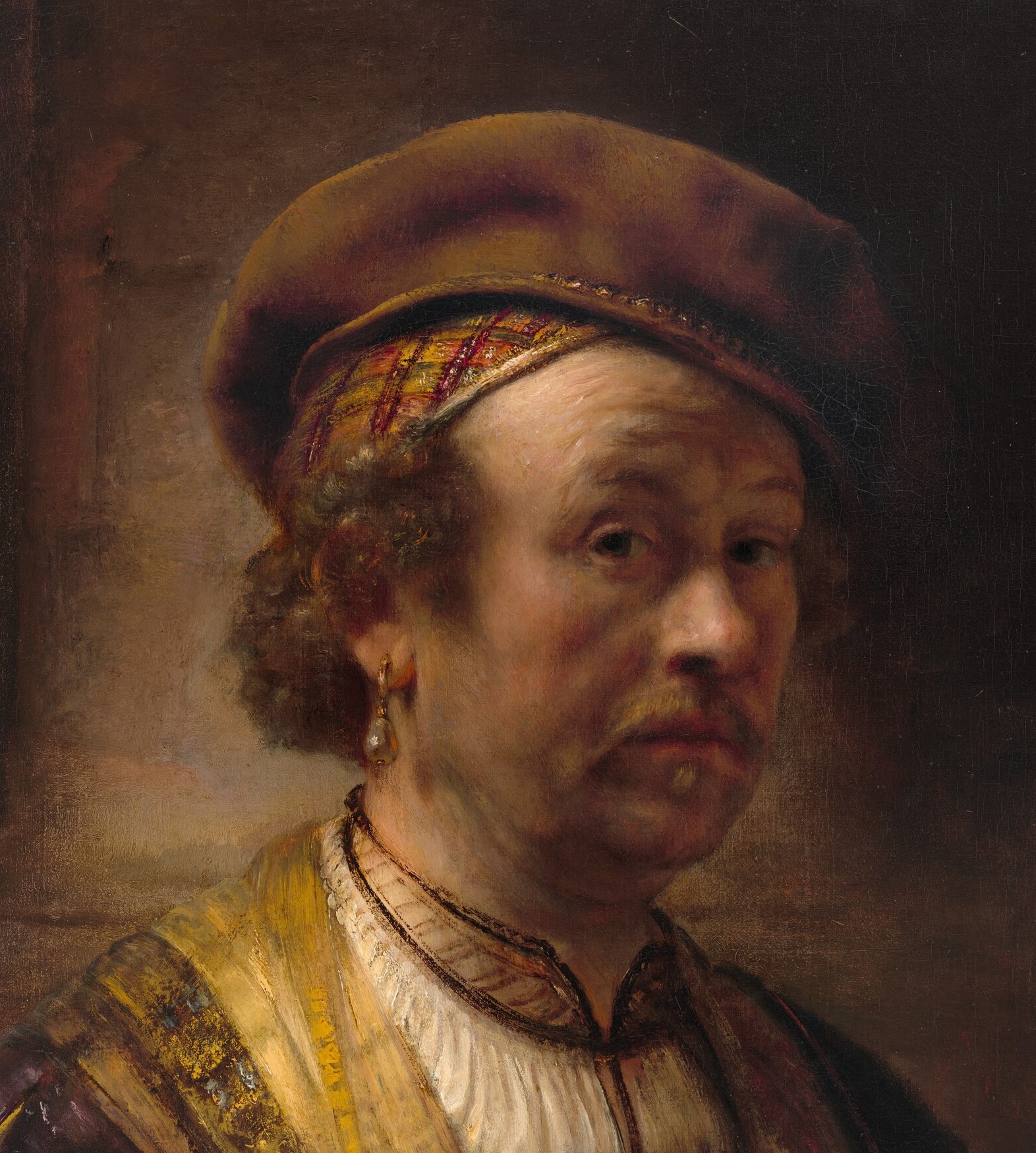
Portrait of Rembrandt by Dutch 17th Century
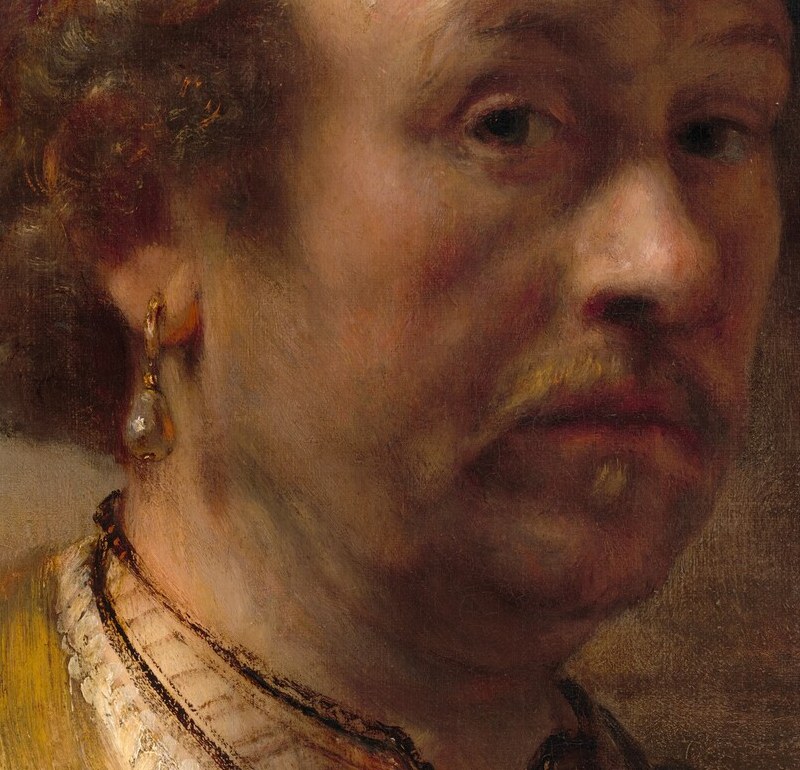
This is Rembrandt's self-portrait from around 1650, now in the Metropolitan Museum of Art. He painted it at the lowest point of his life. Bankruptcy proceedings had begun. His wife and three of his children were dead. And he sat down and made this.
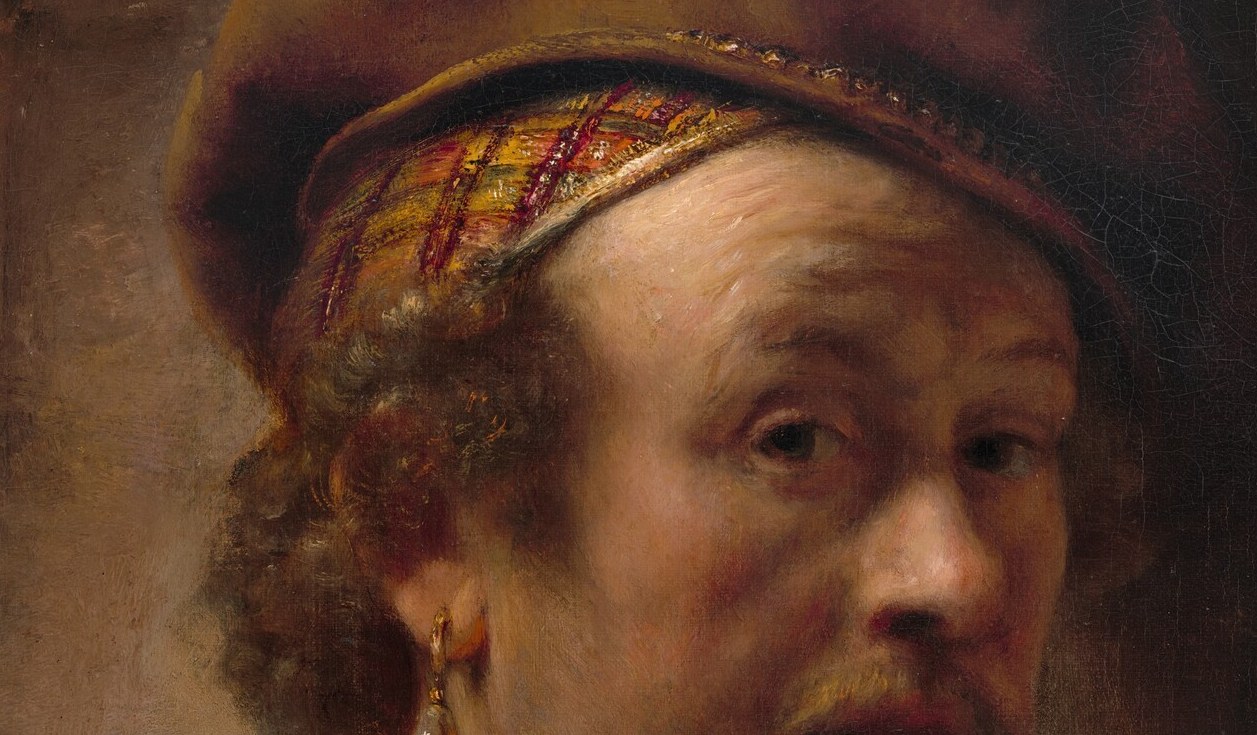
Notice the weight in the face. The thick paint on his left cheek is built up with a palette knife, each stroke a physical record of a hand in motion across its own reflection. His eyes do not plead and they do not boast. They simply watch, with a levelness that makes you feel like the subject.
Rembrandt painted around eighty self-portraits across his life, an unprecedented visual autobiography. This one comes from a period when his celebrity had collapsed and his possessions were being sold. He dressed himself in old theatrical costumes he kept in the studio, the beret, the dark mantle, and turned himself into his own last honest subject.
There is no crowd, no landscape, no story except what happens between those eyes and the person standing in front of them. What do you see happening?
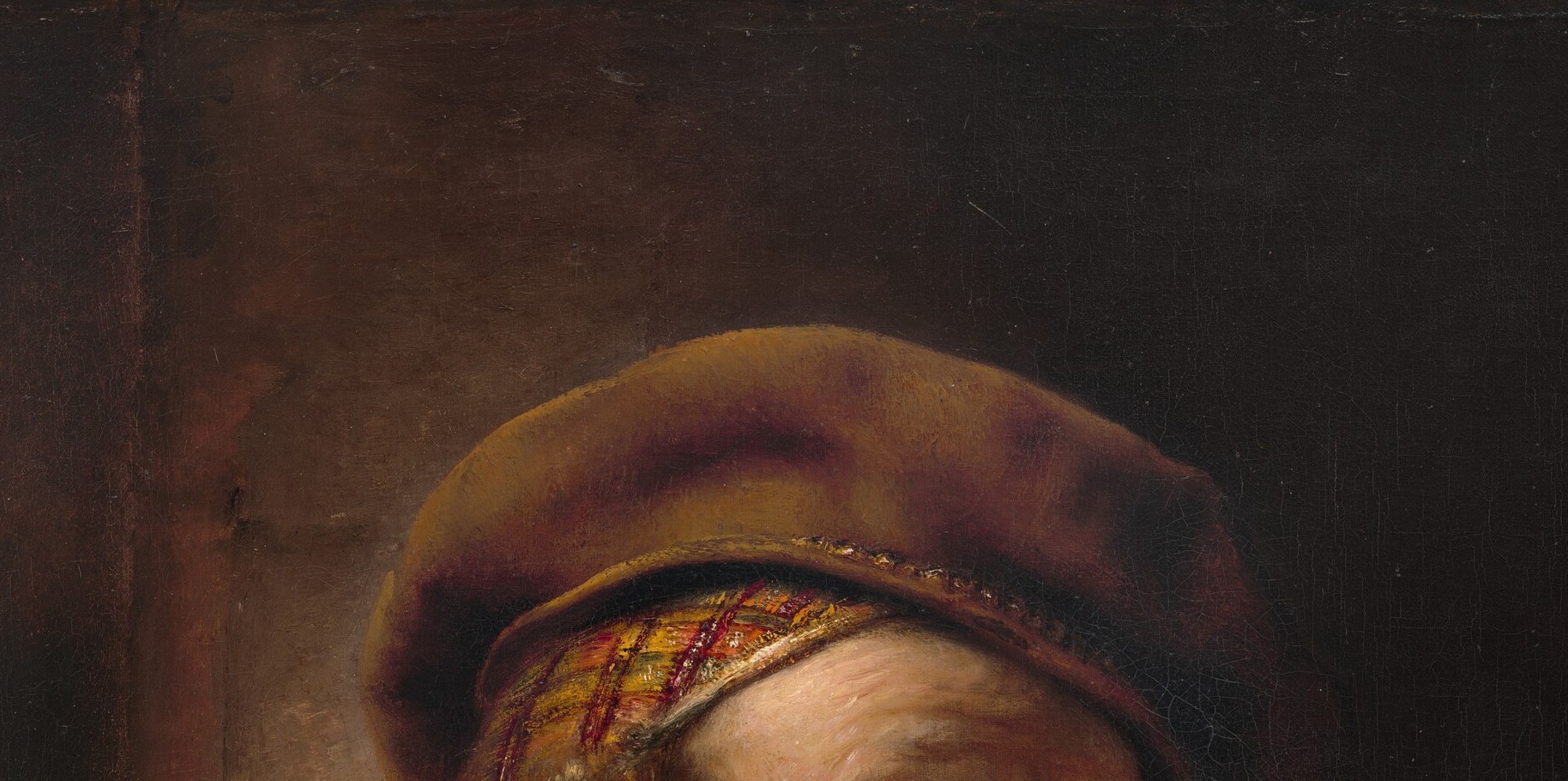
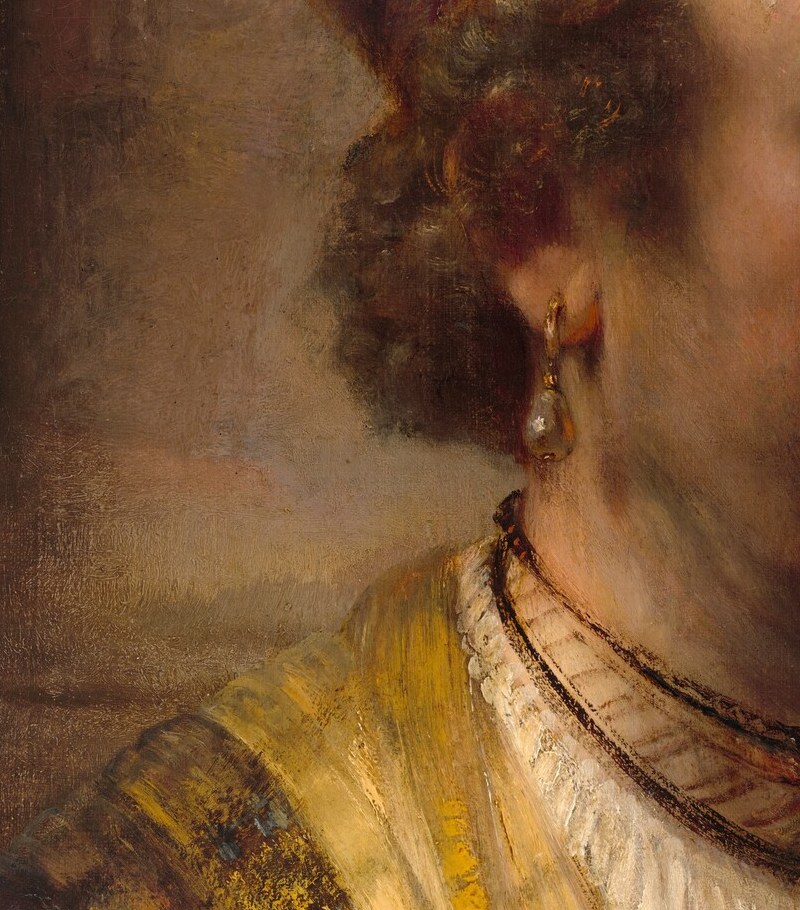
Details
Transcript
By 1650, Rembrandt had buried three of his four children. His wife Saskia was gone. His money was gone. He dressed himself in old props and sat before the mirror. Then he painted the one face no patron could commission. He is forty-four. He softens nothing. Now look at his eyes. He is the one studying you.