Sailing at Moonlight, Samoa by Louis Eilshemius
Louis Eilshemius was the eccentric heir to a Dutch banking fortune who became the great lost soul of American art. He painted “Sailing at Moonlight, Samoa” in 1902, and it now hangs in The Metropolitan Museum of Art, a quiet proof of his genuine vision before his life unraveled into performance.
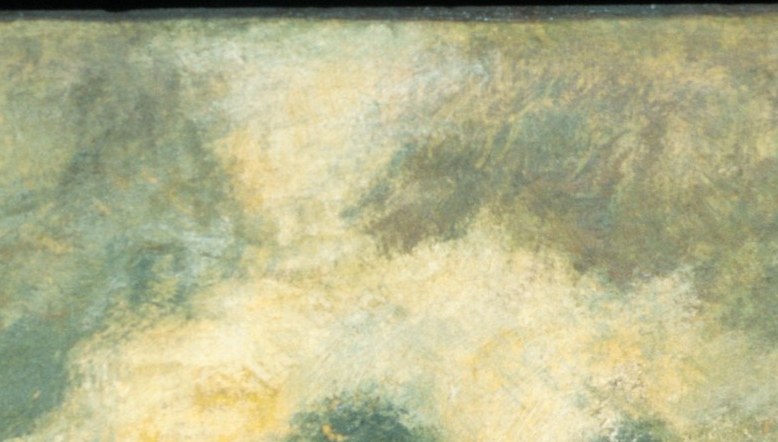
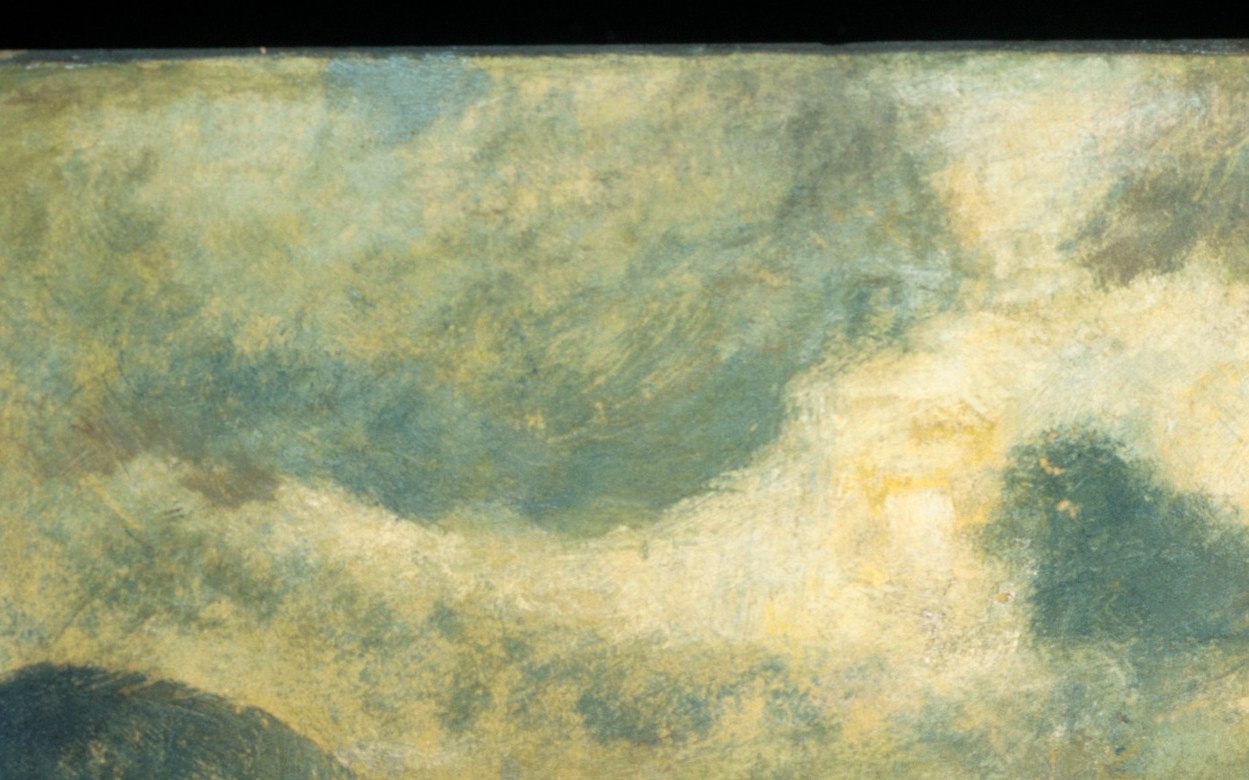
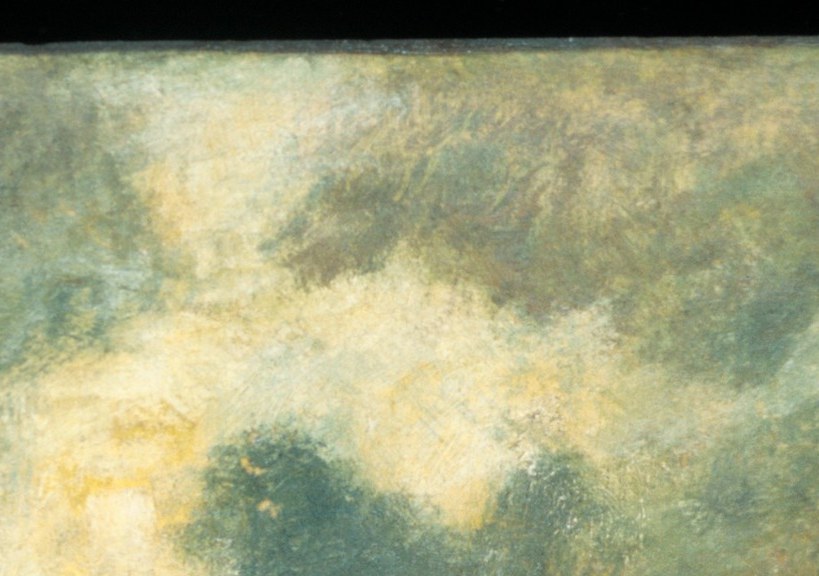
Eilshemius builds the scene with a strangely urgent touch. Watch the thick, impasto clouds at the edge of the moonlit break, his self-taught hand drags the paint like it might harden before he finishes. The composition feels placid at first glance, but the brushwork is restive. And he hides rewards for the close observer: a third boat, nearly invisible, sails deep in the far distance.
After years of rejection, Eilshemius stopped trying to win over the art world and instead performed outrage to mock it. Marcel Duchamp “discovered” him in 1917 and hailed him as a genius, but by then Eilshemius was already becoming a tragic self-caricature. This nocturne is from the brief window when he simply painted what he saw.
It seems impossible that a painting this calm was made by the same man who spent his later years handing out pamphlets titled “The Perversion of True Art.” Do you see the visionary, or the coming storm?
Details
Transcript
Before he was a punchline, he was a prodigy. Louis Eilshemius painted this luminous Samoan night in 1902. Look at that sky. The paint is thick, urgent, almost reckless. That restless energy came from a self-taught hand. The tiny structure hidden in the trees proves this is a real place. Now look deep into the distance. A third boat. He rewards the patient viewer. Dismissed for decades, he was rediscovered by Duchamp and called a genius.