Violin and Bow by Jefferson David Chalfant
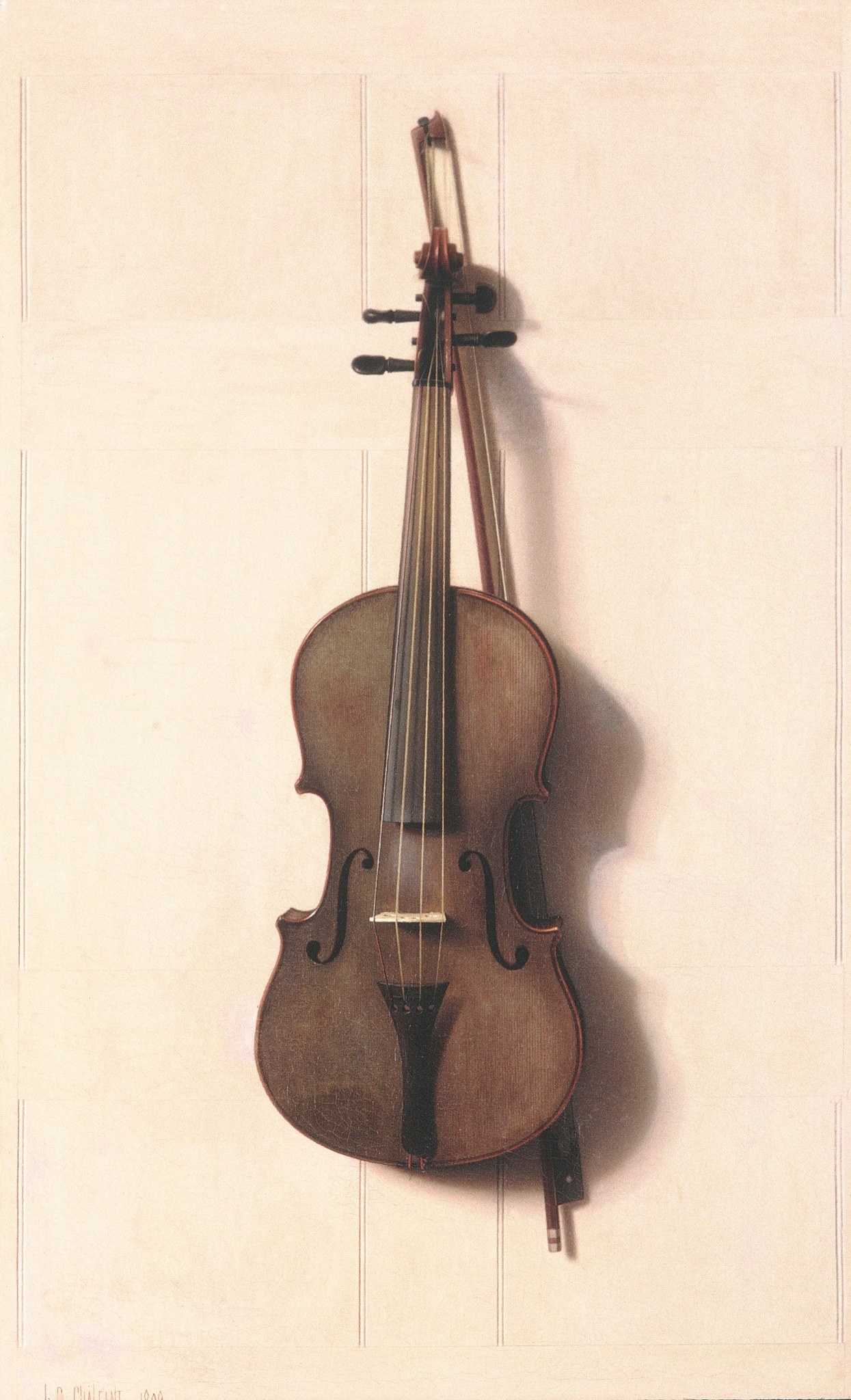
This is Jefferson David Chalfant's "Violin and Bow," painted in 1895 and now in the collection of The Metropolitan Museum of Art. It famously fooled a security guard, who reportedly drew his revolver, convinced a real instrument had been nailed to the wall.
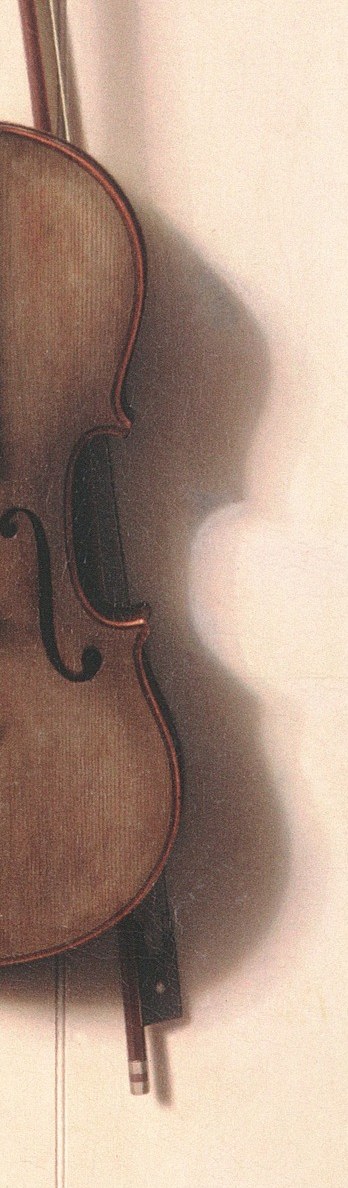
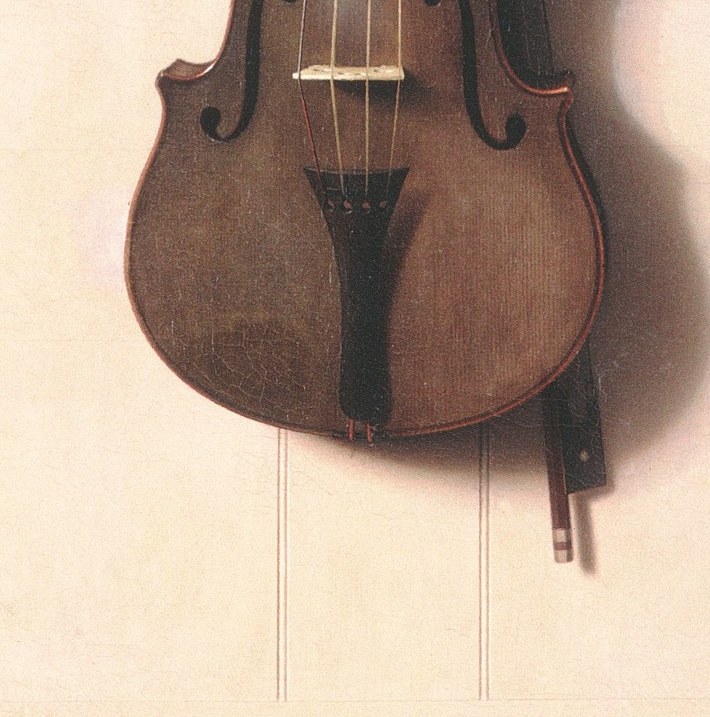
Look first at the shadow. That soft, diffuse darkness on the cream wall carries the entire illusion. Then move to the bridge, the f-holes, the tiny shadows cast by each tuning peg. Chalfant renders wood grain, varnish, and the hair of the bow with precision that rewards slow looking.
Chalfant began his working life as a cabinetmaker in Delaware. He only turned to painting in his twenties, and that training in wood and finish never left him. His trompe-l'œil works, especially the violins, are less about musical romance than about technical honesty: a craftsman painting the materials he knew best.
The figure with the gun may be folklore, but the story endures because the painting earns it. What does your eye refuse to believe, even after you know it is oil on canvas?
Details
Transcript
A violin hangs on a plain beige wall. Nothing else. No table, no drapery, just the wall. This painting once fooled a security guard. He drew his revolver, convinced a real instrument had been nailed up. Look at the shadow. A soft blur on cream paint is the entire illusion. Chalfant was a cabinetmaker before he ever picked up a brush. He knew exactly how wood catches light.