Wanderer in the Storm by Carl Julius von Leypold
Carl Julius von Leypold's 1835 oil painting, *Wanderer in the Storm*, is more than just a dramatic landscape; it's a powerful symbol of human experience. This key work of German Romanticism, held at The Metropolitan Museum of Art, invites us to look deeper.
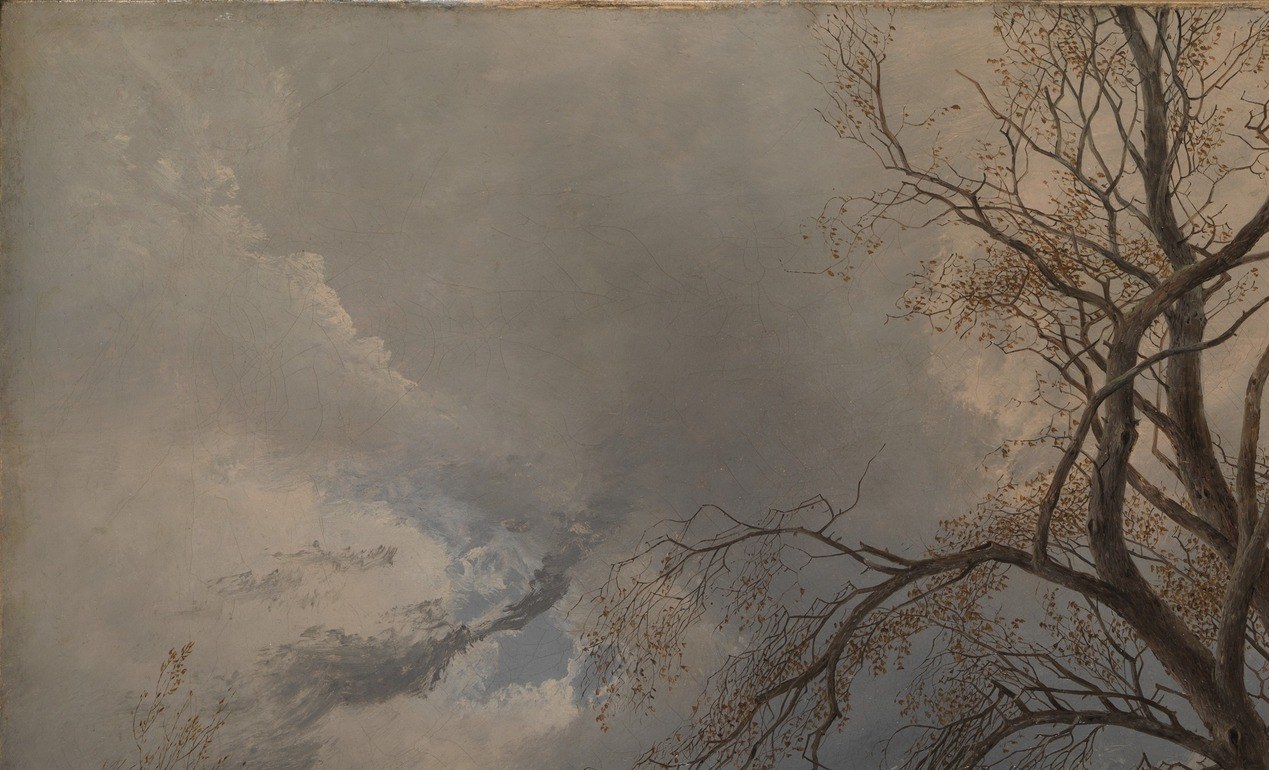
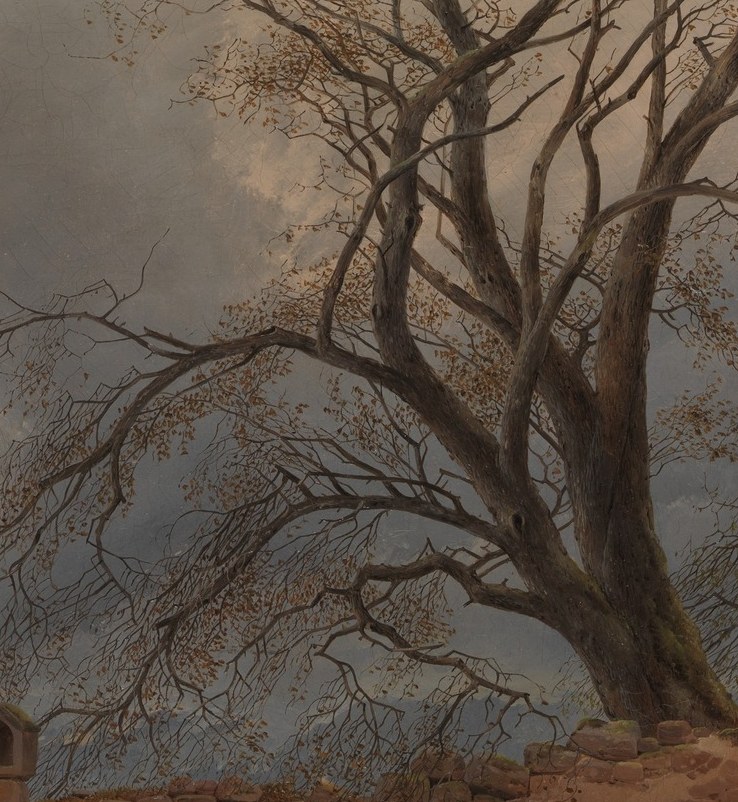
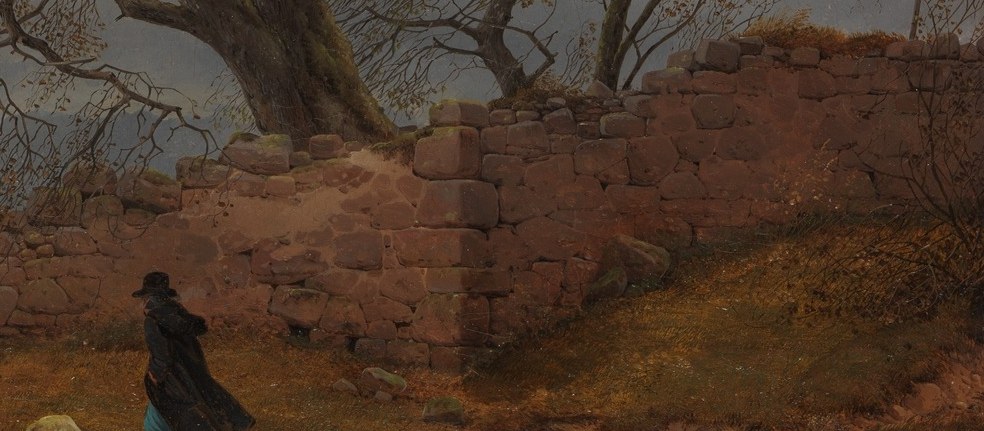
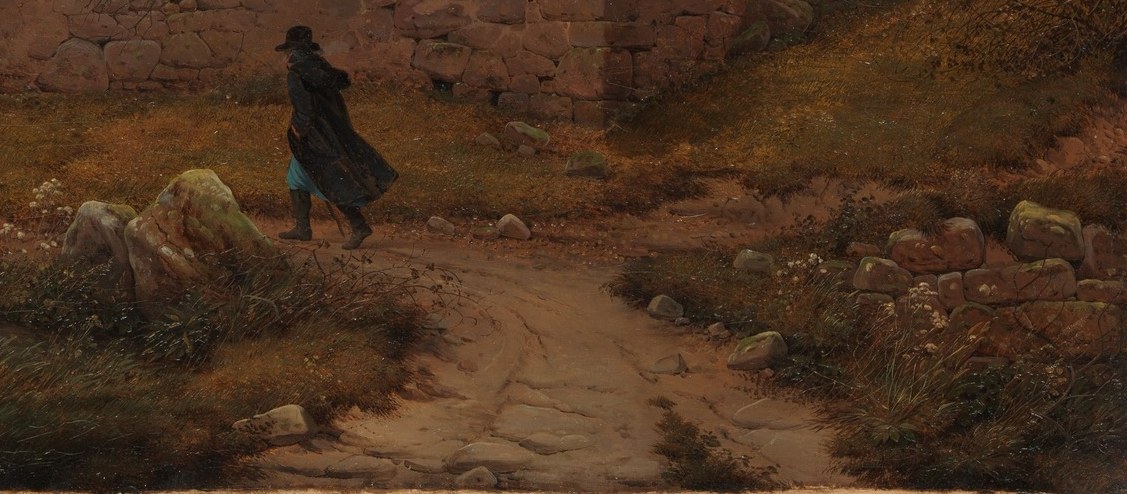
The solitary figure, seen from behind, faces a turbulent sky and a desolate path. Each element, from the gnarled, bare tree to the crumbling stone ruins, contributes to a larger narrative. The painting uses these visual cues to evoke themes of inner turmoil, the struggle against adversity, and the transient nature of existence.
Leypold, a German Romantic landscape painter, masterfully employed muted browns and grays to create a melancholic and foreboding mood. This precise rendering and atmospheric use of color align perfectly with the movement's focus on subjective experience and the sublime.
What feelings does this scene evoke in you?
Details
Transcript
This painter often explored the human condition through landscapes. Look at the lone figure, facing the coming storm. This desolation reflects inner turmoil, not just a physical place. The gnarled tree behind him symbolizes enduring struggle. And these crumbling ruins remind us of life's transient nature. The whole scene is a metaphor for human resilience and introspection.