Portrait of Clara Serena Rubens, the artist's daughter by Peter Paul Rubens
Peter Paul Rubens, a leading figure of the Flemish Baroque, painted this oil portrait of his daughter, Clara Serena Rubens, around 1618. It's a remarkably intimate and tender portrayal, capturing her gentle demeanor and youthful innocence.
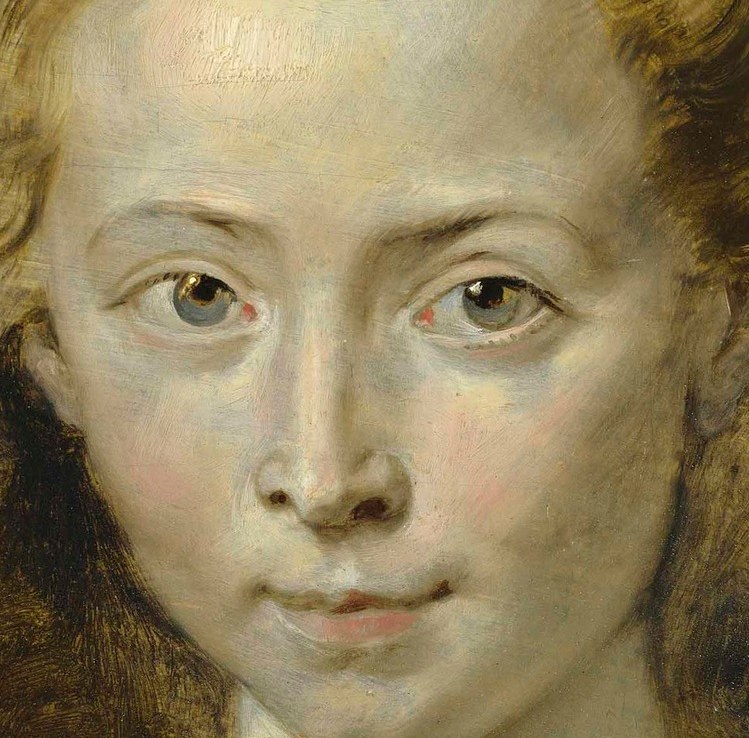
Look closely at Clara Serena's face, particularly her eyes, which convey a sense of calm attentiveness. Her delicate features are brought to life by Rubens's skilled use of light and shadow, and the subtle blush on her cheeks adds a touch of vitality.
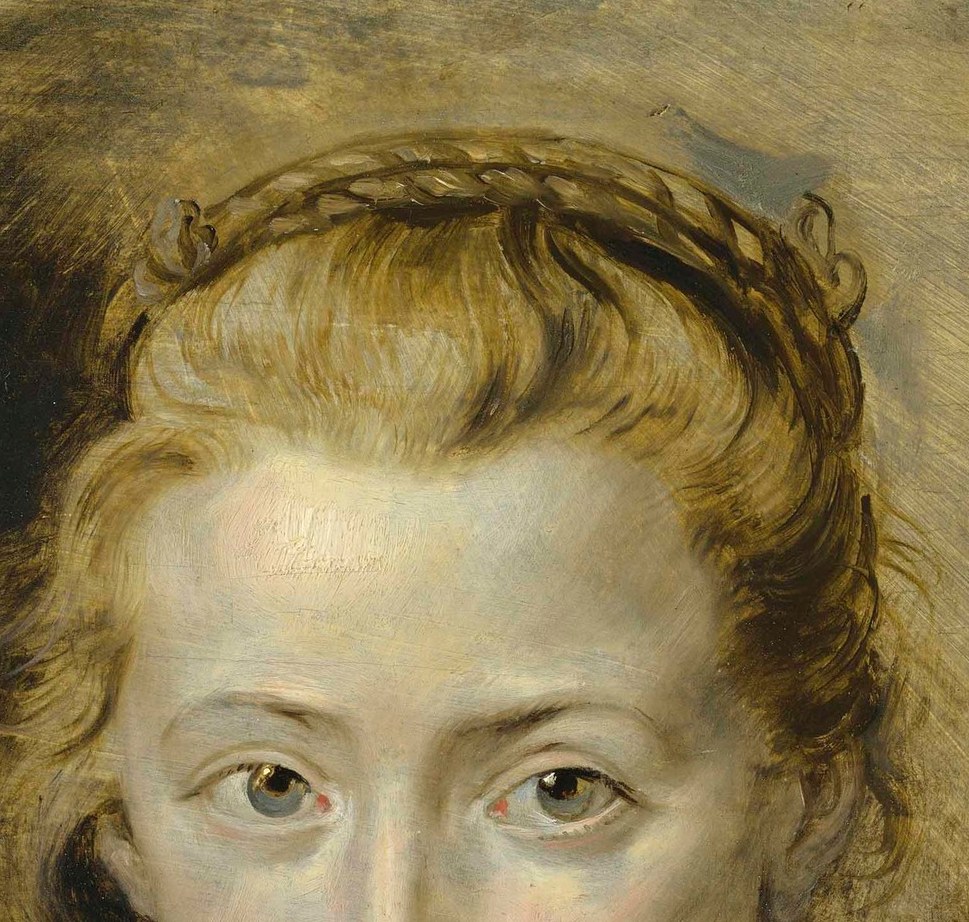
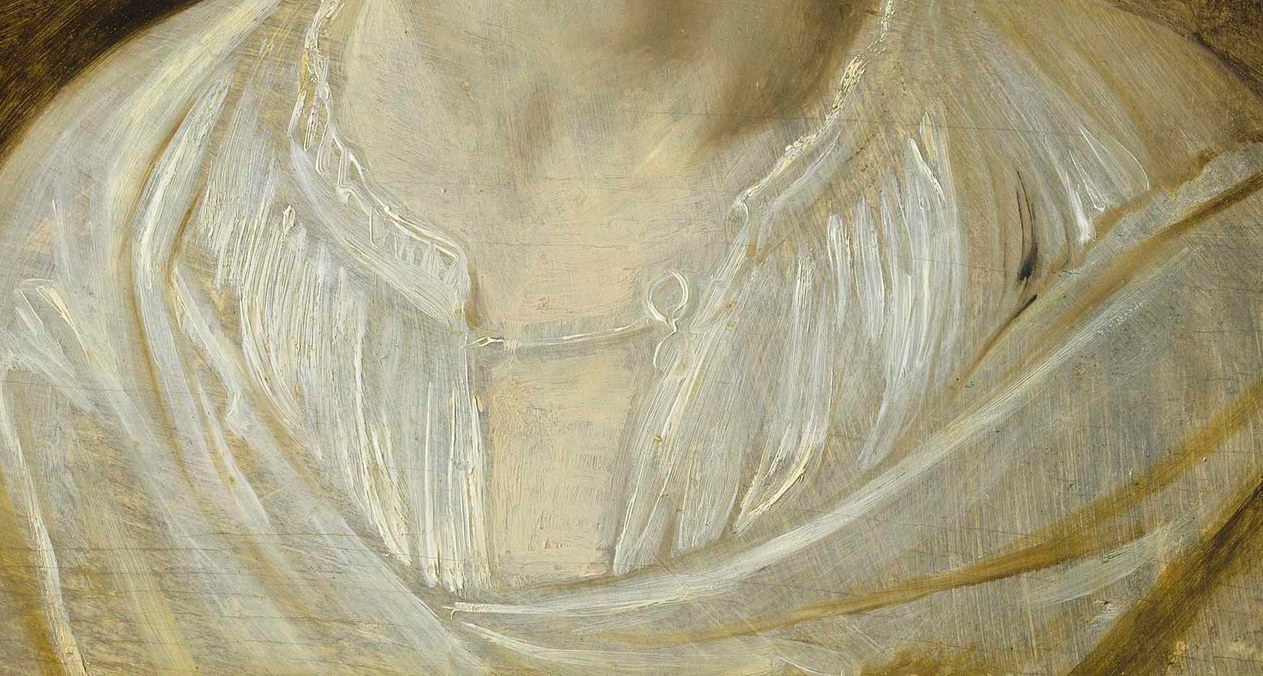
Rubens was known for his command of oil paint. You can see his technique, called impasto, in the thick application of paint on Clara Serena's blonde hair and shoulders, adding texture and vitality. This painting is a significant example of his early family portraits and is now housed at The Metropolitan Museum of Art.
It offers a personal glimpse into the life of a master painter and his family. What do you notice first about her expression?
Details
Transcript
This intimate portrait shows a painter's young daughter. Her calm, attentive gaze suggests youthful innocence. This is Clara Serena, painted by her father, Peter Paul Rubens. Rubens used thick paint, or impasto, on her hair and shoulders. Her slightly parted lips add to her gentle expression. He created this painting around 1618, when she was about 12.