Last Supper by Francesco Bassano the Younger
Francesco Bassano the Younger's 'Last Supper' from 1594, held at the Museo del Prado in Madrid, offers a unique window into late 16th-century Venice. While depicting the biblical Last Supper, Bassano reimagines the scene in a contemporary setting.
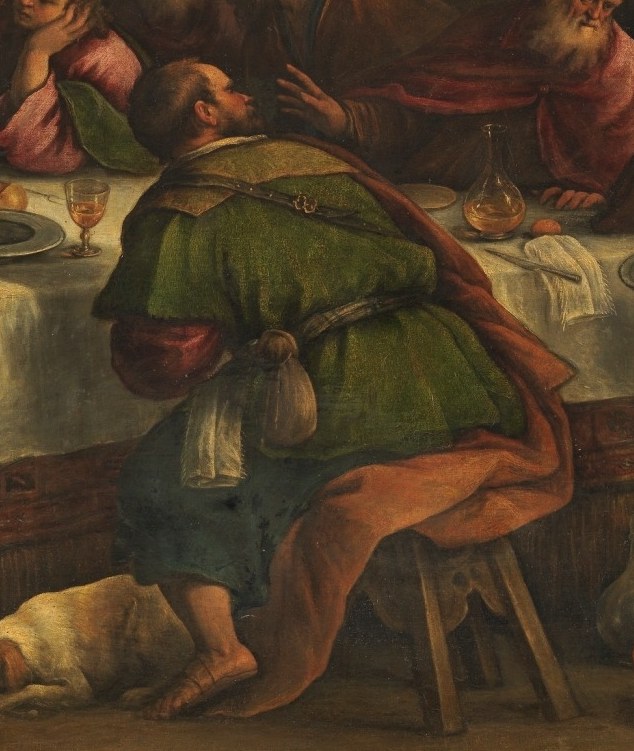
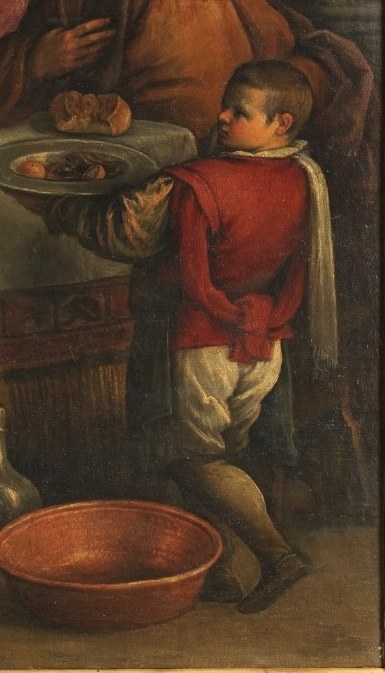
Look closely at the disciples' robes, which reflect the fashion of Bassano's time rather than ancient Judea. Even the domestic elements, like the hanging chickens and the servant boy, provide a glimpse into the everyday life and customs of a wealthy Venetian household.
Bassano, the eldest son of the famed Jacopo Bassano, trained in his family's workshop before establishing his own. This painting exemplifies the Counter-Reformation's aim to make religious imagery more relatable and emotionally resonant for contemporary viewers. By grounding the sacred in the familiar, Bassano invited his audience to see themselves within the story.
It makes you wonder, what stories are we telling today that mix the sacred with the everyday?
Details
Transcript
This isn't just a biblical scene. It’s 1594, and this Venetian painter brings the story into his own time. Notice the detailed, contemporary clothing on the disciples. Even the household details are from Bassano's Venice. He wasn't just painting a sacred event. He was inviting his neighbors into the story, making it real.