Portrait of a Woman by Jean-Jacques Henner
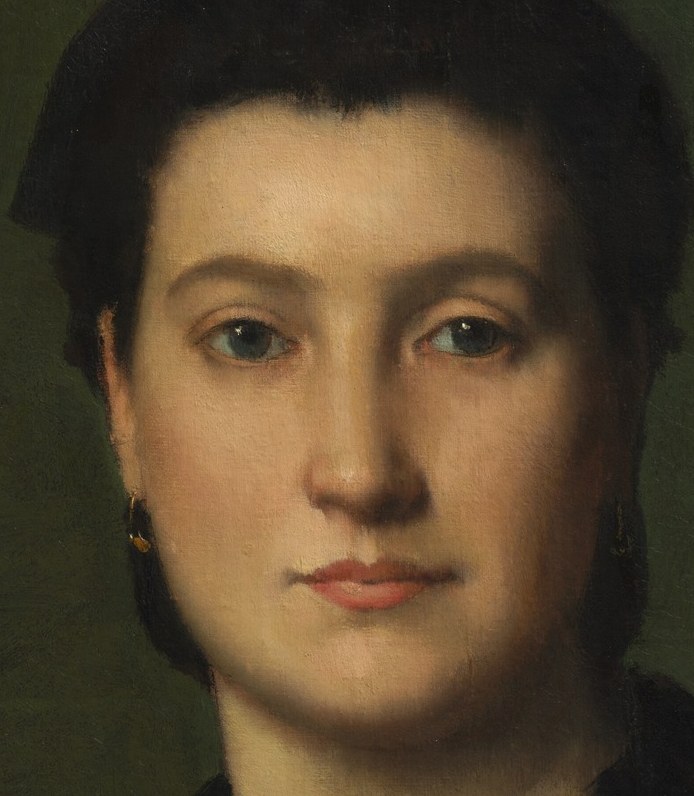
Jean-Jacques Henner's "Portrait of a Woman," painted in 1889, is an oil painting held at The Cleveland Museum of Art. Henner, known for his mastery of sfumato and chiaroscuro, often applied these techniques to nudes, religious subjects, and portraits, creating a distinctive, luminous quality.
Notice the soft, diffused light on her face and neck. This technique, called sfumato, creates a seamless blending of light and shadow, giving the skin an almost glowing appearance. It’s a hallmark of Henner’s style.
Henner's artistic approach often imbued his portraits with an intimate, suggestive quality, blurring the lines between the portrait and the nude. This created intrigue around his work and made his subjects feel deeply present.
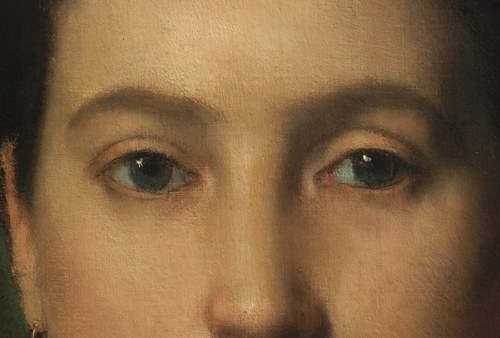
What do you see in her serene gaze?
Details
Transcript
This woman's gaze is direct, inviting connection. But the painter, Henner, was known for his nudes. He used soft light to sculpt flesh in all his works. The effect made his portraits feel intimate, almost suggestive. This blurring of lines was his signature style.