Penitent Mary Magdalene by Luca Giordano
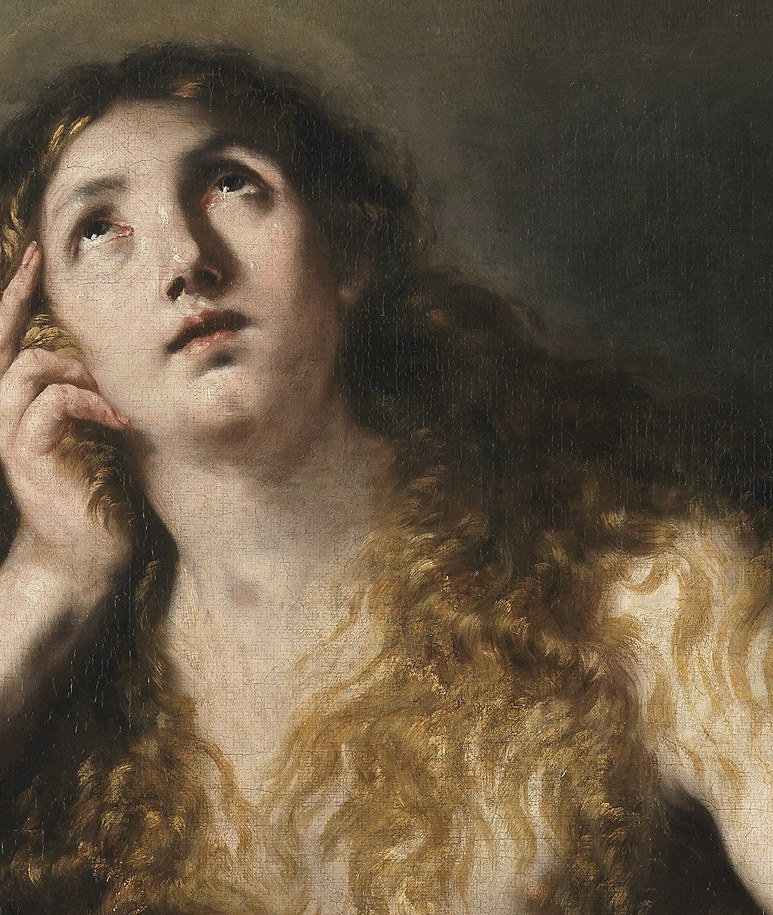
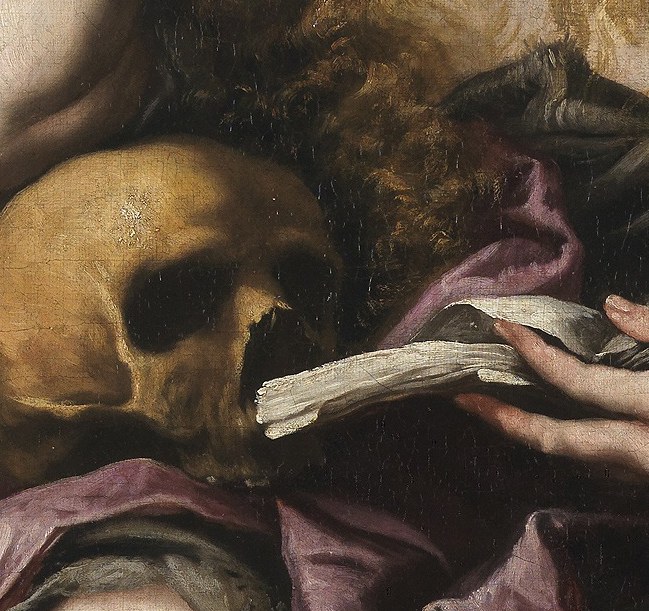
Luca Giordano's Penitent Mary Magdalene (c. 1660), housed at the Museo del Prado, captures a dramatic moment of spiritual reckoning. The painting masterfully employs chiaroscuro, with stark light and deep shadow to heighten the emotional intensity.
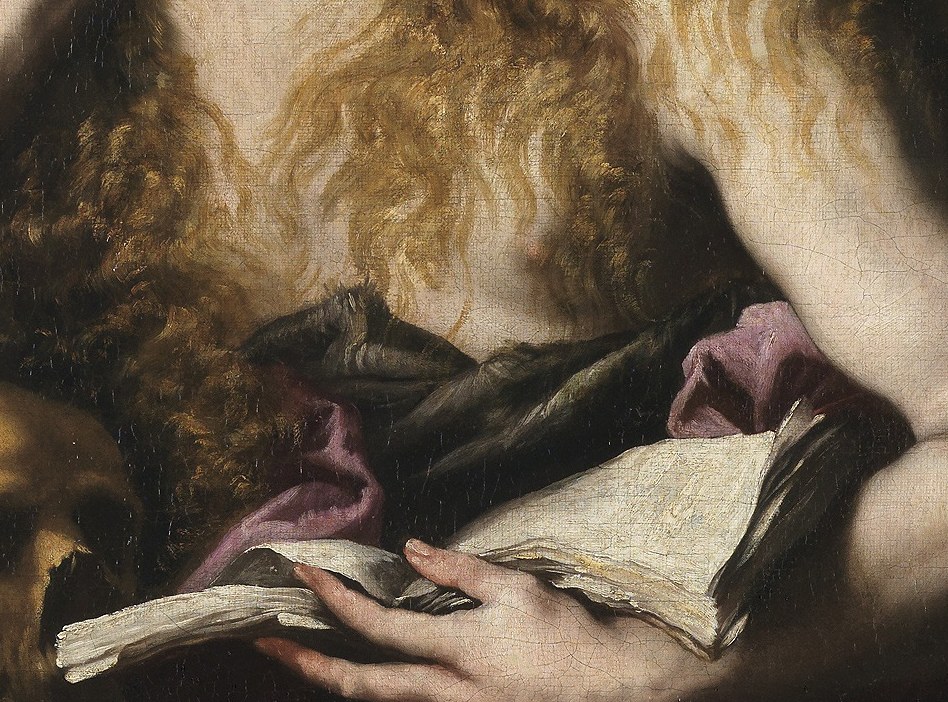
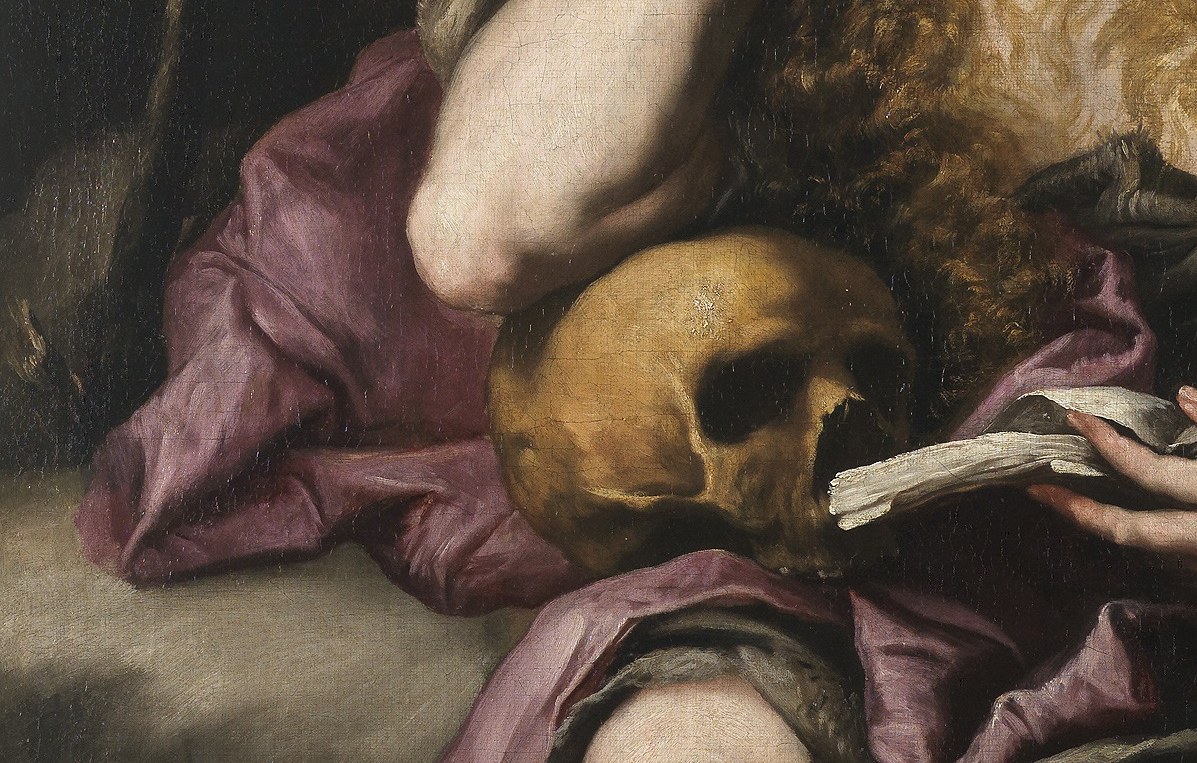
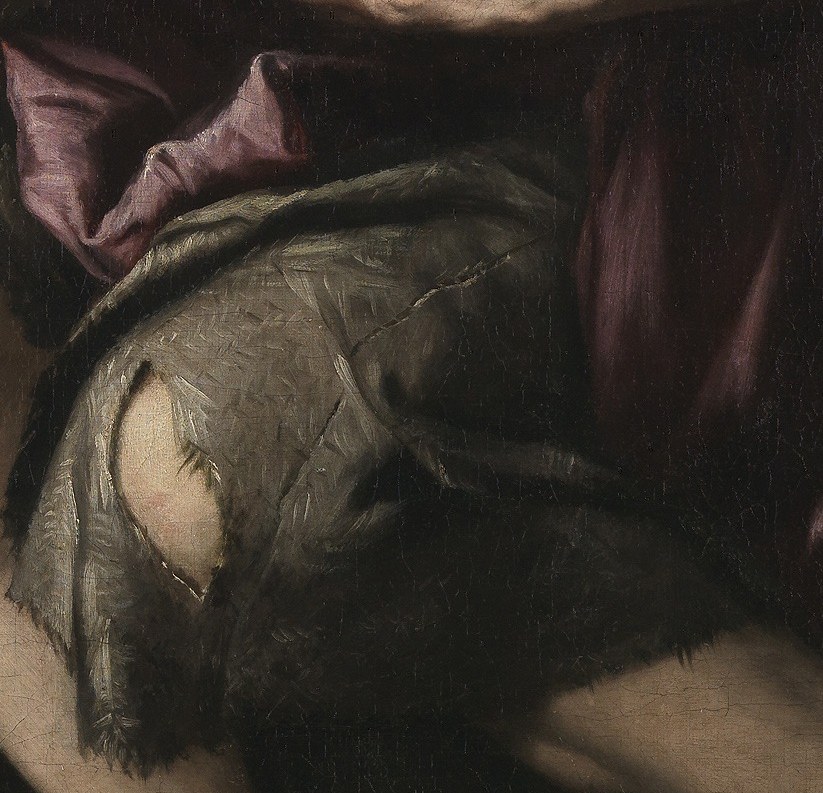
Observe the contrast between the rich purple drapery, hinting at Mary's past worldly life, and her torn robe and bare foot, symbols of her ascetic devotion. The light illuminating her hair suggests a moment of divine grace or spiritual awakening amidst her profound contemplation.
Giordano, a celebrated Neapolitan Baroque painter, moved away from darker styles to embrace vibrant color and movement. This work exemplifies his skill in creating dynamic religious scenes, drawing viewers into Mary Magdalene's internal struggle and quest for redemption.
Details
Transcript
She looks like an ordinary penitent. But the light on her hair suggests divine grace. A 1660 painting by Luca Giordano. The rich purple drapery hints at past wealth. Her torn robe and bare foot show her devotion. Under her hand, a symbol of mortality. Giordano used stark light and shadow for drama. This is Penitent Mary Magdalene.