Portrait of a Musician by Andrea Appiani
Andrea Appiani's Portrait of a Musician (circa 1800) is more than just a likeness; it's a Neoclassical statement. The painting, housed at The Cleveland Museum of Art, focuses on clarity and restrained emotion. Appiani, known as 'the Elder,' was a key figure in Italian Neoclassical painting.
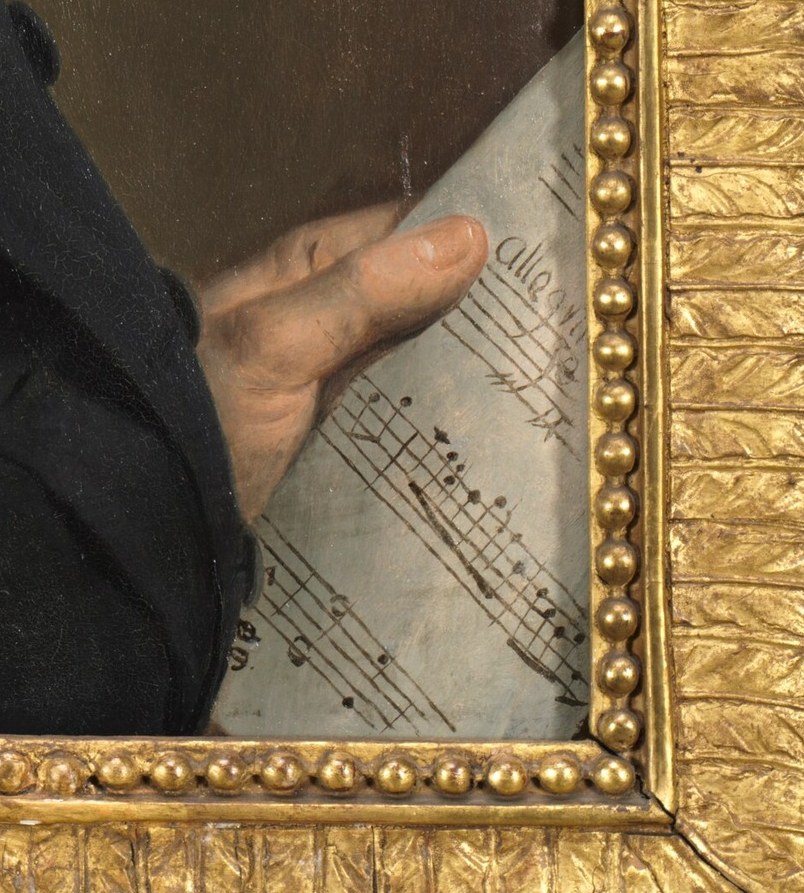
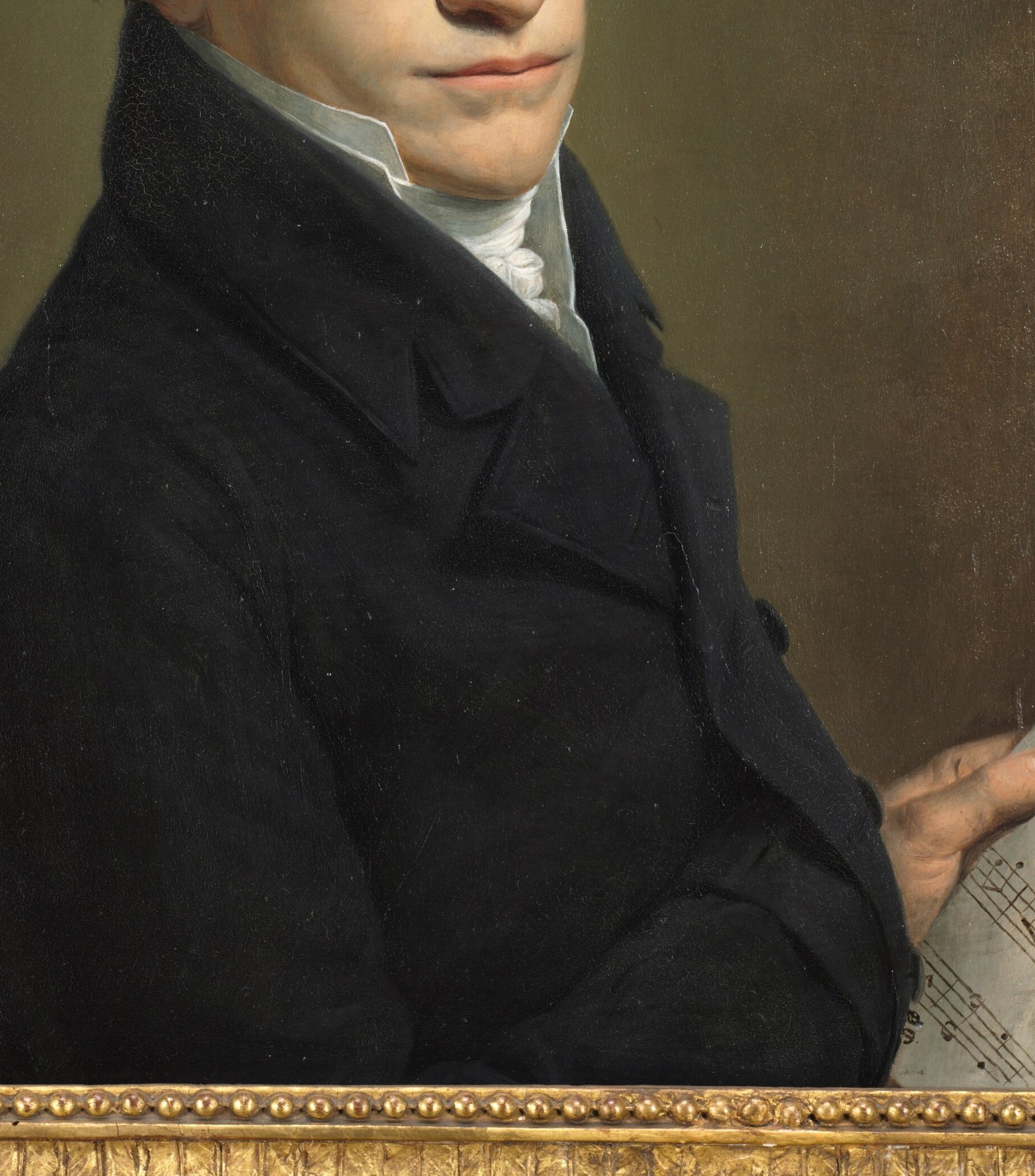
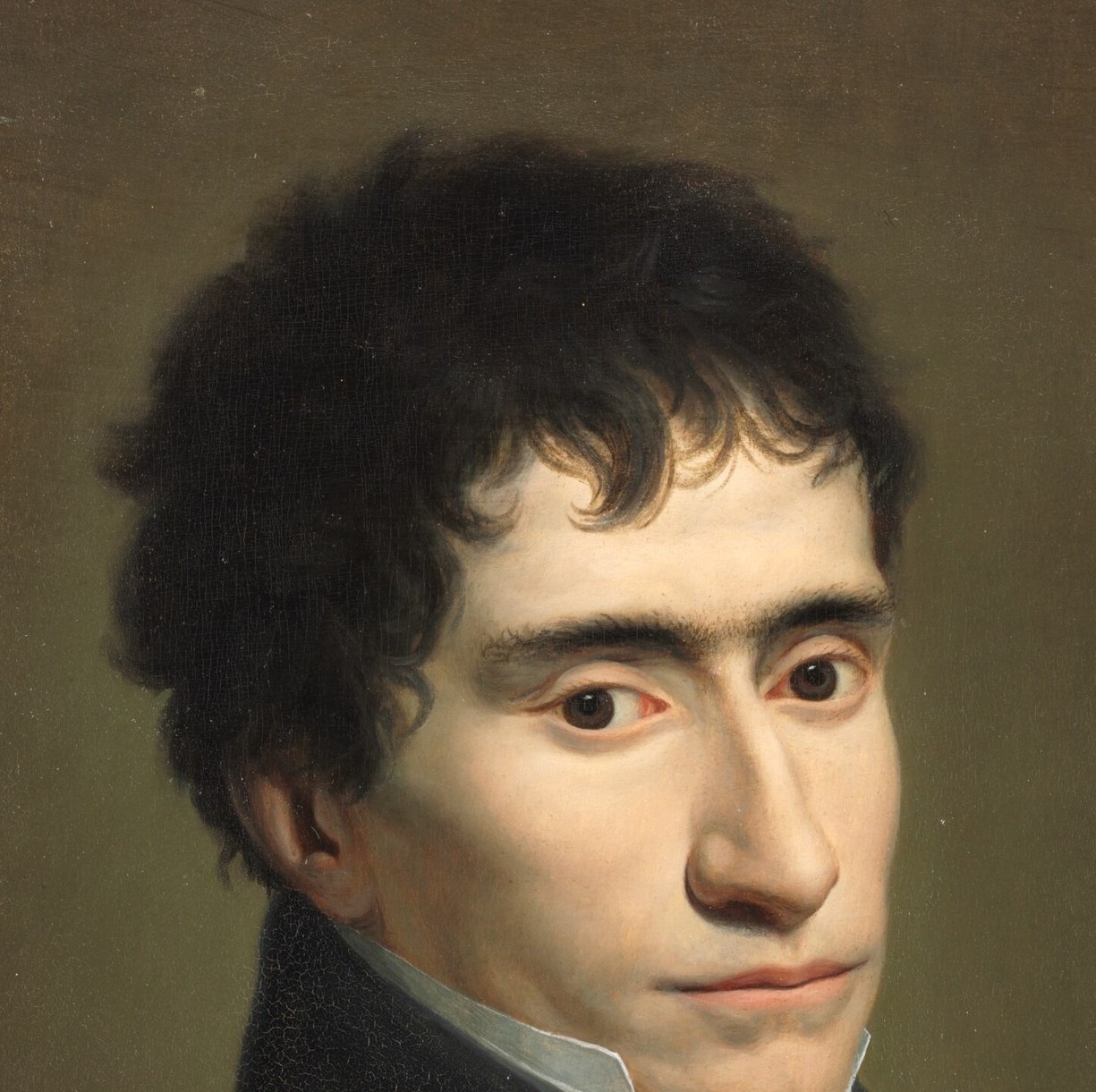
Notice the musician's direct gaze, the detailed sheet music he holds, and his formal, dark attire. The absence of a visible instrument prompts a deeper look at the notation itself and the sitter's composed demeanor. The muted background and stark contrast between light and shadow emphasize the figure.
Created at the turn of the 19th century, this oil painting embodies the Neoclassical movement's ideals of precision and order. Appiani's deliberate composition guides the viewer's eye, highlighting the sitter's focused presence rather than overt emotion or setting.
This portrait invites us to consider how even a simple depiction can convey complex ideas about profession, era, and artistic style.
Details
Transcript
This is no ordinary portrait. Look at his intense, focused eyes. He holds musical notation, but no instrument. The music itself suggests the era. He wears dark, formal attire. The plain background isolates the musician. Appiani painted this in 1800. Clarity and restraint define Neoclassicism.