View of the Cloaca Maxima, Rome by Eckersberg, Christoffer Wilhelm
Christoffer Wilhelm Eckersberg, the "Father of Danish painting," captured a precise moment in Rome with his 1814 oil on canvas, *View of the Cloaca Maxima, Rome*. This painting, held in a prominent collection, showcases his meticulous eye for detail and the play of light.
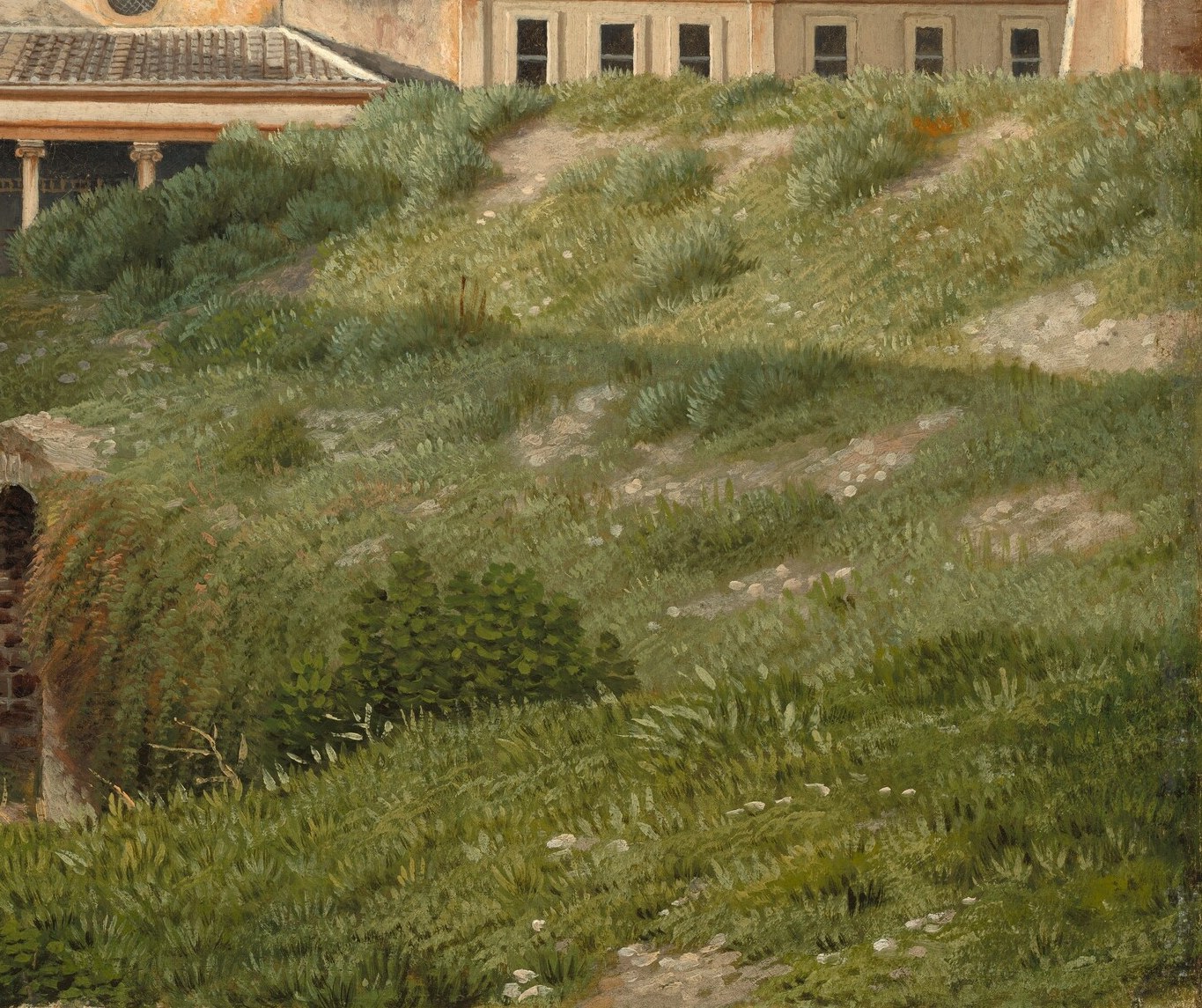
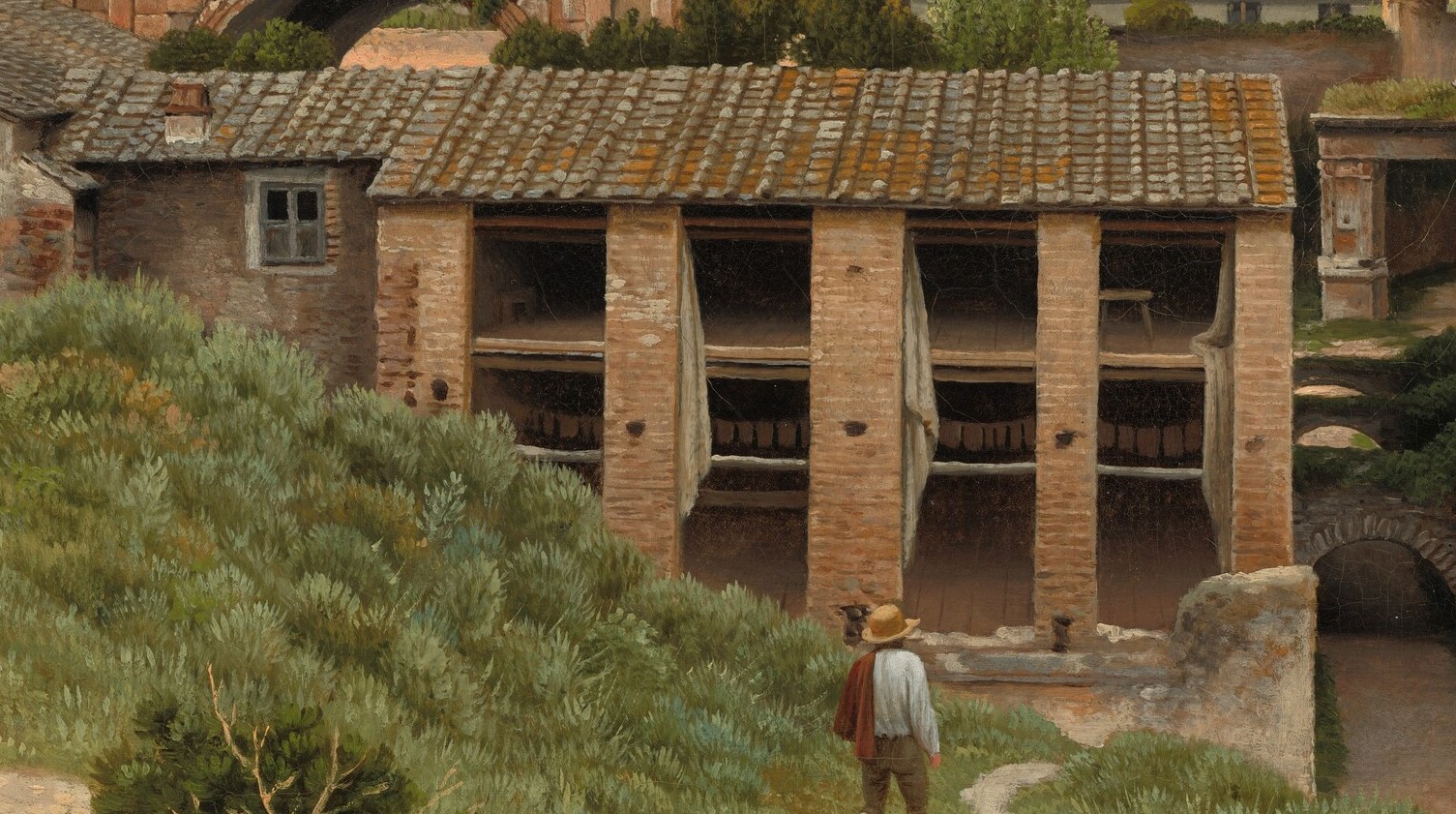
Notice how the artist creates a stunning illusion of depth. The wild grasses in the foreground are rendered with incredible clarity, each blade distinct. This sharp detail draws the viewer's eye, making the texture almost tangible.
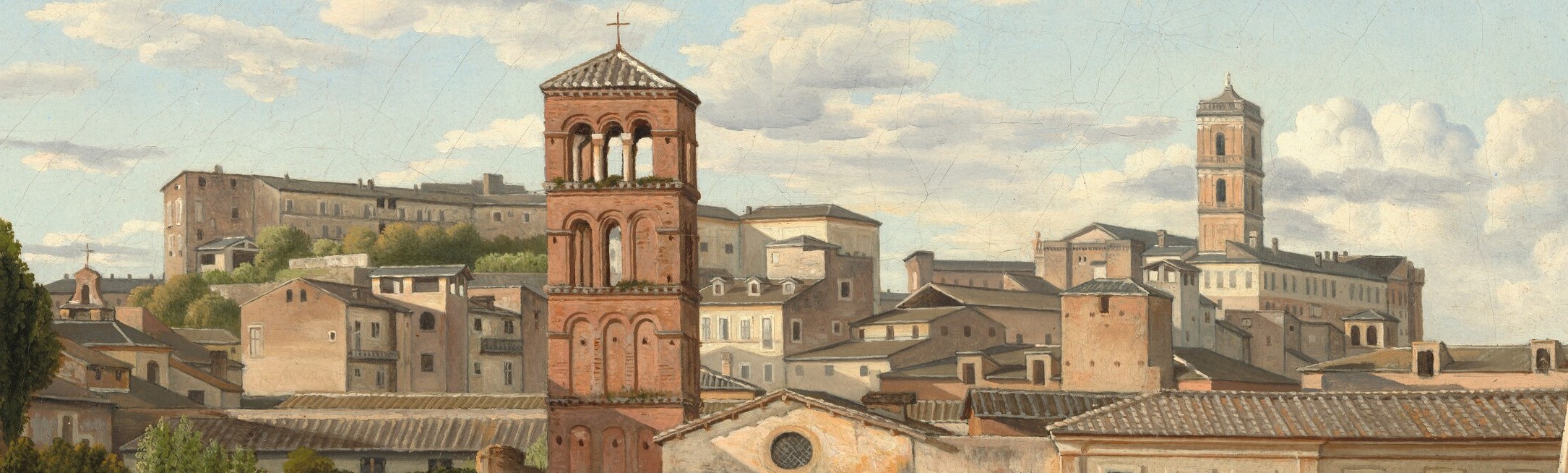
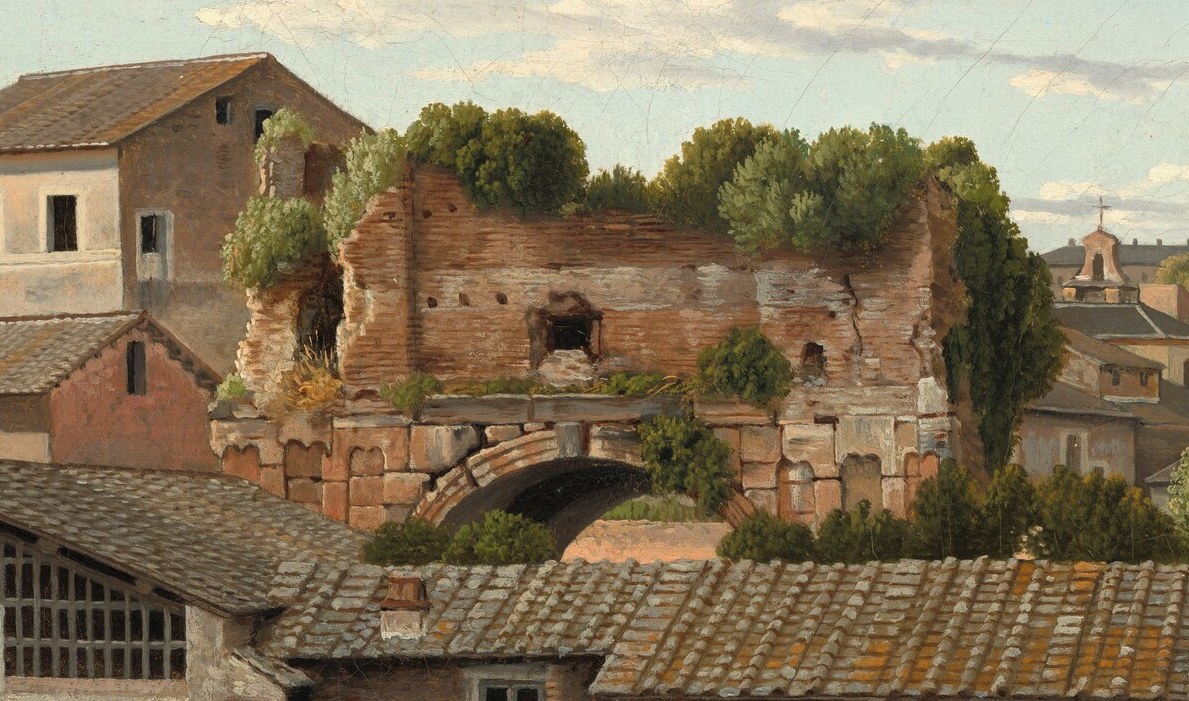
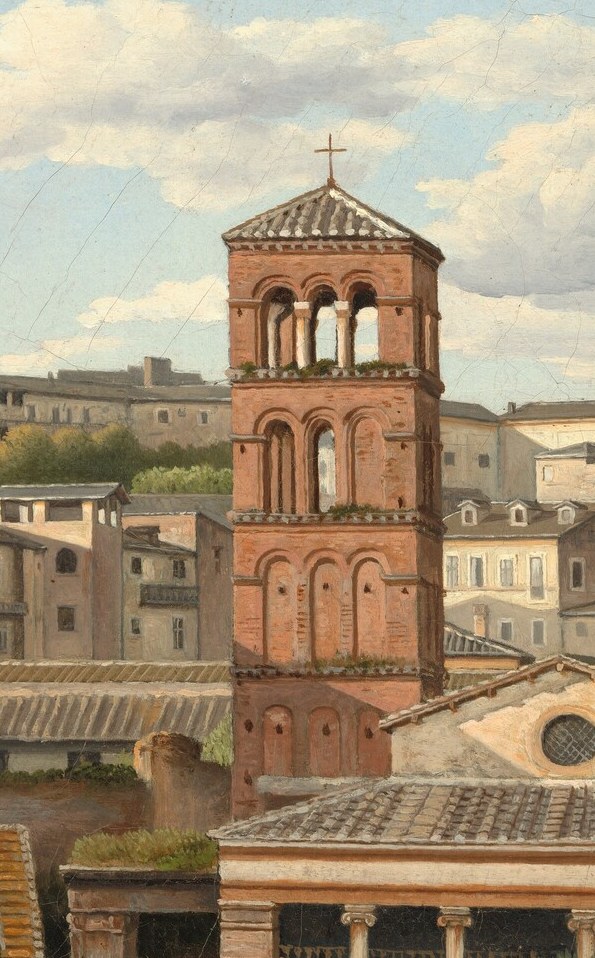
As your gaze moves towards the distant city on the hilltop, the buildings become softer, their forms less defined. This technique, known as atmospheric perspective, mimics how our eyes perceive objects fading into the distance due to air and atmosphere. Eckersberg masterfully employs this to make the ancient Roman structures feel integrated into a contemporary, lived environment. He truly paints what the eye sees.
Eckersberg created this work during his travels in Rome, a crucial part of an artist's education at the time. His observational approach, a hallmark of the Biedermeier movement, transforms a historical site into an intimate, realistic scene. What details do you notice most clearly in the foreground?
Details
Transcript
This painter was obsessed with light, and how we see it. Look at the sunlight catching these wild grasses in front. Every blade is painted with incredible, individual detail. Now lift your eyes to the old city on the hill. Its buildings are softened, almost blurry. This is atmospheric perspective, making distant things fade. He renders each element as your eye would really perceive it.