John Barker (1707–1787) by Joshua Reynolds
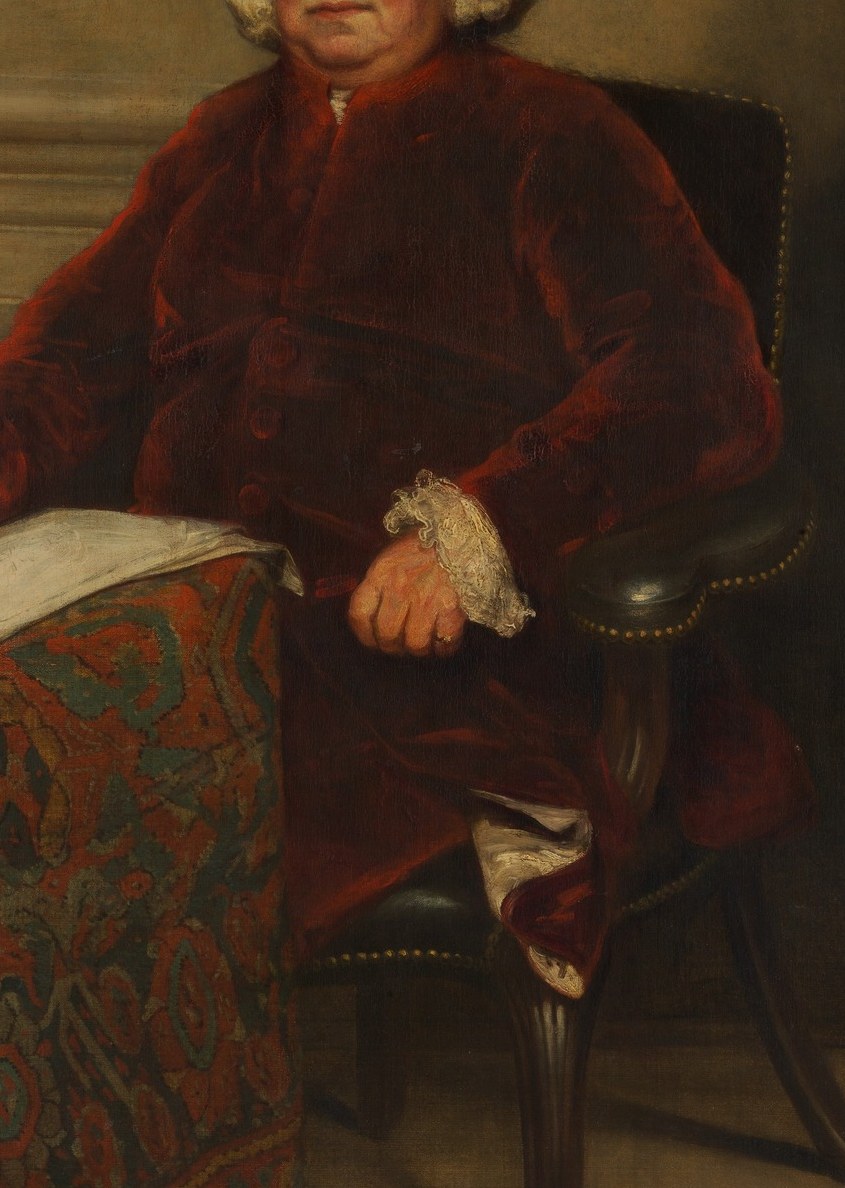
Sir Joshua Reynolds's portrait of John Barker, painted in 1786 and held at The Metropolitan Museum of Art, exemplifies the "Grand Style" that made Reynolds a leading English portraitist of the 18th century.
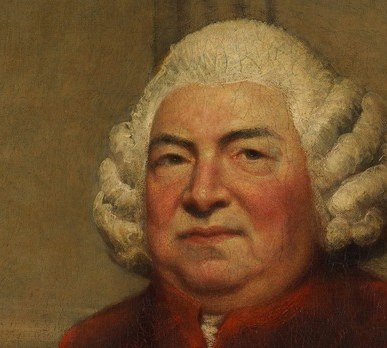
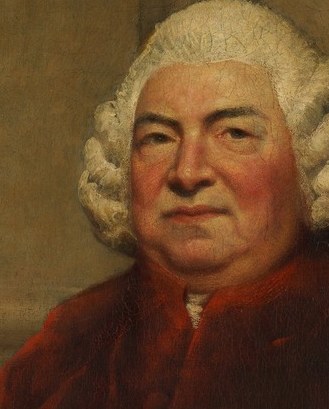
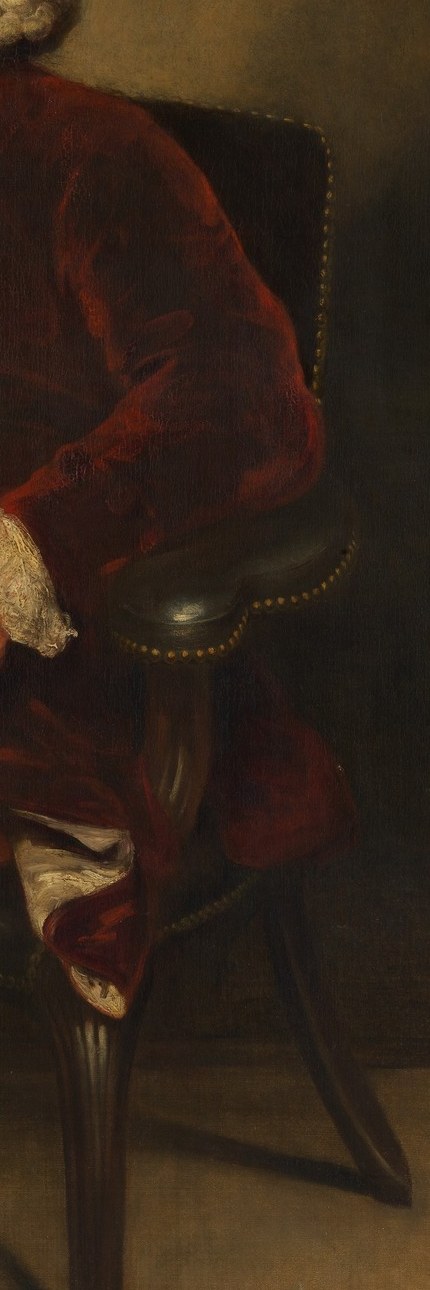
Observe Barker's rich red velvet coat and his elaborately powdered white wig. These were clear visual markers of status and wealth in the late 18th century, carefully chosen to convey dignity and importance.
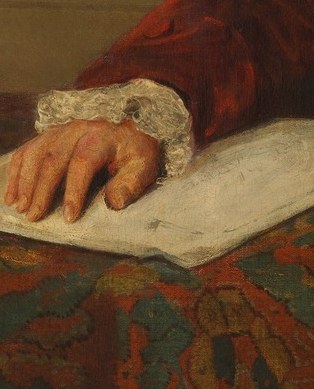
Reynolds, who was knighted by King George III and served as the first president of the Royal Academy of Arts, masterfully used details like the paper in Barker's hand to hint at his subject's intellectual or business pursuits. His technique elevated mere likeness to an idealized presentation.
What other subtle details do you notice that speak to Barker's standing?
Details
Transcript
This gentleman, painted in 1786, was John Barker. His red velvet coat shows his wealth and importance. The elaborate powdered wig was a key symbol of status. His left hand holds a paper, suggesting business or intellect. The artist, Joshua Reynolds, was knighted by King George III. He was the first president of the Royal Academy of Arts. Reynolds made Barker look dignified, using his "Grand Style."