Wheat Field with Cypresses by Vincent van Gogh
Vincent van Gogh painted Wheat Field with Cypresses in June 1889, exactly 135 years ago this month, while he was a voluntary patient at the asylum of Saint-Paul-de-Mausole in Saint-Rémy-de-Provence. He had a view of this field from his window and walked out to paint it at the easel. It now hangs in the Metropolitan Museum of Art in New York.
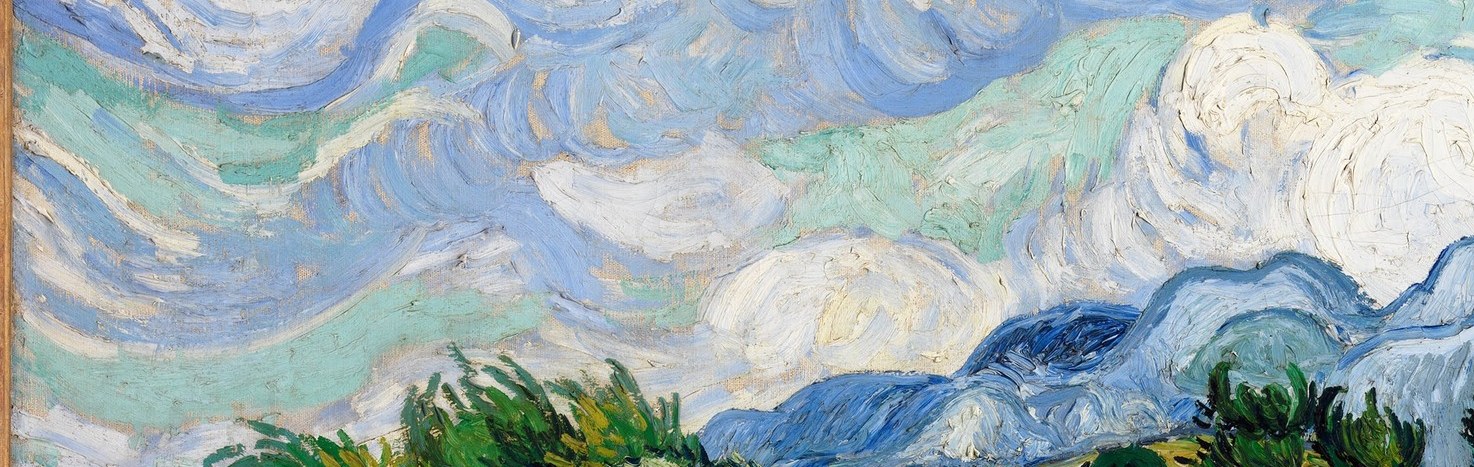
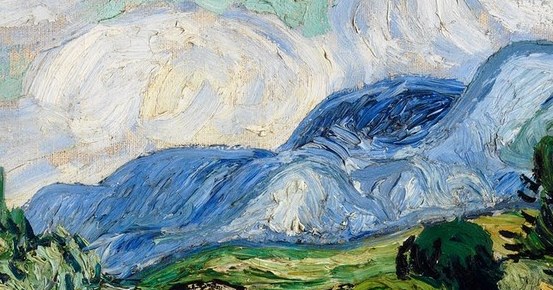
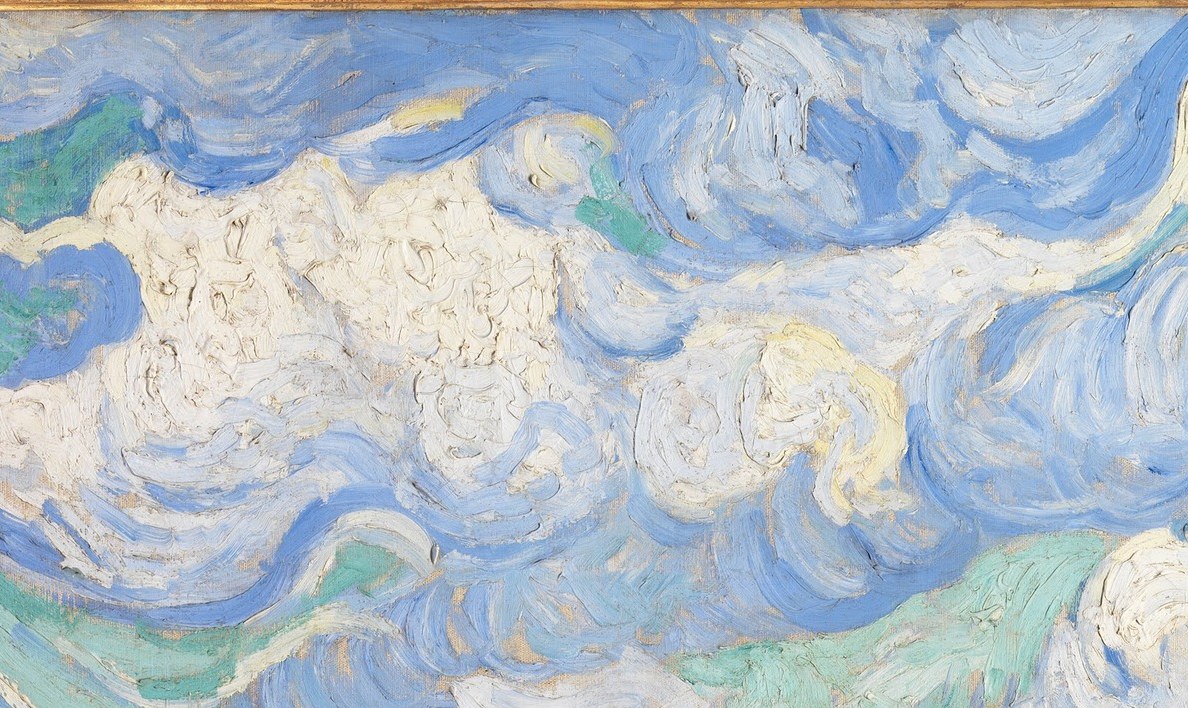
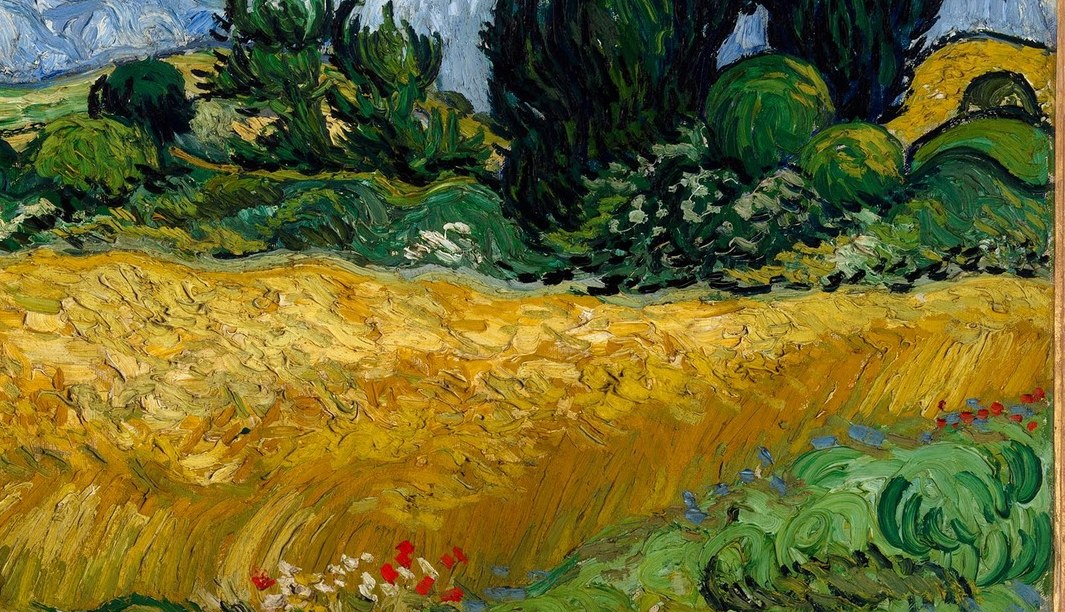
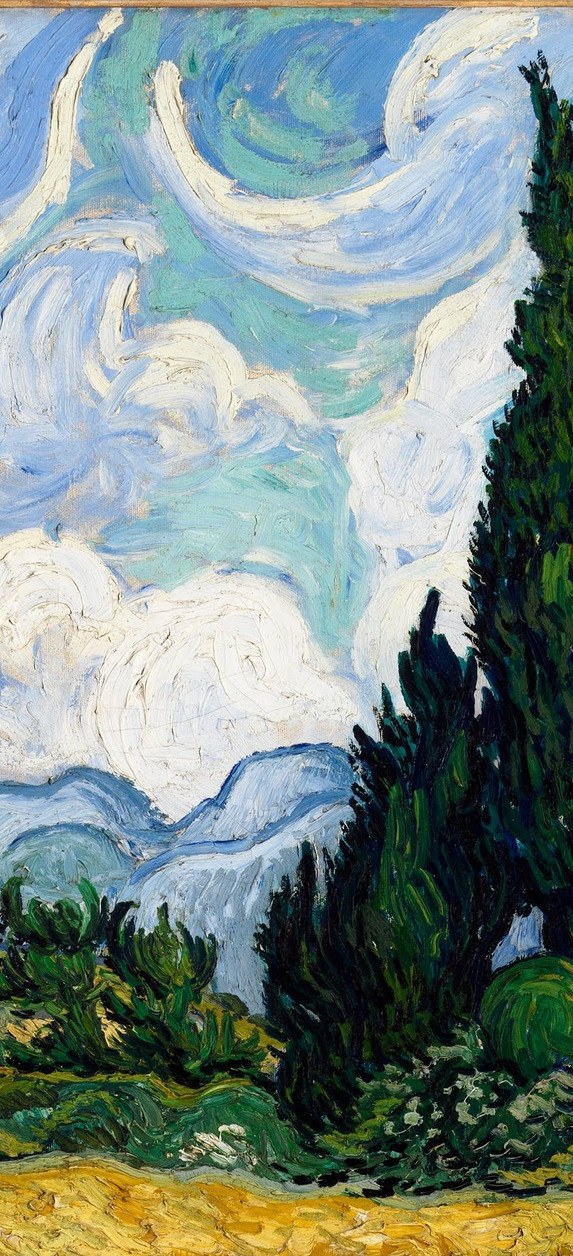
Look at the way the wheat, the hills and the cloud are all moving in the same direction. Van Gogh made the wind visible by using the same loaded, curving brushstrokes across earth and sky. The cypress at the right was already there in the real field, you can still find this exact view outside Saint-Rémy today, but he pushes it up like a dark flame against the light, giving the whole landscape an almost spiritual axis.
He wrote to his brother Theo that the cypresses "always occupy my thoughts." He painted this specific view three times that summer, in two versions now in London and New York and a smaller study in a private collection. He considered this the finest of the three, and he was right. It is the one where the wheat is thick enough to feel, where the sky churns without feeling frantic, where discipline and intensity hold the same brushstroke.
The man holding the brush was 36, broke, and had one solo sale in his lifetime. Twelve months later he was dead. The painting that looked out from the asylum window now stops people on the other side of the Atlantic, every single day.
Details
Transcript
Summer, 1889. A voluntary patient looks out from the asylum. The view was real. Wheat, olive trees, the distant Alpilles. A small farmhouse proves this was still a working landscape. But the sky turns real weather into something else entirely. Wind leans the wheat and swirls the clouds with the same rhythm. The cypress was already there. For him it meant eternity. He painted this view three times. He knew it was his best work.