Farm in a wooded dune landscape by Jacob van Ruisdael
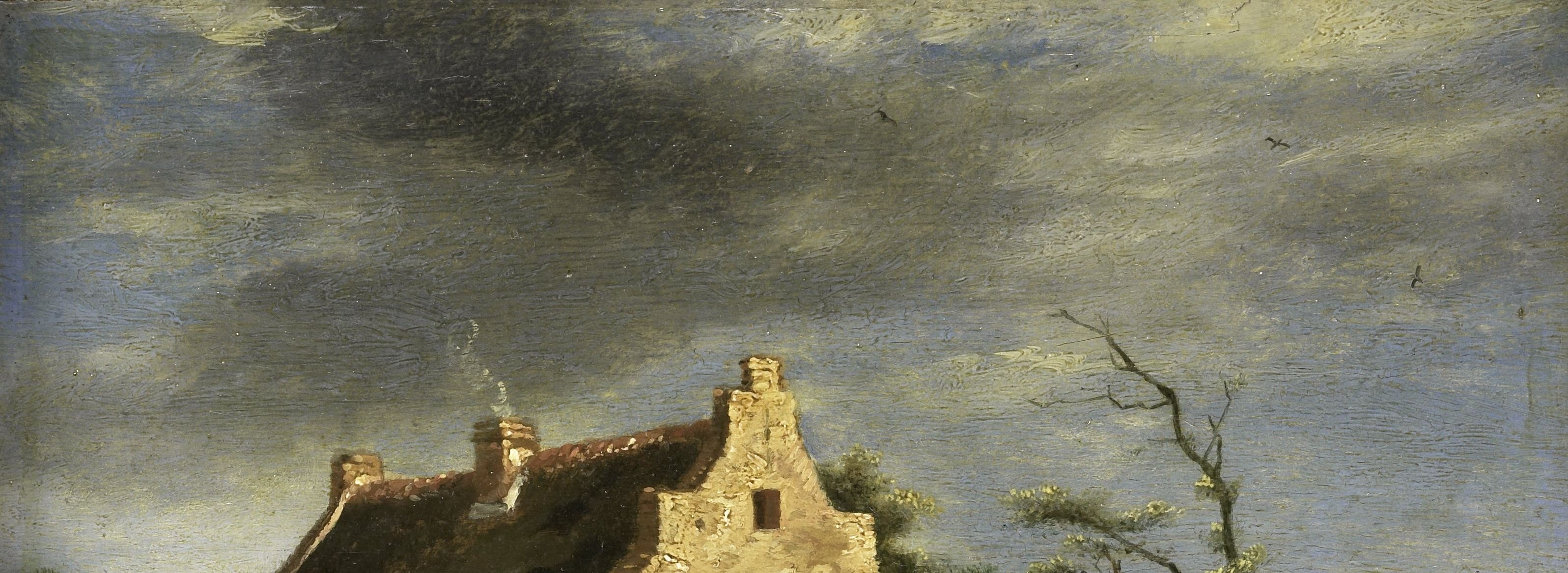
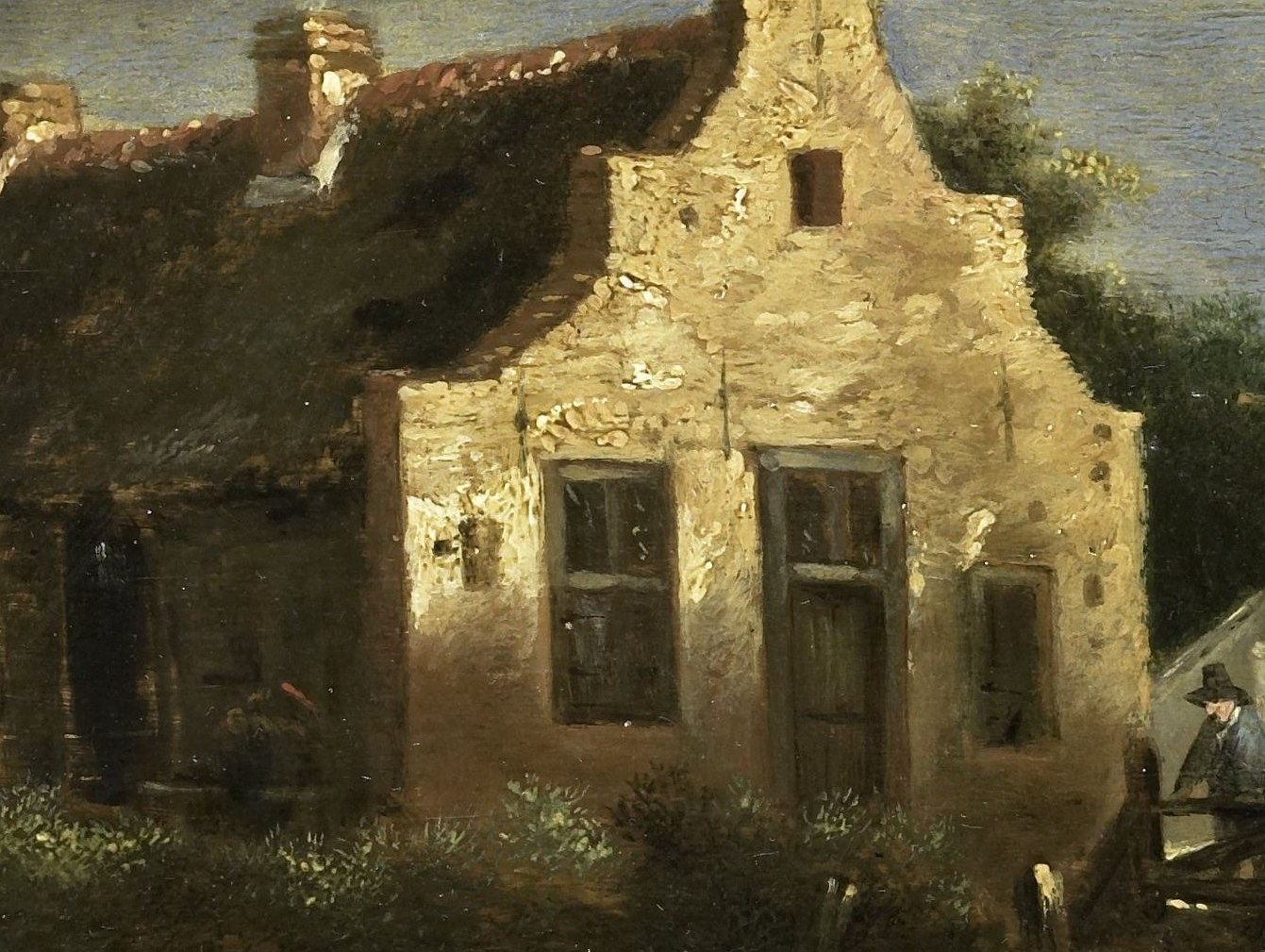
Jacob van Ruisdael's "Farm in a wooded dune landscape," painted in 1680, is a masterful example of Dutch Golden Age landscape painting, held in the Rijksmuseum. It's easy to get lost in the dramatic cloudy sky and the rustic charm of the farmhouse, but a closer look reveals hidden depths.
Take a moment to explore the details. The gentle curl of smoke from the chimney suggests life within the humble dwelling, while a seated figure with a dog under a small shelter offers a quiet moment of companionship. But did you spot the tiny, almost imperceptible figure in the distant dunes on the far right?
Ruisdael, a leading landscape artist of his time, often integrated these subtle human elements into his expansive natural scenes, reminding us of humanity's quiet place within the grandeur of nature. This painting reflects the period's fascination with the Dutch countryside's varied terrain.
What other small details do you notice that add to the painting's tranquil mood?
Details
Transcript
This quiet scene depicts a Dutch farmhouse in 1680. The painter was known for his atmospheric skies. Notice the subtle wisp of smoke from the chimney. Beneath a shelter, a lone figure sits with a dog. But look closely at the far right background. A tiny figure is just visible among the dunes.