Anne Fairchild Bowler (Mrs. Metcalf Bowler) by Copley, John Singleton
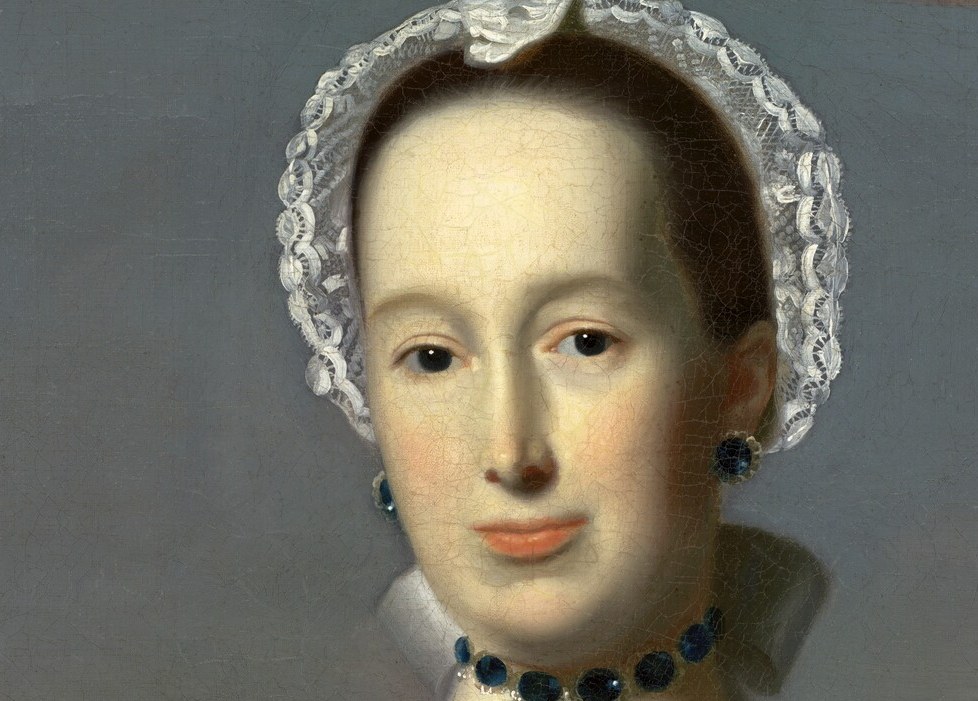
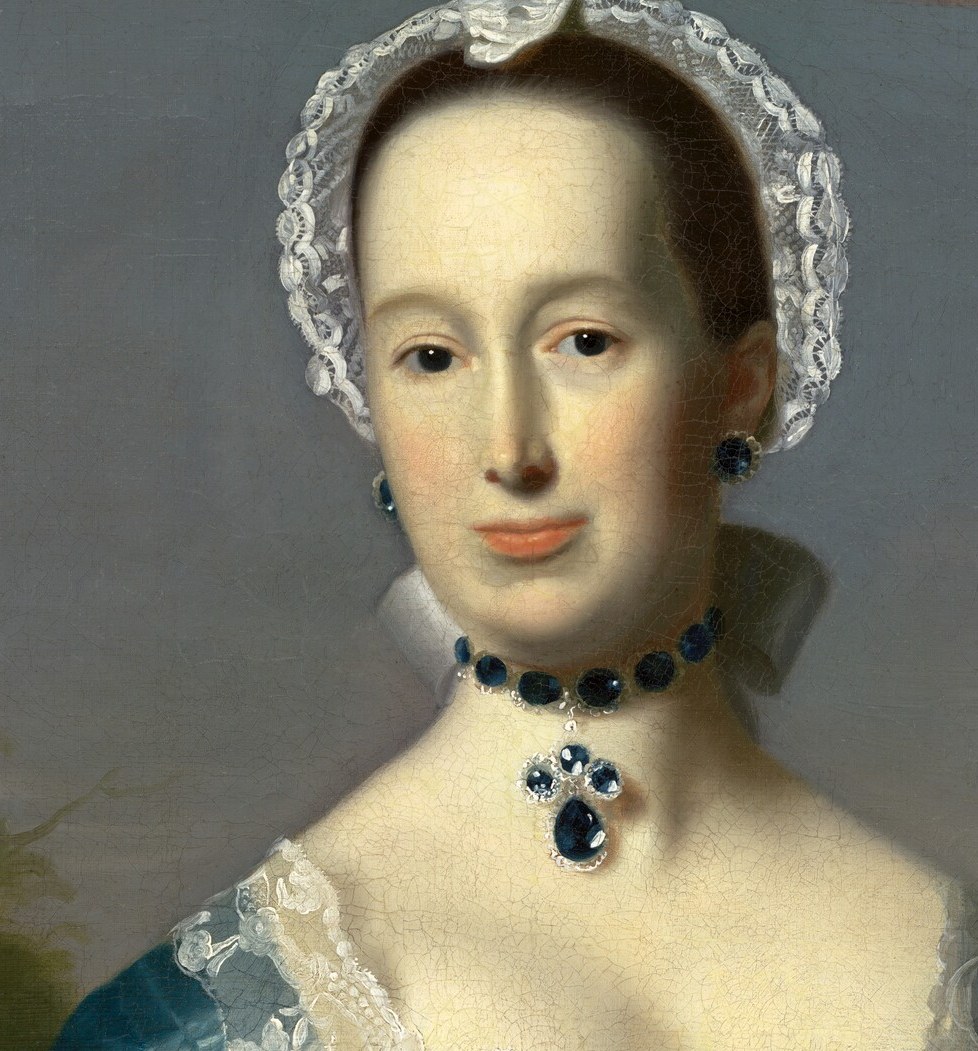
In this 1763 portrait by John Singleton Copley, Anne Fairchild Bowler is depicted with the quiet dignity characteristic of colonial American society. Now housed in a prominent museum collection, it exemplifies Copley's mastery of detail.
While her pearls and sapphire necklace immediately signal her status, a closer look at her left hand reveals a tiny ring. This subtle detail, almost lost in the folds of her rich blue silk gown, held significant meaning.
The ring, though small, was a clear symbol of her married status, an important aspect of a woman's identity and standing in the 18th century. Copley, an American master before his move to England, often used such precise observations to convey the character and social context of his patrons.
It's a reminder that even the smallest details in a painting can carry a world of meaning. What other subtle symbols might Copley have included?
Details
Transcript
This woman, Anne Fairchild Bowler, was painted in 1763. Her portrait shows her wealth, in pearls and a sapphire necklace. The painter was known for capturing rich textures like her lace cap. But look closely at her left hand. A small ring almost disappears against her silk dress. It symbolizes her marriage, a status of quiet confidence.