Charles IX (1550–1574), King of France by http://www.wikidata.org/.well-known/genid/21d4ec508ed712d5e4926c65aa4b6e91
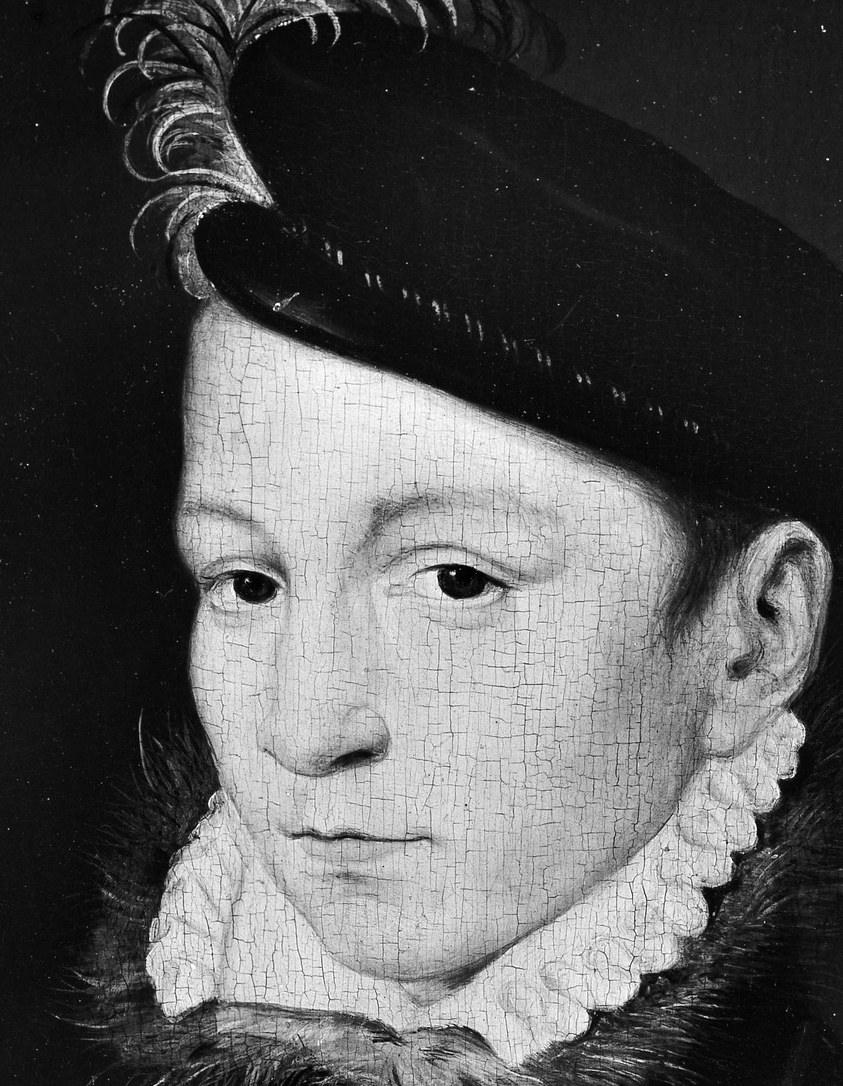
This is a portrait of Charles IX, King of France, painted in 1561 when he was just eleven years old. It hangs today as a record of a boy monarch whose reign would be forever marked by the St. Bartholomew's Day Massacre.
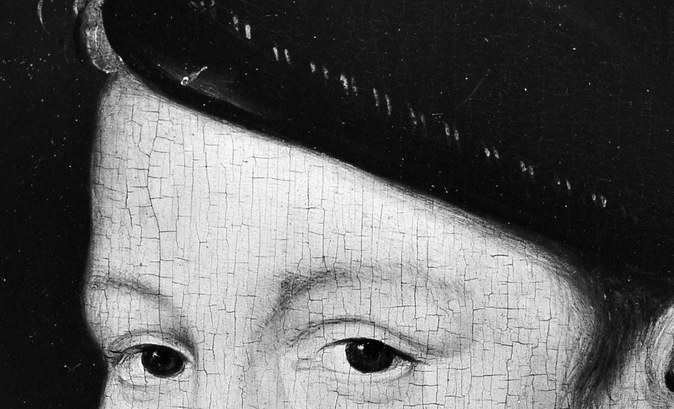
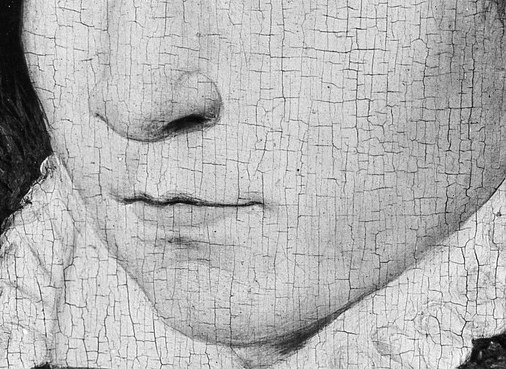
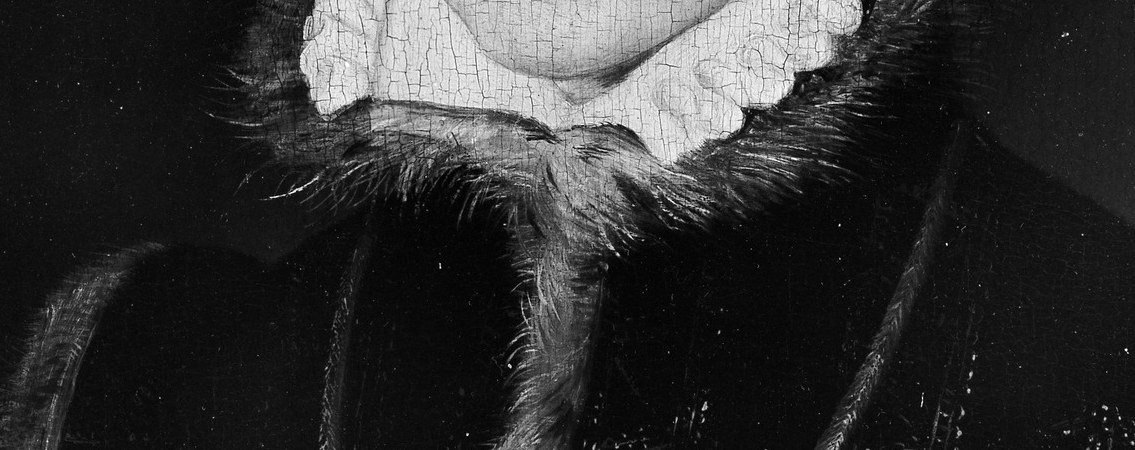
Look first at the face. The gaze is direct, but it is a mask of command learned early. The mouth is set, the eyes leveled without warmth. This is not a child looking back at you; it is a king performing kingship. The huge white ruff and dark doublet are precisely dateable markers of early 1560s French court dress.
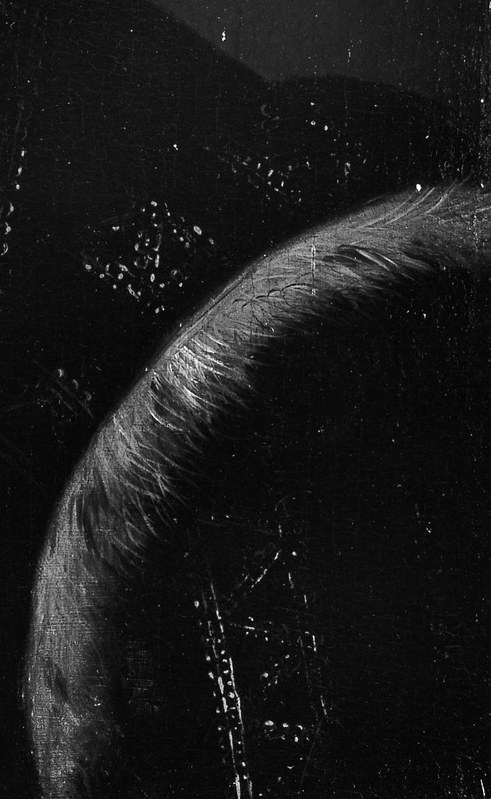
Then let your eye drift to the lower right corner. Most viewers scroll past it. There, half dissolved in shadow, is a circular form. Look closer: it is a gloved hand resting on the orb of sovereignty. The orb, meant to represent the monarch's God-given dominion, was painted here before Charles IX truly held any power. The painter invested the boy with the symbolic weight of a rule not yet his own.
Charles inherited a kingdom on the edge of civil war between Catholics and Protestants. His mother, Catherine de' Medici, governed through him. In 1572, thousands of Huguenots were slaughtered in Paris under the shadow of his crown. This portrait, carried out a decade earlier, captures only the anticipation of authority; the heavy orb in the darkness suggests the cost of it.
Details
Transcript
A young king, dressed for a throne he barely knows. His eyes are level, trained into the royal mask. 1561. Charles IX is eleven years old. His reign will be stained by a massacre he cannot stop. Now look at the lower right corner. A circular form, half in shadow: a gloved hand resting on an orb. The orb of sovereignty, painted before the boy ever held it.