Thetis Receiving the Weapons of Achilles from Hephaestus by Anthony van Dyck
In Anthony van Dyck's "Thetis Receiving the Weapons of Achilles from Hephaestus" (c. 1630, Kunsthistorisches Museum), the sea goddess pleads with the god of the forge for her son's new armor. This dramatic scene from Homer's Iliad captures a pivotal moment before Achilles's return to battle.
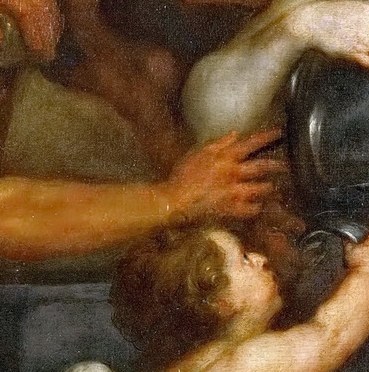
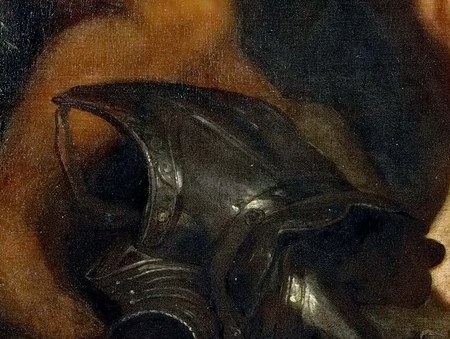
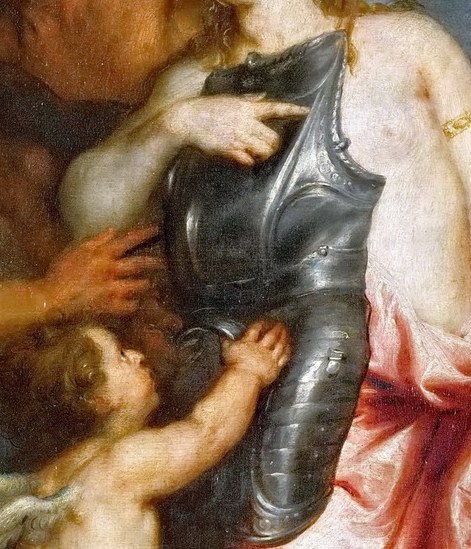
Look at the sheer power in Hephaestus's straining arm as he crafts divine weapons. Notice Thetis's outstretched hand, a gesture of desperate appeal. In the foreground, a fallen helmet contrasts with the gleaming new breastplate, hinting at past losses.
Van Dyck, a master of Baroque drama, painted this shortly before it was acquired by Archduke Leopold Wilhelm of Austria, a devoted art collector. The stormy sky above amplifies the scene's tension.
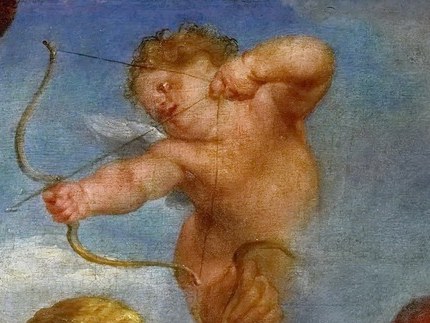
The smallest figures, like Cupid aiming his bow, carry profound symbolic weight, suggesting the predetermined fate that awaits Achilles.
Details
Transcript
Thetis asks for her son's new weapons. Hephaestus's powerful arm strains with the forging. She reaches for the armor, securing his destiny. A cherub aims his bow, symbolizing fate. A discarded helmet lies in the foreground. Van Dyck painted this in 1630 for Archduke Leopold Wilhelm.