John Sudam by Vanderlyn, John
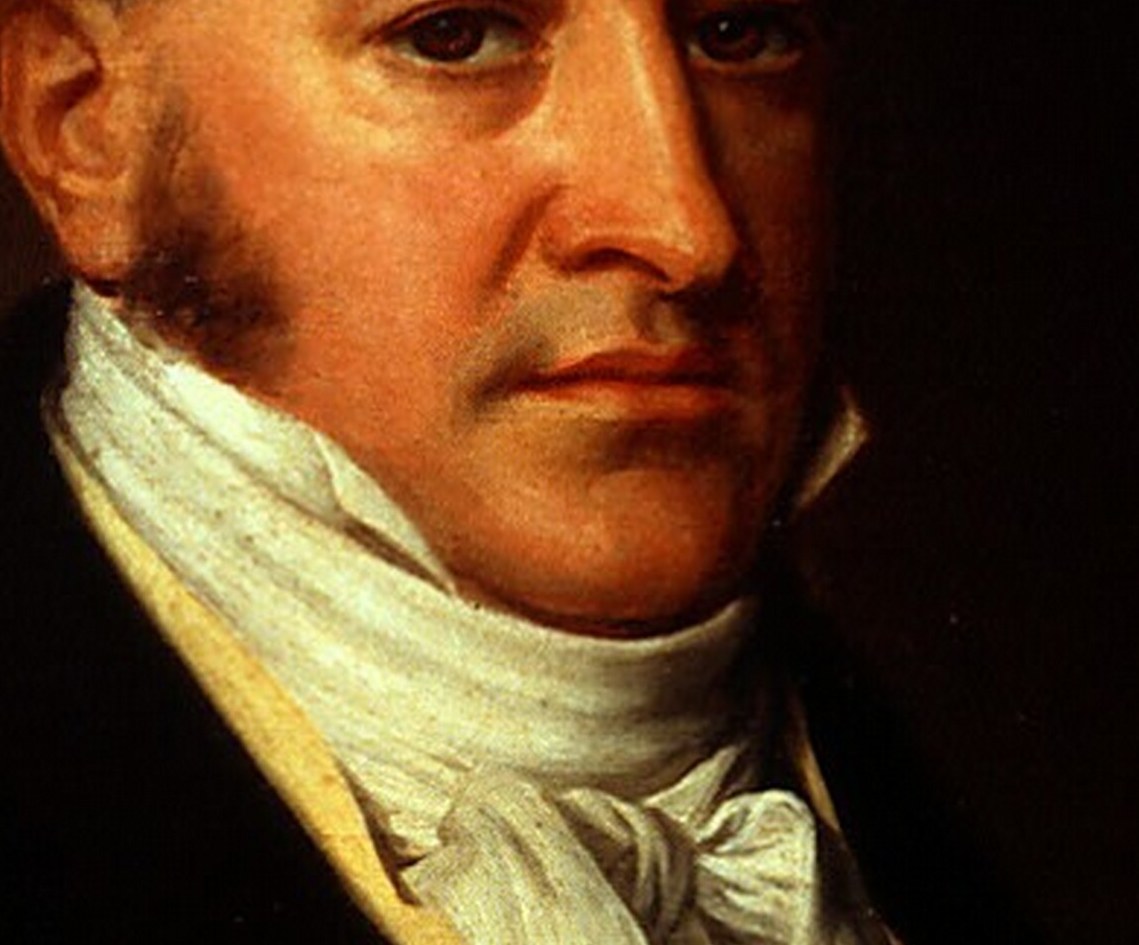
John Vanderlyn's "John Sudam," painted in 1830, captures a profound sense of inner life and composure. This oil on canvas portrait is a striking example of the artist's ability to convey character through subtle yet powerful means.
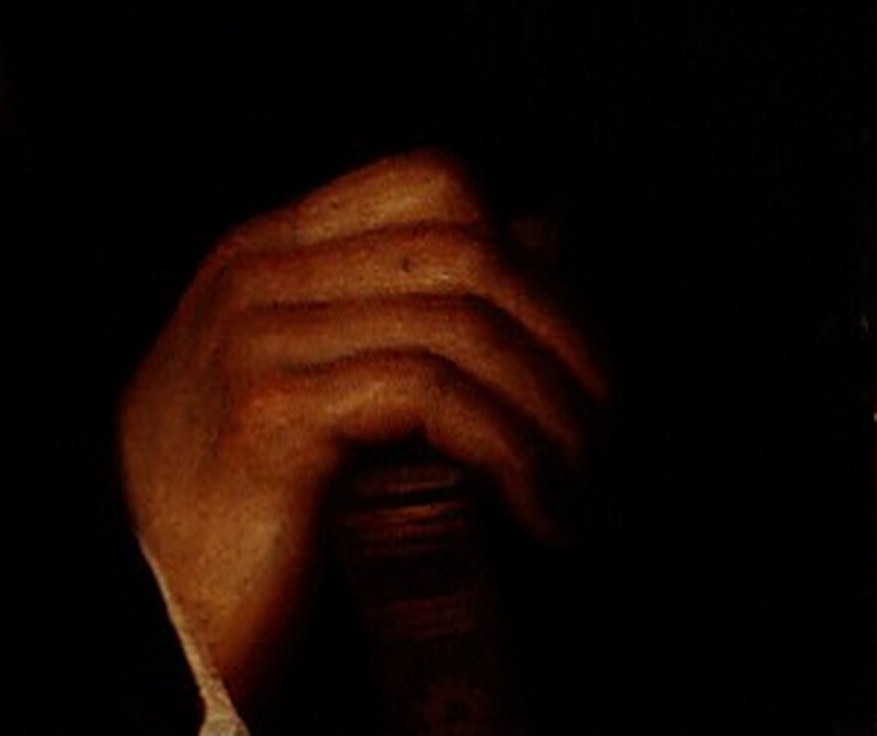
Observe the sitter's solemn expression and the delicate rendering of his hand. The artist's use of chiaroscuro draws attention to his facial features, creating a compelling connection with the viewer.
Vanderlyn, an American artist active in New York during his mature period, completed this work at a time of significant change. His portraits often explored the psychology of his subjects, making them more than just likenesses, but insights into their souls.
The painting invites us to ponder the thoughts and feelings of individuals in a bygone era, reflecting a universal human experience. What do his eyes tell you?
Details

Transcript
This portrait was painted in 1830, when many faced uncertainty. The artist, John Vanderlyn, captured his sitter's quiet gravitas. Look closely at his eyes; they seem to hold a secret. The dramatic lighting emphasizes his contemplative expression. His hand, delicately painted, suggests a man of refined composure. Vanderlyn's skill reveals the sitter's inner world through paint.