After the Rain by Rousseau, Théodore
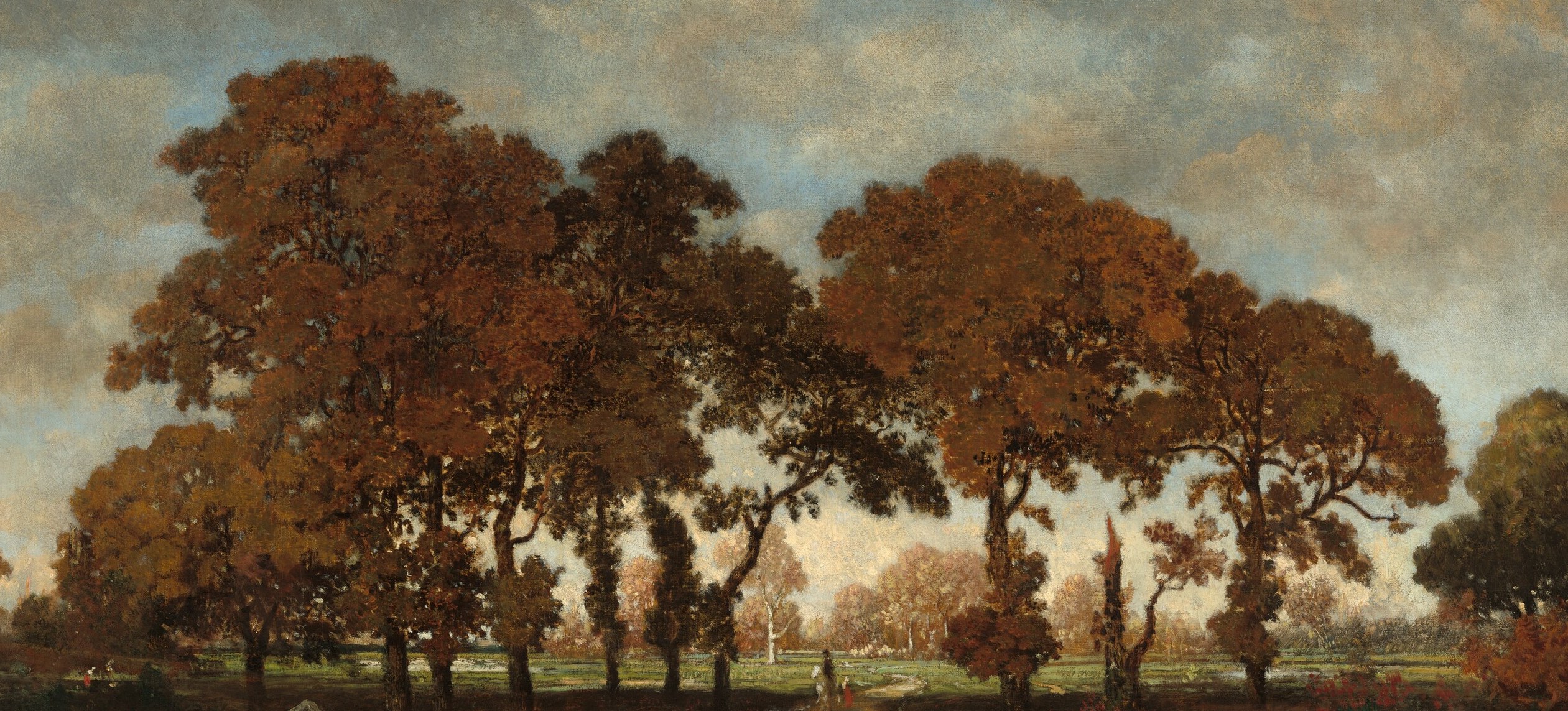
Théodore Rousseau’s “After the Rain,” painted around 1850, is a masterful oil on canvas found in private collections. This work perfectly captures the subtle, fleeting moment of stillness following a summer shower, a signature of the Barbizon school where Rousseau was a key figure.
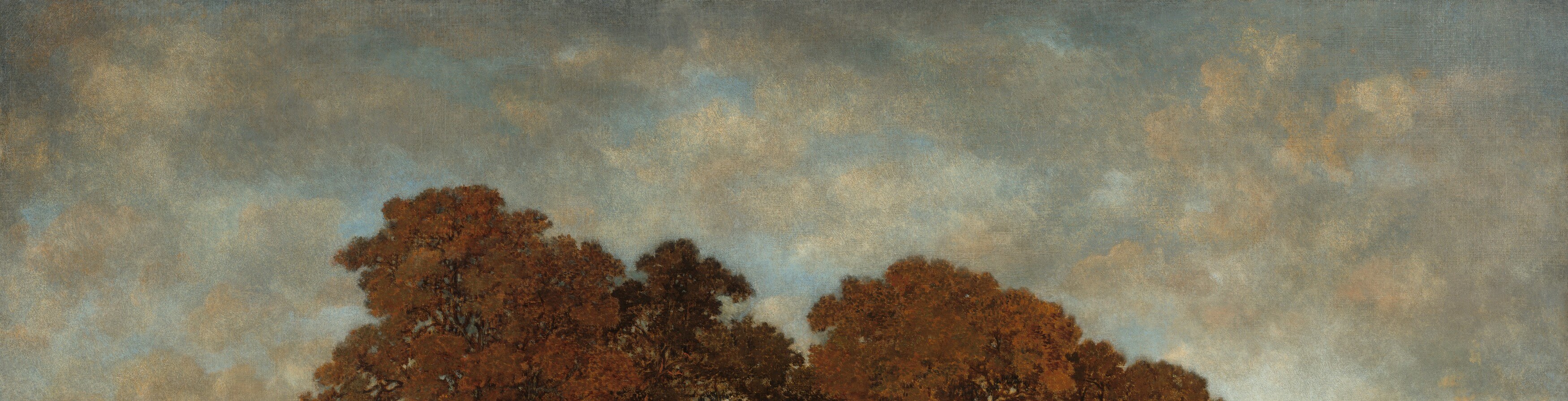
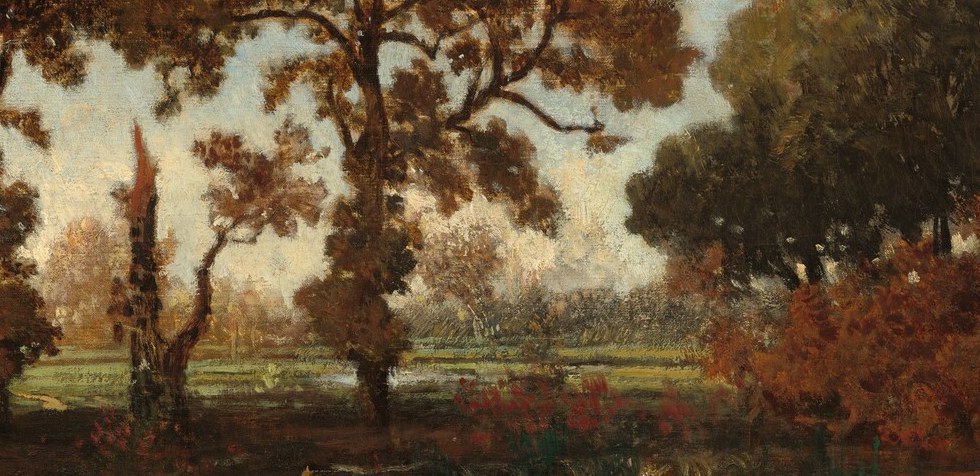
Notice the heavy, cloud-filled sky, rendered with delicate, layered washes that convey the lingering dampness in the air. This atmospheric effect is mirrored in the dark, reflective ground, where subtle tonal variations bring the texture of the earth and foliage to life.
Rousseau was known for his direct observation of the French countryside, focusing on the quiet resilience and beauty of nature. This painting is a testament to his ability to transform simple landscapes into profound statements about the natural world.
What other details do you see that tell the story of a recent rain?
Details

Transcript
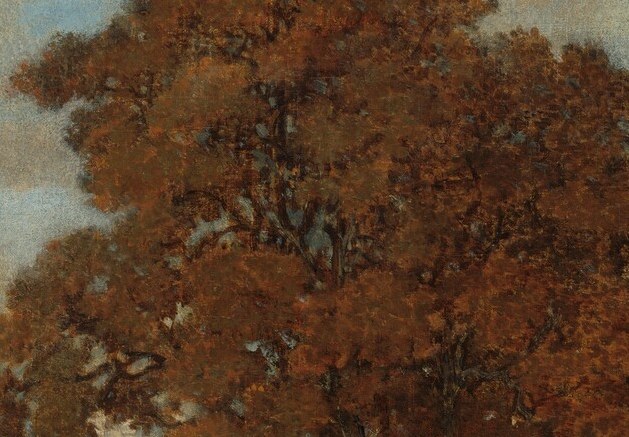
This painter specialized in capturing fleeting moments in nature. Look at the sky, still heavy with moisture after the rain. He built these clouds with thin washes, one layer over another. That same damp air reflects in the ground, dark and still. He captures the quiet resilience of nature after a storm. Every leaf and branch seems to absorb the lingering moisture.