George Washington by Gilbert Stuart
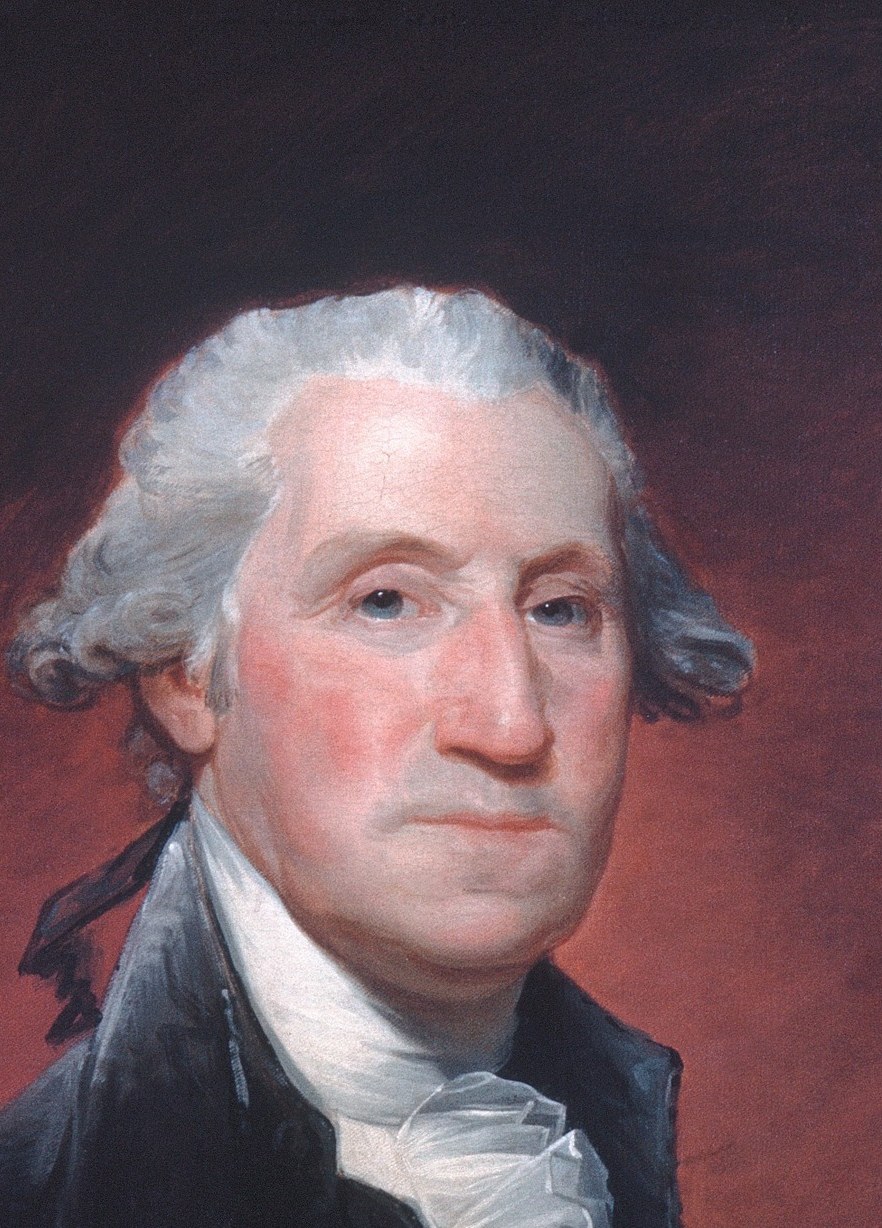
This is Gilbert Stuart's portrait of George Washington, painted around 1798-1800. It is one of the truest visual records of the first president in his final years, because it documents something no earlier portrait could: the physical toll of his dental prosthetics, written directly into the shape of his face.
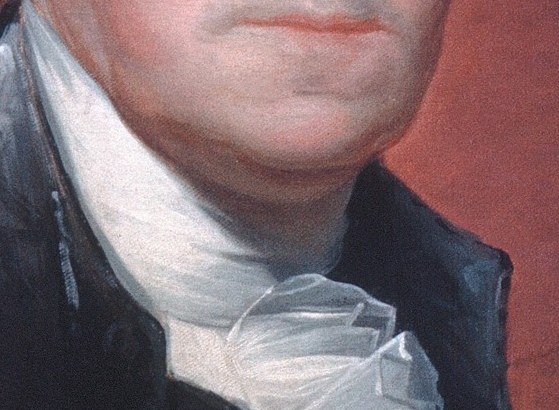
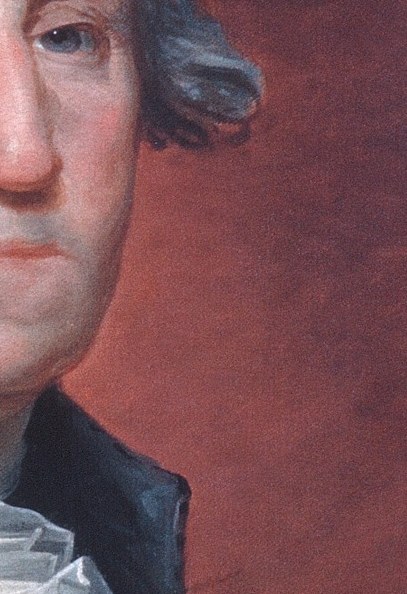
Look at the compressed mouth and the puffed, asymmetric jaw. Washington's dentures were made from ivory, human teeth, and metal springs. They were painful, bulky, and ill-fitting. The taut jaw muscles and the slight swelling around the cheeks are a physiological signature, an accidental record of his private suffering, captured by a painter who sat with him for hours.
Stuart created this work from life, and he retained the original (the unfinished Athenaeum Portrait) to produce dozens of commissioned copies. His studio practice means many versions exist, but the facial structure remains consistent: the same tight mouth, the same asymmetric lower cheeks. These details have since become a quiet biometric, helping experts distinguish Stuart's authentic life studies from later copies.
In an era before photography, this painting is as close as we come to seeing Washington as he actually was, not just an icon, but a man in constant pain who refused to let it show.
Details
Transcript
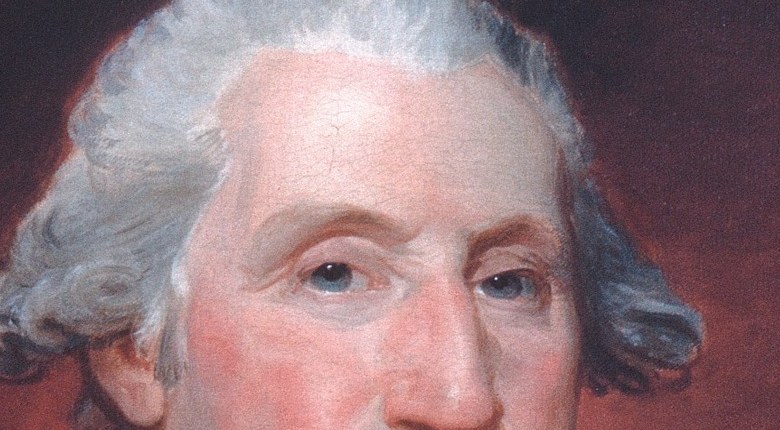
Gilbert Stuart sat with Washington dozens of times. He was the only painter Washington truly trusted. Stuart said he had to capture the eyes first to believe the rest. Now look at the jaw, compressed, puffed. Washington's dentures were ivory and bone. They reshaped his face. Every Stuart Washington shares this same asymmetric swelling. It is an accidental biometric, the real mark of his suffering.