Portrait of King Charles II of England by Philippe de Champaigne
View the artwork: Portrait of King Charles II of England →
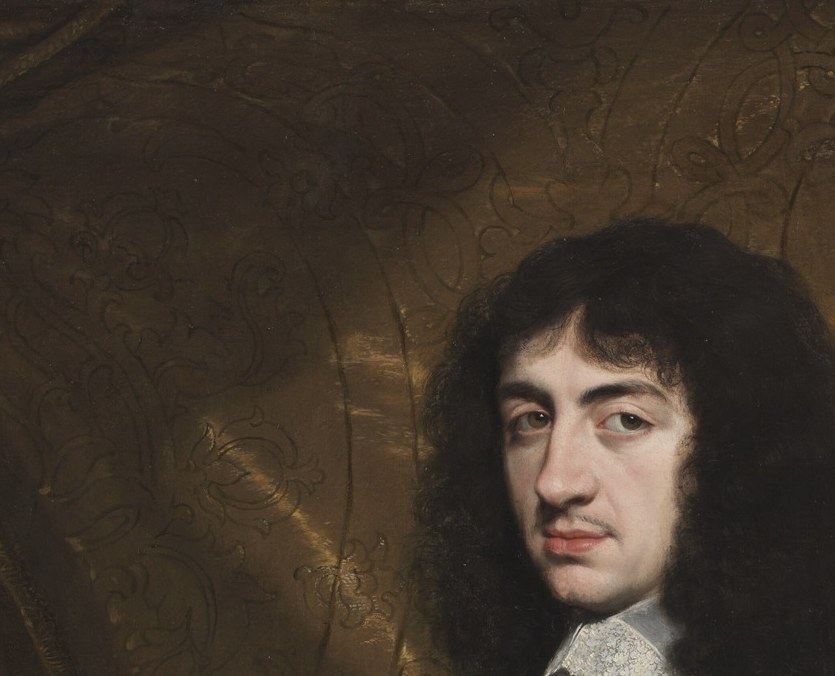
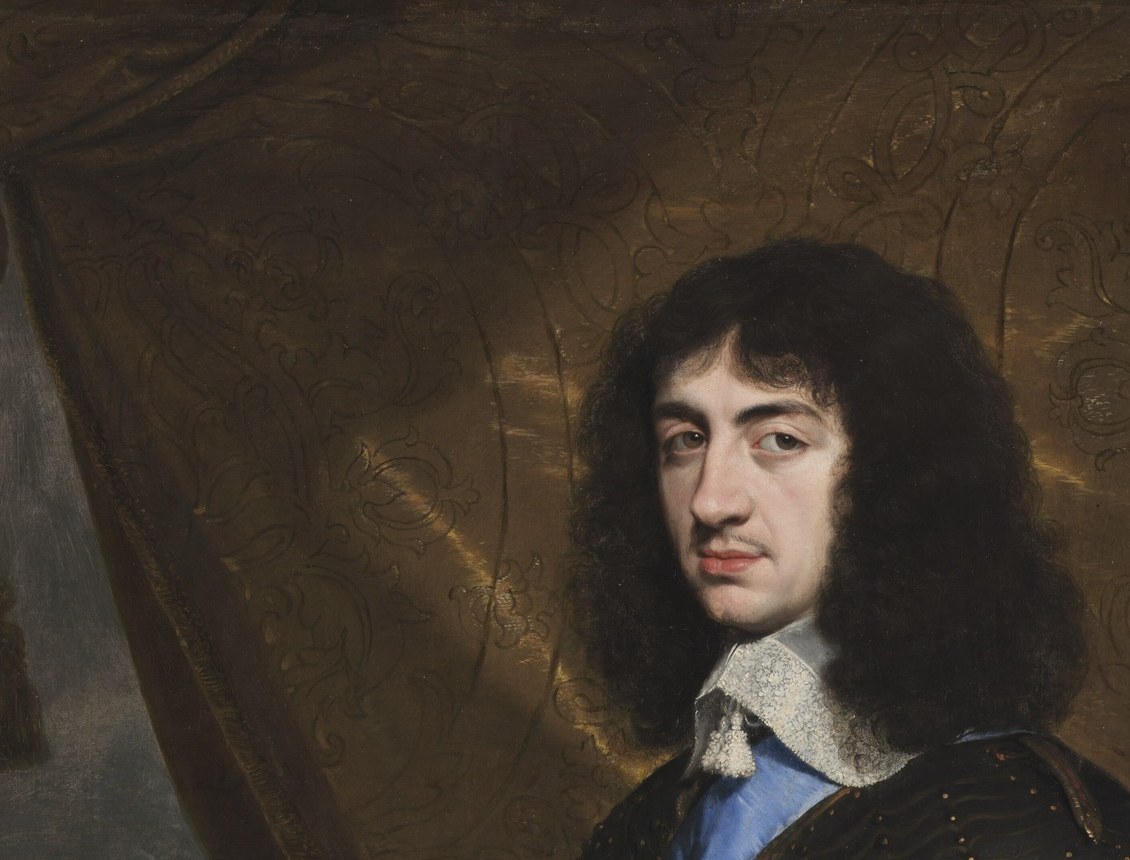
Philippe de Champaigne's portrait of Charles II, painted in 1653 and now at the Cleveland Museum of Art, is a piece of royalist propaganda made concrete. The English king had been living in French exile for two years, surviving on a pension from his young cousin Louis XIV, when he commissioned this image as a promise of return.
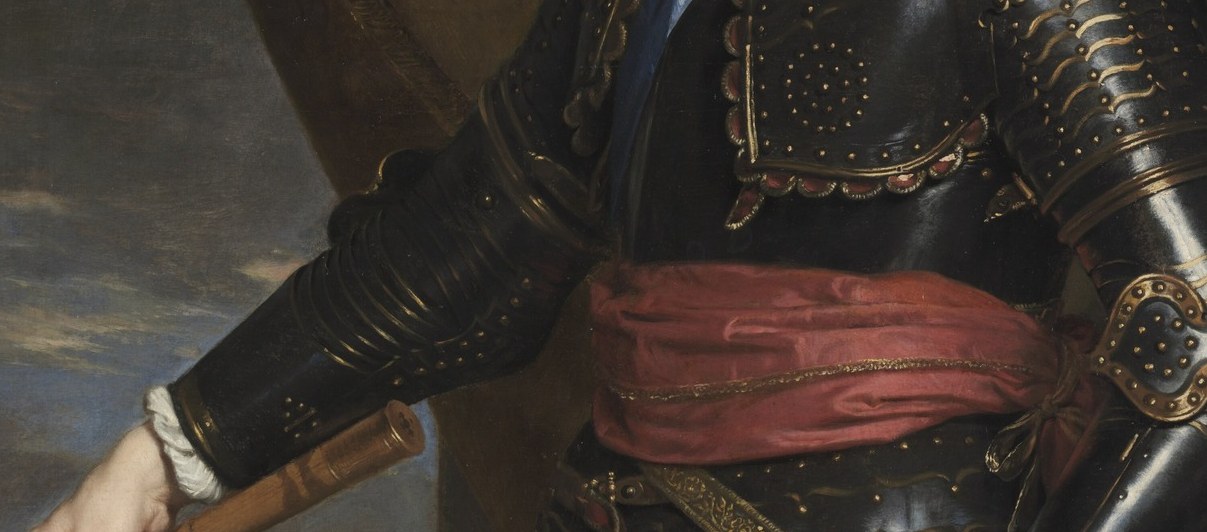
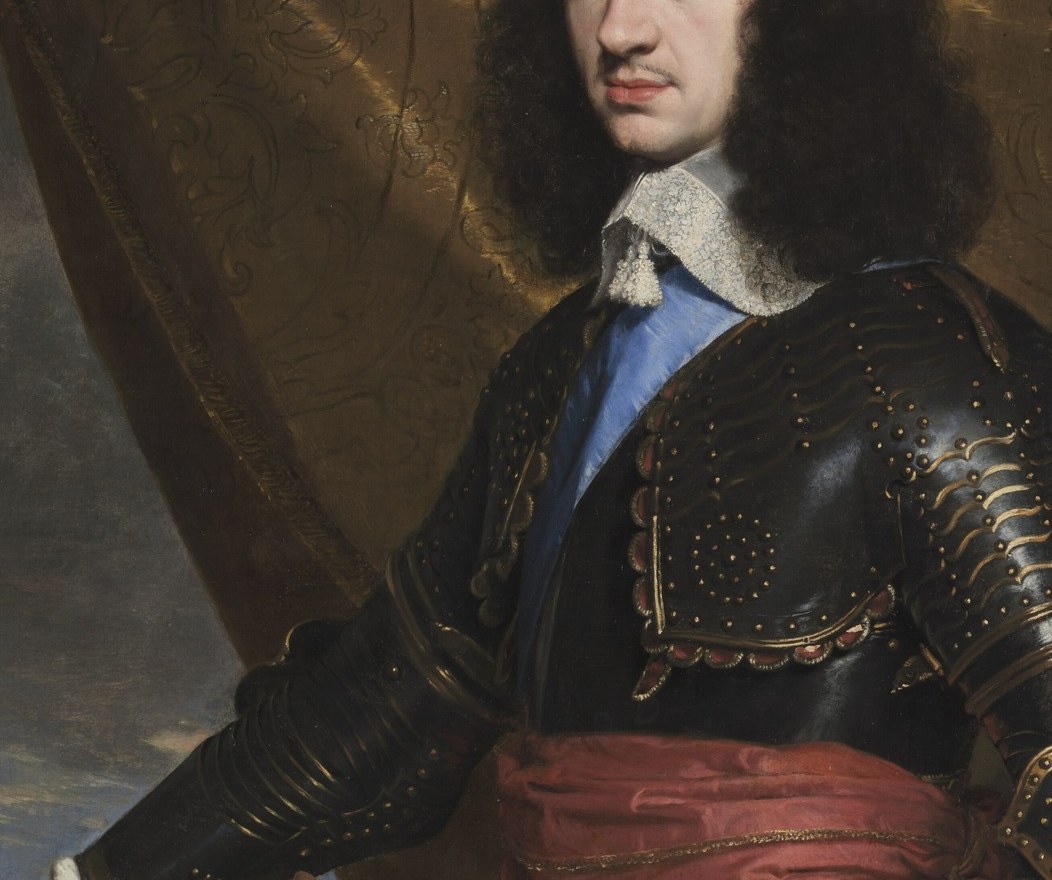
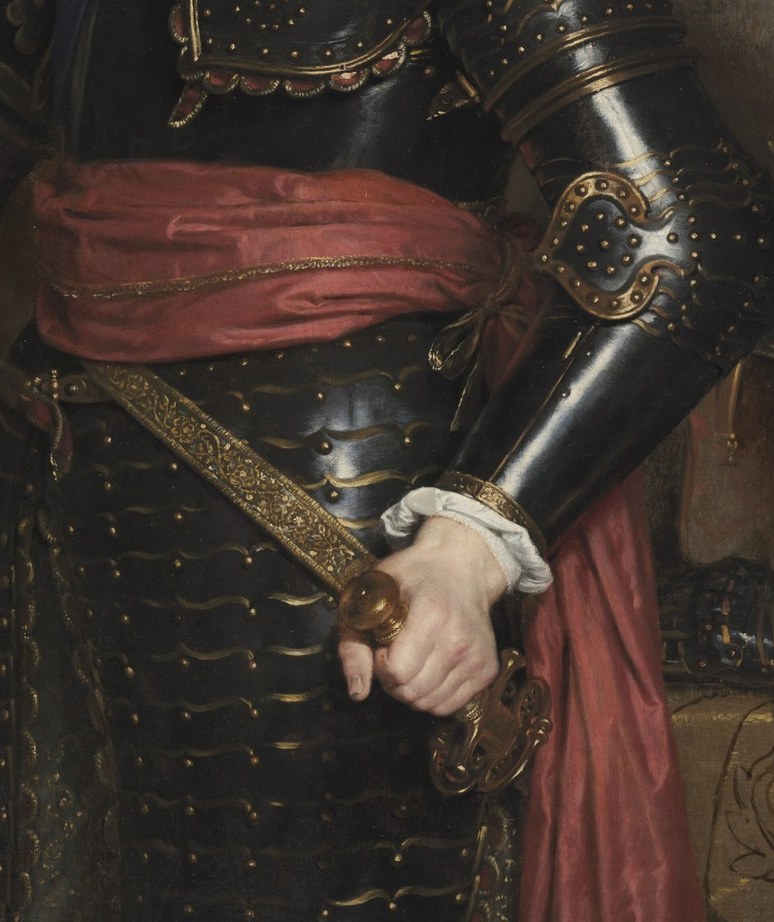
Look first at the armor. It is a full suit of French cavalry plate, a style from around 1630. Charles likely received it as a gift in infancy. Painted at twenty-three, he wears it tight, the last British monarch ever depicted in complete armor. Behind him, the white cliffs of Dover anchor the geography. His right hand holds a baton and gestures out toward the English Channel, where a naval fleet assembles on the horizon.
Seven years after this painting was finished, that fleet sailed. The Restoration of 1660 put Charles back on the throne, fulfilling the visual argument Champaigne had composed. The portrait traveled through the collections of Jules Feral, Wildenstein, and the Duveen Brothers before the Cleveland Museum of Art acquired it in 1959.
Every detail in this frame was a calculated political act. The borrowed armor, the cliffs he could not reach, the ships not yet ready: a king reduced to a promise, waiting in paint.
#arthistory #baroque #philippedechampaigne
Details
Transcript
He is a king without a country. Charles II, in exile. England has no throne for him. So he stands in borrowed France, wearing borrowed armor. This suit was a gift from his cousin, Louis XIV, when Charles was a child. He was painted in it at twenty-three. It barely fits. His hand directs us to the real point: the fleet. Those ships promised an invasion. A return.