Joseph Bonnier de la Mosson by Nattier, Jean-Marc
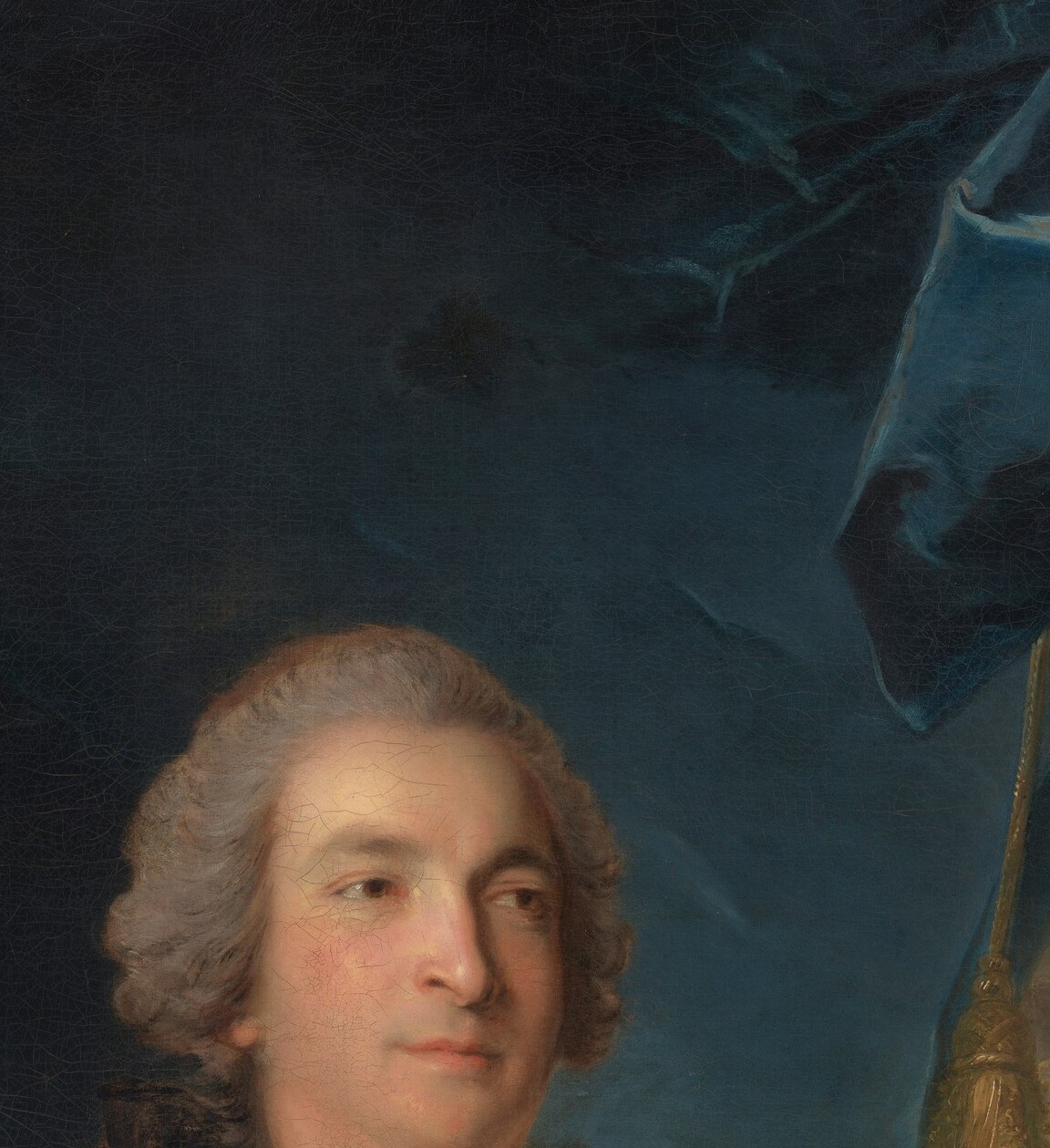
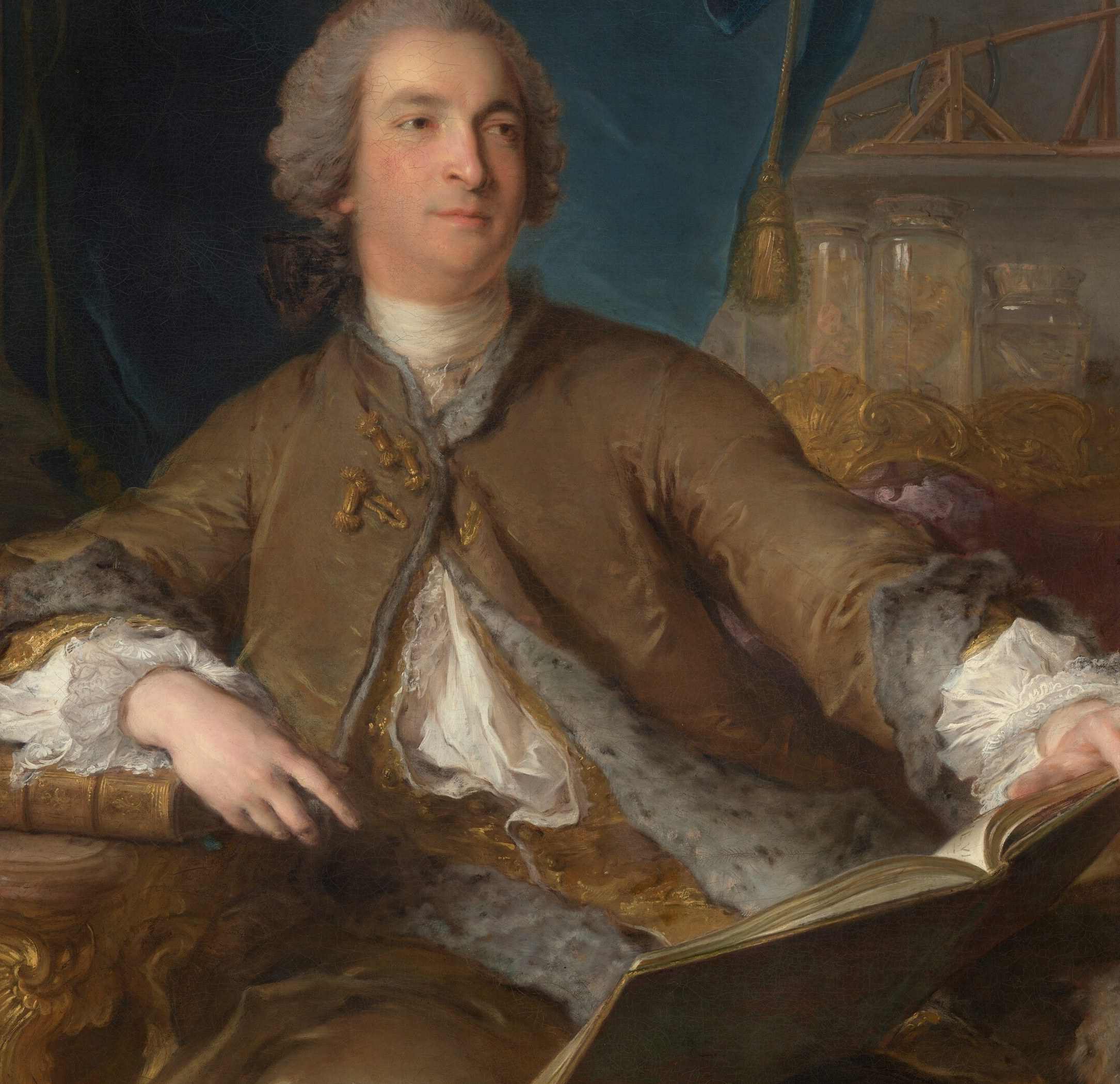
Jean-Marc Nattier’s 1745 portrait of Joseph Bonnier de la Mosson hangs in the National Gallery of Art, but the painting’s real drama happened off the canvas.
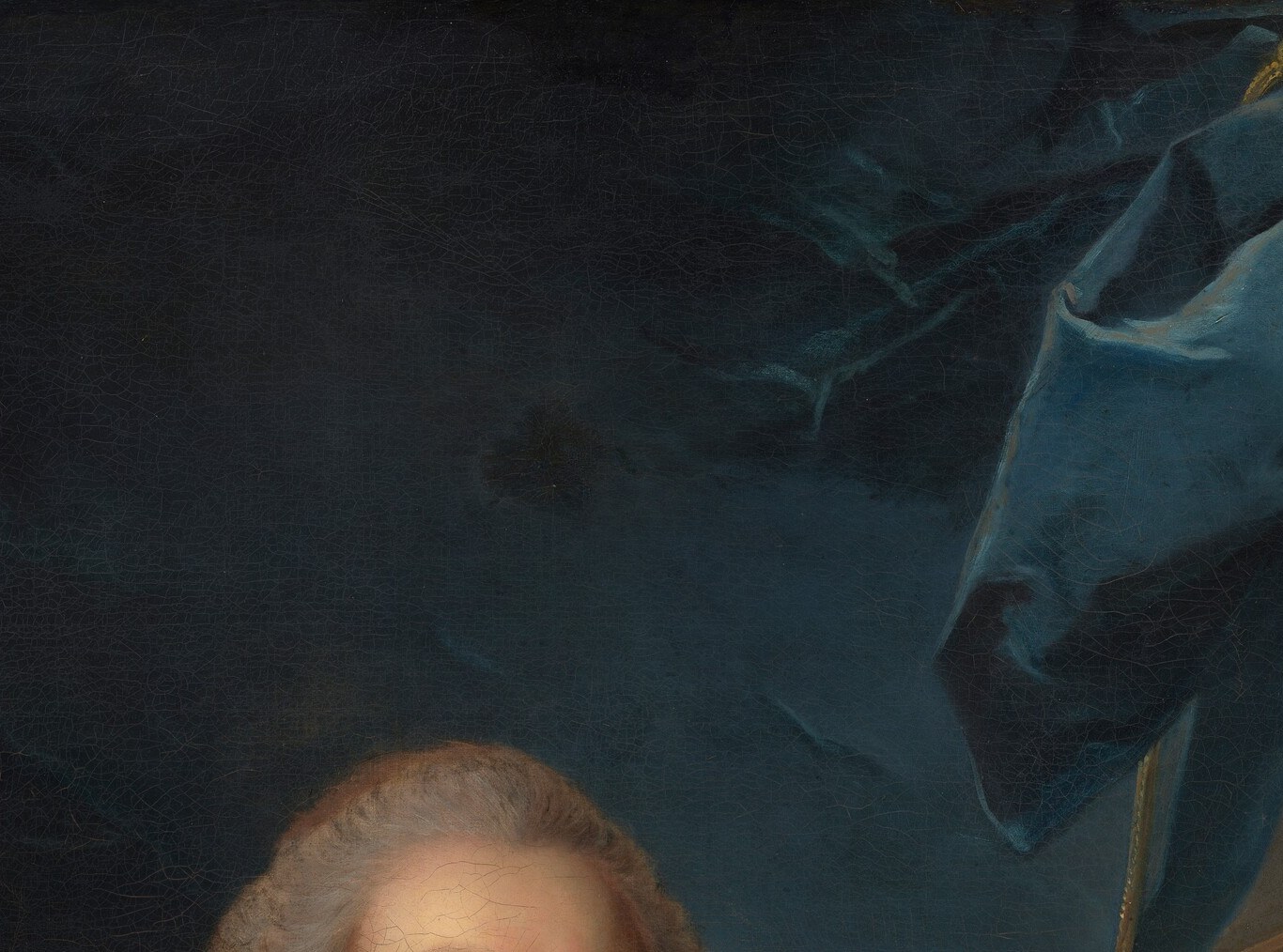
Look past the powdered wig and the confident gaze. The story is in the coat. Bonnier de la Mosson chose to be painted in brown, a direct violation of the strict court dress codes under Louis XV, where aristocrats were expected to appear in blue or red. Nattier, the king’s own portraitist, tried to soften the breach by hanging a massive, correct blue drapery behind him, as if the color were merely out of frame.
Joseph Bonnier de la Mosson was not just any courtier. He was one of the wealthiest men in France, a financier and an obsessive collector of scientific oddities. The papers under his hand likely reference his famous cabinets of curiosity, filled with anatomical specimens and automata. But his fortune could not protect him from the rigid etiquette of Versailles. The portrait was deemed an act of insolence. He was banished from court. Nattier, whose entire career depended on royal favor, never again allowed a subject to make such a sartorial decision in his studio.
The entire scandal is right there in the brown coat. A single wardrobe choice, captured in oil, was enough to end a man’s social life.
Details

Transcript
In 1745, Jean-Marc Nattier was the official portraitist of Louis XV’s court. He painted this man, Joseph Bonnier de la Mosson. Look at his coat. It is brown. At the time, a man of his rank was required to wear blue or red to court. The blue drapery is Nattier’s painted compromise. But the scandal of the brown coat got him banished from Versailles.