Still Life with Bottle, Carafe, Bread, and Wine by Monet, Claude
Claude Monet's "Still Life with Bottle, Carafe, Bread, and Wine," created around 1862, now at the Kimbell Art Museum, represents a quiet declaration of his artistic independence at the beginning of his career.
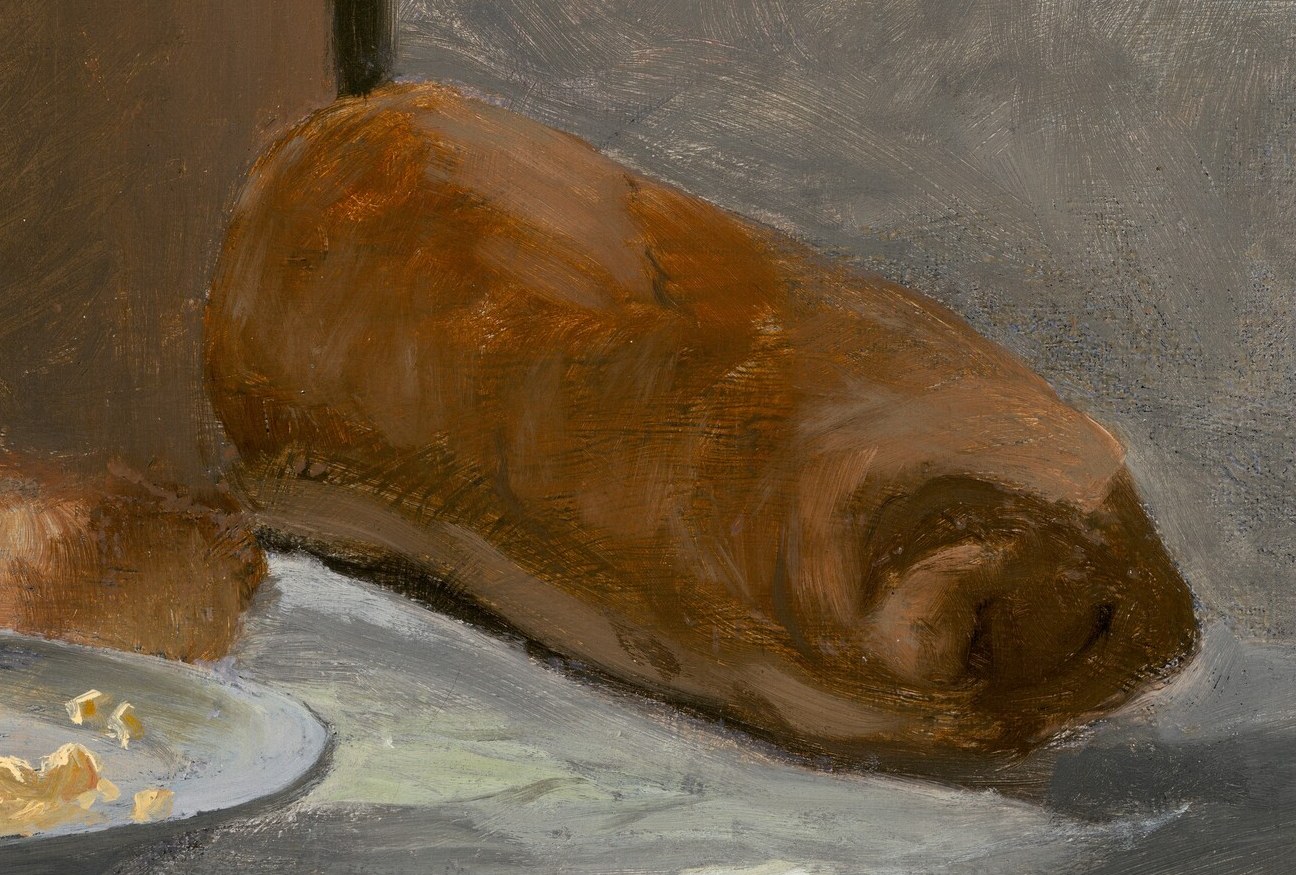
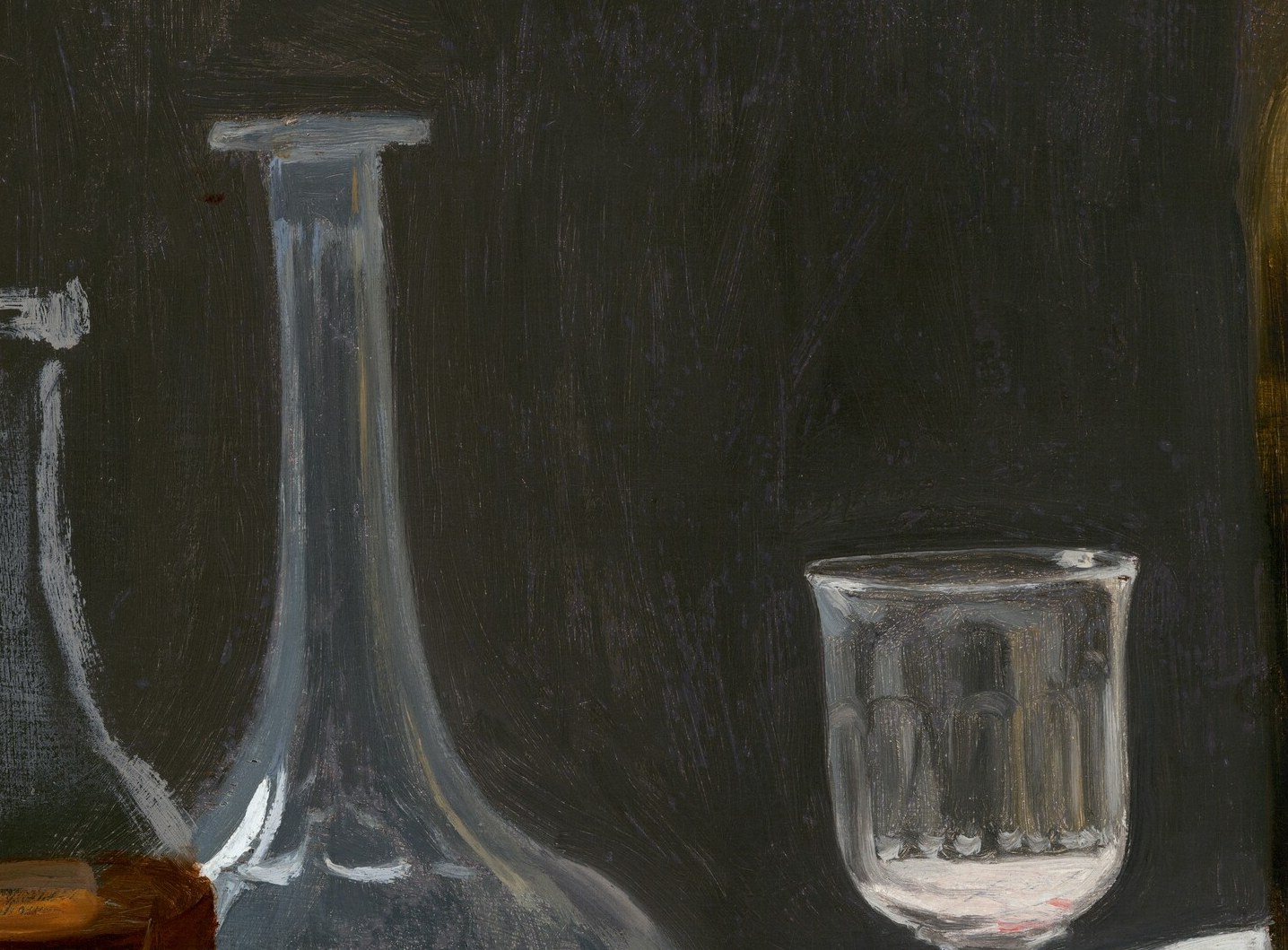
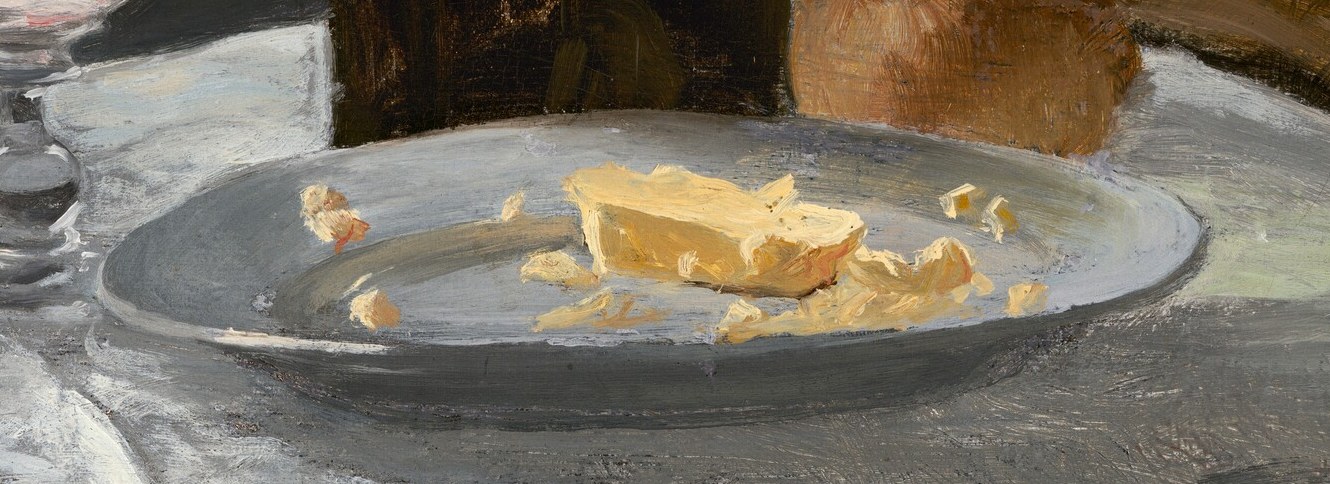
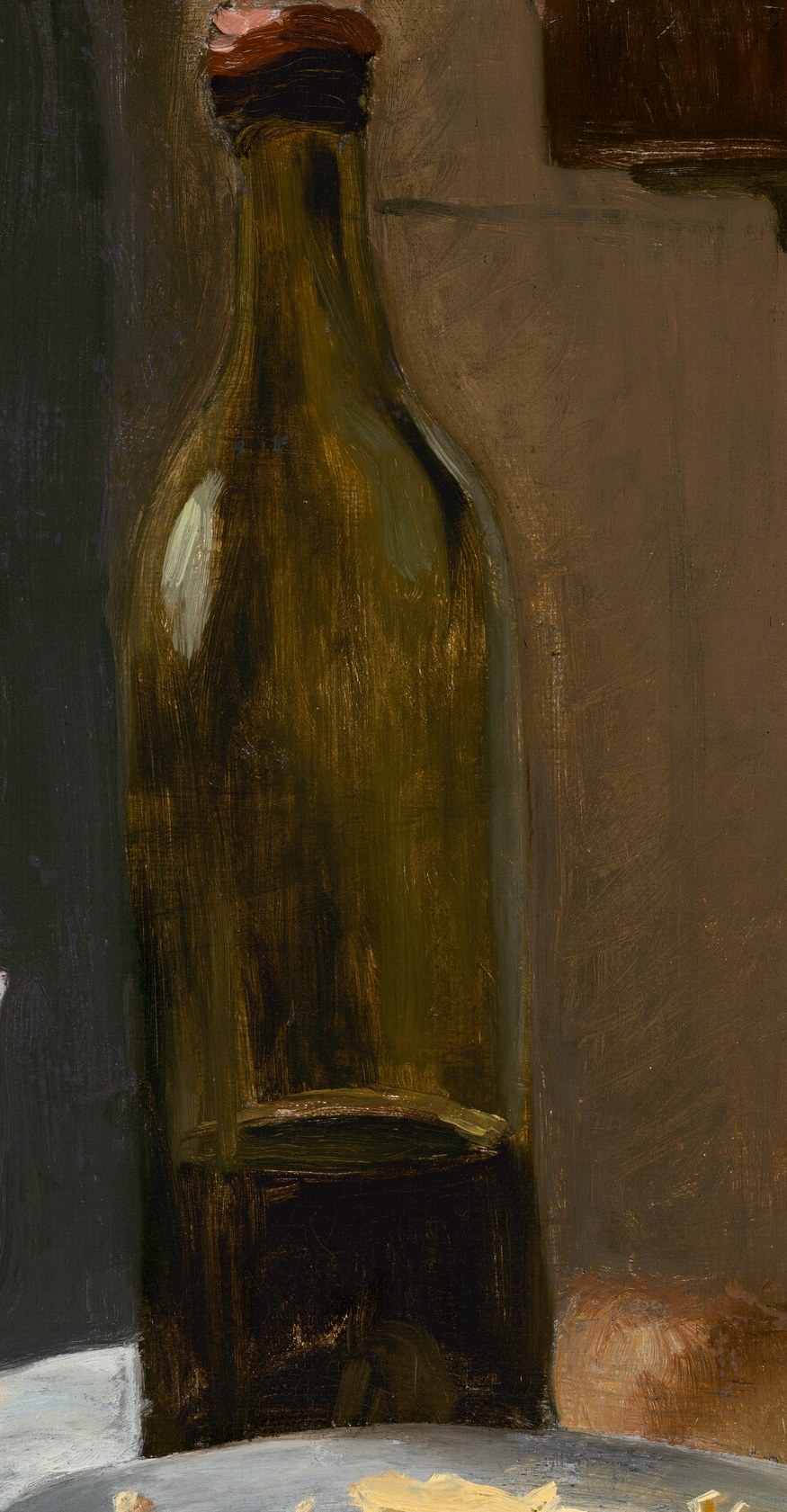
Look closely at the everyday objects: a crusty loaf of bread, a bottle of wine, a clear carafe of water, and a simple knife on a rumpled white tablecloth. These are not elaborate symbols, but rather common, unpretentious items.
Monet painted this work shortly after leaving art school. By choosing such humble subjects, he was moving away from the grand historical narratives and formal academic styles prevalent at the time. This focus on ordinary life and direct observation laid the groundwork for the Impressionist movement he would later help define.
What everyday items in your home would you choose to immortalize in a painting?
Details
Transcript
This early painting looks like a simple meal. But the artist painted it right after leaving art school. The bread, wine, and water are basic human sustenance. He chose common, unpretentious objects for his subject. This reflects his focus on everyday life, not grand stories. It’s a quiet declaration of his artistic independence.