Charles Rousseau Burney (1747–1819) by Thomas Gainsborough
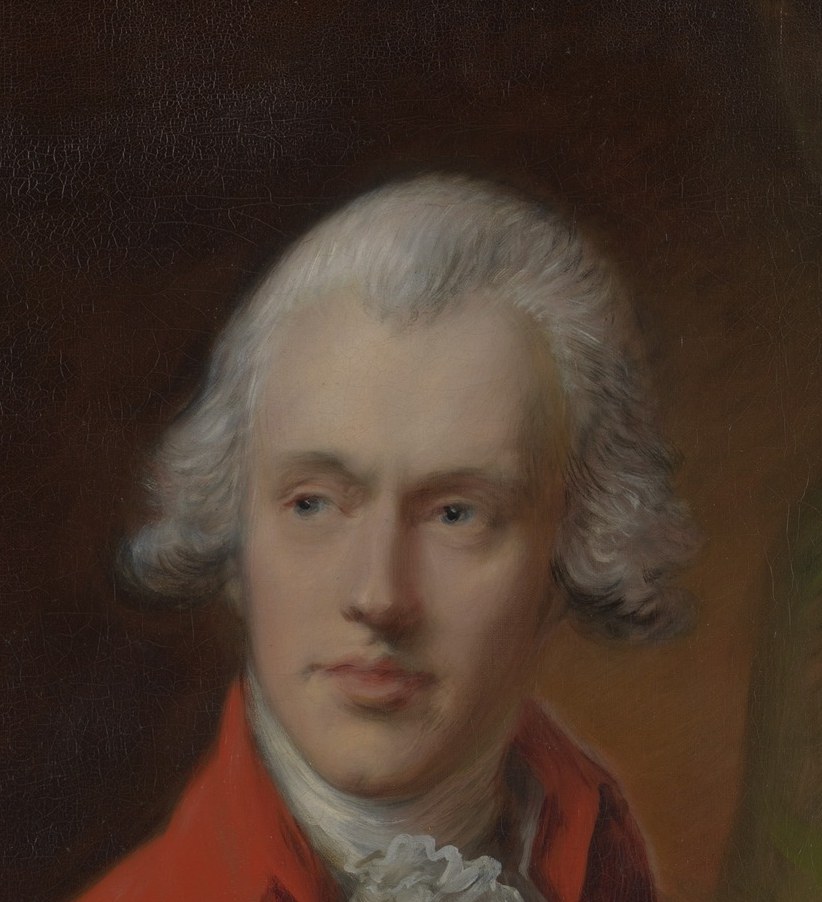
This is 'Charles Rousseau Burney' by Thomas Gainsborough, painted around 1780 and now in the collection of The Metropolitan Museum of Art. Charles was a harpsichordist, a music teacher, and the nephew of the famous music historian Dr. Charles Burney. The portrait radiates the confidence of a young man secure in his profession, but the real story is in his hands.
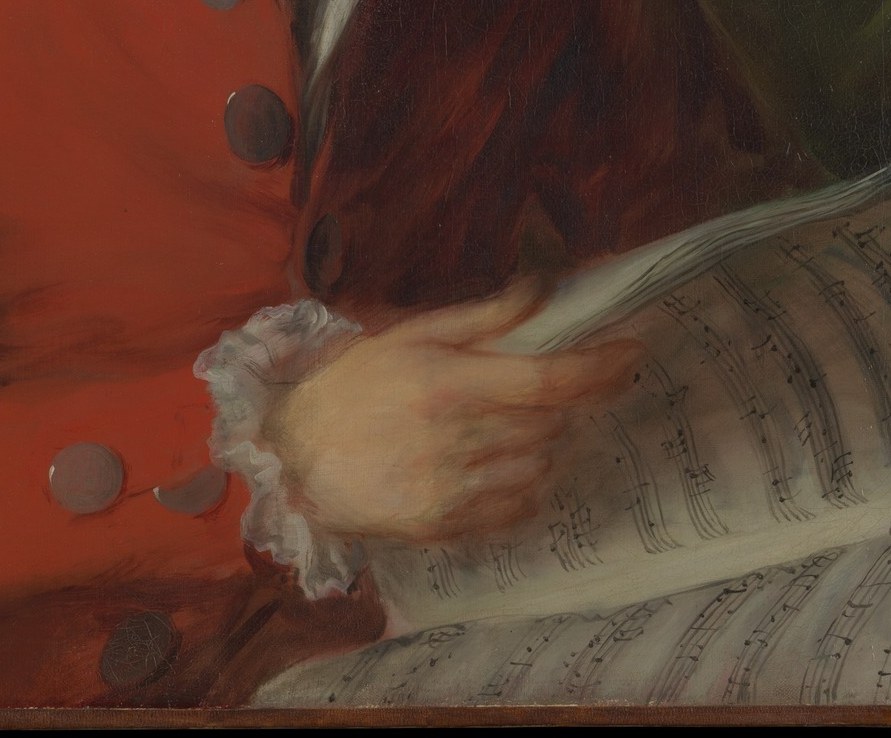
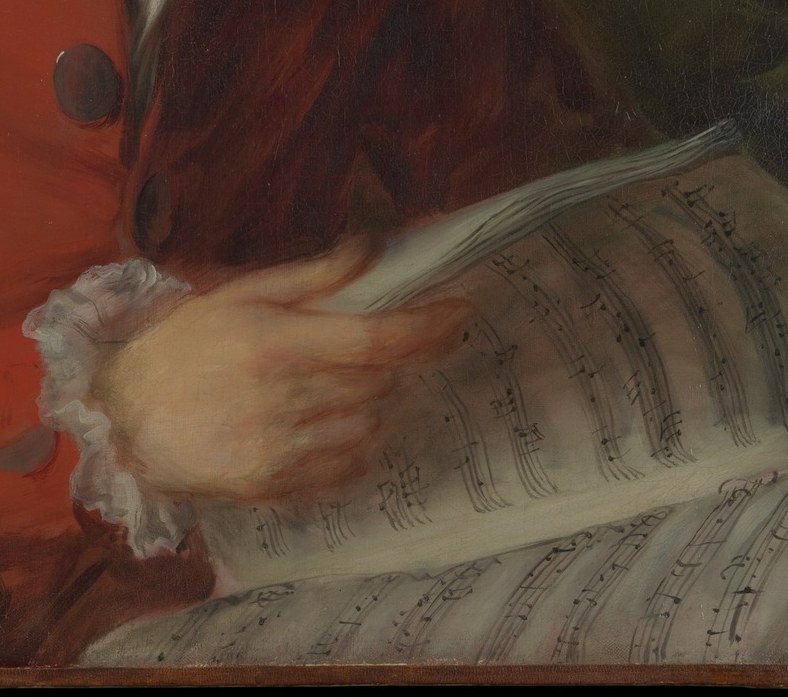
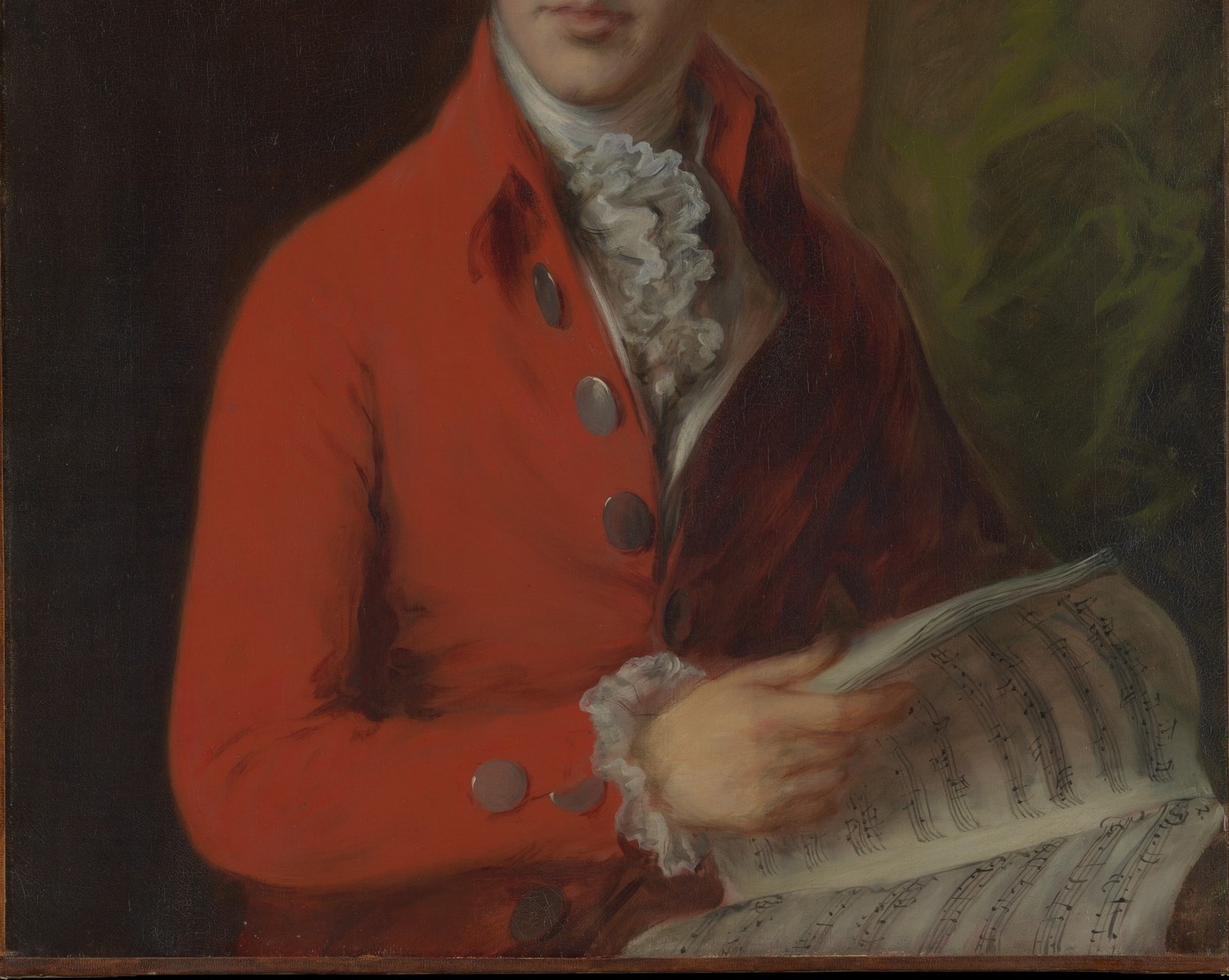
Look closely at the sheet music he grips. Gainsborough has painted real, legible notation, a specific aria. It is 'Voi che sapete' from Mozart's opera The Marriage of Figaro. This was not a random studio prop. Identifying the exact piece ties the portrait directly to Burney's musical world and suggests he may have performed or taught this very work.
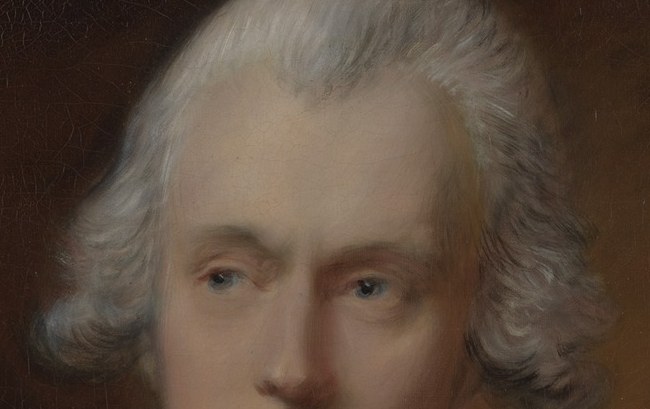
The portrait itself is a study in bold contrasts. The vivid scarlet coat anchors the lower canvas, an unusually brilliant choice even for Gainsborough, while a loose, dark green drapery behind the right shoulder pushes the figure forward. Gainsborough's technique here is remarkably lively. The eyes are subtly animated, a hallmark of his gift for making sitters appear to breathe rather than pose stiffly. The lace jabot is painted with such airy, quick strokes that it seems to flutter.
What draws me back to this painting is the negotiation between public poise and private passion. Burney is dressed for a formal audience, yet he holds the aria not as a trophy but as an almost casual, familiar object. It is a love song from a comic opera, and it humanises him entirely.
Details
Transcript
A gentleman in scarlet, steady and direct. He was a harpsichordist and a celebrated music teacher. The one clue that tells you his whole profession is down here. Gainsborough gives us real musical notation, not a blur. It is the aria 'Voi che sapete' from Mozart's Figaro. A love song, pinned between his fingers for the portrait. Young men who sat for Gainsborough rarely looked so alive.