The Red Tablecloth by Samuel Halpert
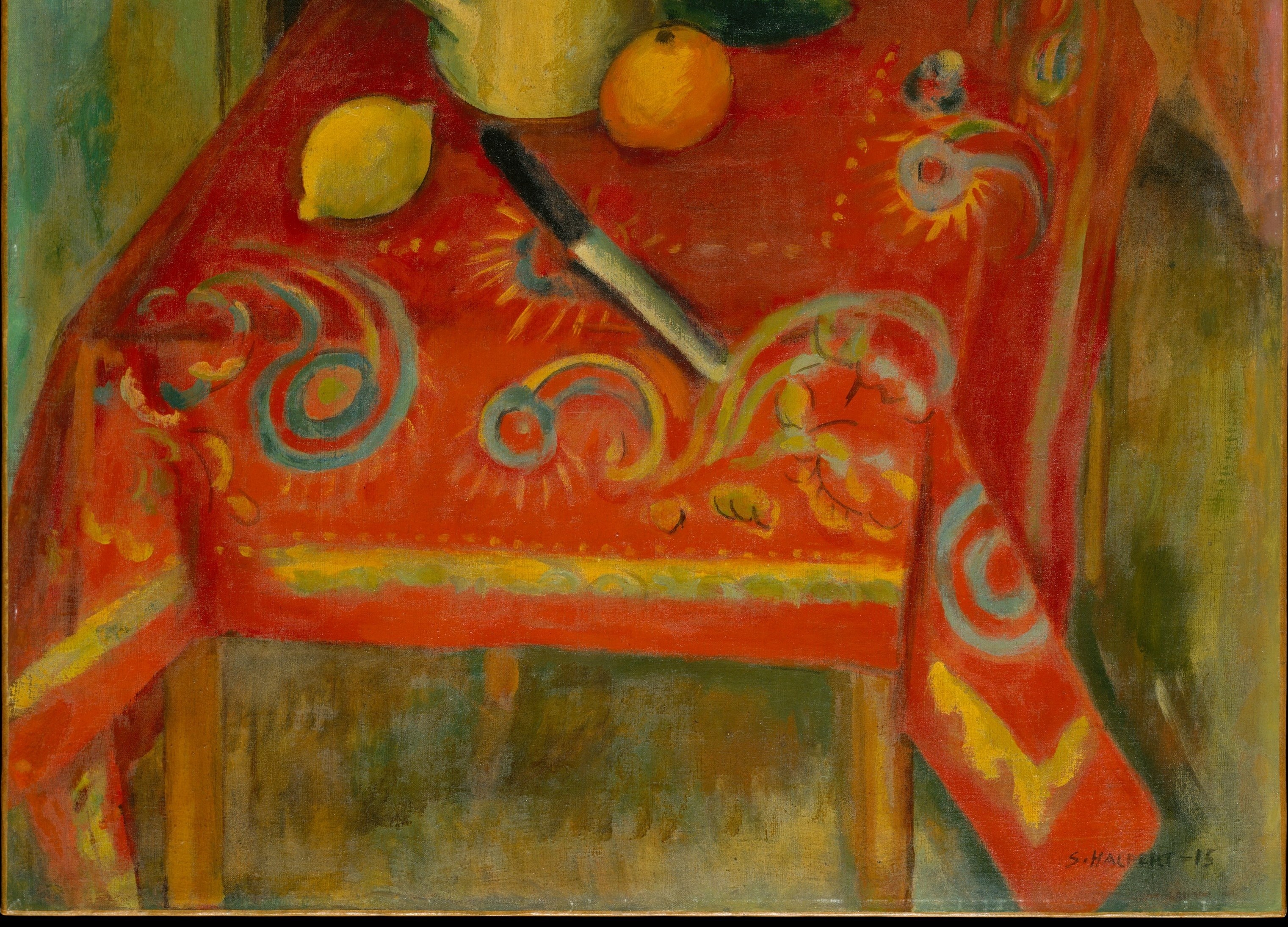
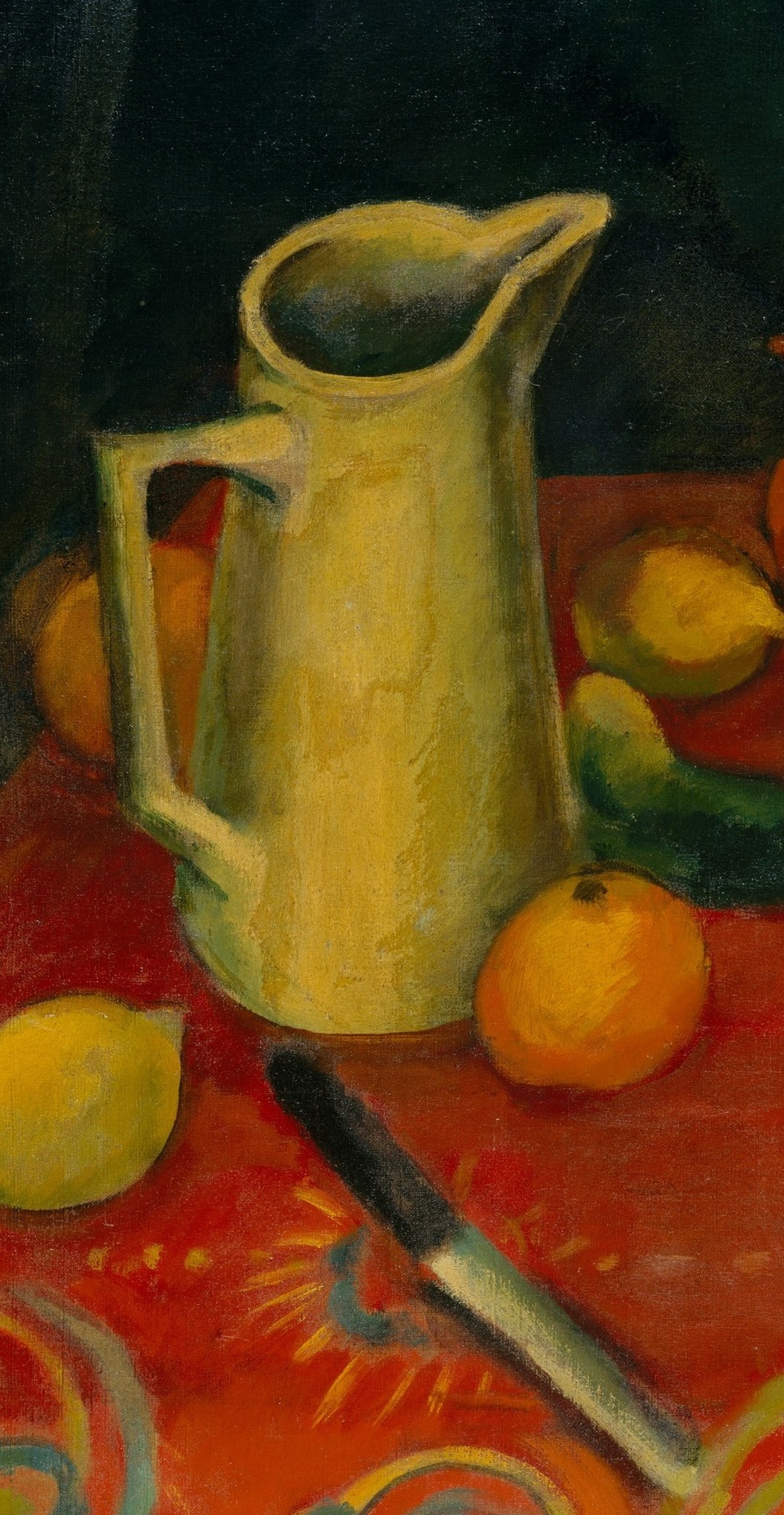
Samuel Halpert's 'The Red Tablecloth' (1915) is a study in Fauvist courage hiding inside a simple kitchen still life. Now at The Metropolitan Museum of Art, it shows an artist who understood that a patterned cloth could carry as much emotional weight as a face.
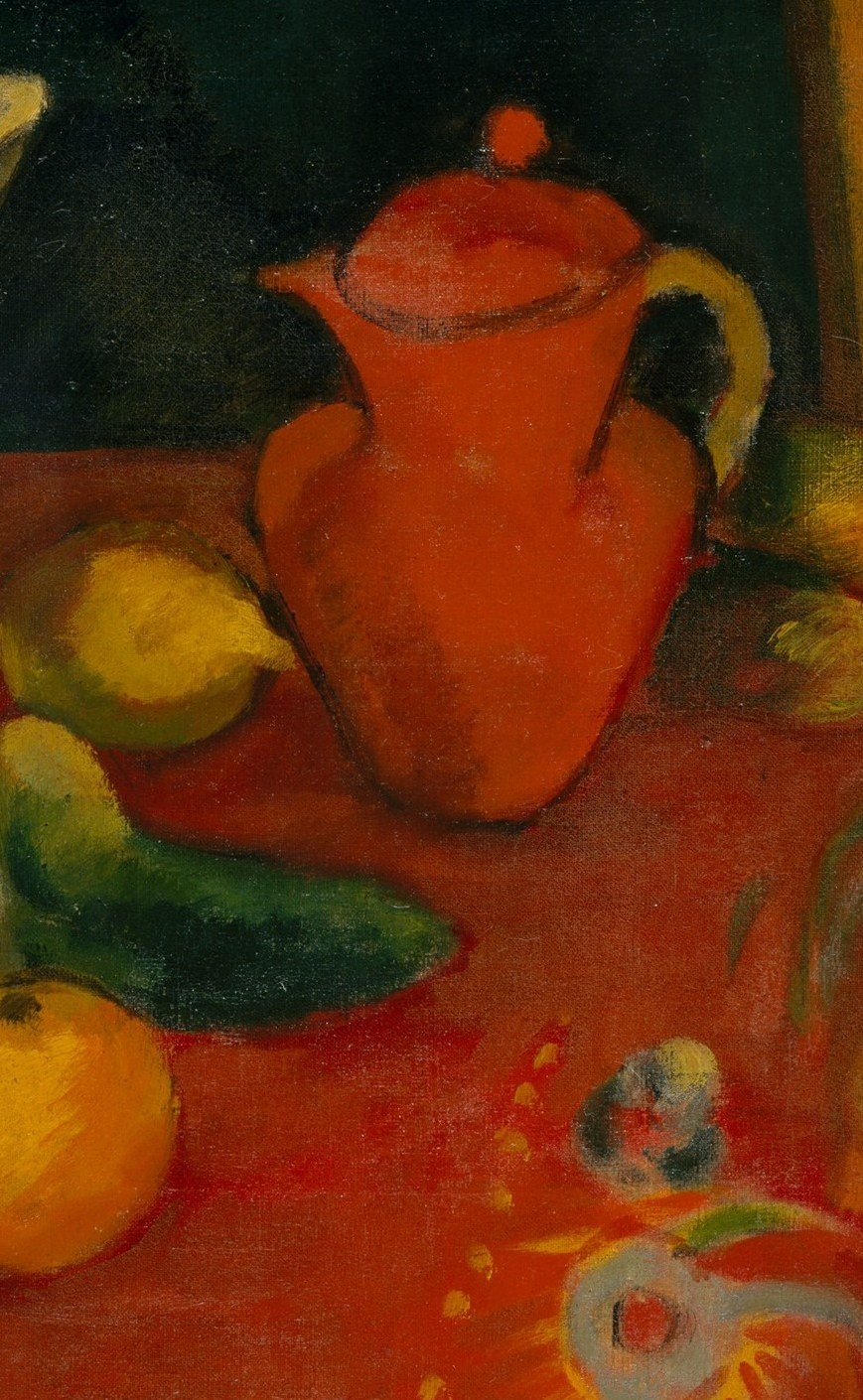
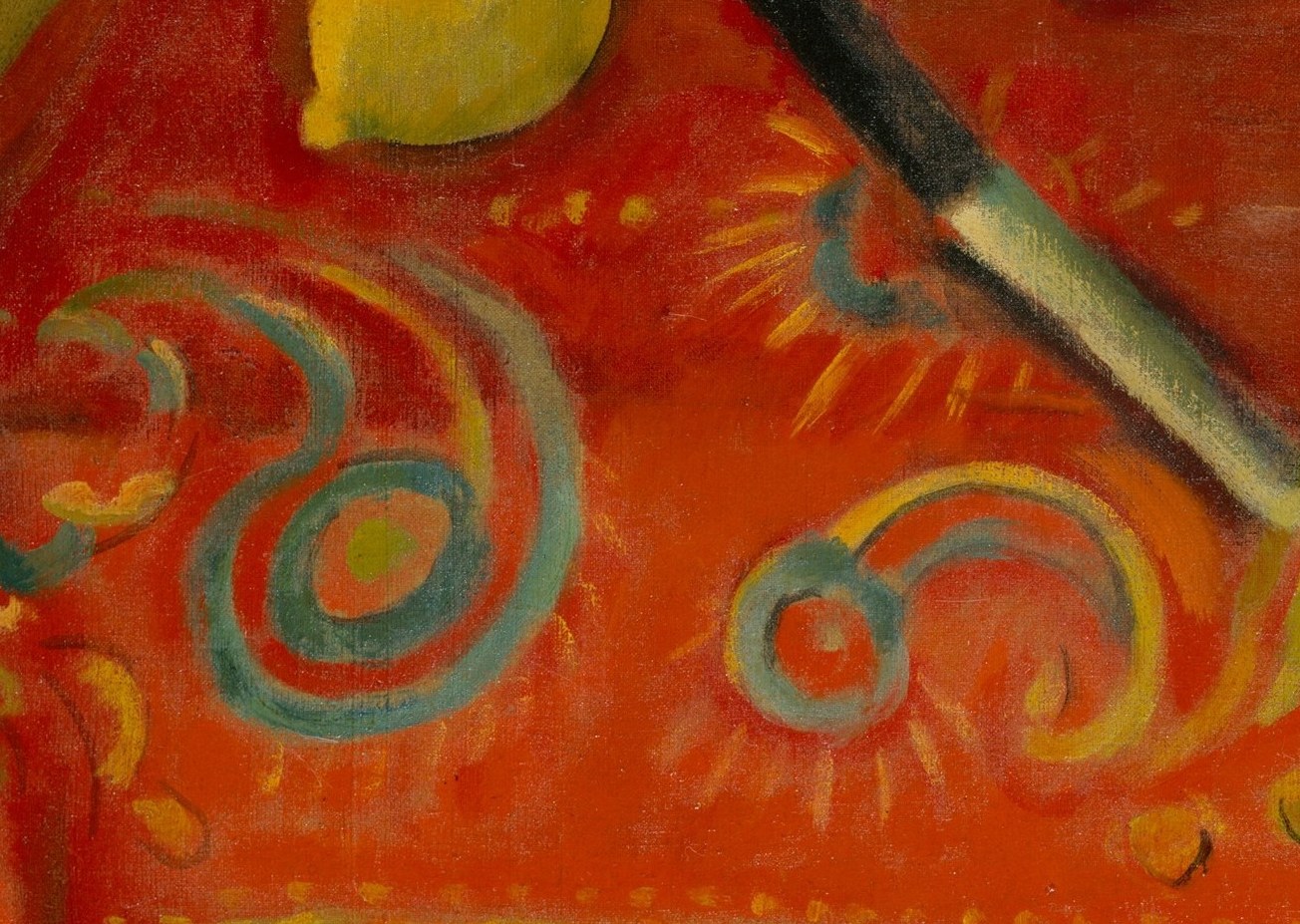
Look first at the red teapot, sitting on the red cloth. Halpert made almost no distinction between the two. The object nearly melts into the ground beneath it, a deliberate decision that asks you to slow down and separate form from color. Then find the single lemon, a sharp note of acid yellow, and the knife blade, the only truly hard line in the composition.
Halpert was born in Białystok in 1884 and raised on New York's Lower East Side. He studied in Paris, absorbed the Fauvist lesson that color could be freed from description, and brought it home. He died in 1930 at 45, and much of his work was lost or scattered. Paintings like this one became rare survivors of a brief, bright career.
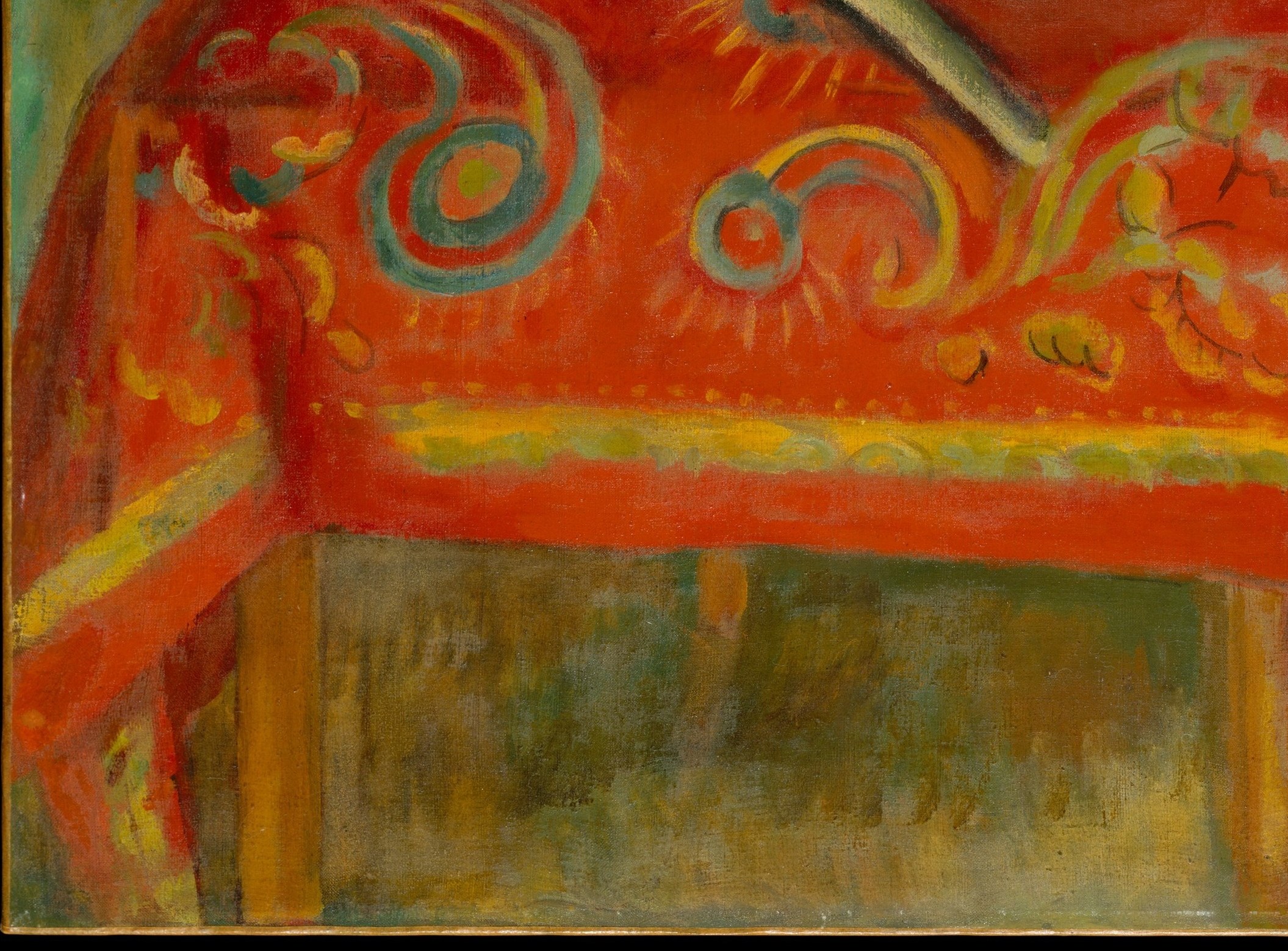
The red tablecloth is what remains. Look at it long enough, and the swirling blue arabesques start to feel like handwriting.
Details
Transcript
1915. A Russian-born painter in New York sets a table. This cloth is the real subject. Not what sits on it. Now find the red teapot. It nearly dissolves. A deliberate gamble in paint. The knife is the only hard edge. It pulls your eye to the center. Samuel Halpert would die young, at 45. Most of his work was lost. This cloth is one of the few that survived.