Portrait of a Gentleman by British 18th Century
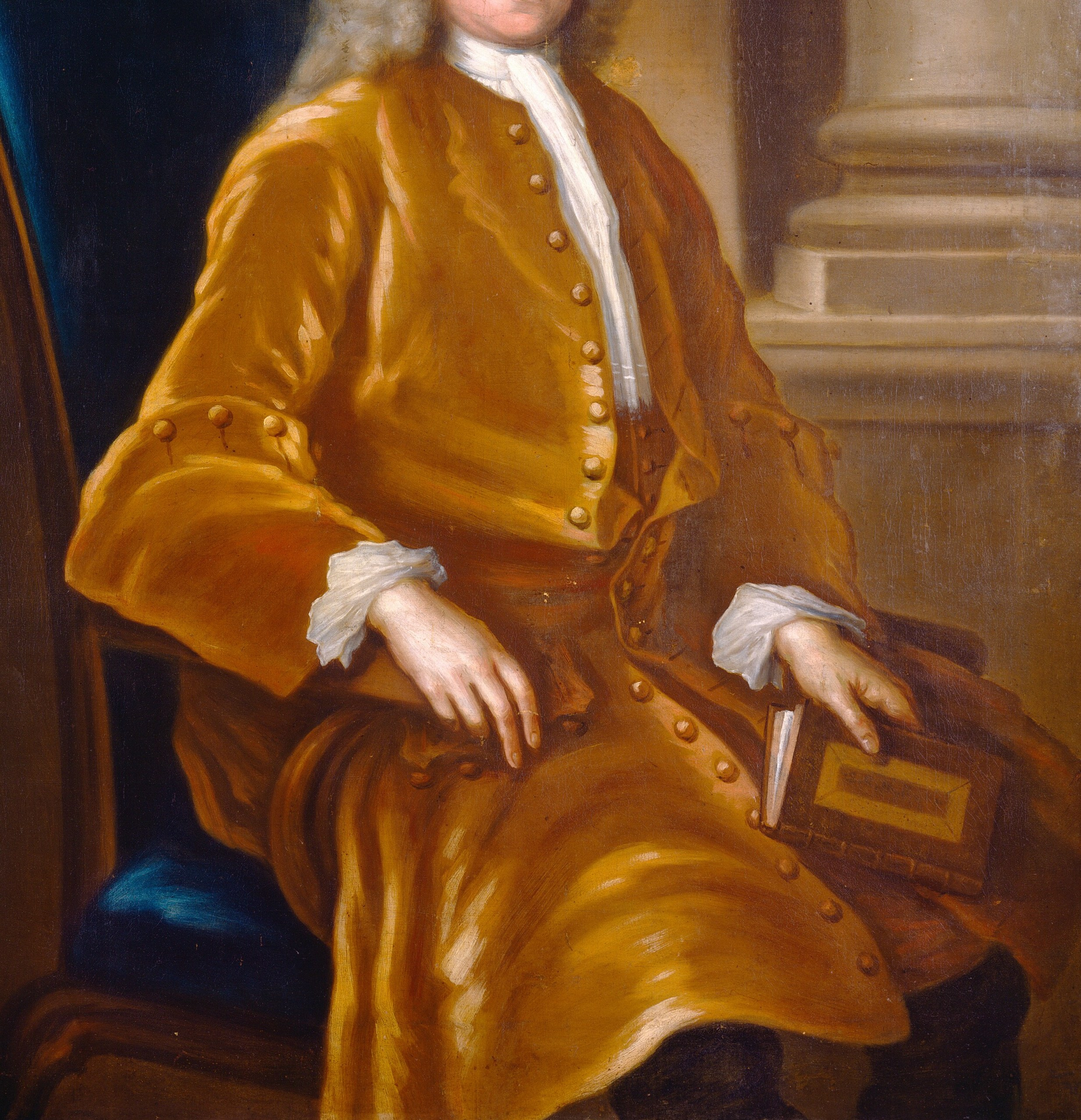
The "Portrait of a Gentleman," painted by an unknown British artist between 1726 and 1740, is a striking example of 18th-century portraiture, now housed in an anonymous private collection.
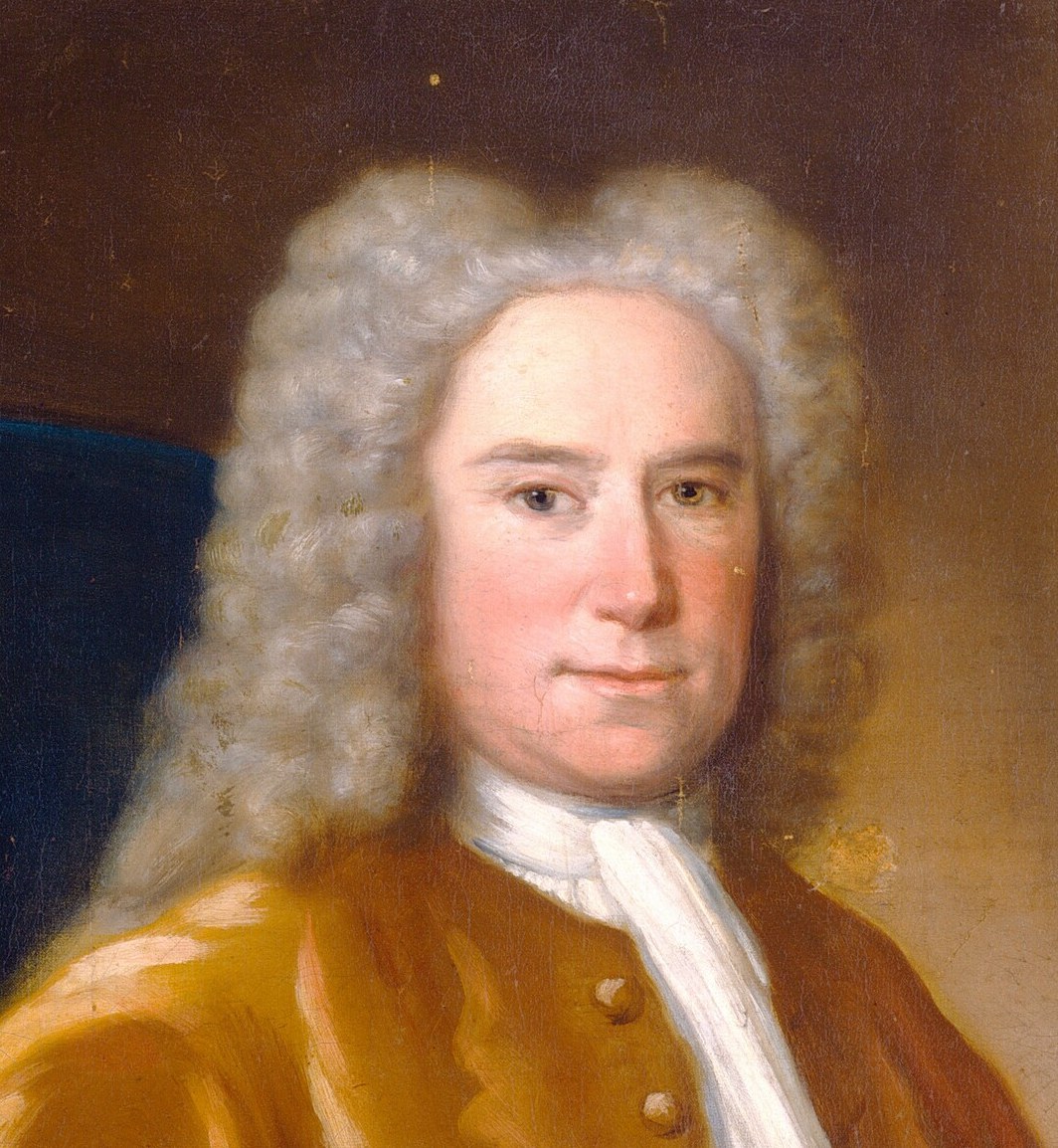
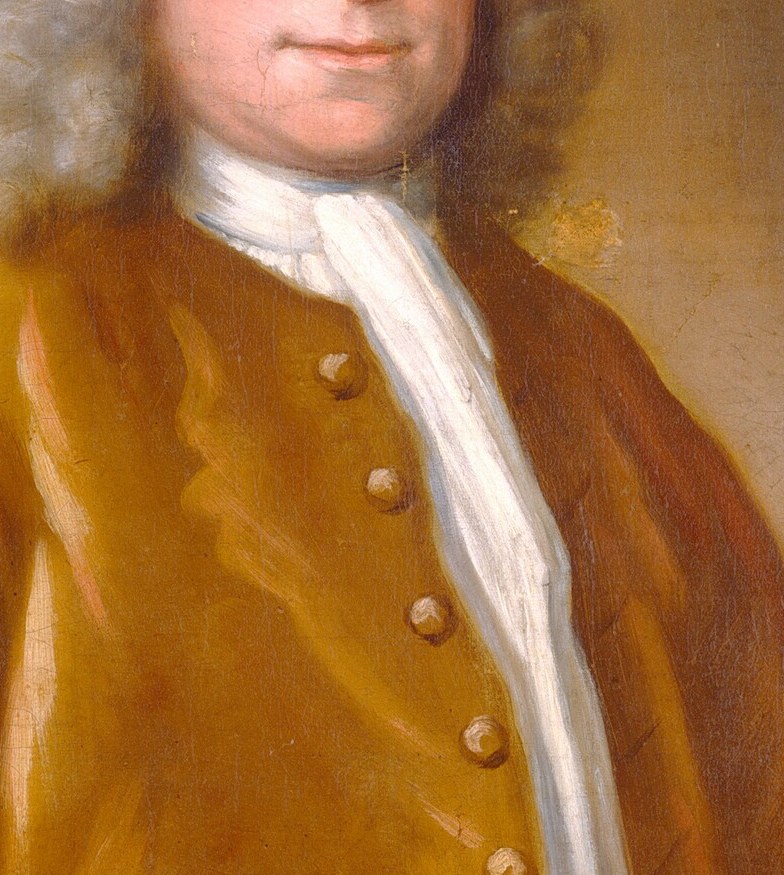
The sitter's elaborate golden coat, crisp white cravat, and dignified posture all signal a man of considerable wealth and social standing. Yet, despite these outward displays of importance, the painting offers no specific clues about who this man was.
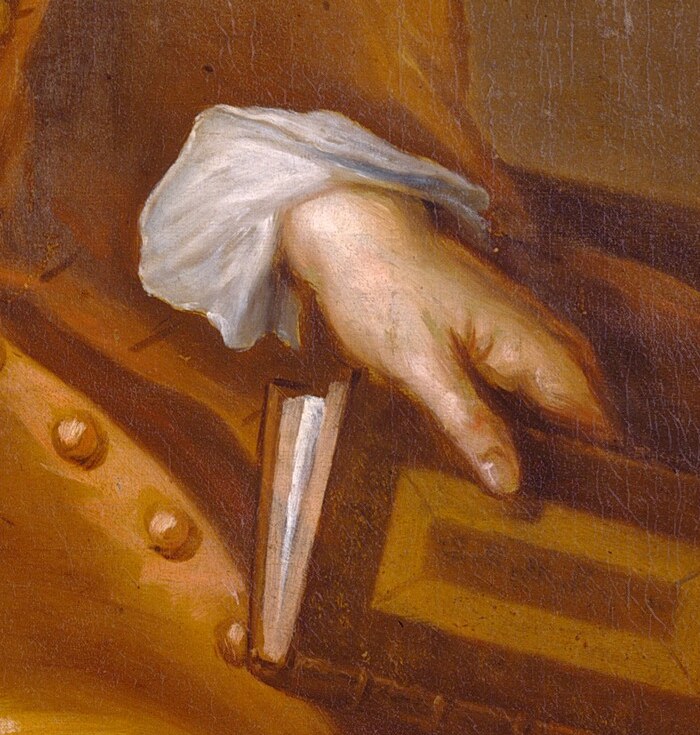
The artist meticulously rendered details like the texture of the fabric and the sitter's calm demeanor, but left no identifying marks, not even a title on the book he holds. This makes the portrait a fascinating study in anonymity, despite its original intent to impress.
Who do you think this gentleman was, and why might his identity have been lost to history?
Details
Transcript
This man wants you to know he's important. His golden coat and cravat declare his status. Yet, the painter left no clues to his identity. Even this book offers no title, no inscription. He remains 'Portrait of a Gentleman' to this day.