The Barnyard by Zeliff, Amzi Emmons
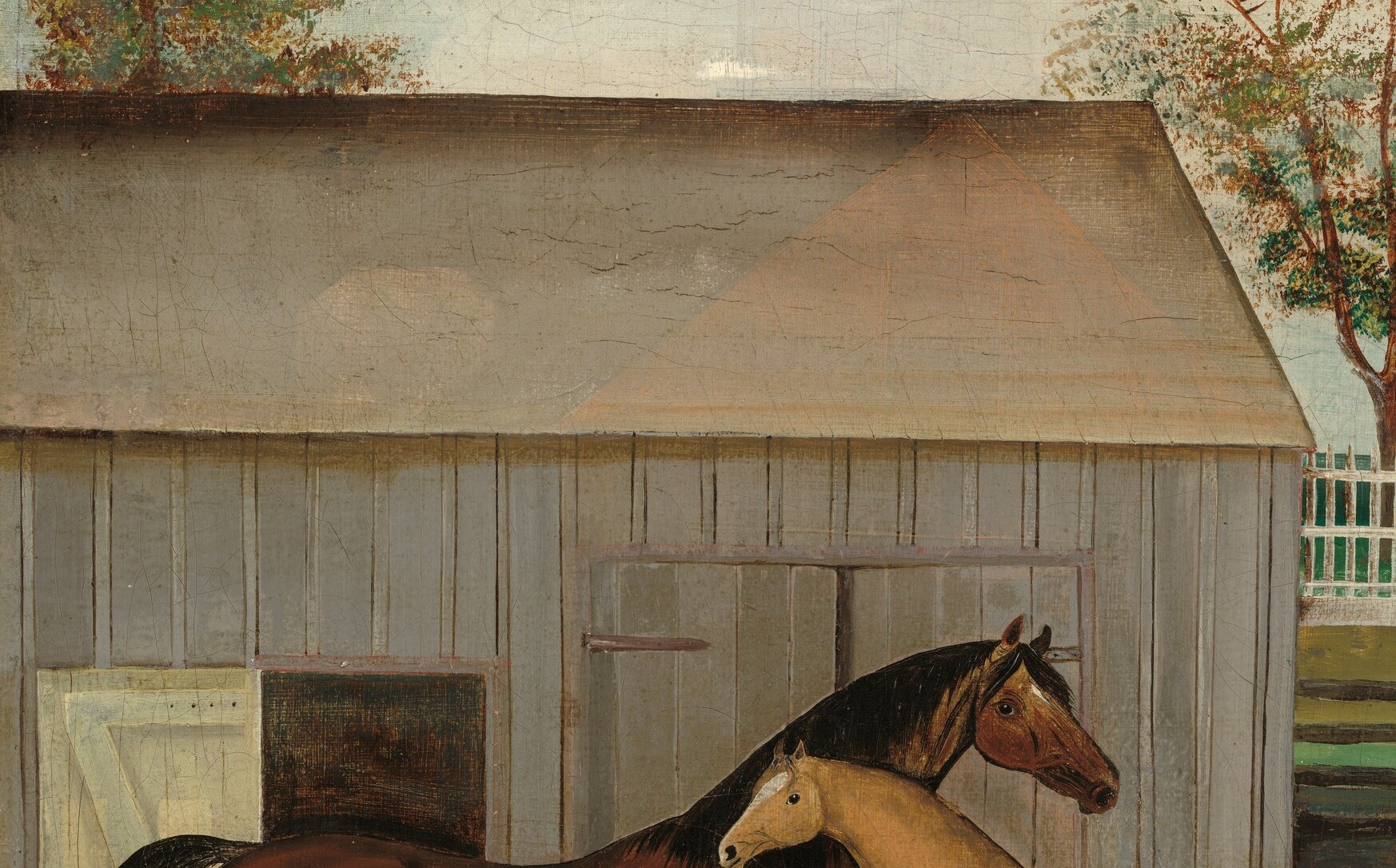
Amzi Emmons Zeliff’s "The Barnyard" offers a glimpse into American agricultural life around 1850. The painting reflects a time when rural landscapes and farmsteads were central to the nation's identity.
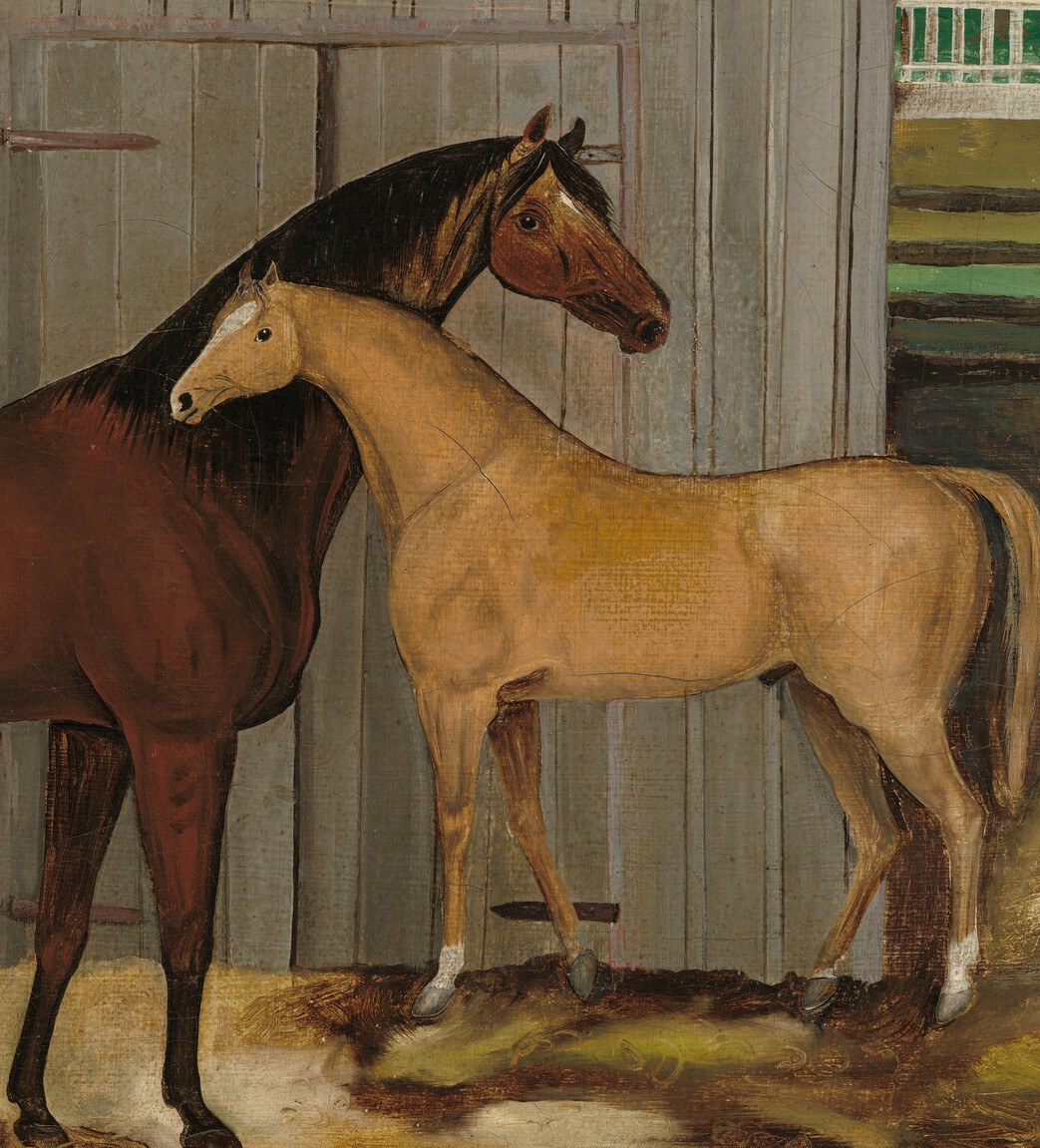
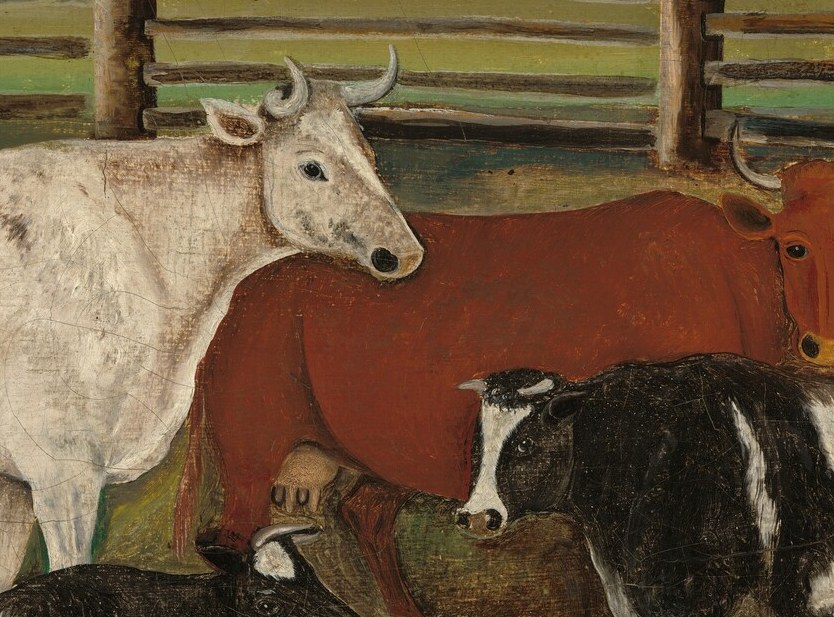
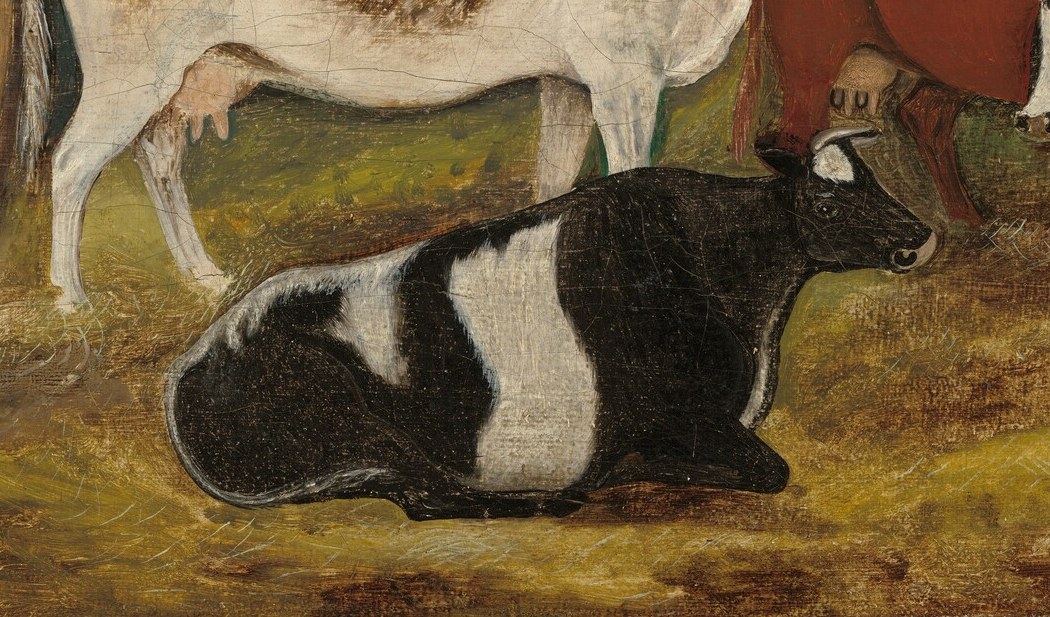
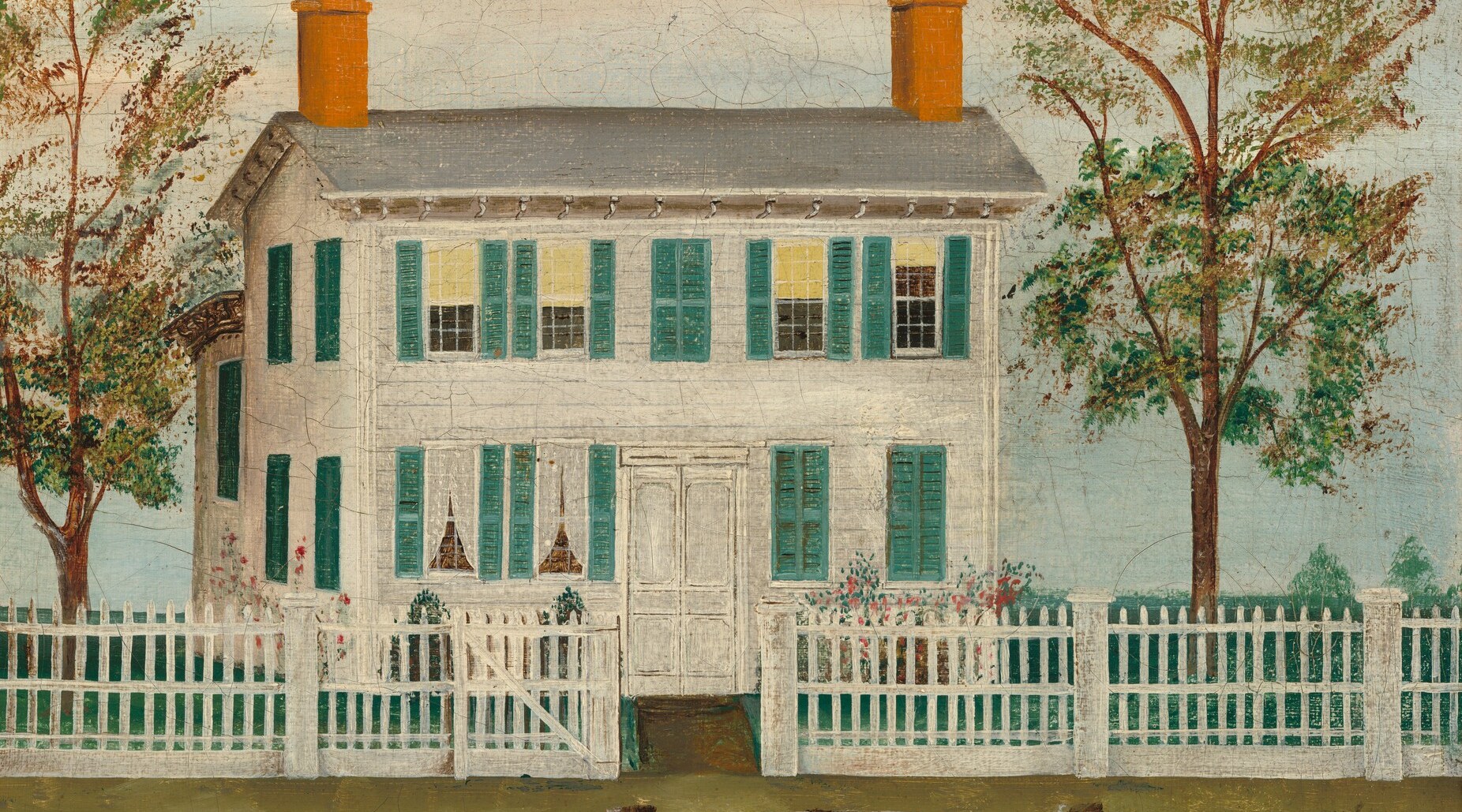
Look closely at the various animals: two horses stand near a timber barn, while a white cow rests and a red cow, alongside a black-and-white calf, populate the foreground. The simple farmhouse with its green shutters and chimney completes this self-contained scene, highlighting the interconnectedness of farm life.
Zeliff, though not widely famous, focused on everyday agricultural scenes. His work aligns with the Realist movement, portraying ordinary settings without idealization. "The Barnyard" is a testament to the quiet dignity and hard work inherent in rural living during a period of significant change in America.
What details do you notice that tell the story of this farm?
Details
Transcript
In the mid-1800s, America was still mostly farmland. This barnyard shows the daily rhythms of farm life. Here, two horses, a dark brown and a light tan, stand together. Cows were essential for milk and meat, like this red one. A sleeping calf signals the continuation of the herd. This self-contained farm reflects the era's focus on rural subjects.