Alice Butt by Whistler, James McNeill
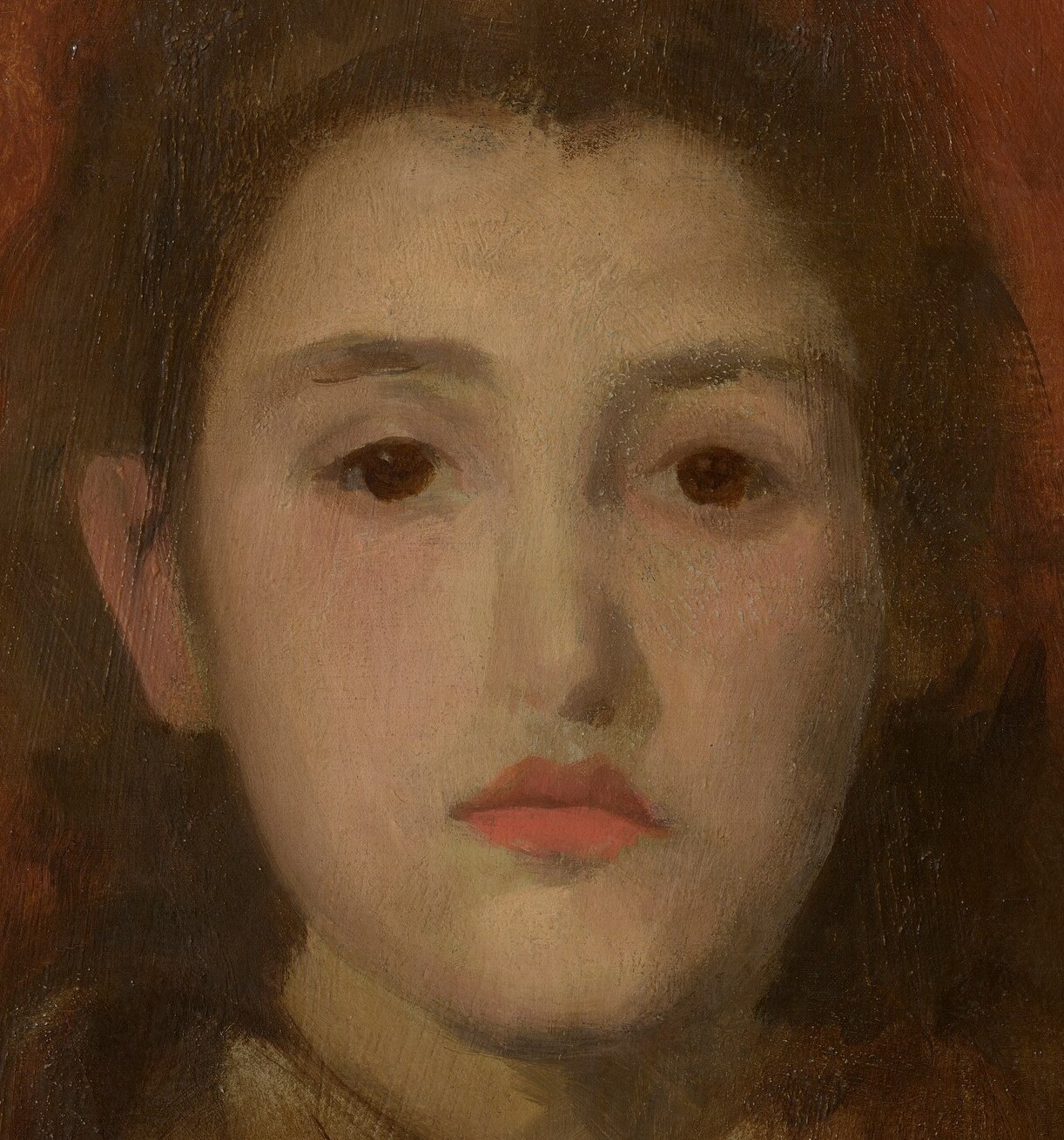
James McNeill Whistler, a master of subtle art and sharp wit, often hid a unique signature in his paintings: a butterfly with a stinger. In his portrait of Alice Butt (c. 1895), an oil on canvas housed at a private collection, this personal emblem offers a fascinating glimpse into the artist's dual nature.
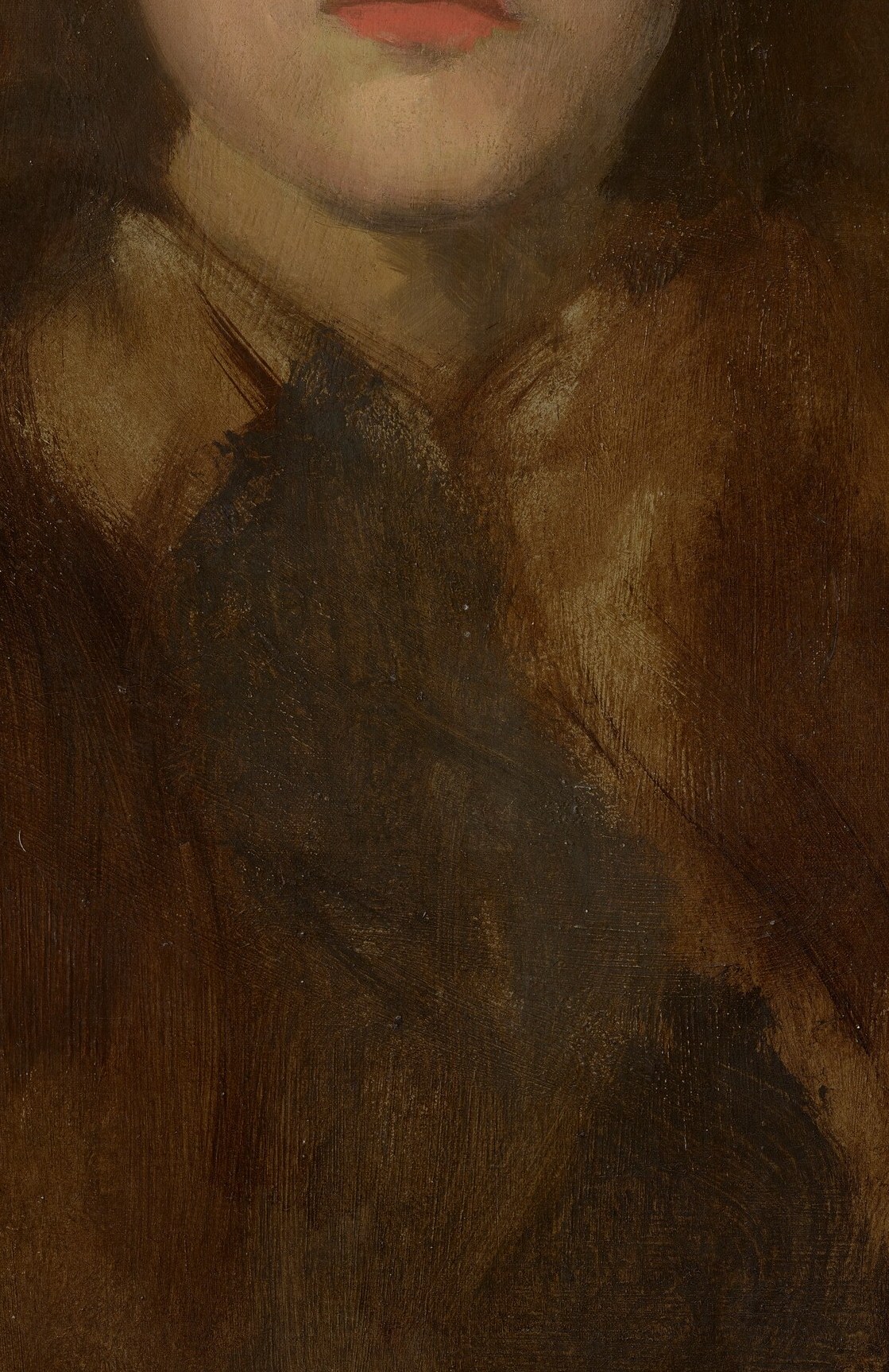
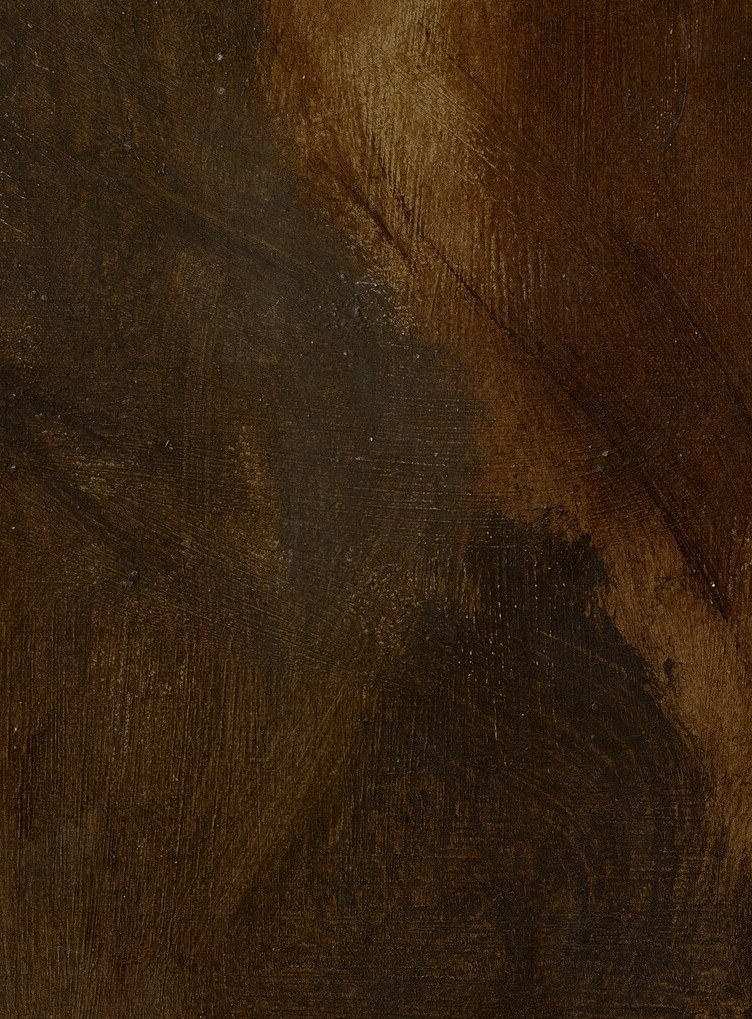
Look closely at the dark fabric of Alice Butt's garment, near her shoulder. There, among the brushstrokes, you'll find the stylized butterfly that became Whistler's artistic calling card. It's a delicate, almost ethereal form, yet the added stinger serves as a clever nod to his notoriously combative public persona.
Whistler, an American painter primarily based in the UK, eschewed overly sentimental themes, instead emphasizing refined composition and tonal harmony, often naming his works 'arrangements' or 'nocturnes.' This portrait of Alice Butt, a figure from his social circle, embodies his refined aesthetic.
This small, almost secret detail invites us to consider the artist's personality, both his artistic delicacy and his confrontational spirit, all encapsulated in one tiny, elegant mark. What other hidden signatures might artists have left behind?
Details
Transcript
This is Alice Butt, painted by a famous American artist. He was known for his delicate art and combative public persona. Look closely at her dark garment, near her shoulder. His unique signature is hidden in plain sight, a butterfly. But this butterfly has a stinger, reflecting his sharp wit. A subtle mark for a complex artist, James McNeill Whistler.