Spring in Brittany by Paul Sébillot
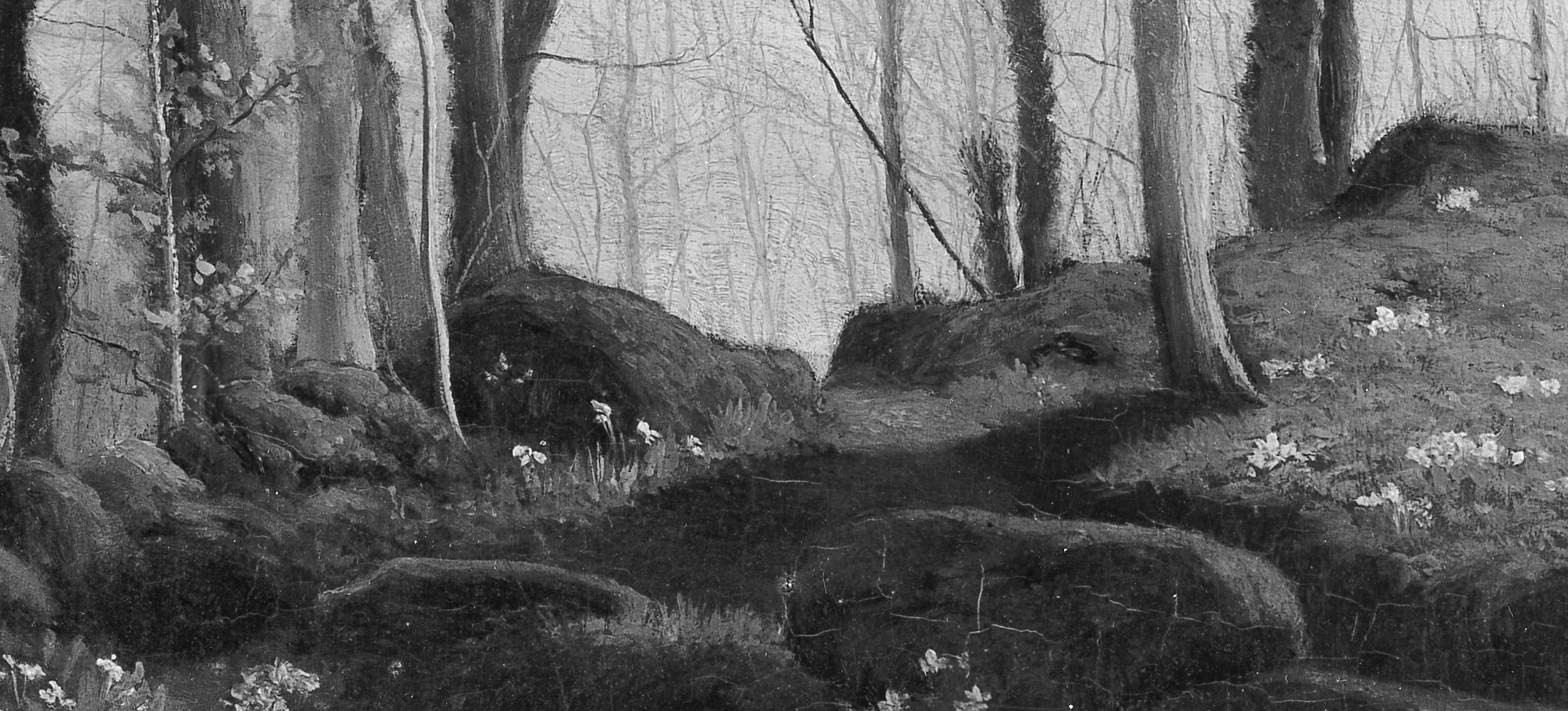
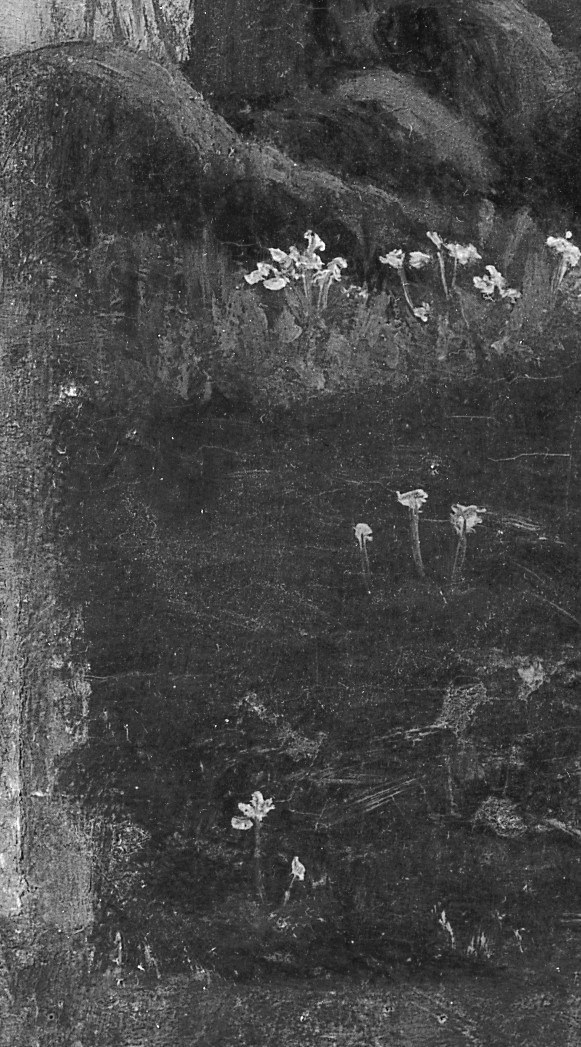
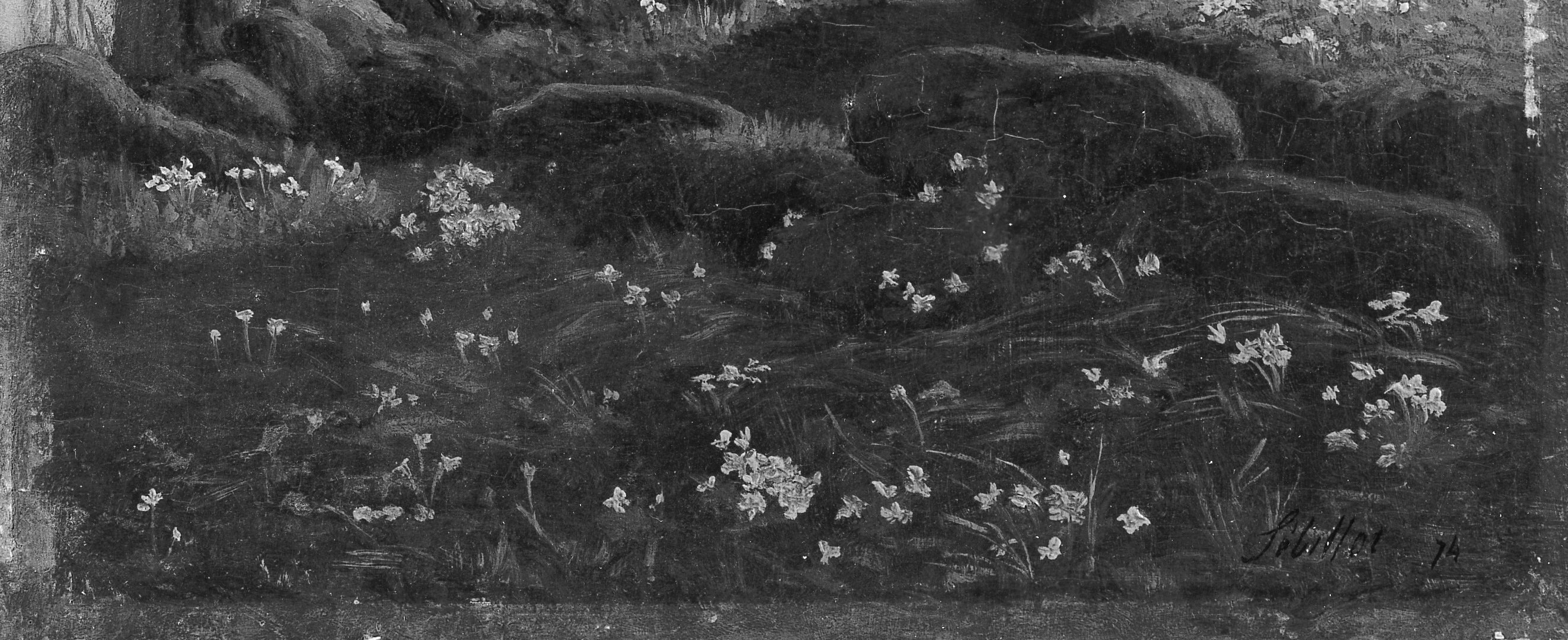
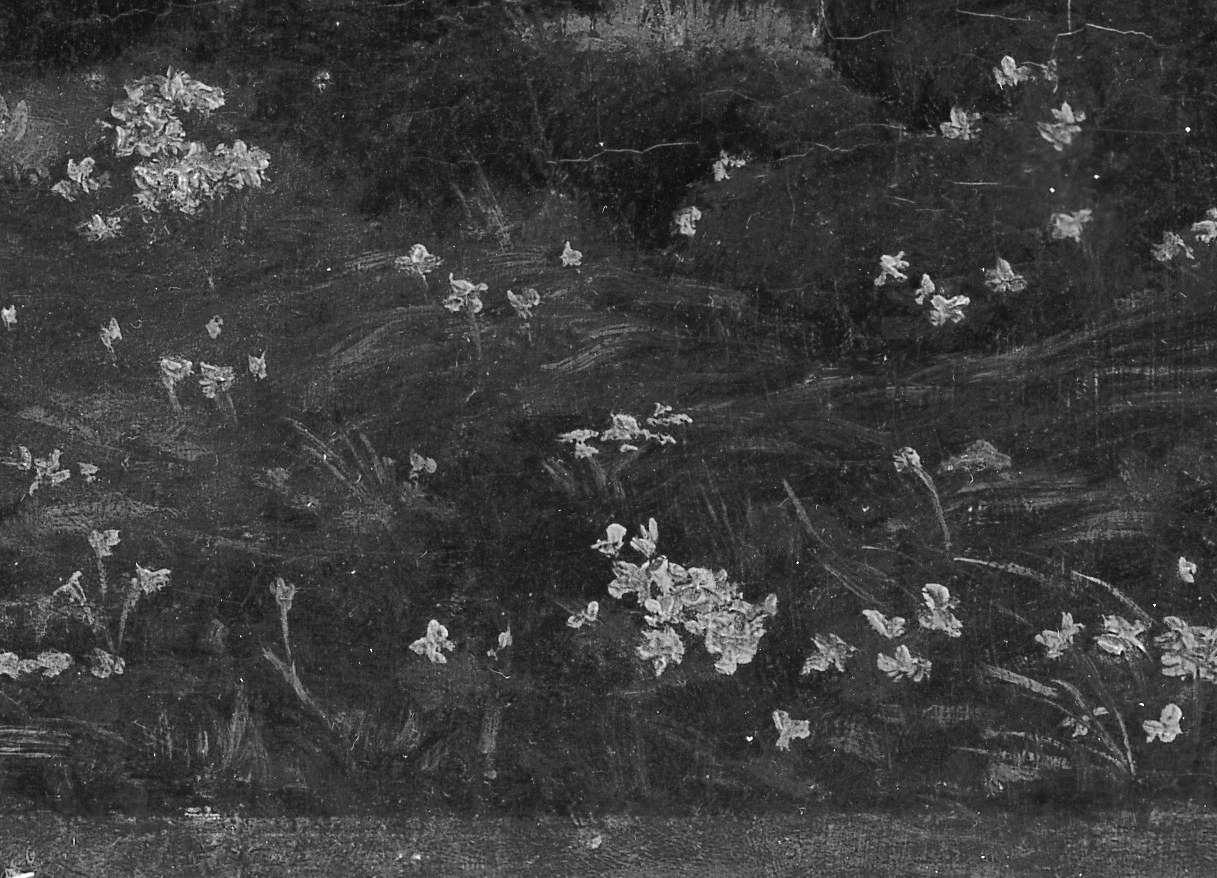
This is "Spring in Brittany," painted by Paul Sébillot in 1874 and held today at The Metropolitan Museum of Art. At first glance it's a quiet woodland scene, mossy trunks, a soft Breton mist, and a carpet of white wildflowers, likely wood anemones, blooming on the forest floor.
The painter was a native of Brittany, and he knew this landscape not just as an artist but as one of the great French folklorists of the 19th century. Sébillot spent decades walking through Breton villages, recording the oral traditions, legends, and fairy tales told there. He published more than thirty volumes of collected folklore, an urgent life's work, because he understood those stories were vanishing with the oldest generation.
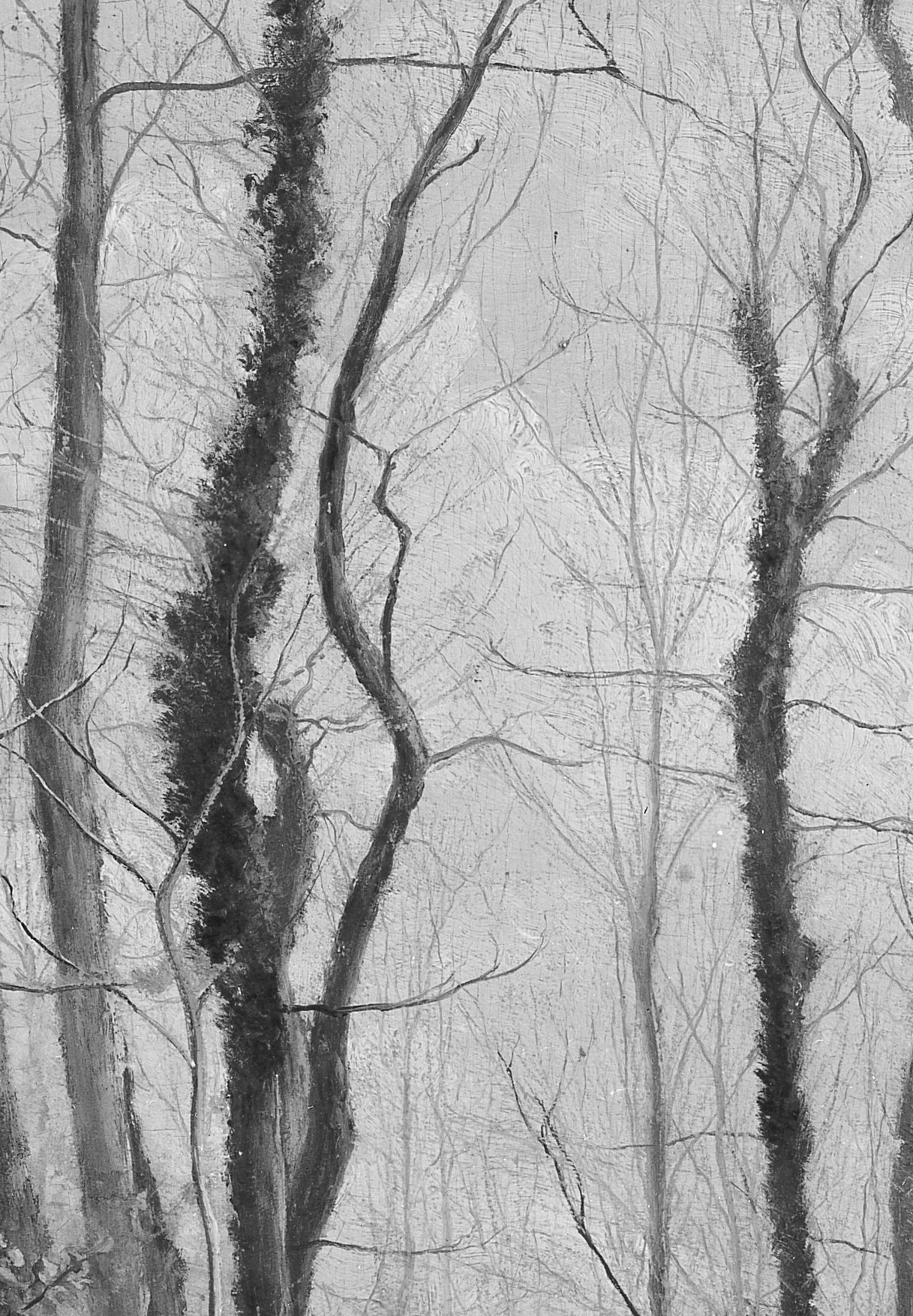
That double life changes how you see the painting. The botanical precision of the ivy spiraling up the left trunk and the anemones in the foreground is not just Impressionist observation. It is the eye of a man who knew the names, the seasons, and the stories attached to every living thing in this forest.
Next time you walk through a place that feels ordinary, consider what stories the ground might be holding.
Details
Transcript
Paul Sébillot painted this in 1874, in his native Brittany. He was a painter, yes. But that was his second life. His real work was spending decades walking through villages like this one. Recording stories. Before the oldest villagers took them to the grave. He published over thirty books of collected Breton legends and tales. Now look at the forest floor. These are wood anemones. A folklore collector knew the name of every flower that bloomed.