Horses by Paul-Albert Besnard
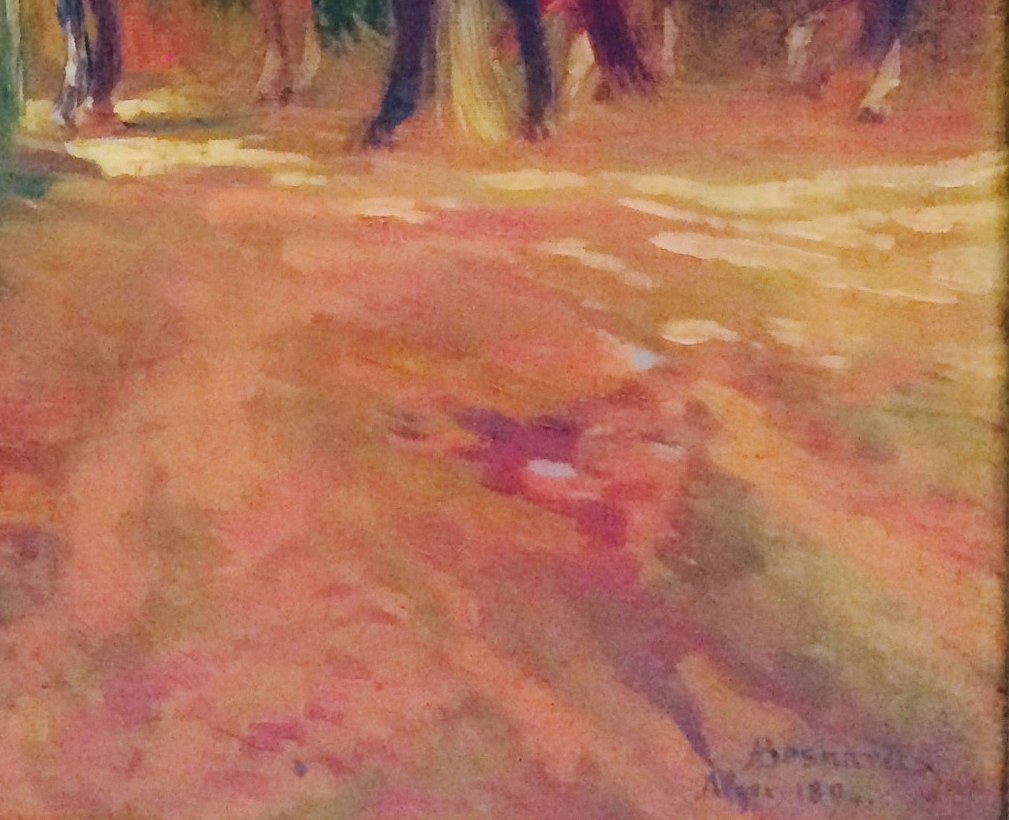
Paul-Albert Besnard's 1898 oil painting, "Horses," at The Metropolitan Museum of Art, offers a glimpse into rural life at the close of the 19th century. In an era before widespread mechanization, horses were indispensable, serving as the muscle for agriculture, transport, and daily tasks.
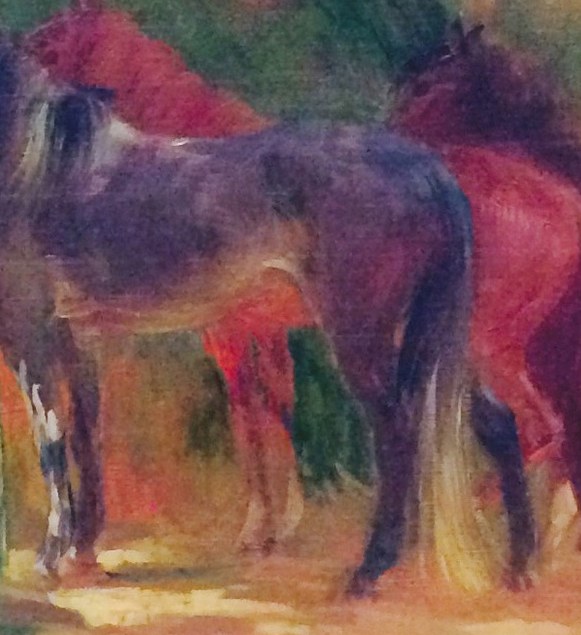
Besnard, a Parisian artist, frequently depicted animal subjects later in his career. Here, he captures three horses in a tranquil, almost meditative state, bathed in warm, dappled sunlight that filters through unseen trees.
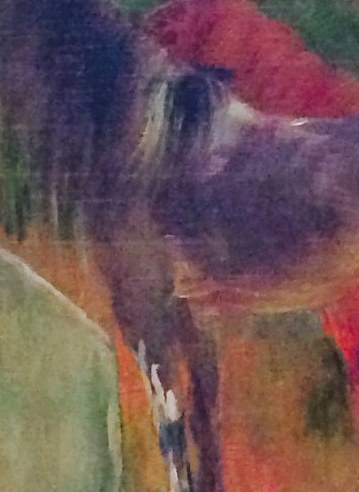
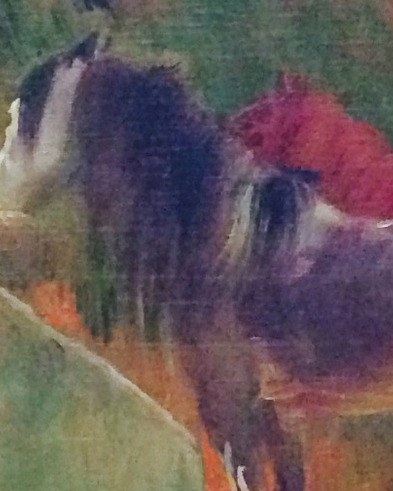
The loose, expressive brushwork gives the animals a sense of vitality, while the play of light and shadow across their forms and the rustic stone wall creates a palpable atmosphere. It's a quiet testament to the essential role these majestic creatures played in the lives of people.
What details in the painting speak to you about this bygone era?
Details
Transcript
In the late 1890s, horses were central to rural life. This painter shows three, bathed in warm, dappled light. The light catches the texture of the dark horse's mane. He captures the quiet dignity of these working animals. Besnard painted many animal subjects in his later career. He was a Parisian, but understood the rhythm of the farm.