The Alhambra, Granada, Spain by John Ferguson Weir
John Ferguson Weir's 1901 painting, *The Alhambra, Granada, Spain*, held at The Metropolitan Museum of Art, is a masterclass in capturing the ephemeral quality of light and atmosphere in oil paint.
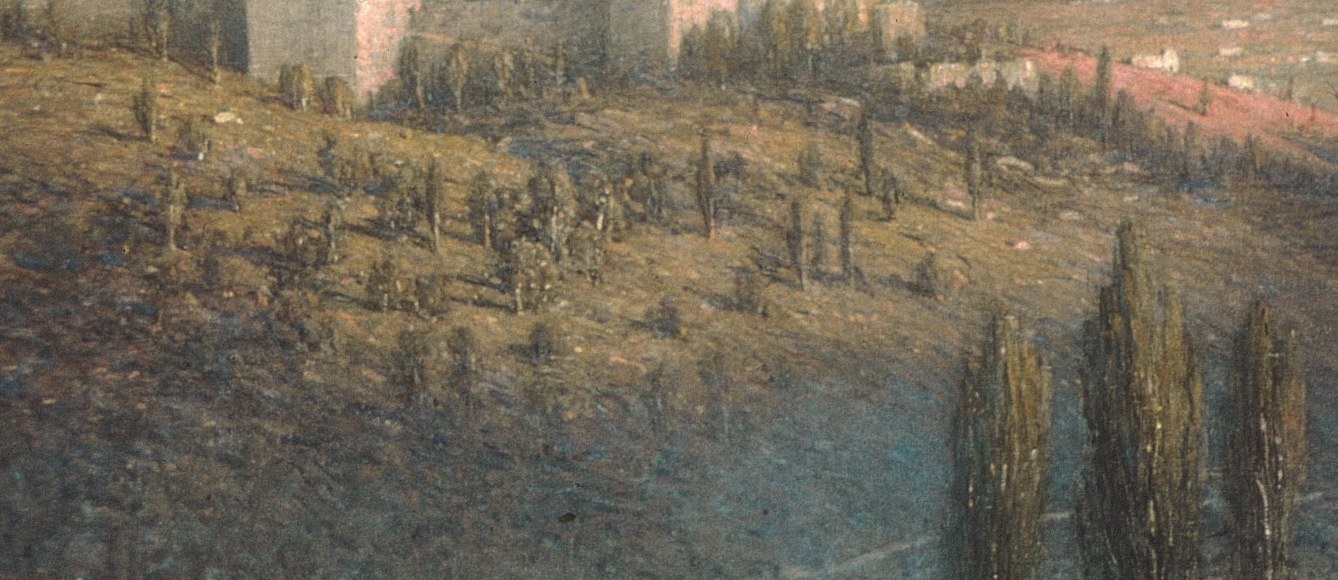
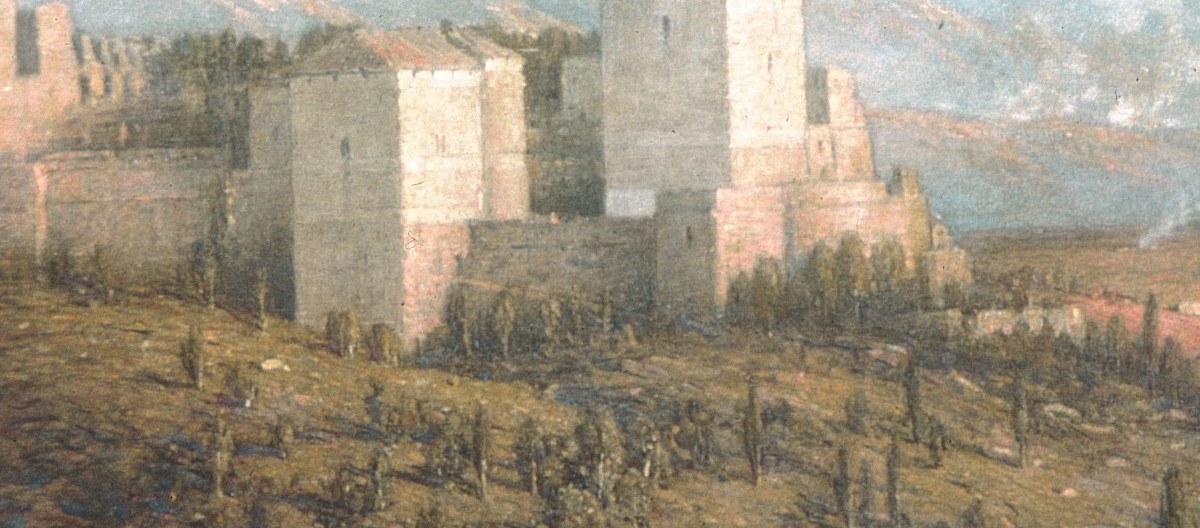
Weir, an American Impressionist, creates a sense of depth and realism through his expert handling of light and shadow. Look closely at the sunlit hillside, where thick, visible brushstrokes convey the play of morning light. The soft blend of the pale blue sky and gentle clouds further enhances the serene mood.
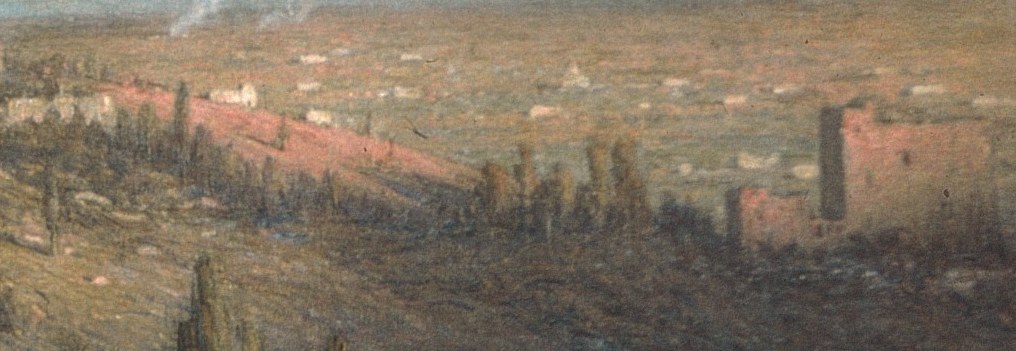
The artist's technique allows him to render the hazy distant city, making the very air seem visible on the canvas. This landscape reflects Weir's enduring interest in natural and architectural environments, a significant aspect of his artistic output throughout his career.
How does this subtle use of light change your perception of the grand Alhambra?
Details

Transcript
This painter uses light to make a landscape breathe. See how the morning sun catches the hillside. He captures the diffuse light with loose brushstrokes. The sky is a soft blend of blue and cloud. Notice the subtle haze over the distant city. This is how he makes air visible, in oil paint.