Selvaggia Sassetti (born 1470) by Davide Ghirlandaio
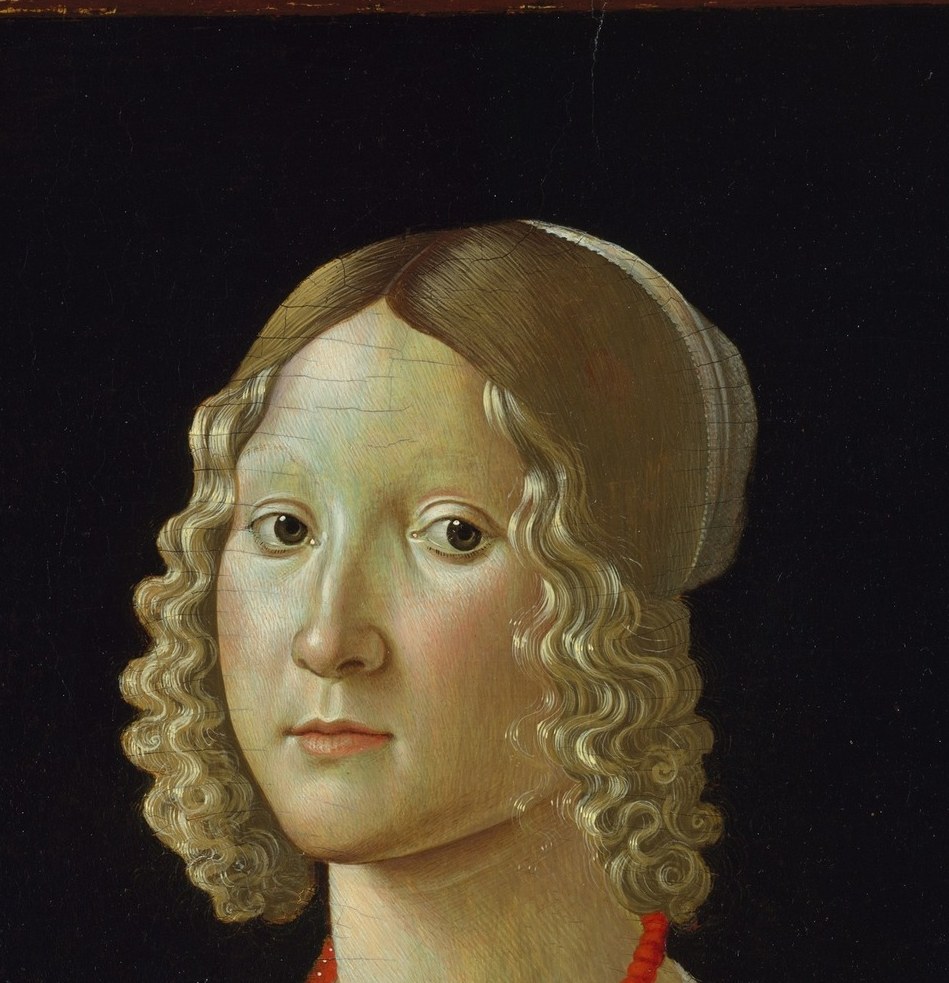
This is 'Selvaggia Sassetti,' painted in 1494 by the Florentine artist Davide Ghirlandaio. It's housed at The Metropolitan Museum of Art. What looks like a simple portrait of a teenager is actually a rich document of Renaissance parental worry: almost everything you see is designed to protect her from harm.
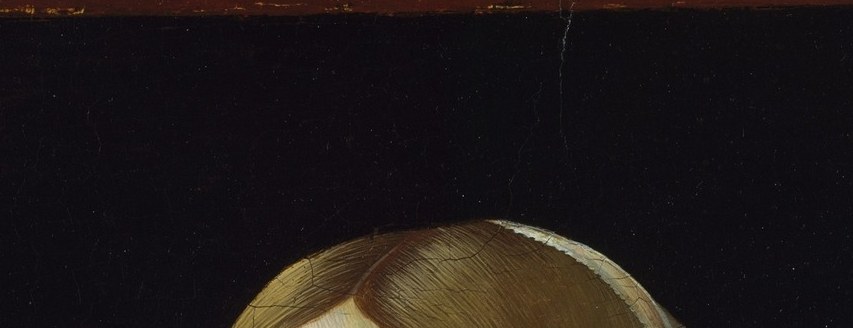
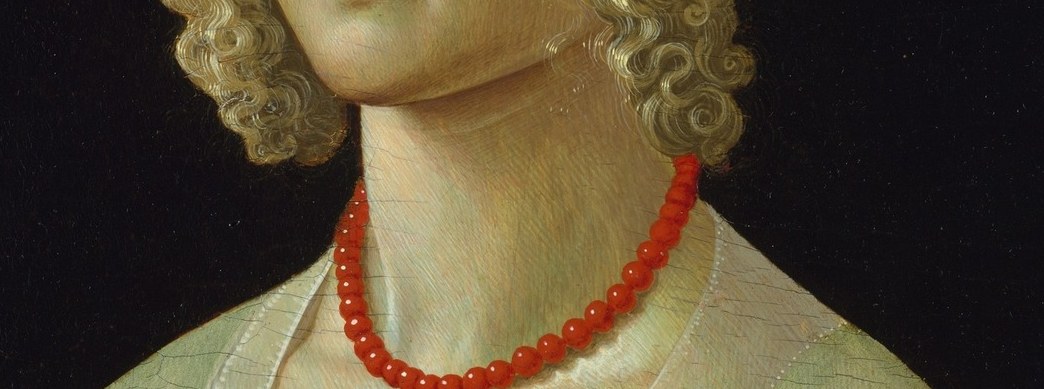
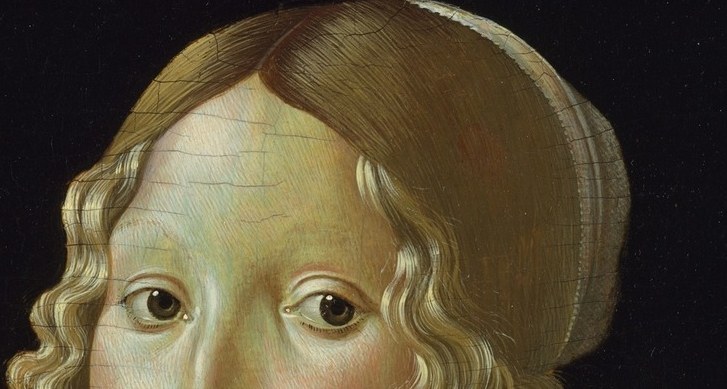
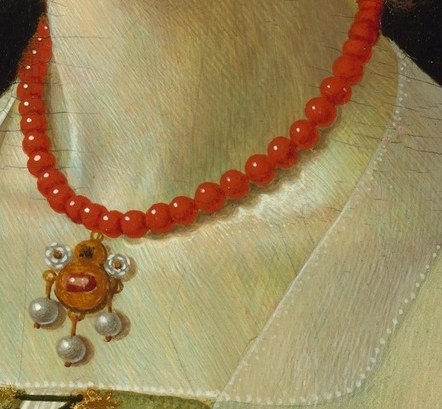
Look first at the bright red beads around her neck. You might see jewelry, but a Florentine viewer saw a shield. Red coral was a deeply serious protective amulet against illness and evil spirits, worn especially by young women. Right below it, hanging at her sternum, is a small devotional pendant, anchoring her secular portrait to piety. Even the artificially high hairline, which looks strange to us, was a severe beauty ideal achieved by plucking or shaving, signaling her social status.
Davide painted this the same year his more famous brother, Domenico Ghirlandaio, died of a fever. Davide took over the family workshop, managing its commissions and training Domenico's young son. While always in his brother's shadow, Davide was a master in his own right, who also oversaw major mosaic projects at the Orvieto Cathedral. This portrait remains one of his most intact and sensitive surviving panel paintings.
The next time you see coral in a Renaissance painting, look twice. It isn't a simple accessory. It's a parent's desperate, coded wish for their child to survive in a world without modern medicine.
Details
Transcript
She was 17 years old, named Selvaggia Sassetti. Her groomed hairline is not a mistake. It was the ideal. Her family chose a red coral necklace. In Renaissance Italy, red coral was a hardcore amulet. Parents placed it on daughters to shield against disease and evil. Look just below the coral. A devotional pendant guards her chest. This marriage portrait is a layered suit of armor, dressed as beauty.