Children Dancing by http://www.wikidata.org/.well-known/genid/0340071d53e9eeb85e2574aa9e351f86
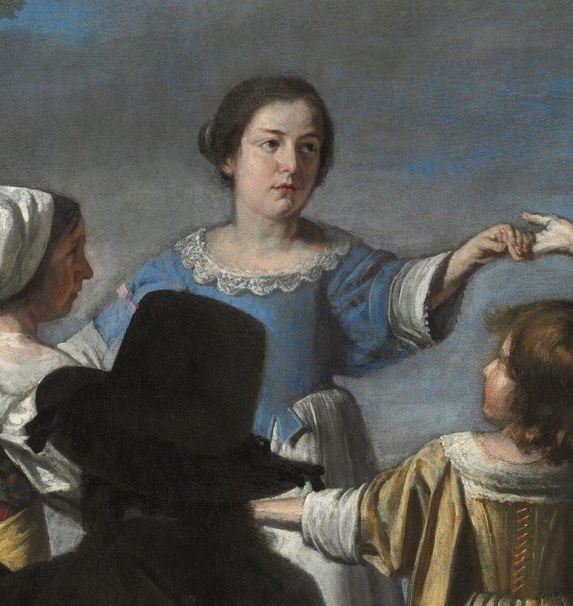
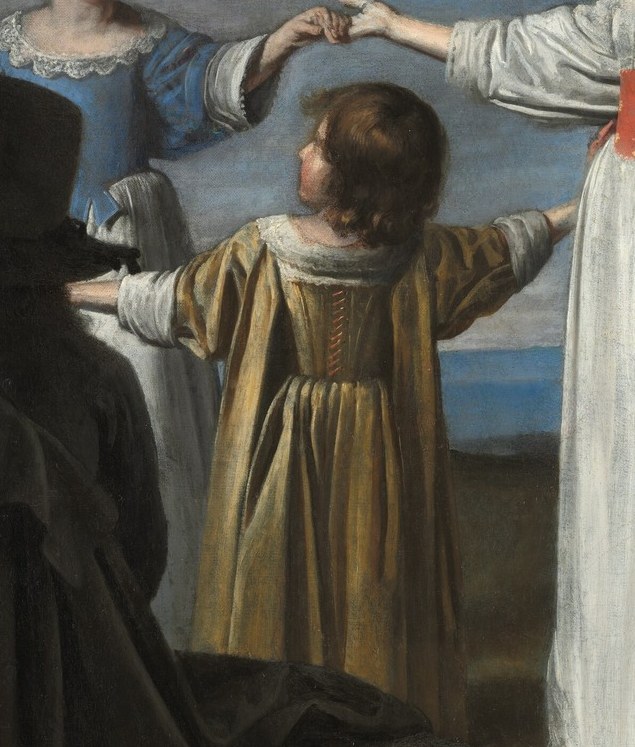
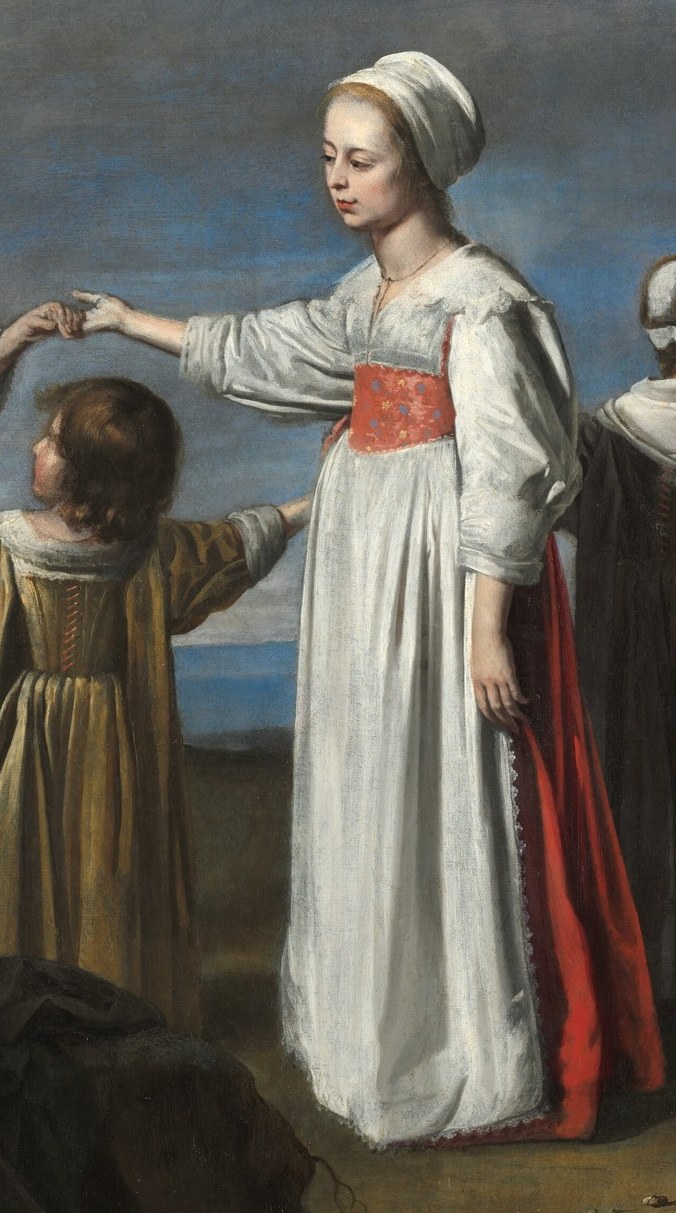
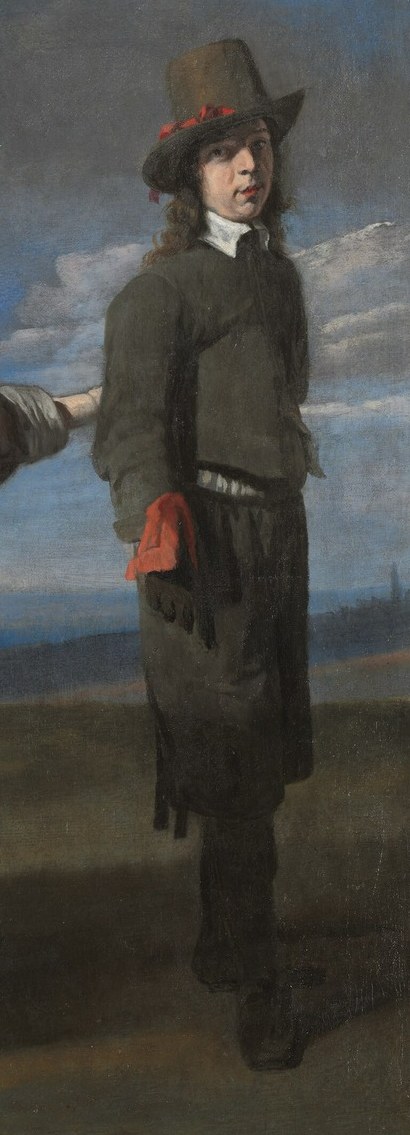
Children Dancing, by this artist, 1650, oil on canvas. This painting caused outrage when first exhibited, leading to its rejection from the prestigious Paris Salon. The vibrant depiction of a folk dance was deemed too scandalous by the era's conservative critics.
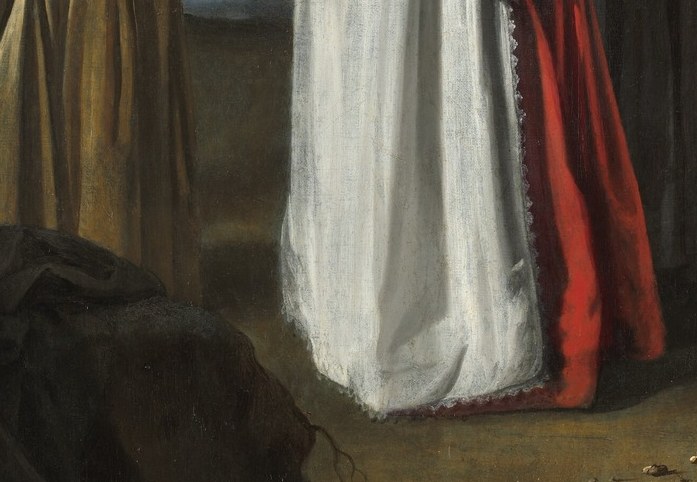
Observe the lively movement captured here: the figures, adults and children alike, are caught in a circle, hands joined. Notice the striking contrast of the central woman's white dress against her vivid red sash, a detail that draws the eye and adds visual energy to the scene.
The artist aimed to capture a moment of communal joy and folk tradition. However, the dynamic poses and swirling garments were interpreted by some as suggestive, sparking controversy and ultimately preventing its display at the Salon.
This painting remains a fascinating example of how art can challenge societal norms, even through depictions of simple village life.
Details
Transcript
This painter shocked Paris in 1650. They showed a village dance, or so it seemed. Look at the central woman's vibrant red sash. But critics saw indecency in the swirling skirts. The Paris Salon rejected it outright. A scandal for this lively folk dance.