The Waag (weigh-house) and Crane on the Spaarne, Haarlem by Gerrit Adriaenszoon Berckheyde
This is Gerrit Adriaenszoon Berckheyde's *The Waag (weigh-house) and Crane on the Spaarne, Haarlem*, painted around 1670. It captures a vibrant, working cityscape during the Dutch Golden Age, a time of immense commercial prosperity.
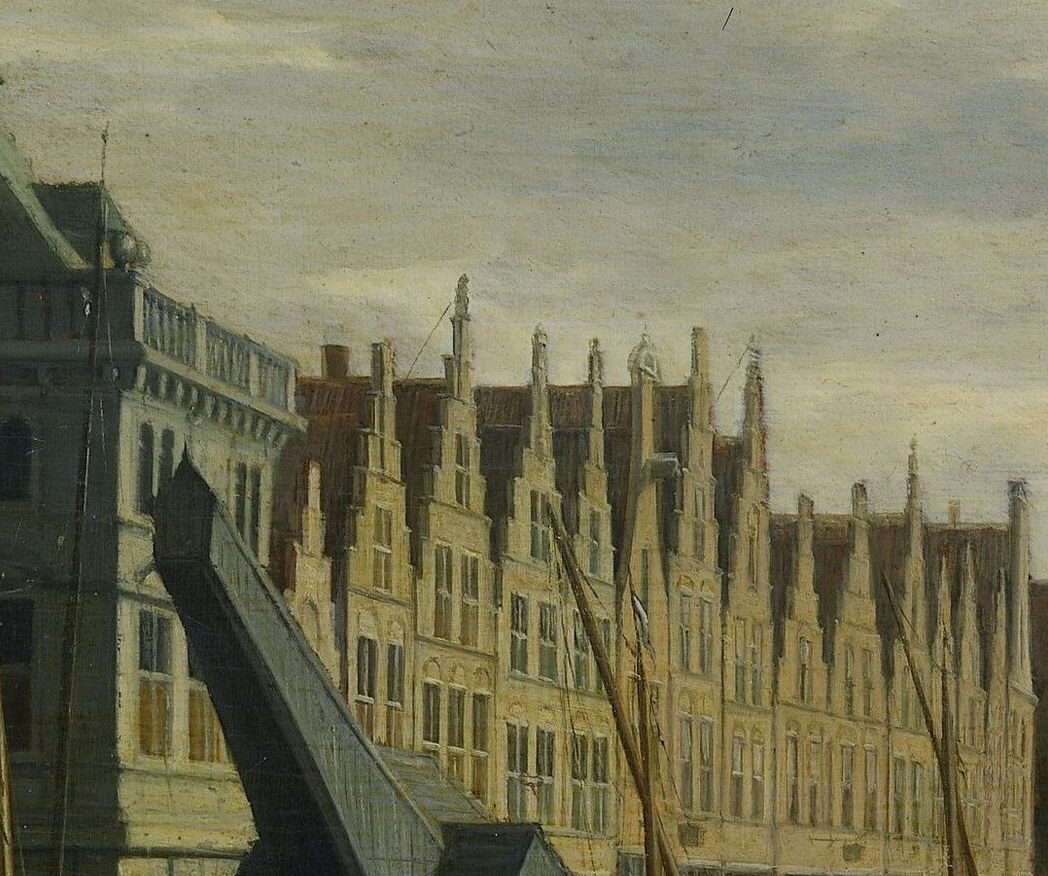
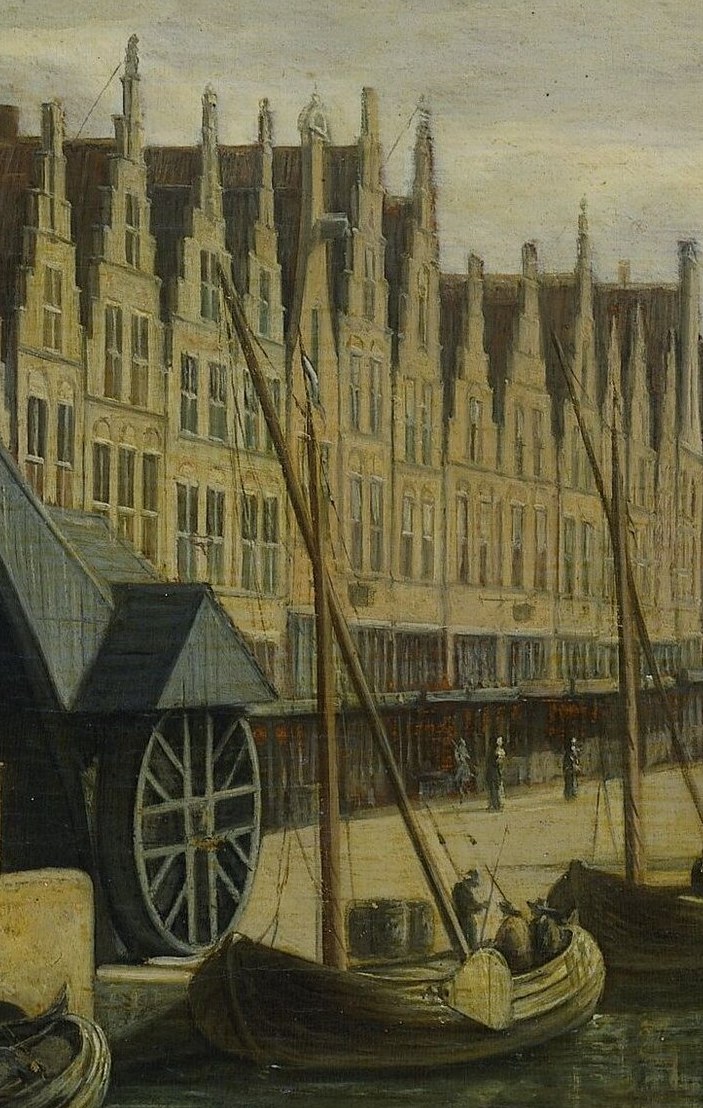
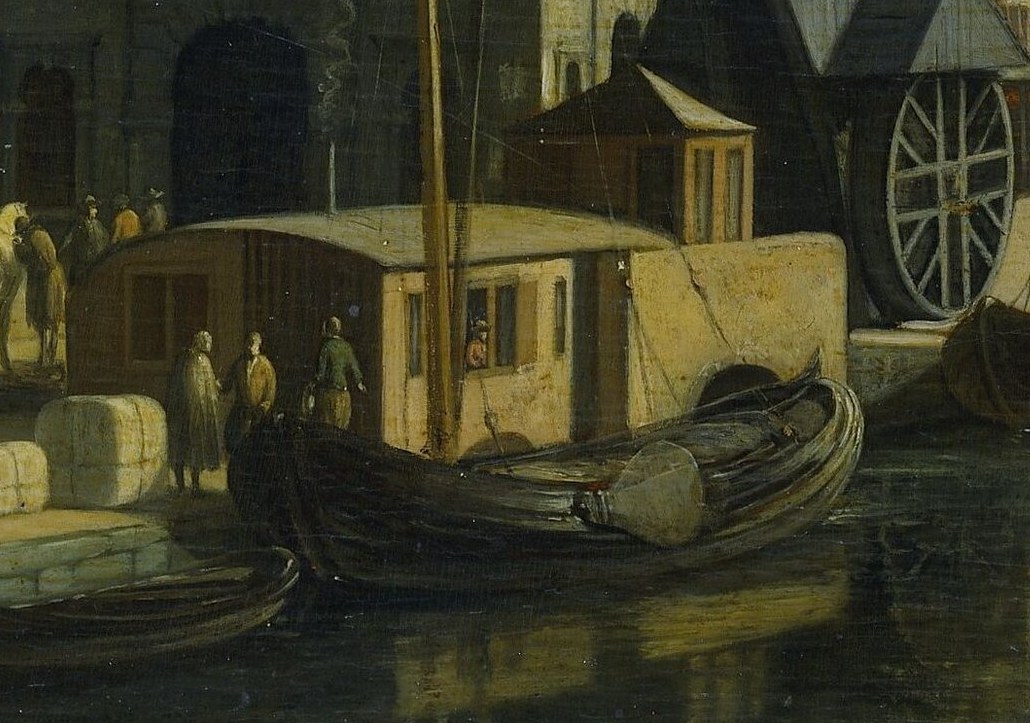
Look closely at the Waag, the city's weigh-house, a symbol of its economic power. Nearby, a massive treadwheel crane hints at the sheer physical labor involved in trade. Tiny figures on the quay and a bustling barge in the foreground remind us that this grand urban scene was built by the everyday work of many individuals.
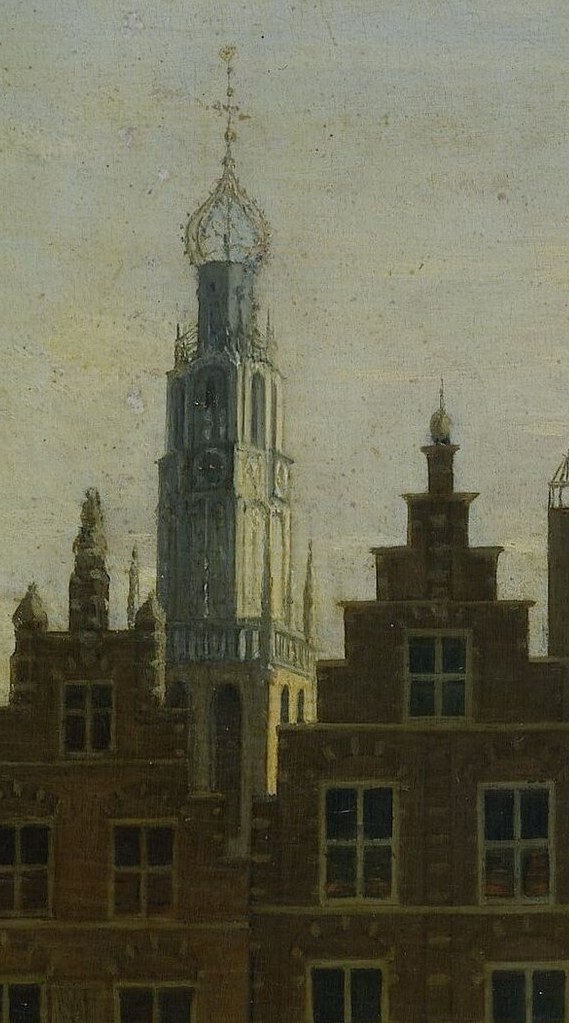
Berckheyde was a master of Dutch cityscapes. This painting showcases his meticulous detail and his ability to convey the atmosphere of a prosperous trading city. The scene emphasizes the essential role of labor and infrastructure in the Dutch Republic's Golden Age.
It is a quiet tribute to the people who built and sustained these thriving centers of commerce.
Details
Transcript
This is Haarlem, 1670. A city built on trade. The Waag, a weigh-house, stands at the river's edge. Its trade meant men lifting heavy goods by hand. A single barge carries the day's transactions. Tiny figures work the quay. This was their life. Berckheyde painted a city powered by its people.