Madonna and Child by Italian 15th Century
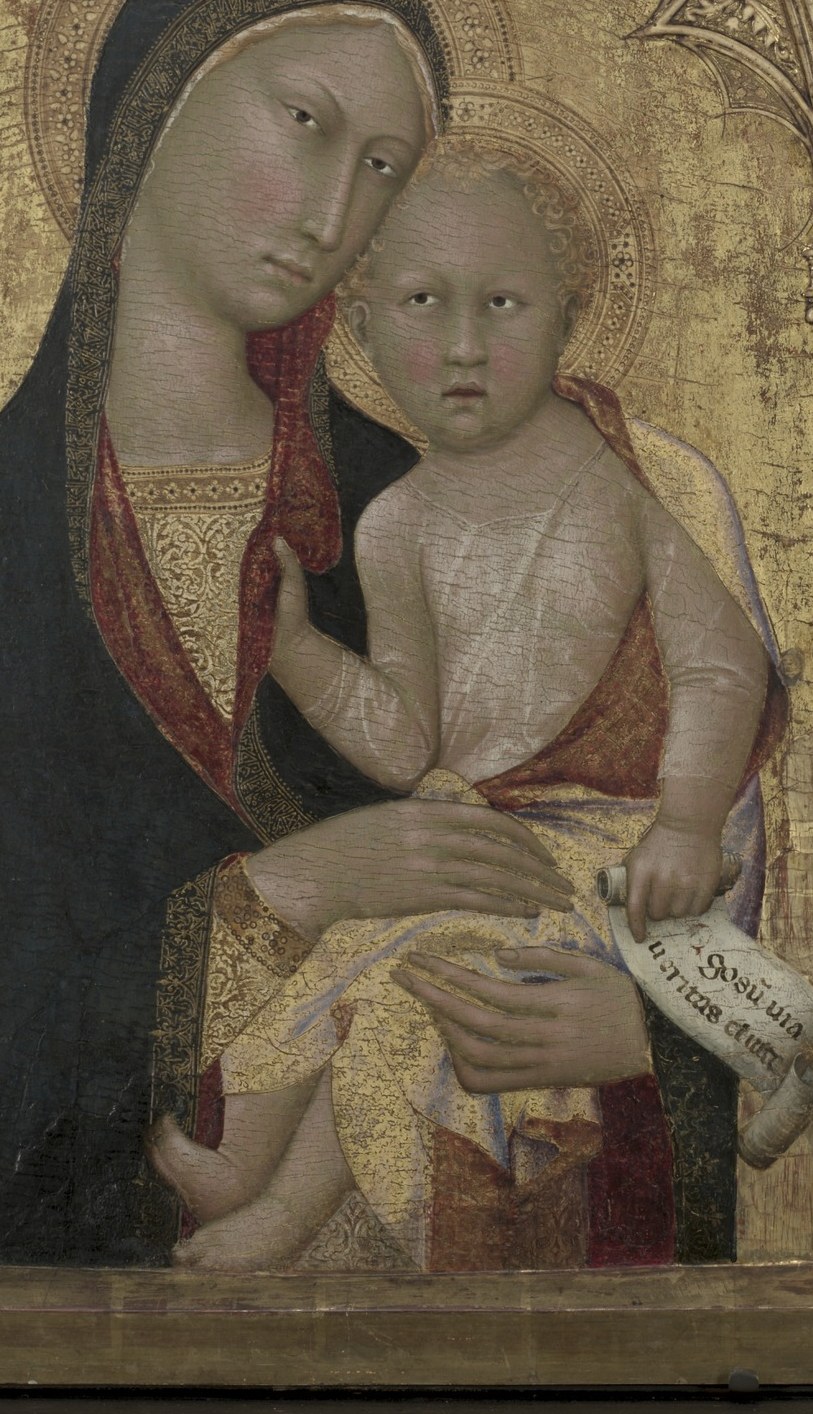
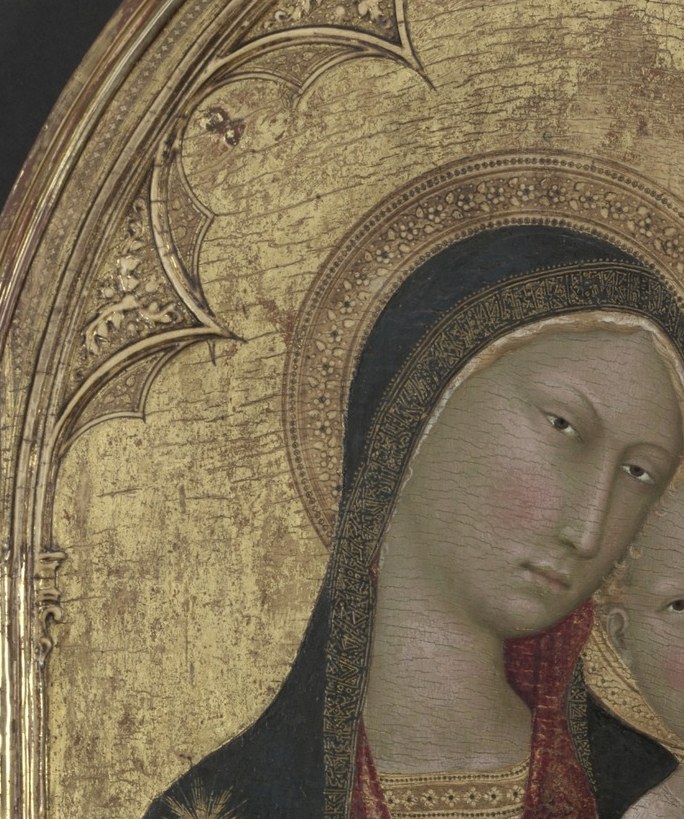
This is "Madonna and Child," painted by an unknown Italian hand around 1470-80. It is tempera on poplar panel.
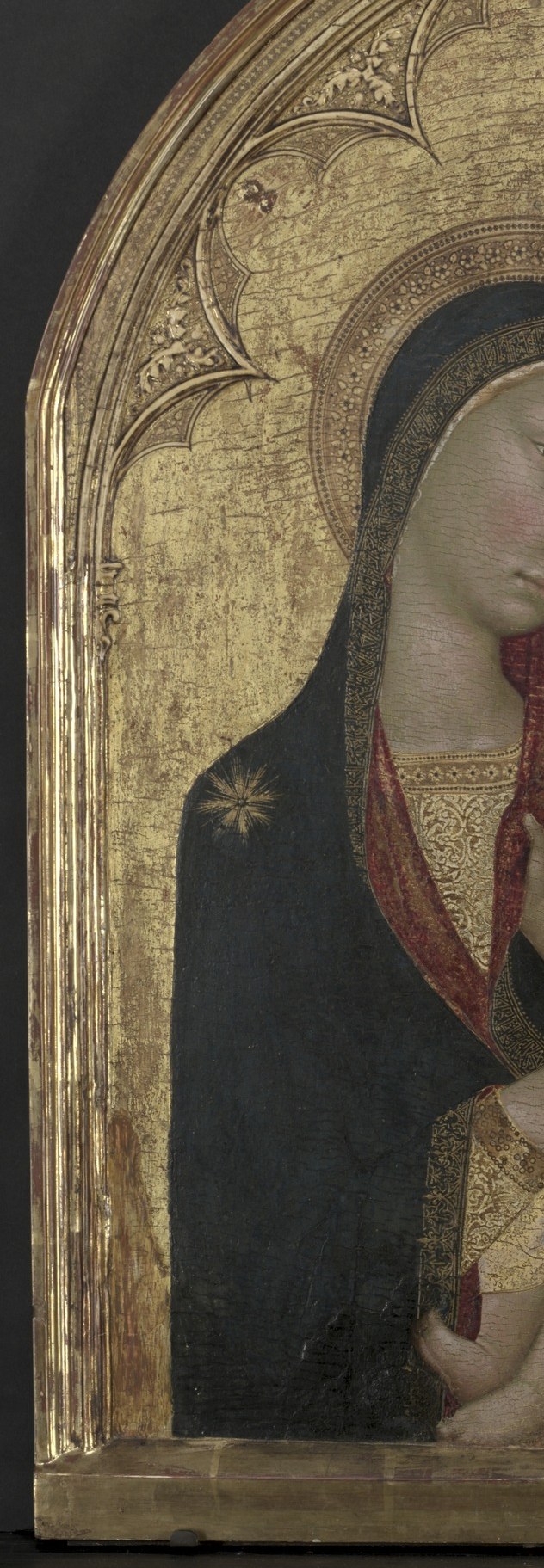
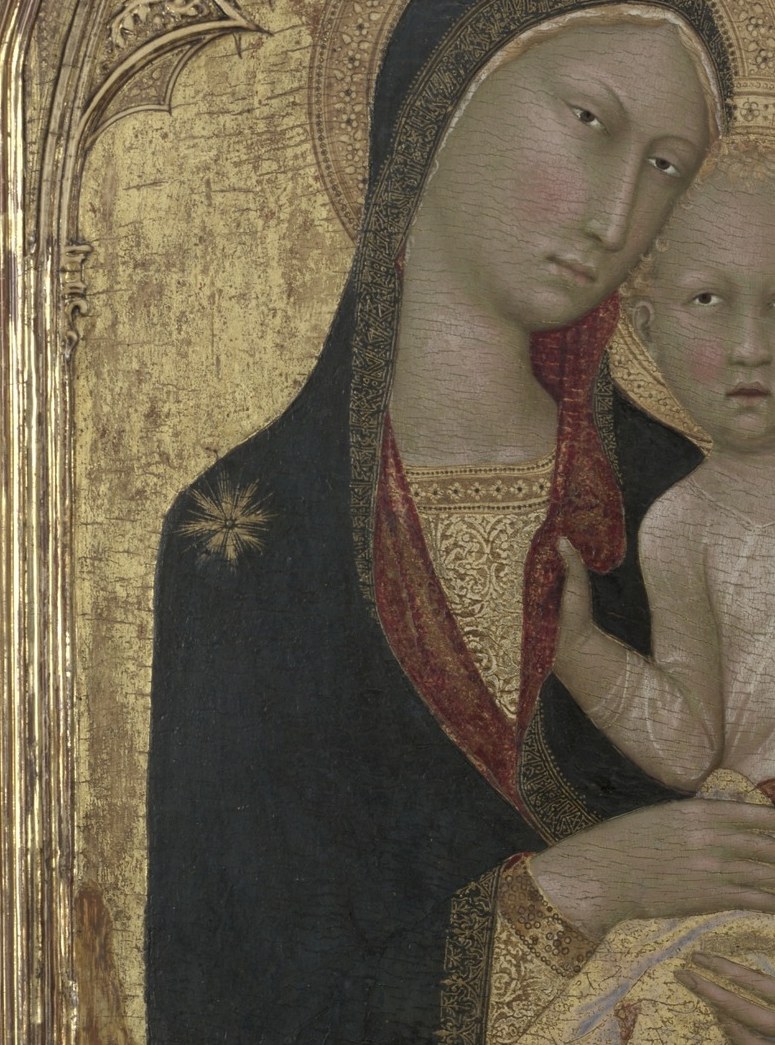
Look first at her mantle, that deep blue that holds the whole painting together. That is ultramarine, made from lapis lazuli. Every gram of it traveled from a single mountain range in Afghanistan, across trade routes controlled by Venice. It cost more per ounce than gold leaf, and by the time it arrived in a Florentine workshop, it had passed through more hands than the silk it sat beside.
Patrons knew the price, and they wanted it visible. A contract for a 15th-century altarpiece often specified exactly how much ultramarine the artist must use, and where. The crimson vermilion underneath was costly in its own right but local in origin. The real statement is the blue, draped across Mary alone. The infant Christ wears undyed white, a deliberate economic and theological choice.
A painting like this was not only an act of devotion. It was a public display of the patron's resources and taste, and the painter's skill in handling a material that punished mistakes. You could not work ultramarine like ordinary pigment. Every brushstroke was a financial decision.
Details
Transcript
In 15th-century Italy, one color cost more than gold. This blue. It is ultramarine, ground from lapis lazuli mined in Afghanistan. Patrons paid extra for it. The contract often specified how much. The crimson vermilion beneath it was expensive too. But look where the painter spent the real money. Mary wears the imported stone. The Child gets white cloth. Her face, framed by that fortune, stays calm.