Captain Samuel Sharpe Pocklington with His Wife, Pleasance, and possibly His Sister, Frances by Stubbs, George
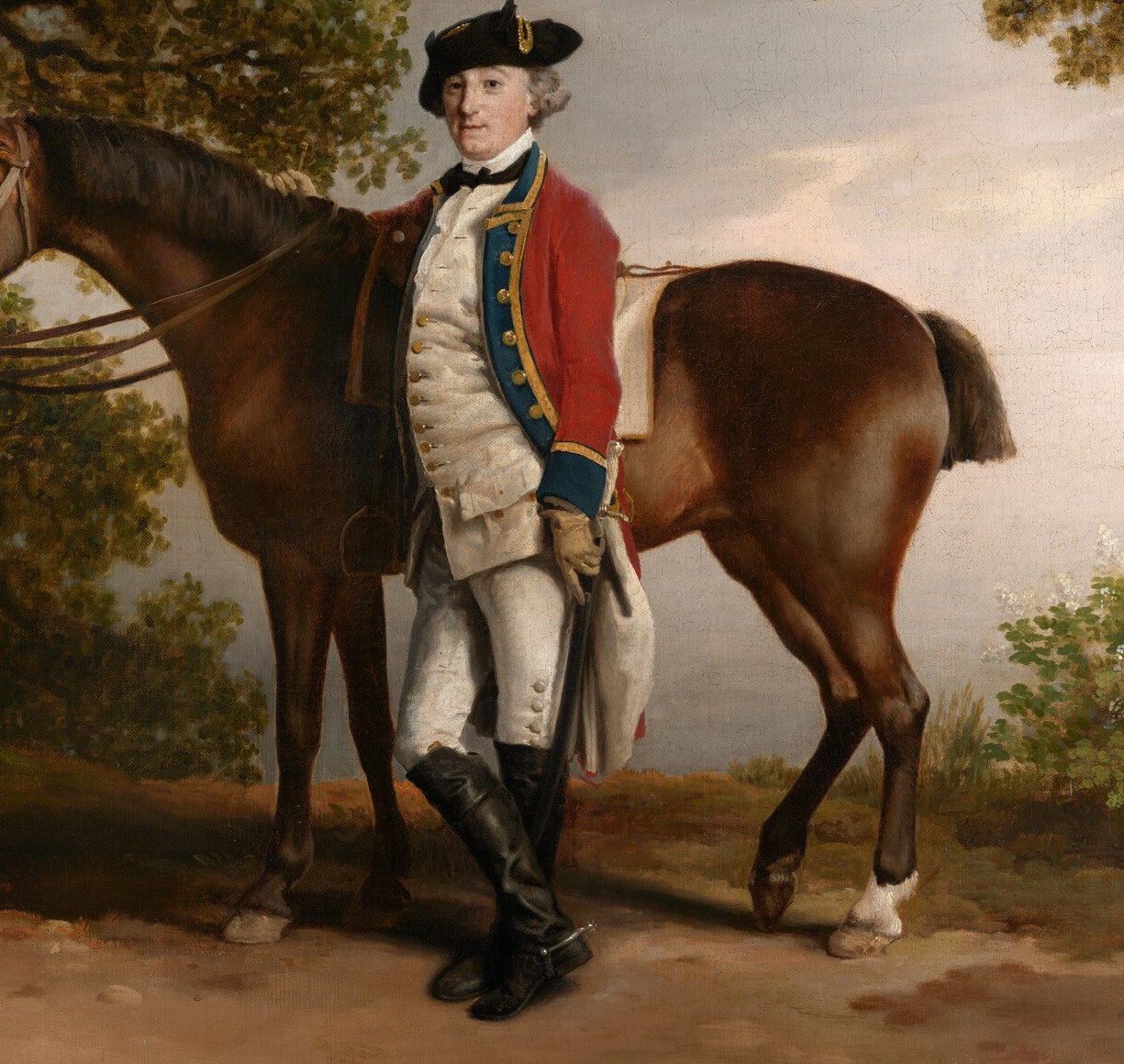
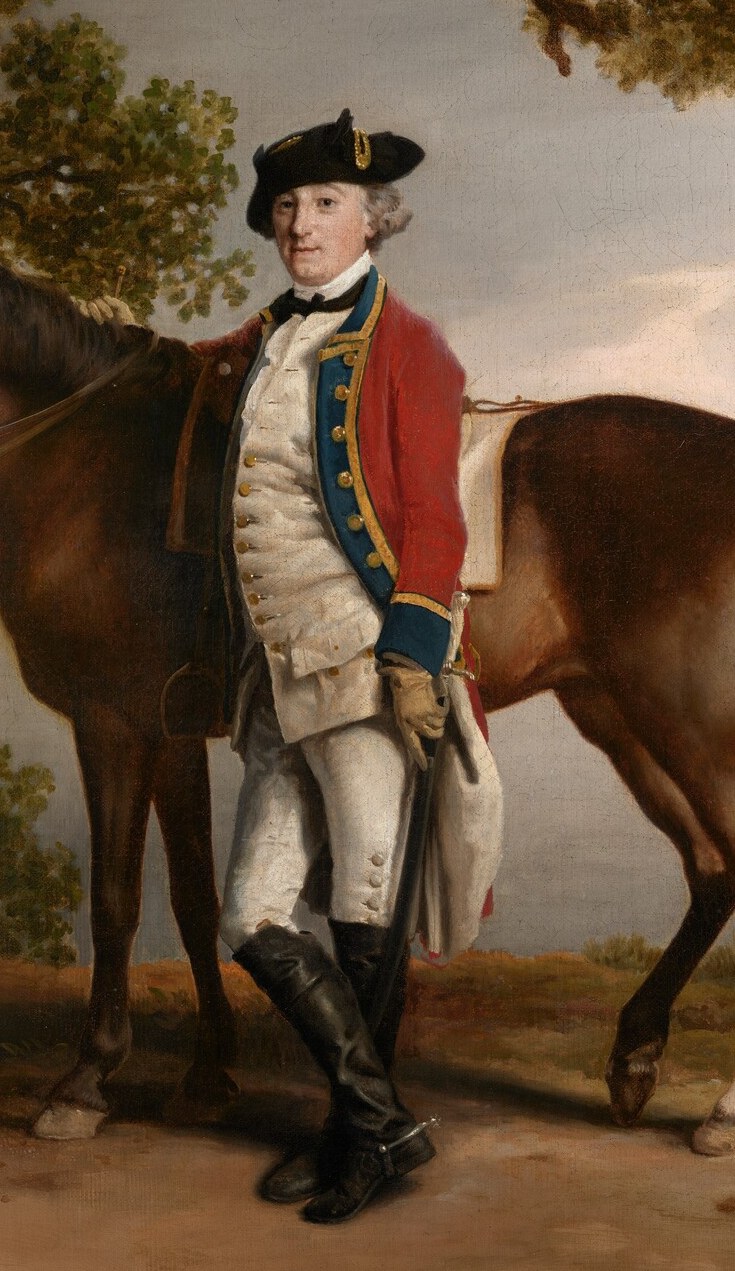
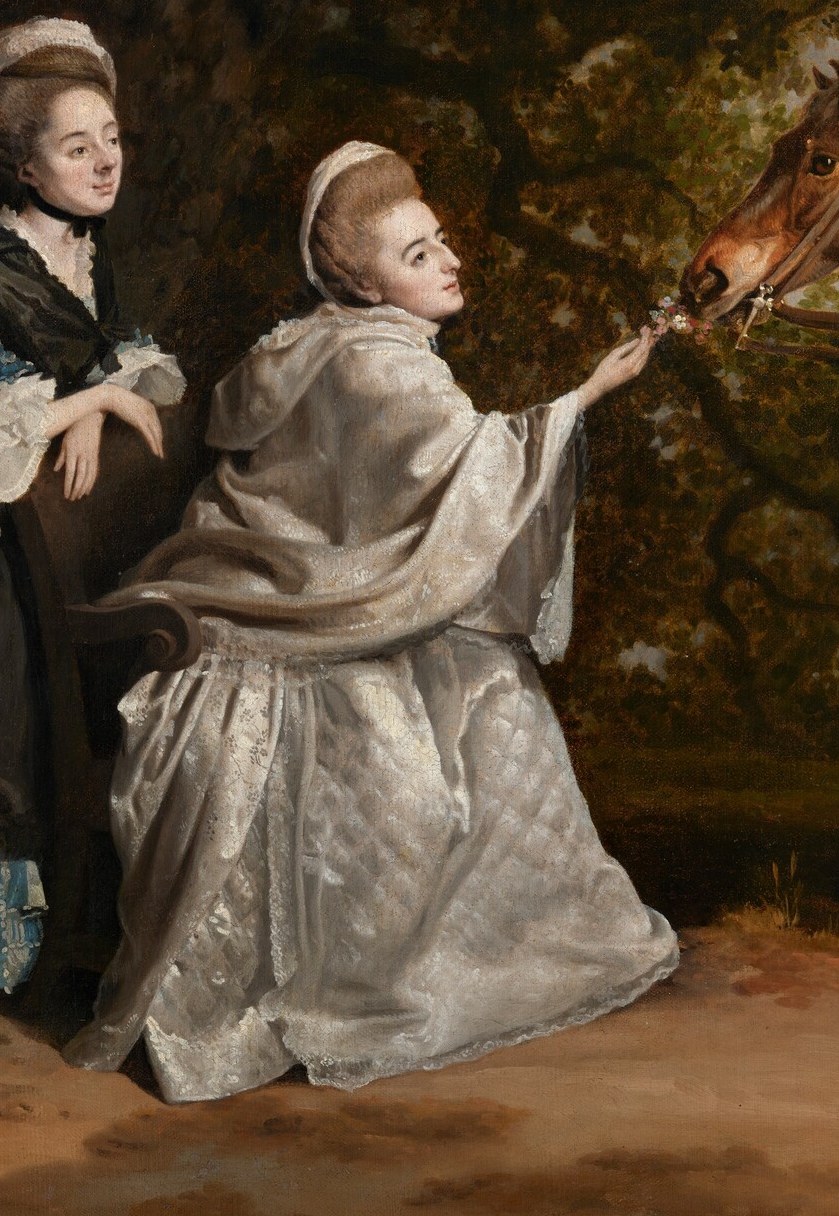
George Stubbs, a master of animal anatomy, painted "Captain Samuel Sharpe Pocklington with His Wife, Pleasance, and possibly His Sister, Frances" in 1769. This oil on canvas, now in a public collection, showcases his extraordinary ability to render both living creatures and natural elements with astonishing precision.
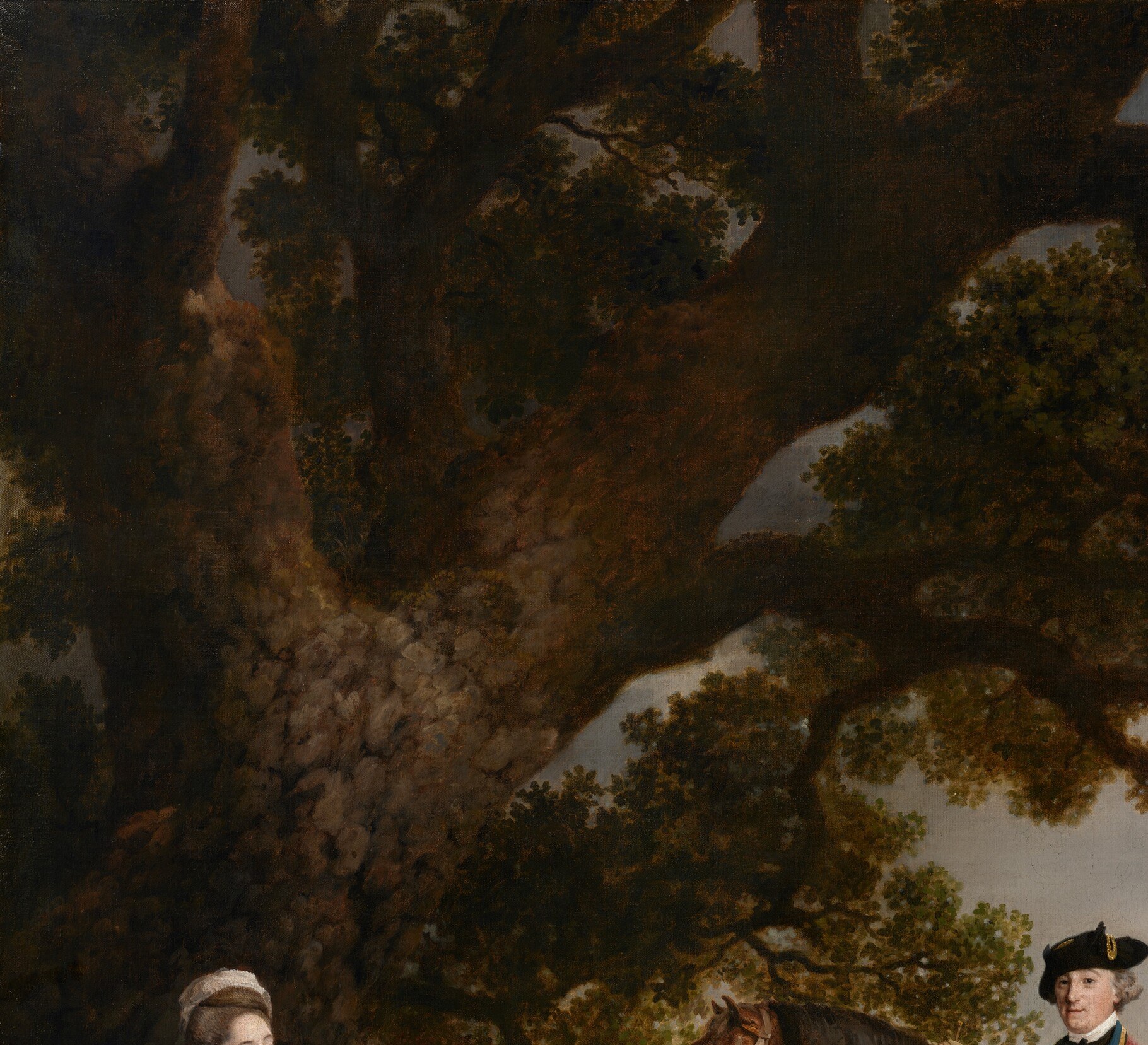
Observe the powerful musculature of the brown horse, a testament to Stubbs's intensive study of animal anatomy. Then, shift your gaze to the large oak tree, where the gnarled bark appears almost tangible on the canvas.
Stubbs was largely self-taught, operating outside the established London art world. Despite this, he secured commissions from the gentry, earning a reputation for his masterful depictions of animals, particularly horses. His unique approach brought a blend of naturalism and decorative elegance to the Rococo style of the period.
It's remarkable how a self-trained artist achieved such a profound understanding of form and texture, isn't it?
Details
Transcript
This painter was famous for his horses. He studied animal anatomy for years to paint them precisely. Look at the musculature of this powerful animal. He also perfectly captured the texture of the old oak tree. See the gnarled bark, almost palpable on the canvas. The painter was self-taught, working outside the art establishment.