Adoration of the Shepherds by Joachim Wtewael
Joachim Wtewael's Adoration of the Shepherds (circa 1625, Museo del Prado) is a masterclass in Mannerist symbolism. Beyond the devout scene, Wtewael embeds layers of meaning in everyday objects.
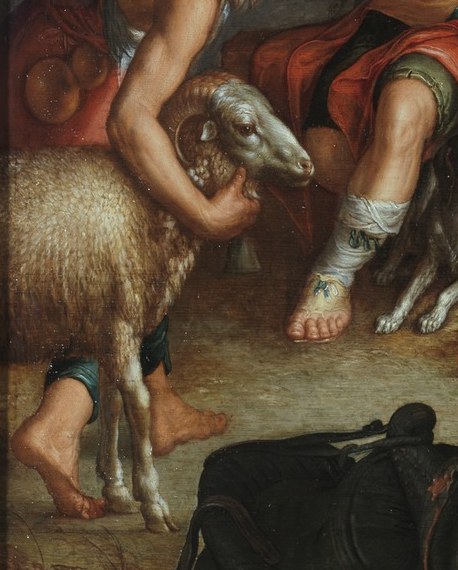
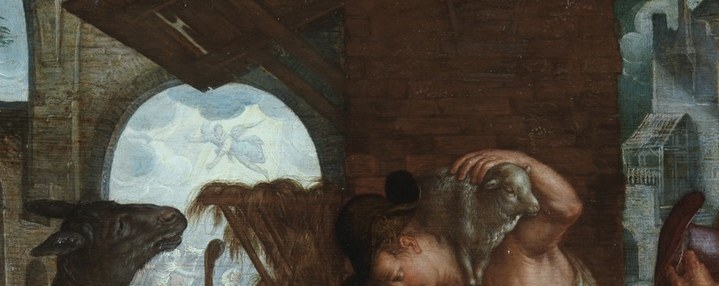
Look closely at the donkey, a symbol of Christ's patient endurance of humanity's burdens. The lamb held by the shepherd signifies Christ's future sacrifice, a common motif in Nativity scenes. Notice the small dog, an emblem of loyalty and devotion to the divine.
Created in 1625, Wtewael, a Dutch Mannerist, synthesized Northern traditions with Italian Baroque flair. The humble setting, represented by the stable architecture, contrasts with the profound theological message of the Nativity. This painting, now in the Museo del Prado, invites viewers to decode its rich iconography.
Wtewael's skill lies in transforming familiar elements into profound statements of faith.
Details
Transcript
A donkey watches the holy birth. Donkeys symbolize patience and burden. A lamb awaits the shepherd's hands. The lamb signifies Christ's sacrifice. A dog looks out, a symbol of devotion. This scene unfolds in humble surroundings. Joachim Wtewael painted this in 1625. Humility and sacrifice frame the divine.