Man and Woman at a Spinning Wheel by Pieter Pietersz the Elder
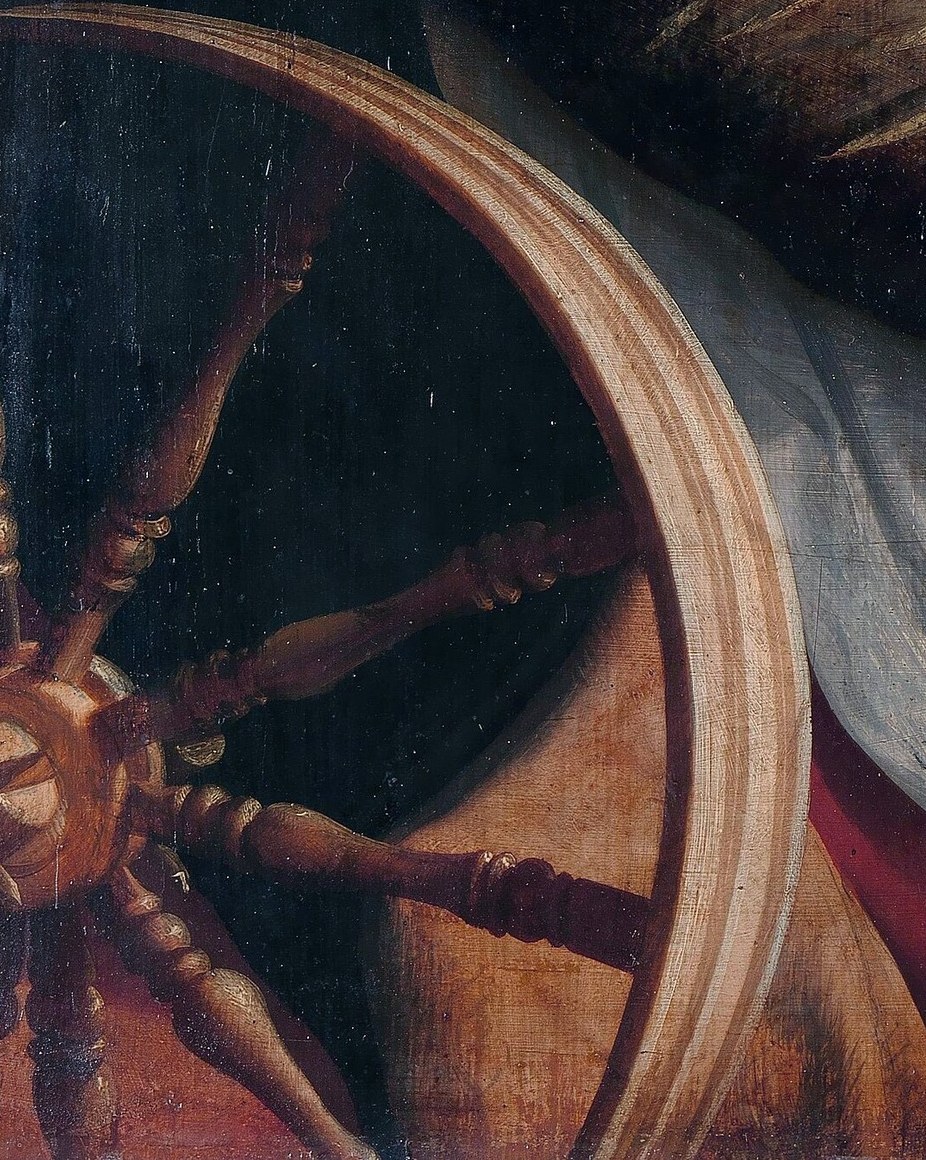
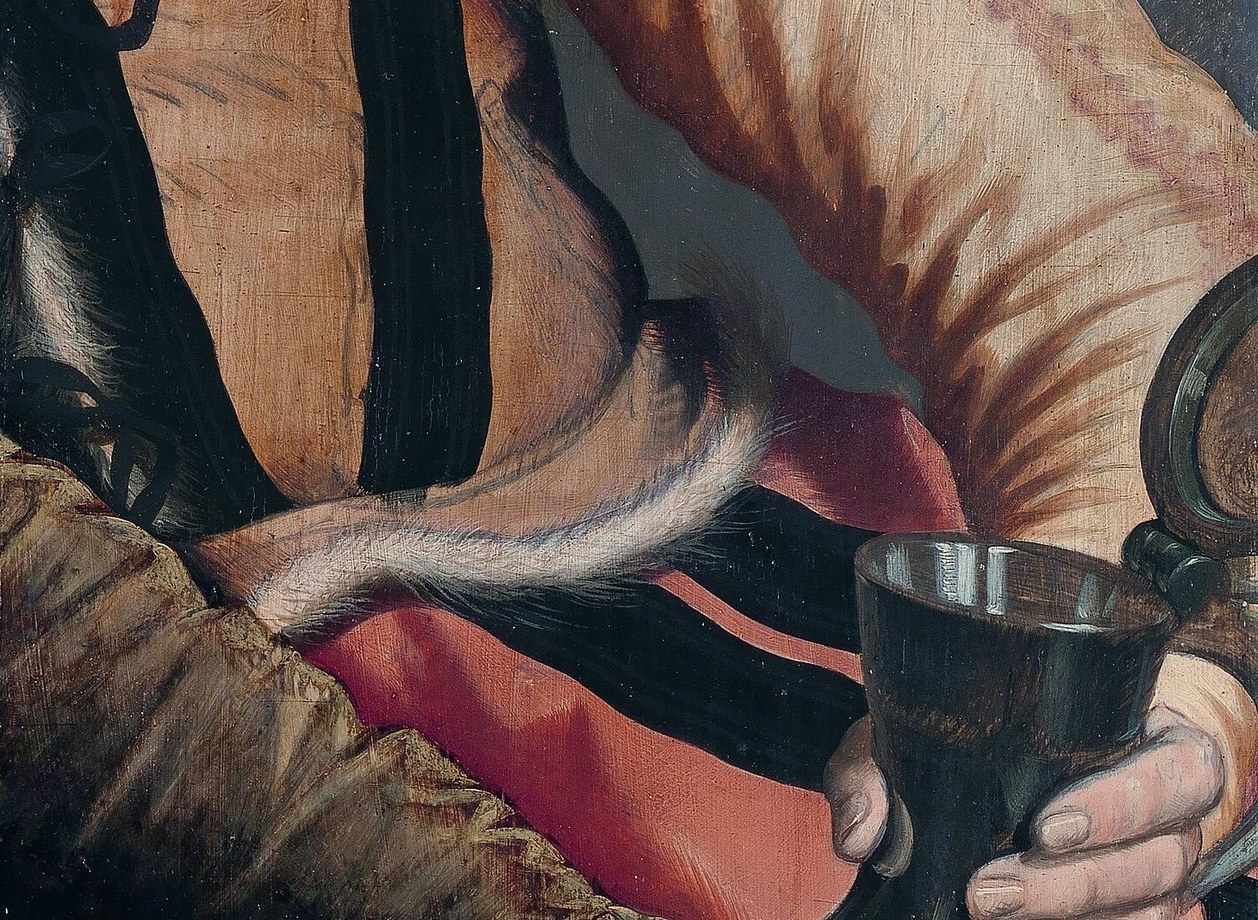
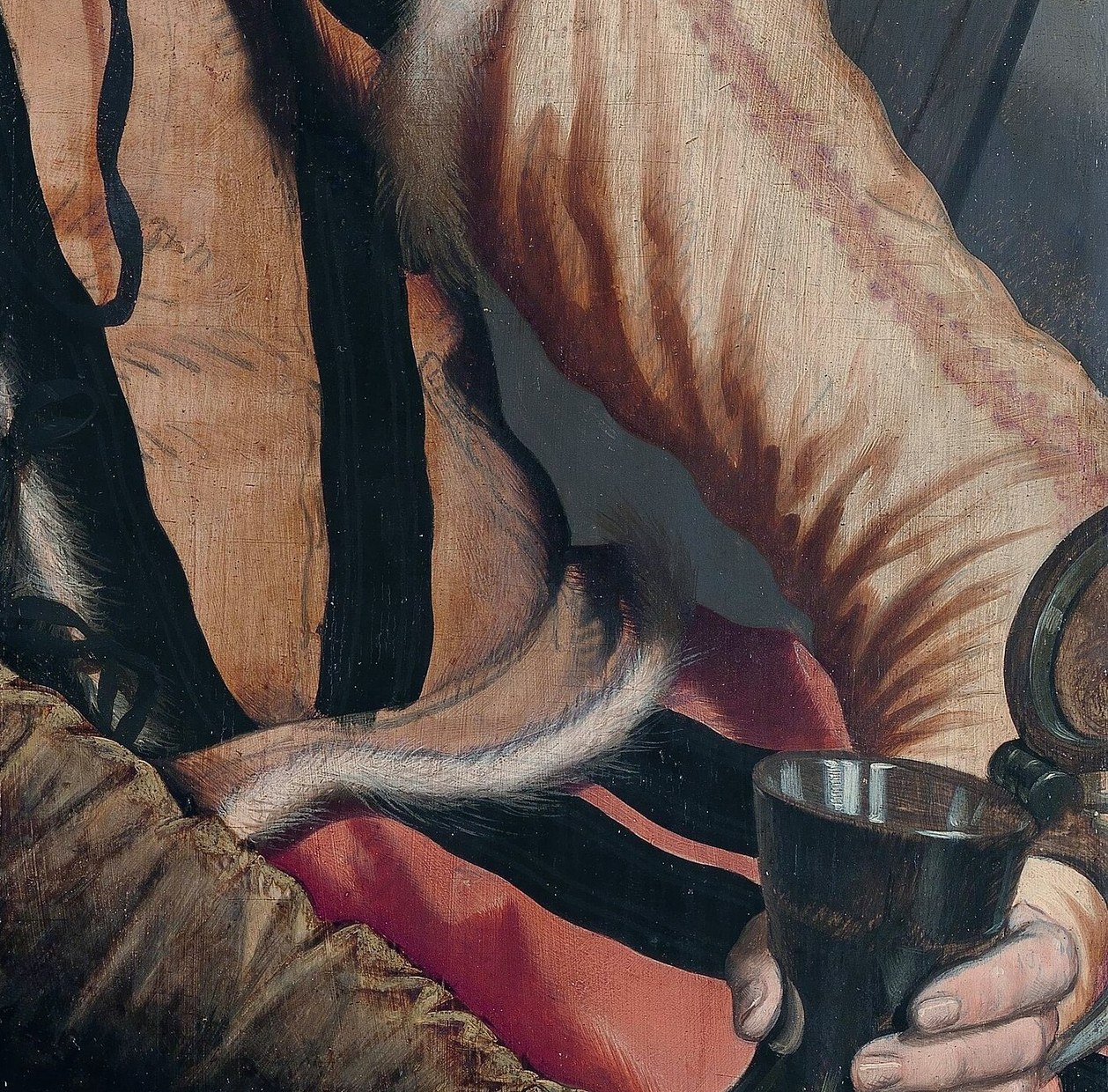
In Pieter Pietersz the Elder’s 1570 painting, "Man and Woman at a Spinning Wheel," a subtle detail in the background offers a fascinating glimpse into 16th-century Dutch domestic life and social hierarchy. Held at the Rijksmuseum, this work initially appears to be a simple portrayal of a couple engaged in a common household task.
While the woman diligently works at her spinning wheel, and the man observes, a quiet servant can be seen leaning against a table in the background. Her presence is a key detail, shifting the interpretation of the scene from a purely domestic setting to one that includes the unspoken dynamics of class.
Pietersz’s use of chiaroscuro illuminates the main figures, drawing attention to their expressions and the texture of their clothing, while the servant remains in shadow, underscoring her role. This painting aligns with a trend in the Low Countries during the late Renaissance, depicting everyday activities to offer a realistic view of daily life.
What other hidden details do you think reveal stories in paintings?
Details

Transcript
This quiet scene of domestic life was painted in 1570. The woman spins, a common household task of the time. Her crisp white collar suggests a certain status. But look closely, there is someone else here. A servant leans against the table in the background. Her presence reveals the true social context of this home.