Master John Heathcote by Gainsborough, Thomas
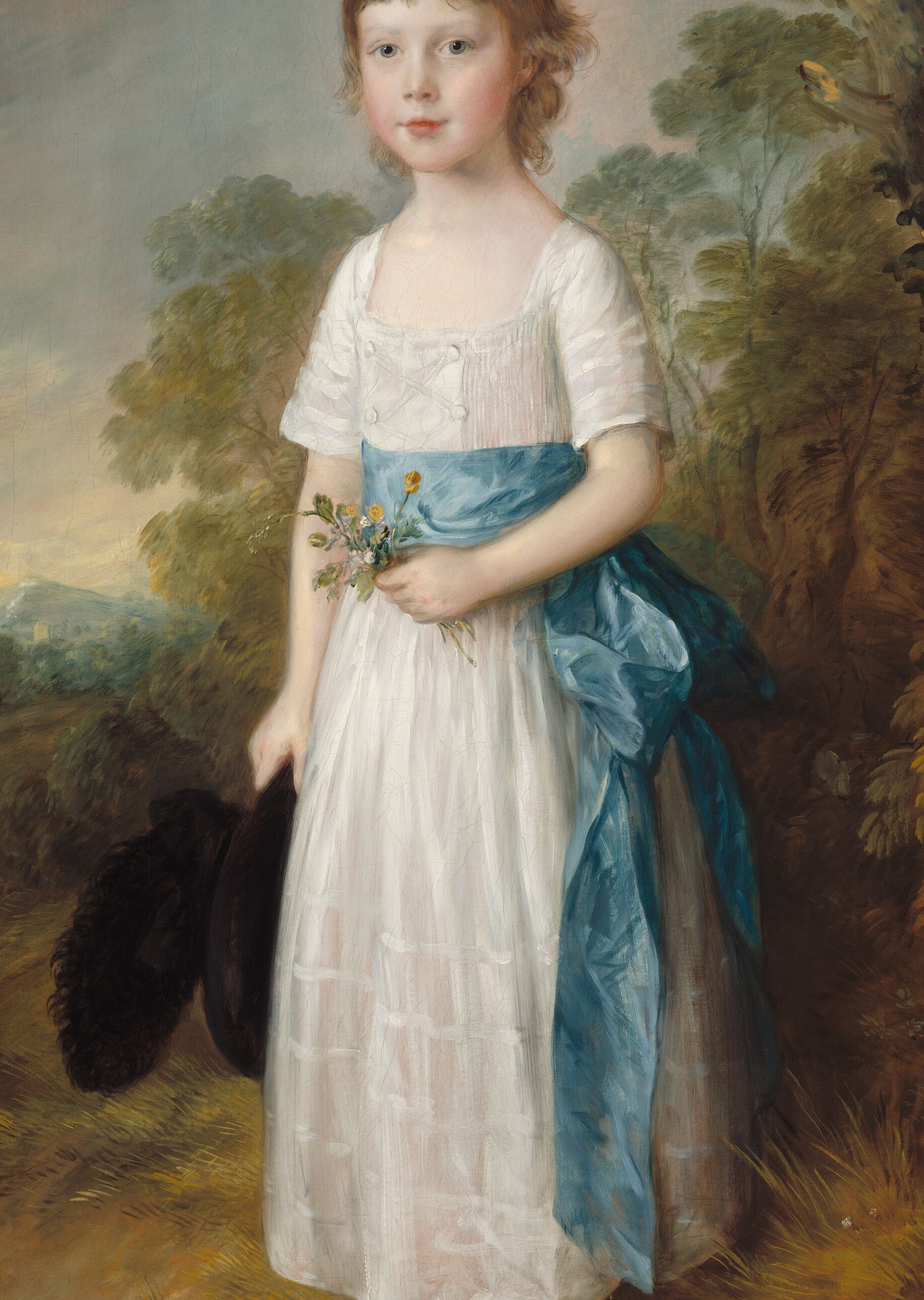
This is Master John Heathcote, painted by Thomas Gainsborough around 1771. It hangs in a museum collection and shows us exactly how an elite Georgian boy was dressed and presented, not as a small adult, but as a child of immense inherited status.
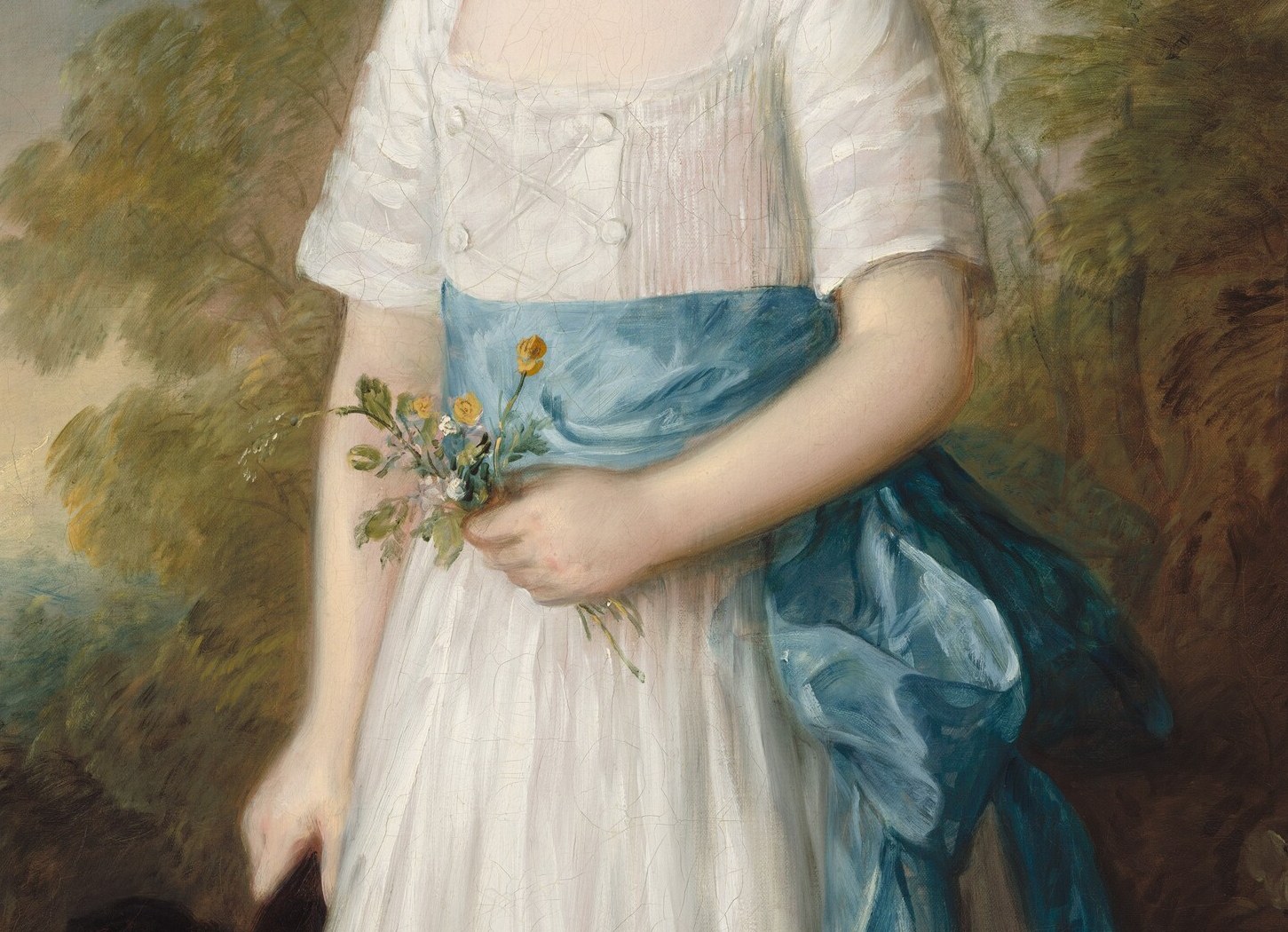
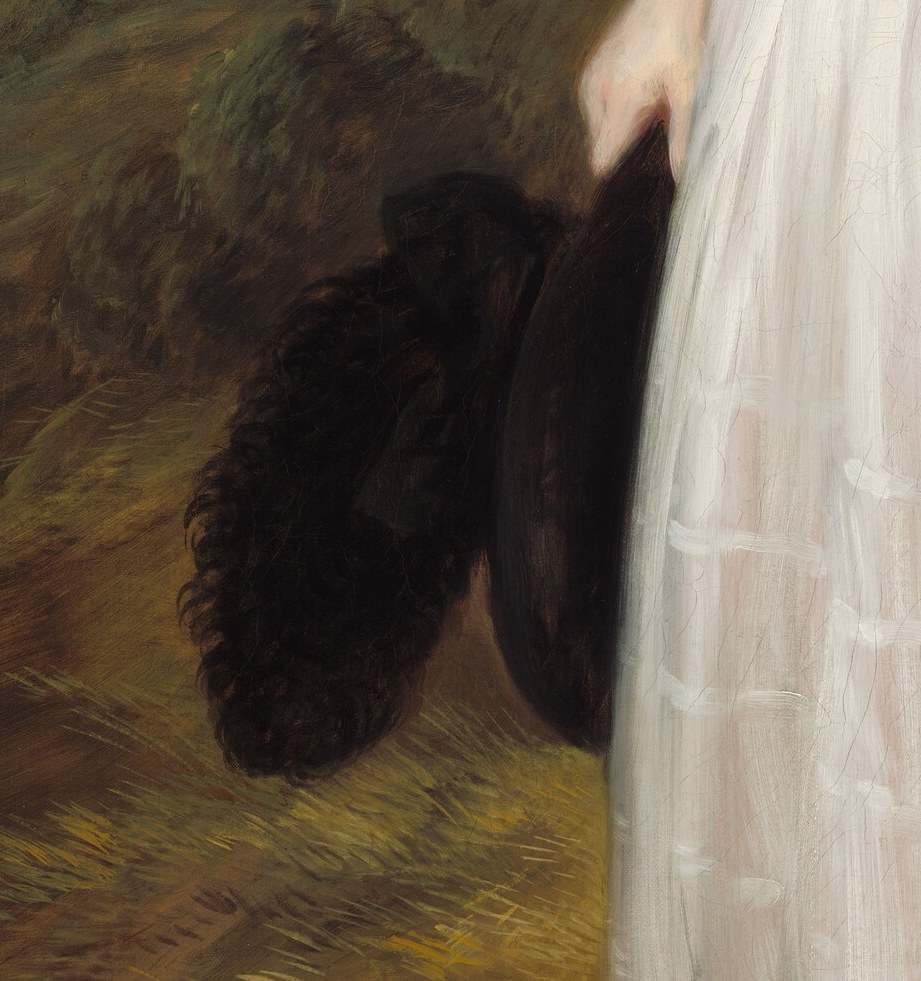
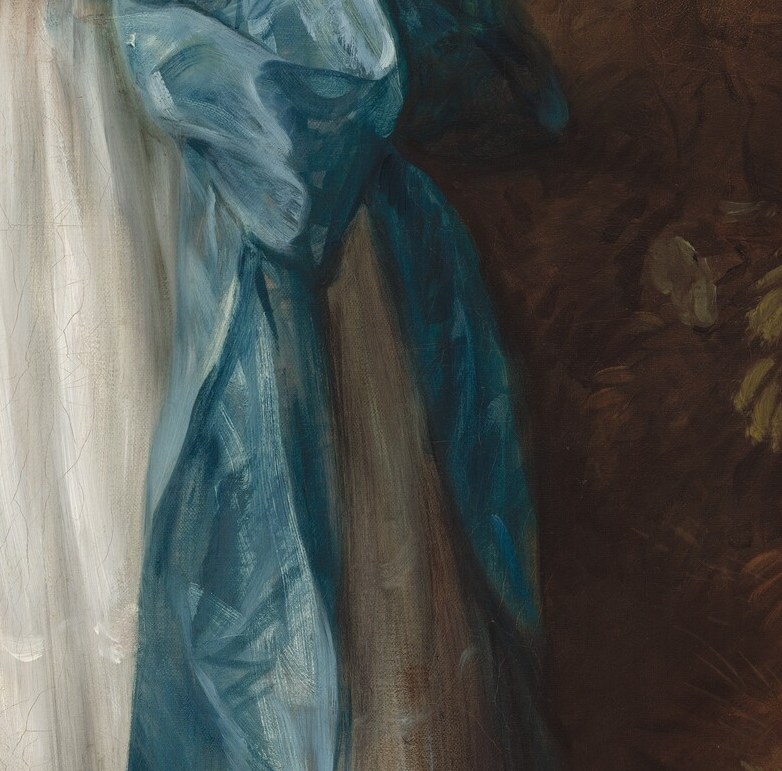
Look at what he holds. In his left hand, a black tricorn hat dangles casually, an object of adult masculine authority that he cannot yet wear. In his right, a small posy of flowers symbolises the innocence of childhood. The vivid teal-blue sash at his waist was dyed with the most expensive pigment available, a single bold stroke of wealth in an otherwise pale, luminous composition.
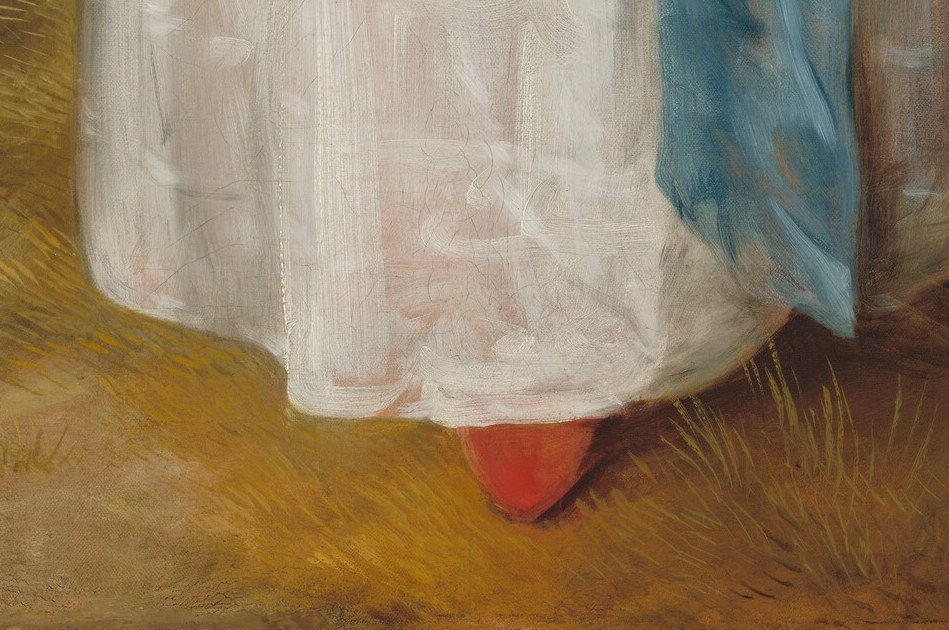
The white muslin dress is the most telling detail. In the eighteenth century, boys of this class wore dresses until they were breeched at around age five to seven. The practice marked a clear boundary between infancy and boyhood. Gainsborough himself, a founding member of the Royal Academy, was at the height of his powers here, painting the lace collar and the soft, feathered trees with the same fluid, confident brush.
John Heathcote would grow into the hat, the rank, and the serious, slightly wistful expression Gainsborough captured. For now, though, the painter gives us a child poised exactly on the threshold, still holding flowers, already holding the trappings of a gentleman.
Details
Transcript
Meet Master John Heathcote, painted around 1771. He wears a white muslin dress, like all boys his age. Until breeching at age six, this was a boy's uniform. That vivid blue sash? The most expensive dye in Georgian England. He holds a tricorn hat he is not yet old enough to wear. And a posy of flowers, symbols of childhood's fleeting innocence. Gainsborough painted a boy dressed for a rank he would grow into.