Virgin and Child by Bartolomé Esteban Murillo
Bartolomé Esteban Murillo’s *Virgin and Child*, painted around 1660 and housed at the Rijksmuseum, exemplifies the artist’s unique blend of the sacred and the everyday. Murillo was a prominent figure in 17th-century Spanish painting, celebrated for his religious compositions, but he also produced numerous lively and realistic portraits of contemporary women and children.
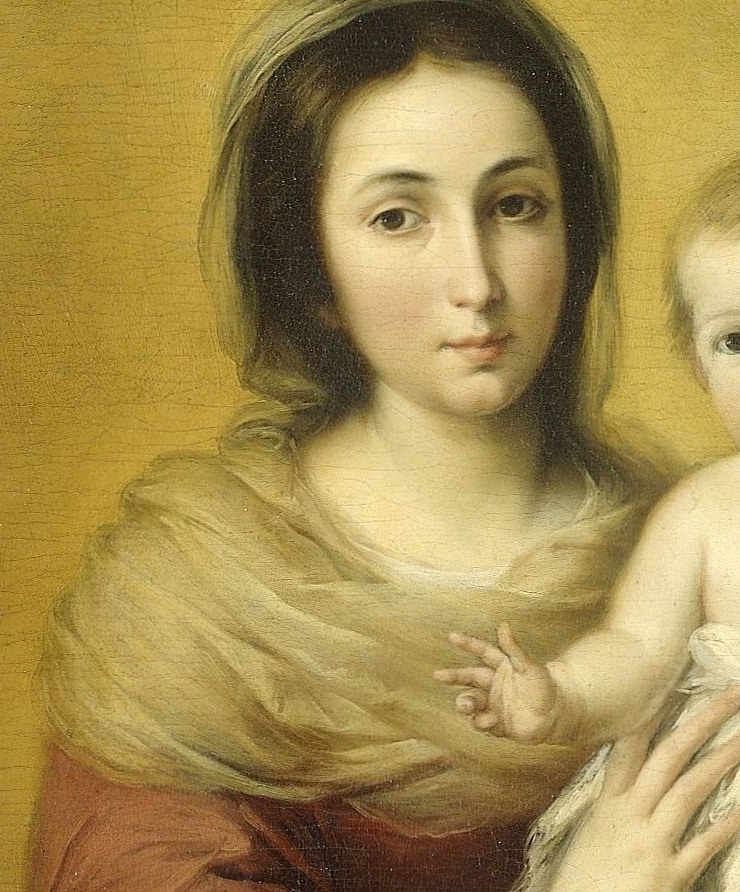
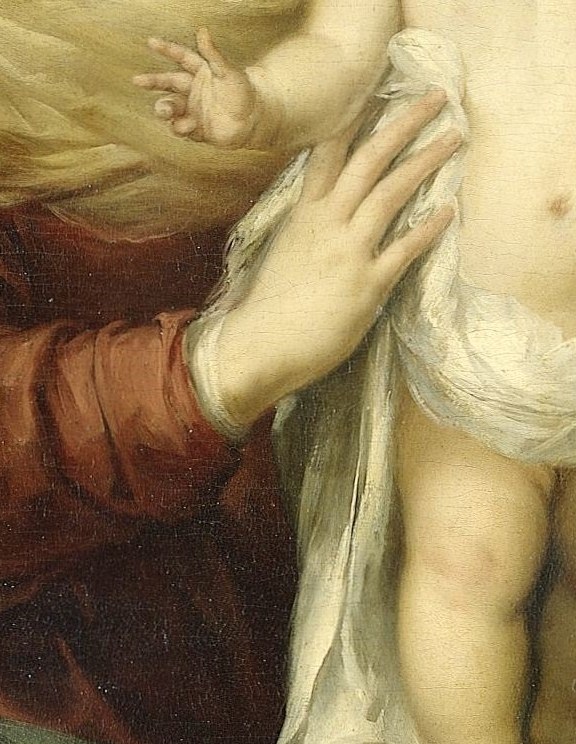
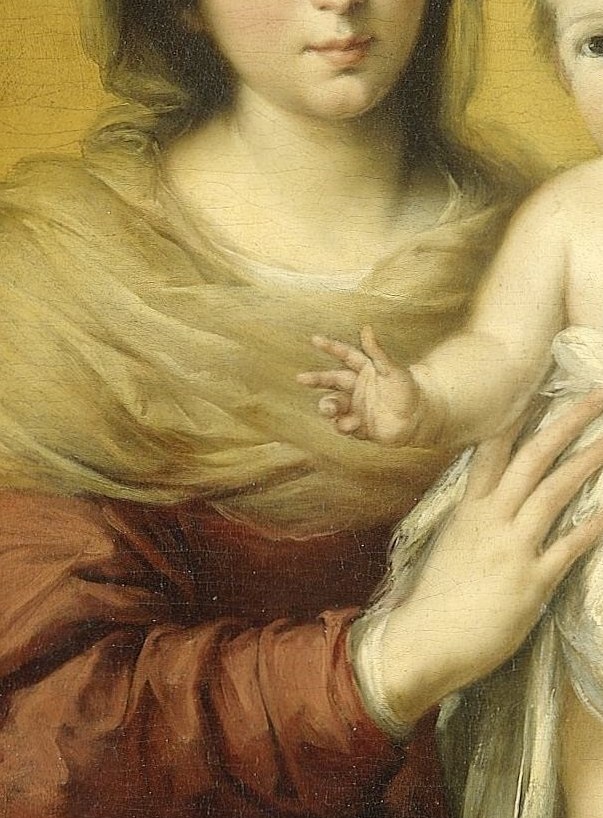
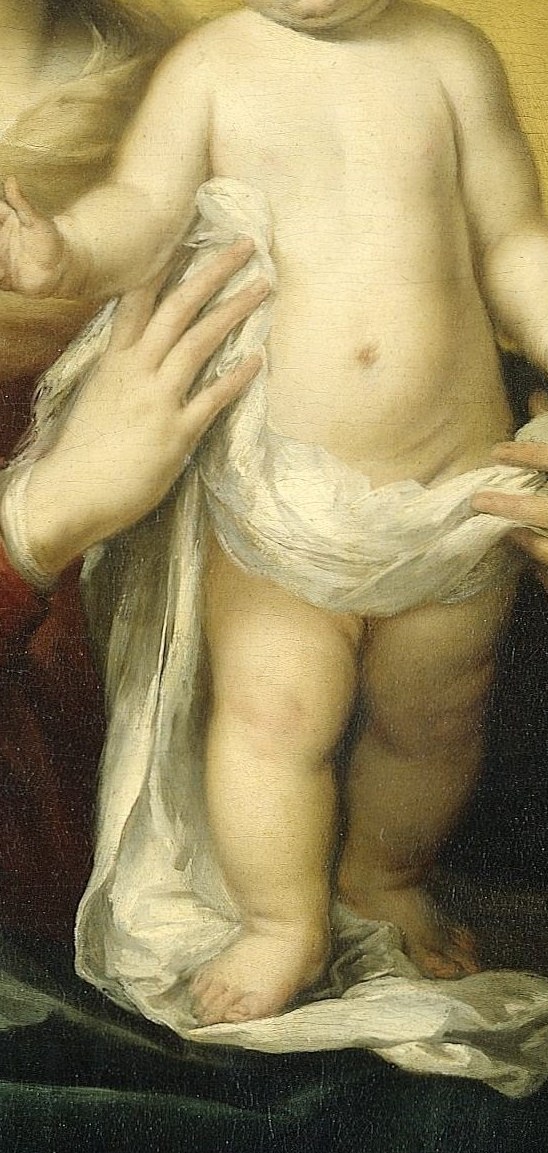
In this painting, Mary, with a calm expression, tenderly supports the Christ Child, who reaches out with a gentle hand. The dramatic lighting and rich textures are characteristic of the Spanish Baroque style, bringing a sense of depth and focus to the figures.
Murillo's ability to infuse spiritual narratives with an approachable, naturalistic style made divine figures feel relatable and human. He often combined devotional reverence with keen observations of everyday life, creating works that captured both sacred moments and contemporary existence.
What details in Murillo's work make these divine figures feel so human to you?
Details
Transcript
This Spanish painter was known for religious works. But he also painted lively scenes of everyday people. Here, the Virgin Mary cradles the Christ Child. Notice her sheer veil, and his hand reaching out. Murillo blended divine reverence with human intimacy. He made sacred figures feel remarkably real.