The Congress of Paris by Edouard Louis Dubufe
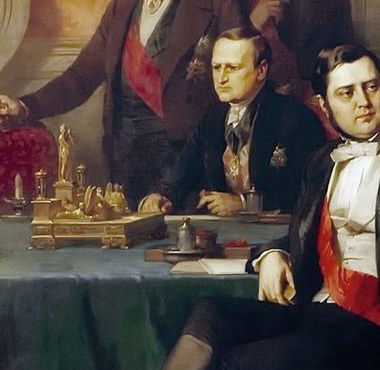
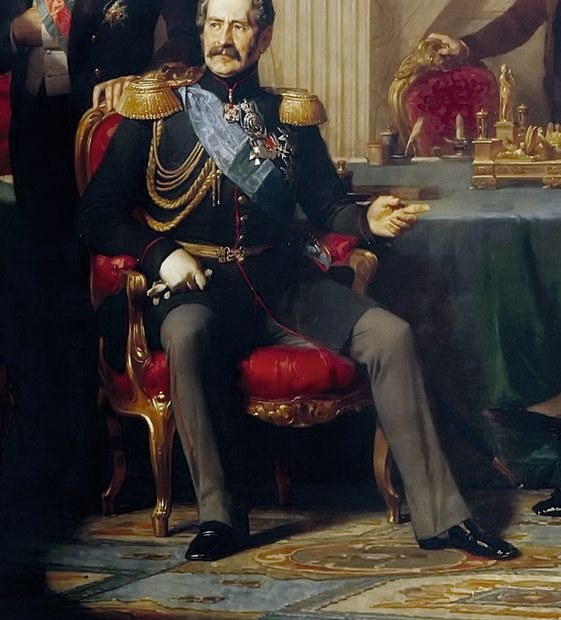
Édouard Dubufe's "The Congress of Paris," painted in 1856, captures the pivotal moment when international diplomats gathered to conclude the Crimean War. This grand work, housed at the Palace of Versailles, commemorates a critical event in 19th-century European politics.
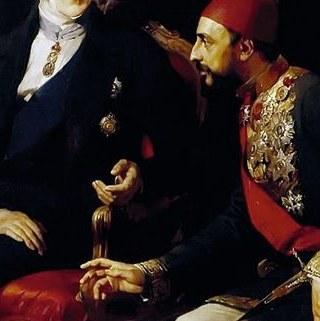
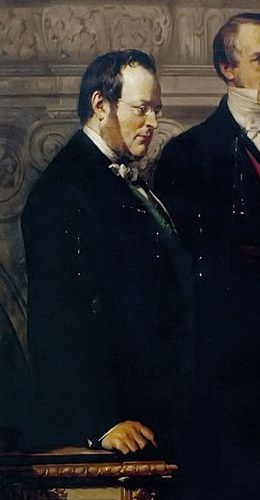
Look closely at the expressions of the men around the table. From the focused gaze of Count Cavour of Sardinia to the distinguished presence of Mehmed Emin Âli Pasha of the Ottoman Empire, each figure conveys the immense responsibility they bore.
The painting was first exhibited at the prestigious Salon of 1857, quickly gaining recognition for its detailed portrayal of such a significant historical event. An engraving of this work even became part of the Royal Collection, spreading its image to a wider audience.
It makes you wonder about the precise words exchanged and the weight of the decisions made in this very room.
Details
Transcript
In 1856, diplomats gathered to end the Crimean War. This painting captures a moment of intense negotiation. The central figure, Count Cavour, represented Sardinia. His focused gaze reflects the pressure of the moment. Beside him, Mehmed Emin Âli Pasha, of the Ottoman Empire. Each man here carried the hopes of his nation.