Basket of Fruit with Parrot by Randall, A.M.
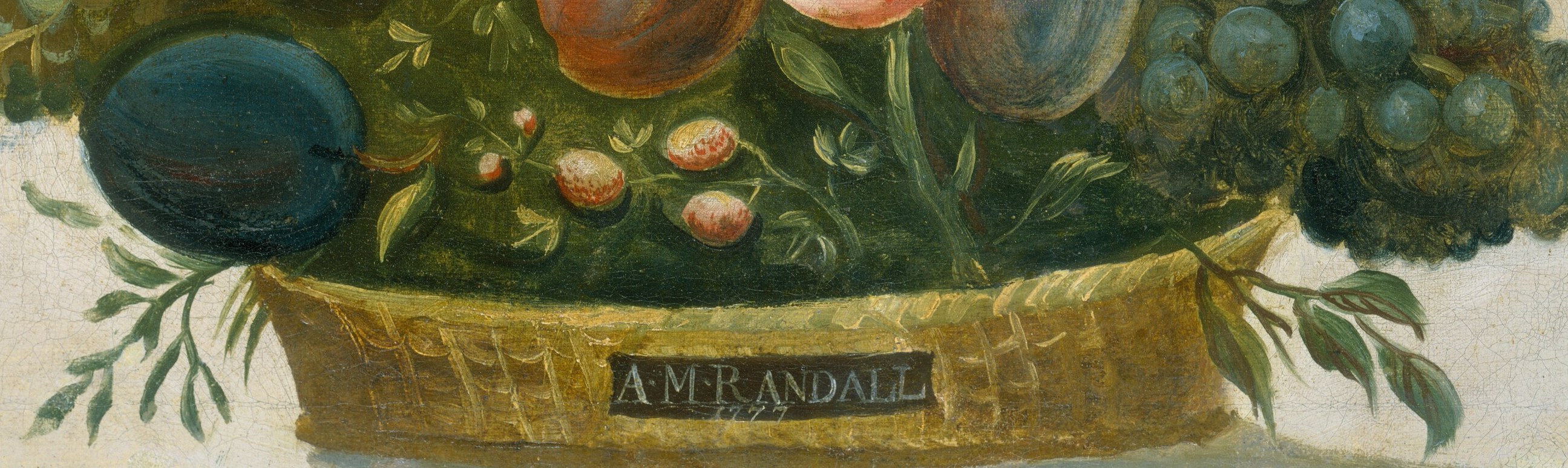
This "Basket of Fruit with Parrot," painted by A.M. Randall in 1777, offers a glimpse into the tastes and status symbols of the late Georgian period. Currently housed in an unknown museum, this oil on canvas reveals much about 18th-century European fascination with natural curiosities and exotic goods.
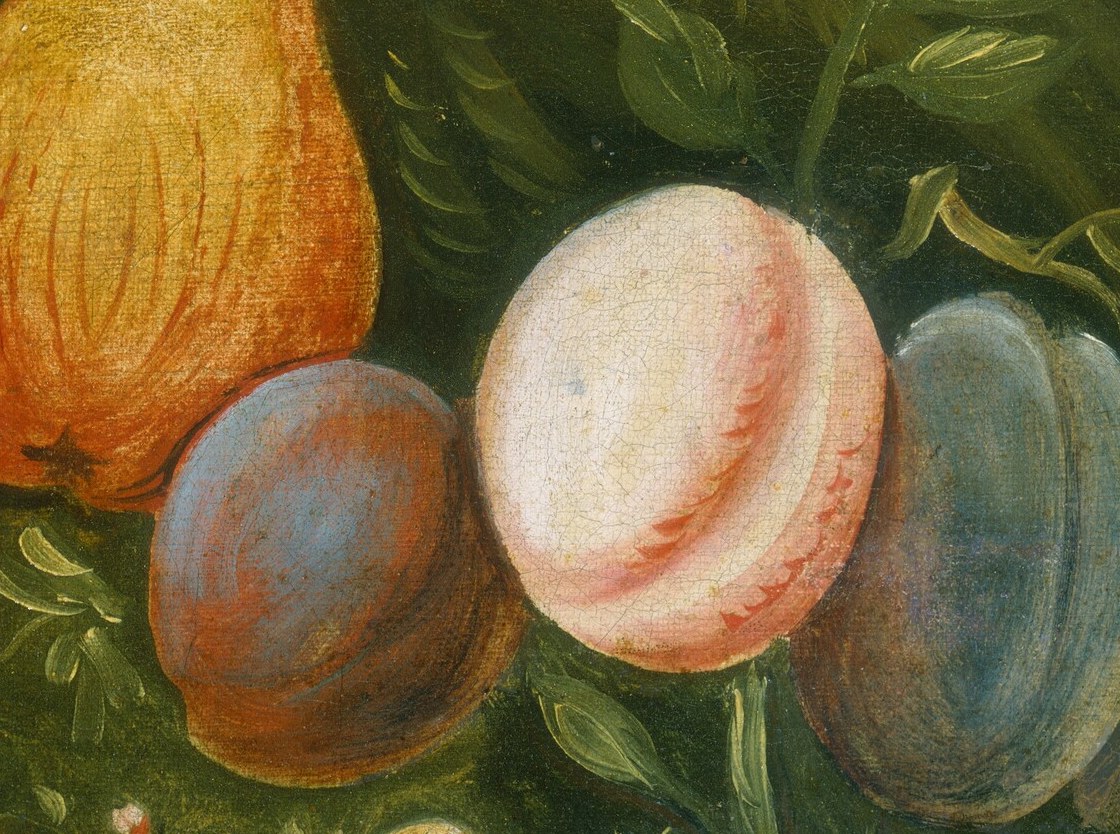
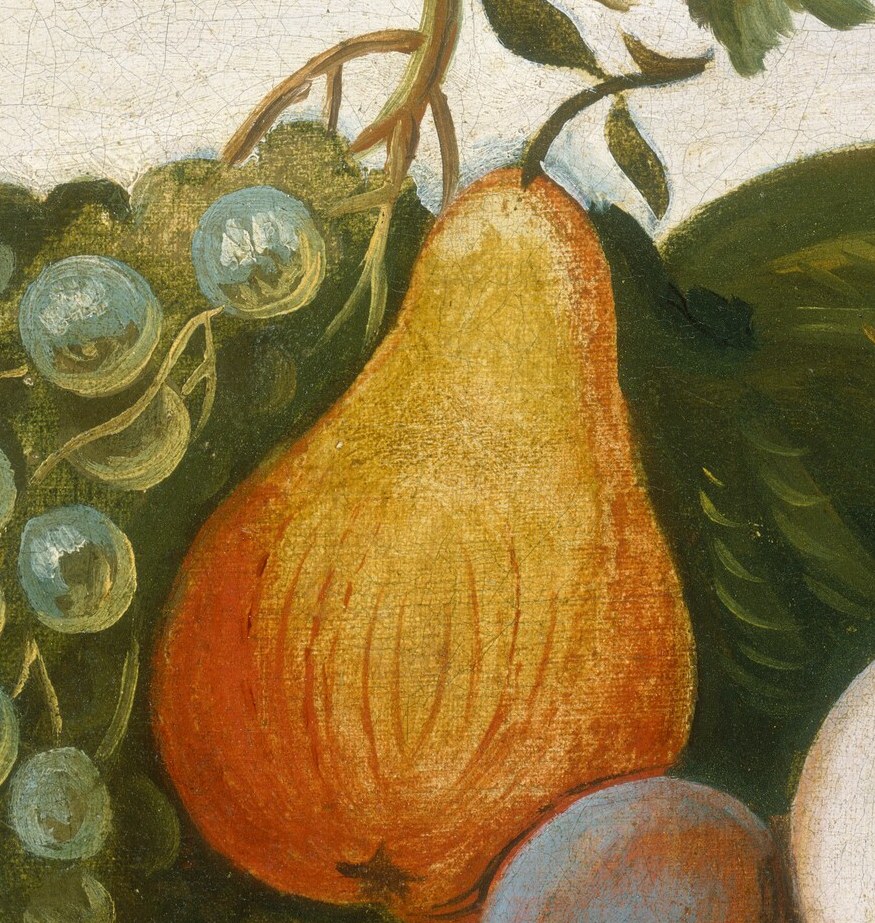
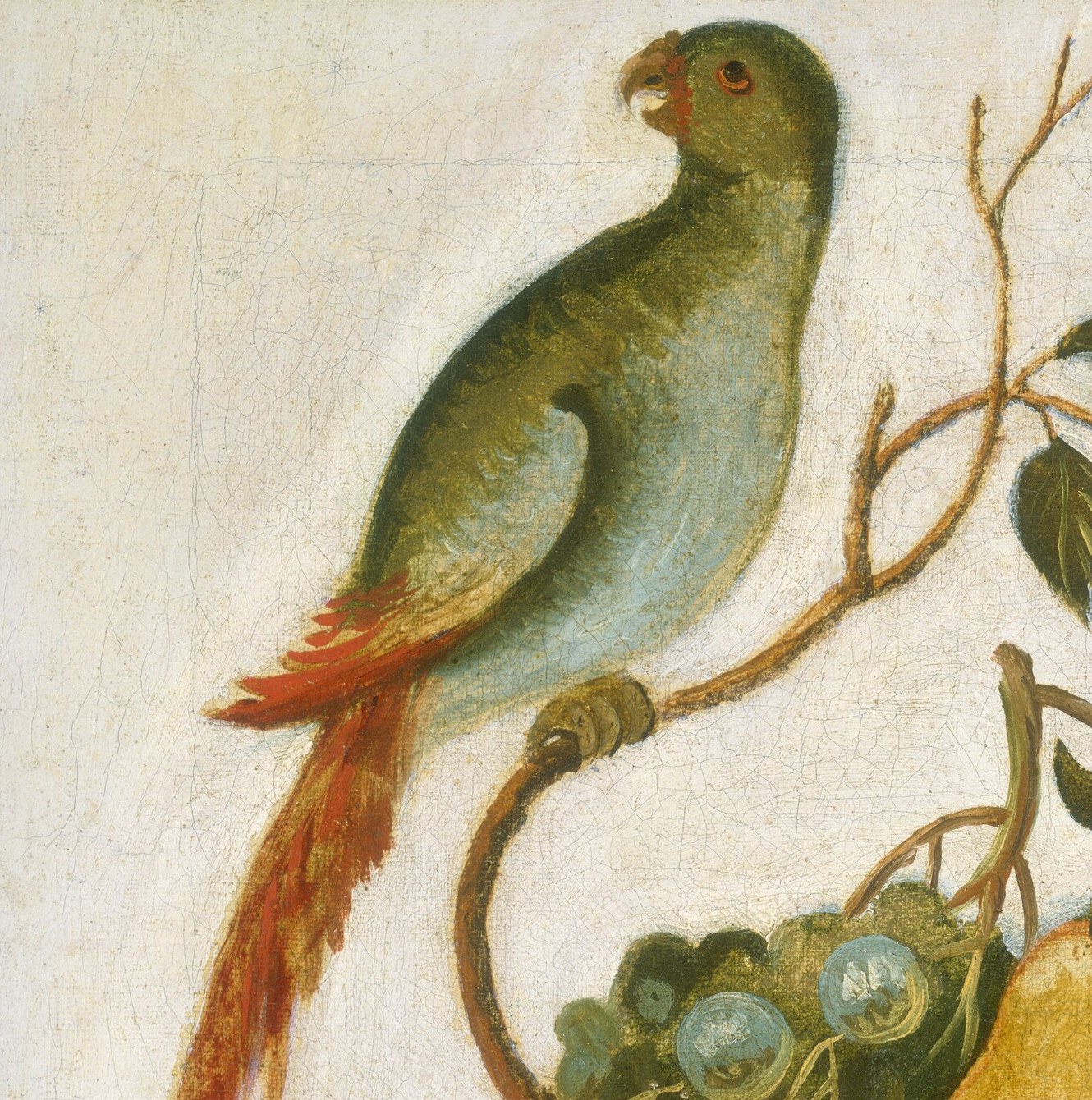
Look closely at the vibrant parrot perched beside the fruit basket. Its bright plumage and alert posture were a clear indicator of wealth and luxury. The array of fruits, including plums, peaches, and grapes, also represents highly valued and often imported delicacies of the time.
Still life paintings were a popular genre among collectors, reflecting a desire to showcase both artistic skill and an appreciation for the exotic and the abundant. Randall’s use of glazing techniques creates depth, making the parrot's feathers almost luminous and enhancing the contrast with the softer tones of the fruit.
What other elements in this painting might have conveyed status in 1777?
Details
Transcript
This painting dates to 1777, the late Georgian period. Still life paintings like this were popular with collectors then. Notice the rich, ripe peaches, plums, and grapes. These were prized exotic fruits in 18th-century Europe. And this parrot would have been a rare, expensive pet. Its vibrant colors would have signaled wealth and status.