Self-Portrait by Gerrit Dou
View the artwork: Self-Portrait →
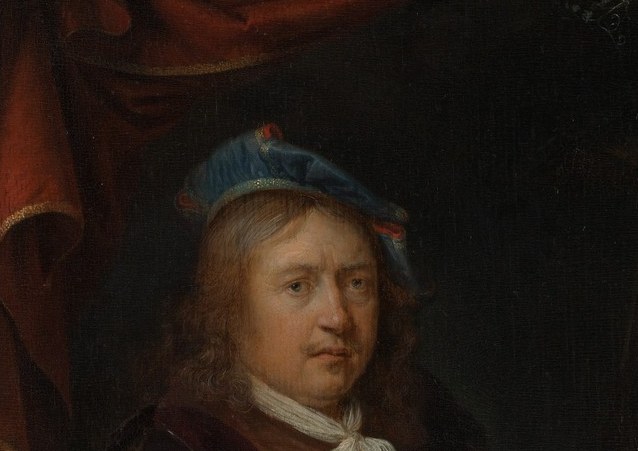
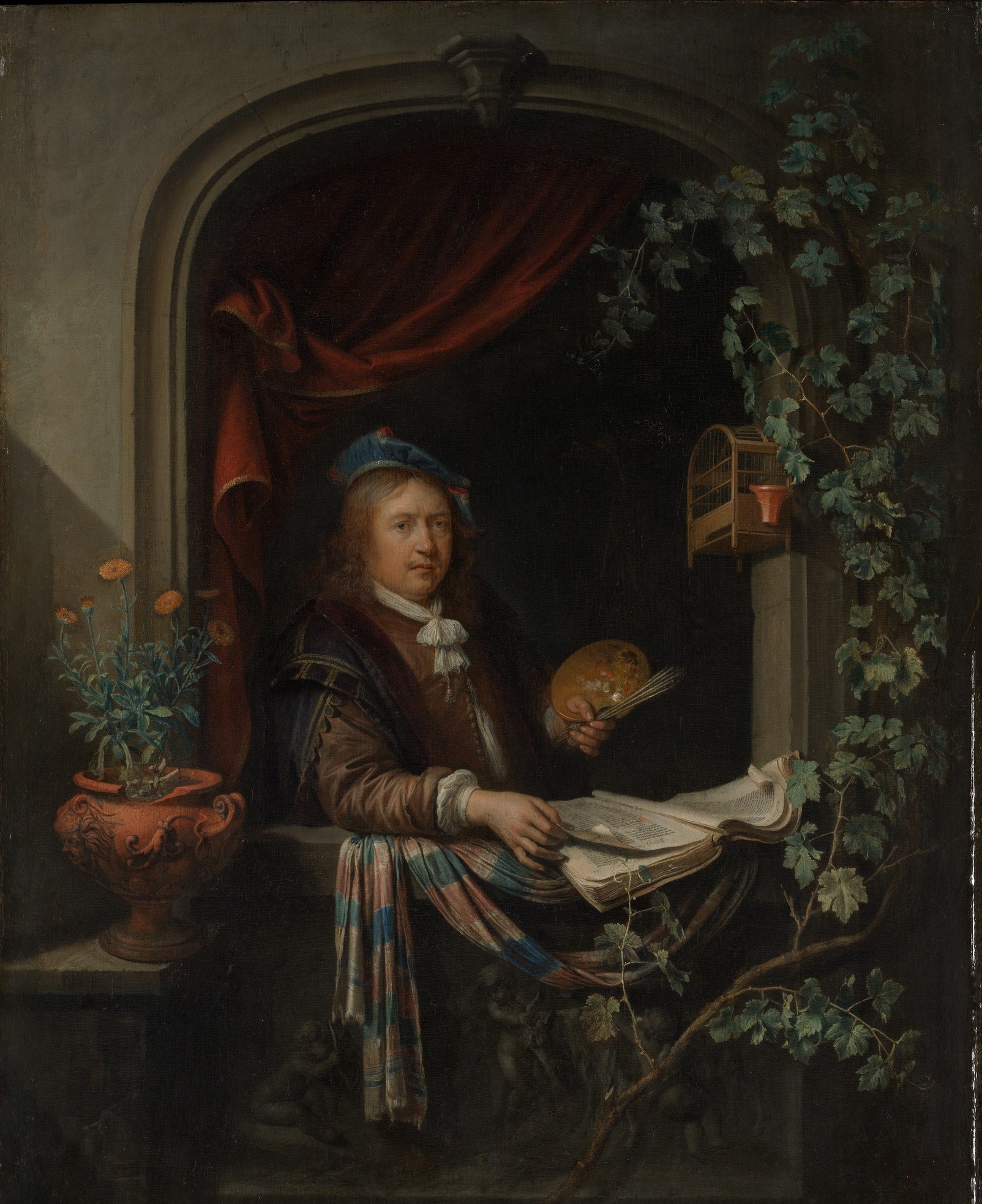
Gerrit Dou's *Self-Portrait* from 1665 is a manifesto painted in oil. The artist, at the peak of his fame, presents himself within a stone niche holding a palette and a book. This is now in the collection of the Metropolitan Museum of Art in New York.
Look first at how he holds the book and palette side by side. This pairing was a deliberate intellectual claim. In 17th-century Holland, painters fought to have their craft recognized as a liberal art rather than a manual trade. By presenting himself as both a reader and a maker, Dou argues that his work requires intellect as much as skill.
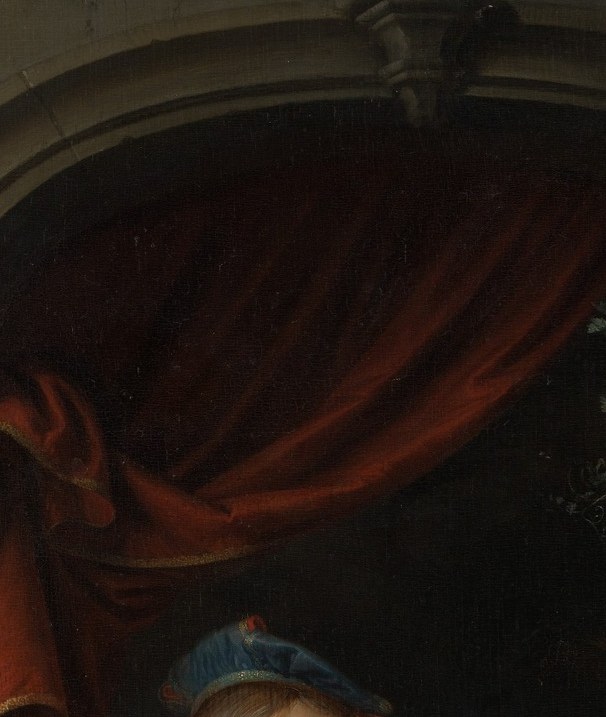
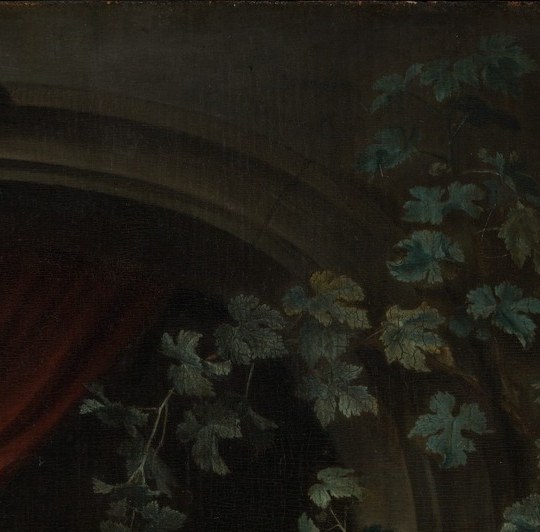
The objects surrounding him reinforce the message. The hanging birdcage is a classic vanitas motif, a reminder of the captive soul and the passage of time. The red curtain, a device Dou inherited from his teacher Rembrandt, frames the whole scene as a theatrical revelation. Even the stone niche itself is an illusionistic trick, collapsing the boundary between the viewer's space and the painted one.
Dou was among the most celebrated of the Leiden fijnschilders, painters renowned for impossibly precise detail. Every thread of his lace collar and every wire of that birdcage was rendered with a brush so fine the strokes vanish. The self-portrait is his argument, made visible, that this kind of labor was worth honoring forever.
#arthistory #dutchgoldenage #gerritdou
Details
Transcript
He shows himself with a book and a palette. The book claims intellect. The palette claims skill. In 17th-century Holland, this pairing was a manifesto. It argued painting belongs among the liberal arts. Above him, a birdcage. A vanitas symbol of the captive soul. The theatrical curtain says this is a deliberate revelation. But his eyes are the final argument. The painter himself is the proof that his craft is eternal.