Rosa Bonheur by Anna Elizabeth Klumpke
View the artwork: Rosa Bonheur →
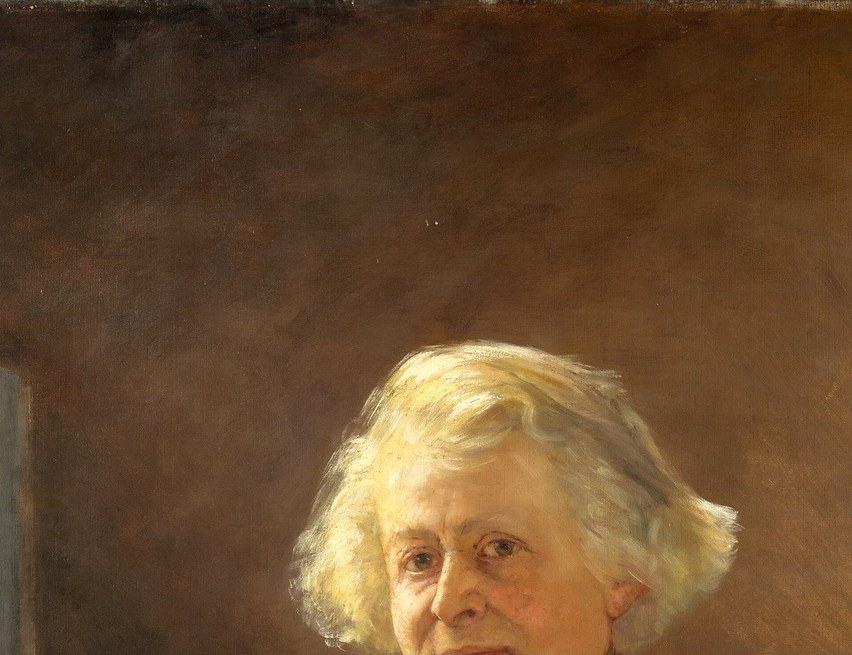
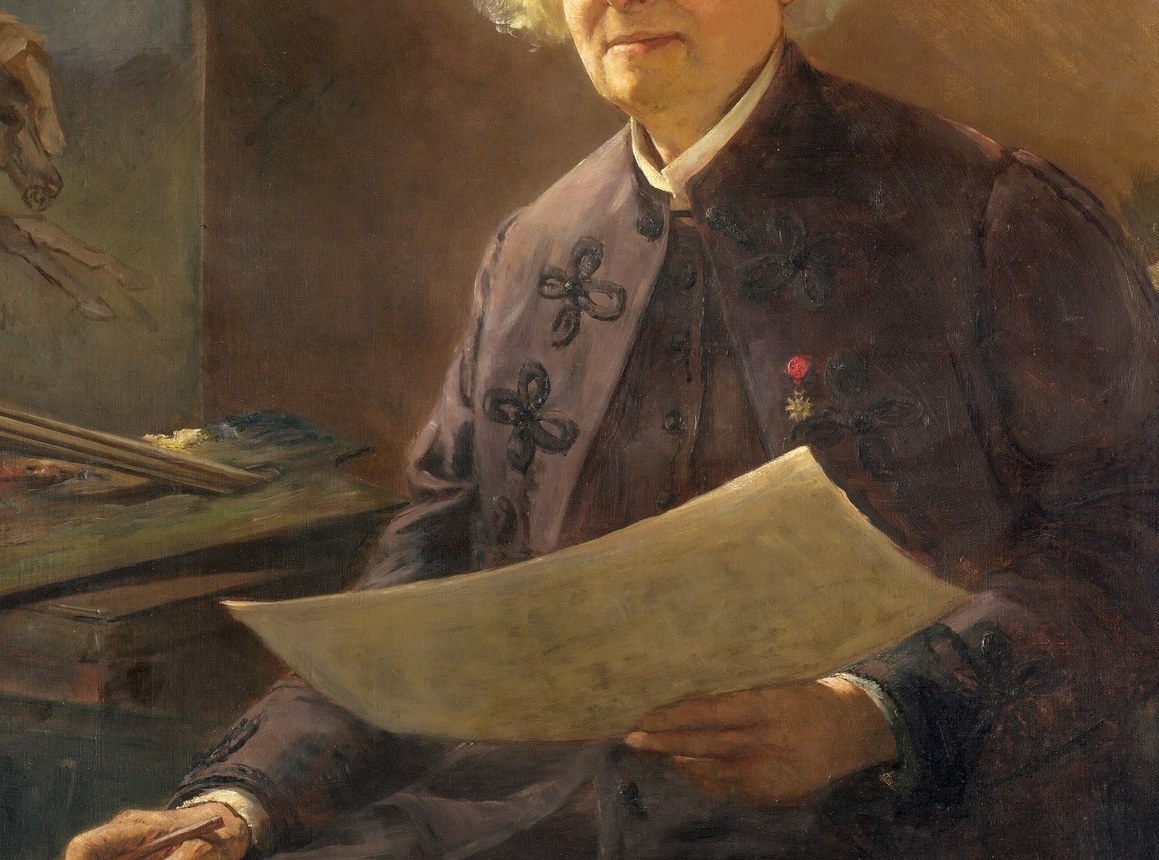
Anna Klumpke's 1898 portrait of Rosa Bonheur hangs in the Metropolitan Museum of Art. It looks like a formal portrait of an eminent artist with her medal of honor. It is also a love story, preserved in oil.
Rosa Bonheur was the most famous female painter of the 19th century, a legend for her massive animal canvases. She obtained a police permit to wear trousers so she could visit slaughterhouses and horse fairs to study anatomy. She lived openly with women, built her own chateau, and became the first woman to receive the Grand Cross of the Legion of Honor.
Klumpke, an American portraitist, came to paint her in 1898. The sitting lasted months. They wrote daily, translated each other's biographies, and fell in love. Klumpke became her partner and, after Rosa's death, her sole heir and biographer. The portrait shows Bonheur at sixty-seven, silver-haired and weathered, holding drawings in the studio where she spent her life.
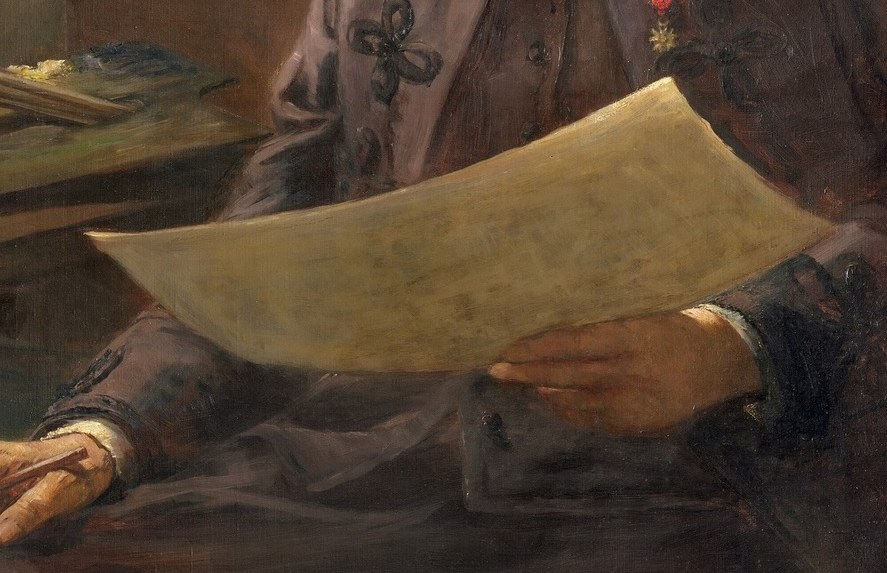
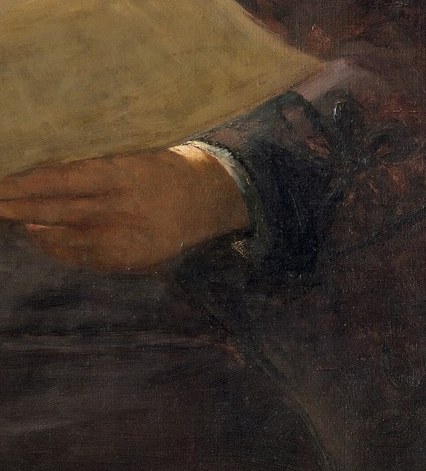
A woman's hands, gripping paper. A red ribbon. An unfinished canvas in the background. The whole life is here, painted by someone who had come to know it utterly.
#arthistory #womenartists #queerarthistory
Details
Transcript
She arrived to paint a portrait. She stayed a lifetime. Rosa Bonheur was France's most famous animal painter. She wore trousers by police permit. She lived by her own laws. Look at her hands. They painted thousands of creatures into life. The red ribbon was France's highest honor. Few women earned it. The painter, Anna Klumpke, fell in love with her subject. They lived together at her chateau until Bonheur's death.