Artwork
Rosa Bonheur
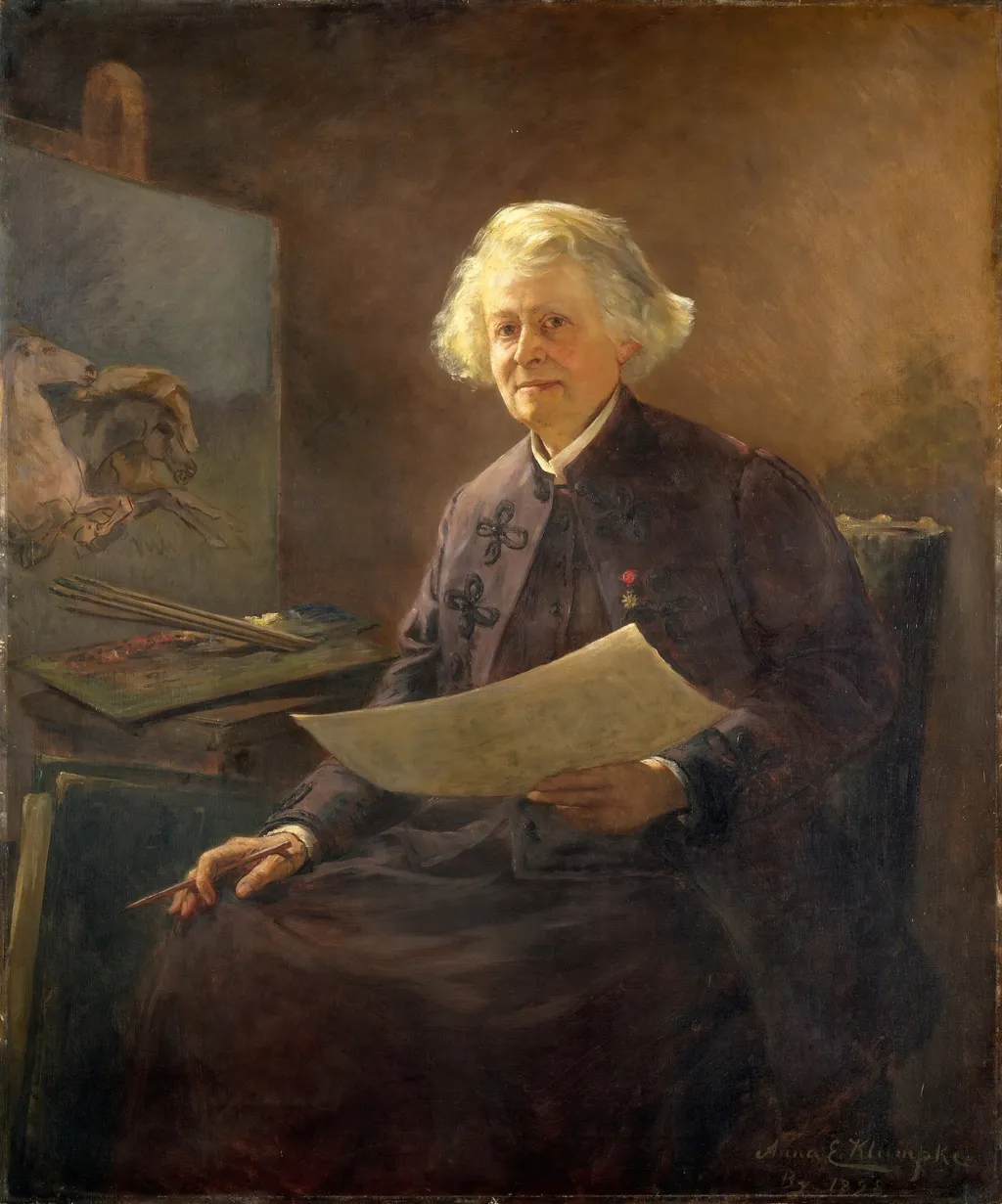
Rosa Bonheur is an oil painting by the Impressionist artist Anna Elizabeth Klumpke. It dates from 1900 and is held in the collection of the Metropolitan Museum of Art.
About this work
In 1898, Anna Klumpke set up her easel in the Château de By and painted Rosa Bonheur at her own canvas, the silver-haired French animalier wearing her Legion of Honor medal. A small study for an unfinished work catches the studio light behind her. The sitting stretched across months and drew the two women into a lasting partnership.
Subject & Meaning
The inclusion of horses, a hallmark of Bonheur's own subject matter, and the artist's tools (palette, brush) reinforce her professional identity.
The painting depicts the French artist Rosa Bonheur seated at her easel, holding a drawing while a painting of three horses rests on the easel. She wears the medal of the Legion of Honor, a symbol of her official recognition, and a long frogged coat with a stiff white collar. Bonheur chose to pose in women's clothing, a deliberate self-presentation.
Her expression, described by art historian Britta C. Dwyer as hovering between pensive and provocative, conveys both introspection and self-assurance. The inclusion of horses, a hallmark of Bonheur's own subject matter, and the artist's tools (palette, brush) reinforce her professional identity. Scholar Maria Tamboukou interprets the portrait's creation as evidence of Bonheur's romantic attachment to Klumpke, adding a layer of personal intimacy to the work's meaning.
Technique & Style
Painted in oil on canvas, the portrait (117.2 × 98.1 cm) shows Bonheur seated before her easel, holding a drawing while a painting of three horses rests on the easel. She wears a long frogged coat, a stiff white collar, and the medal of the Legion of Honor. The expression on her face has been described as hovering between pensive and provocative.
The handling is not detailed in available sources, but the formal composition places the artist within her working environment, emphasizing her identity as a painter. No specific condition reports are provided, but the work has been in the Metropolitan Museum of Art since 1922.
History & Provenance
Anna Elizabeth Klumpke painted Rosa Bonheur in 1898 after a year of correspondence. She initiated the commission with a letter on September 14, 1897, and Bonheur agreed on March 31, 1898. Klumpke began the oil-on-canvas portrait in June 1898, with Bonheur posing intermittently.
Upon completion, the painting remained in Klumpke's possession. Following Bonheur's death in 1899, Klumpke and her sister and agent, Dorothea Roberts, held the work until 1922. That year, Klumpke donated it to the Metropolitan Museum of Art, where it has been housed since.
Context
Scholarship emphasizes the portrait's reflection of the intimate bond between Klumpke and Bonheur. Maria Tamboukou interprets the collaborative creation as showing Bonheur 'a woman in love' with Klumpke, while Britta C. Dwyer notes Bonheur's expression 'hovers between the pensive and the provocative.' Klumpke, also Bonheur's biographer, completed the work a year before Bonheur's death.
Gifted by Klumpke in 1922, the painting entered the Metropolitan Museum of Art, where it remains. As a late-career portrait of a celebrated French artist by an American painter, the work documents both Bonheur's legacy and the cross-generational partnership of two women artists, securing its place in art history.
Overview
Anna Elizabeth Klumpke's 1898 oil painting depicts the renowned French animal painter Rosa Bonheur. This portrait captures Bonheur in her studio, engaged in her artistic practice. The work is a significant representation of a prominent female artist by another, reflecting a moment of connection between the two.
Own this work as a print
Artist & collection
Artist
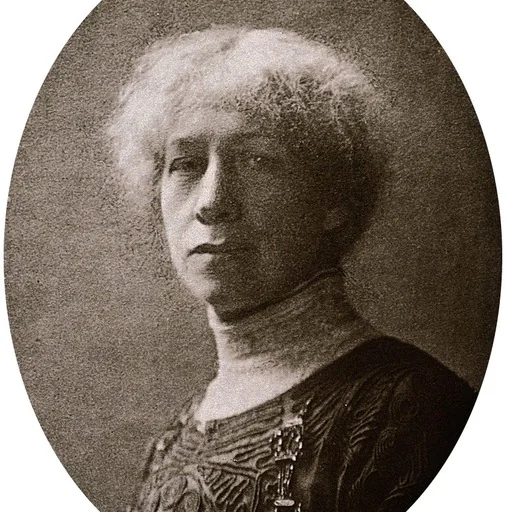
Anna Elizabeth Klumpke (October 28, 1856 – February 9, 1942) was an American portrait and genre painter born in San Francisco, California, United States.

 Portrait of Berta Dylion
 Dame Margaret Lloyd George (1866–1941)
 Self-Portrait
 Ester Wegeliuksen os. Tawaststjernan muotokuva
 Portrait of the painter Jeanna Bauck
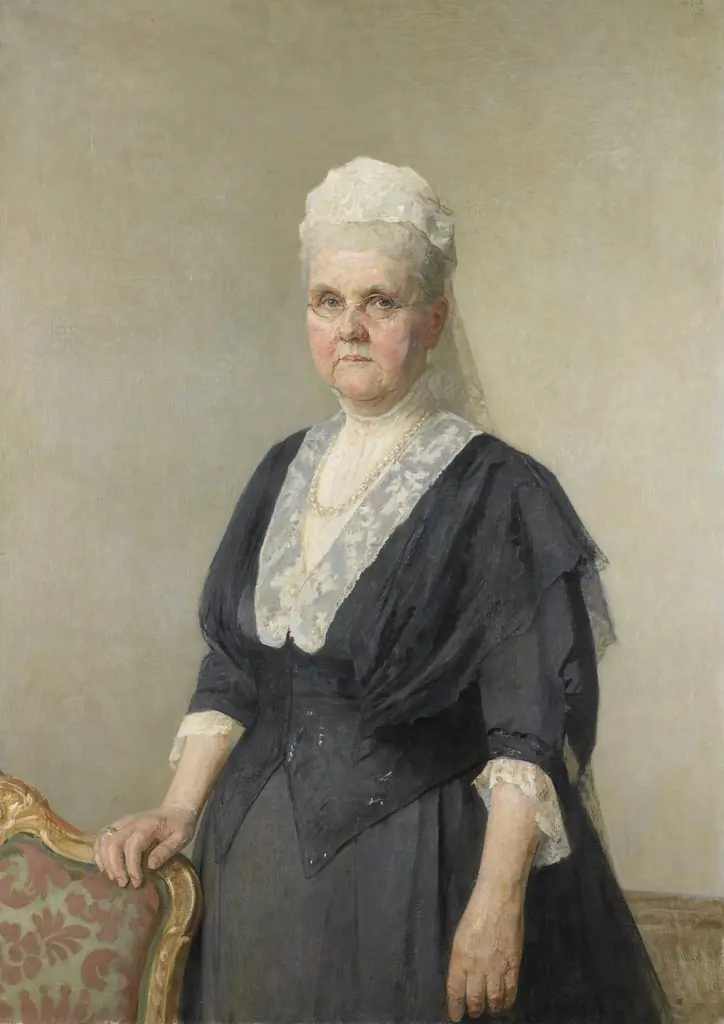 Queen Emma, Princess of Waldeck-Pyrmont, Widow of King William III
 Dameportræt. Frøken Schmiegelow
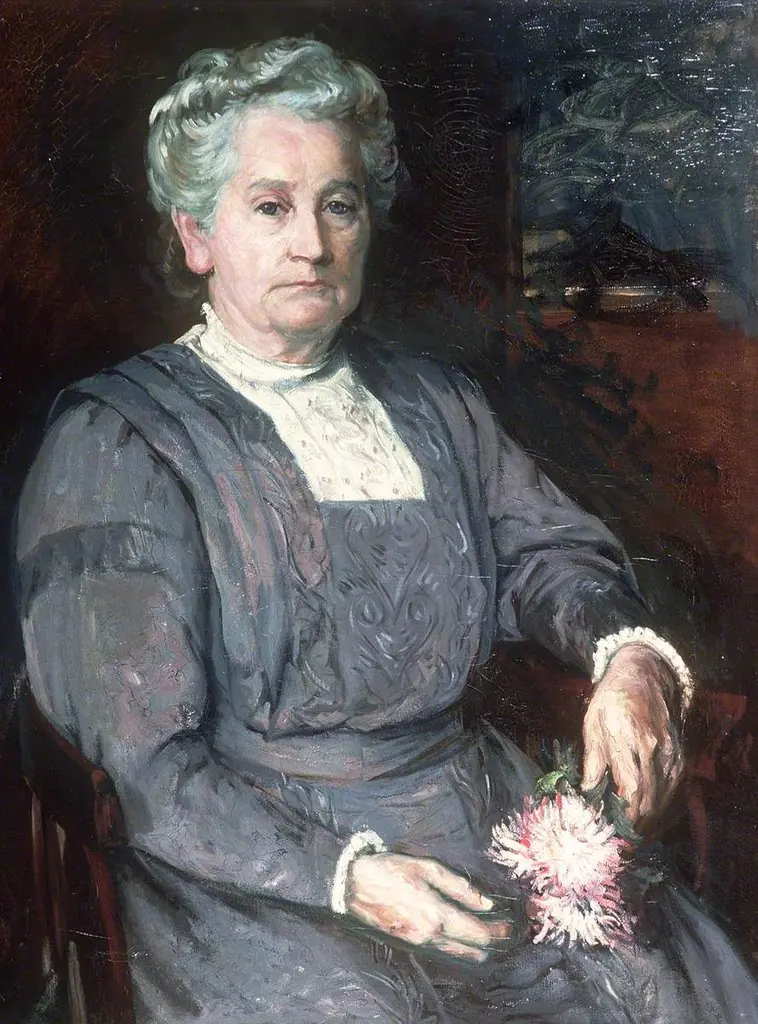 Margaret Edwards, the Artist's Mother
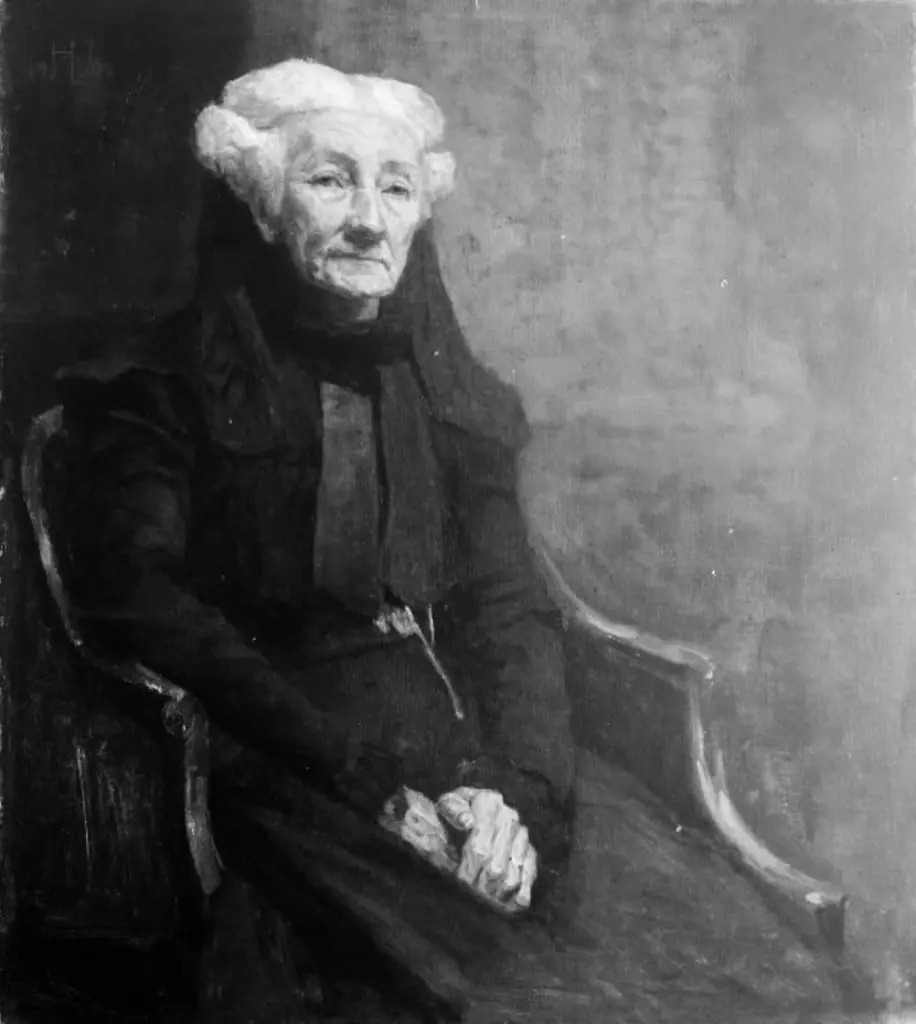 Dameportræt. Frøken Schmiegelow
 Portrait of a Lady
 Elihu Vedder
- Portrait of Rosa Butt (d.1926)