A Man Mounting a Horse by Anthony van Dyck
Anthony van Dyck's "A Man Mounting a Horse," painted around 1630, captures a fleeting moment of intense focus and impending action. It exemplifies the dynamic qualities of the Baroque era, showcasing a mastery of movement and realism. This oil painting is now in the collection of The Metropolitan Museum of Art.
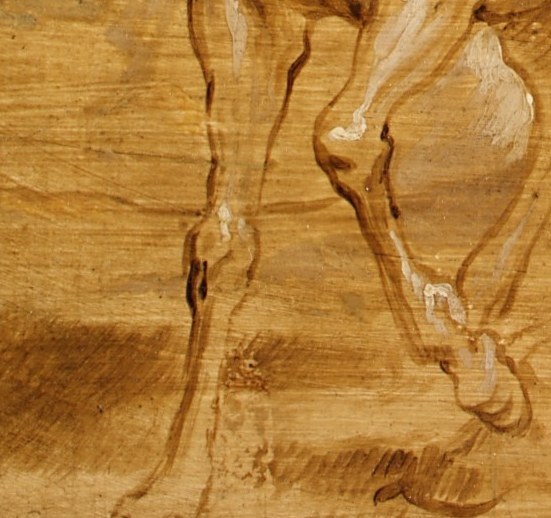
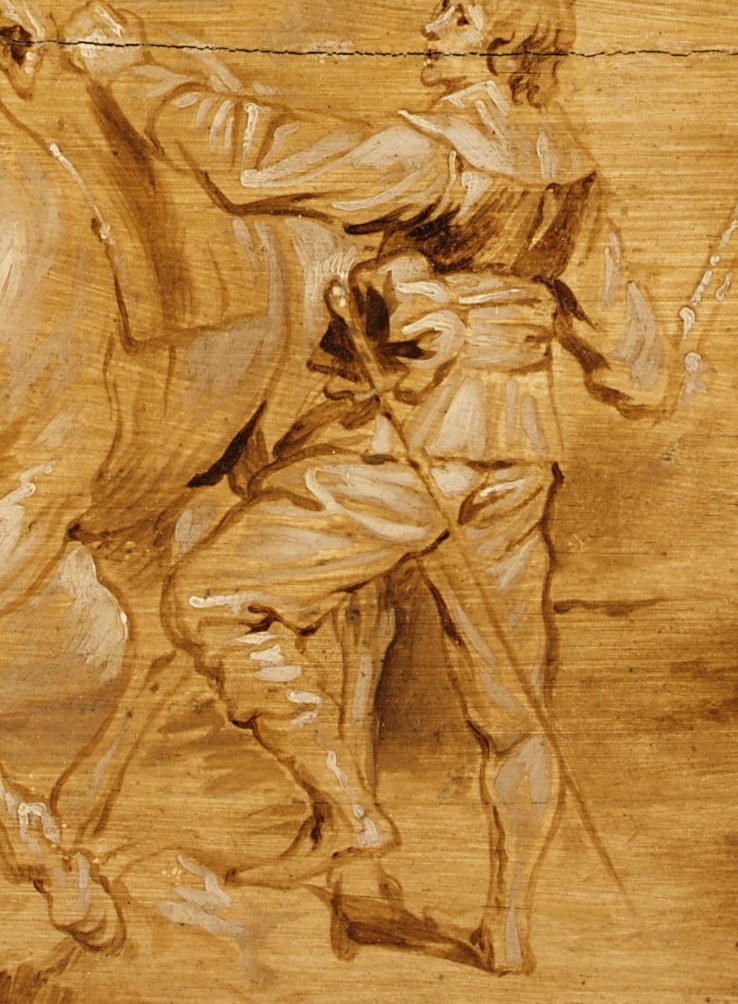
Observe the rider's profile, his gaze fixed on the task at hand. His right hand grips the horse's mane with palpable tension, while his left holds a riding crop, suggesting control and readiness. The horse itself is depicted with powerful, taut front legs, conveying a sense of contained energy.
Van Dyck, a Flemish artist who would soon become a leading court painter in England, created this work before solidifying his prestigious position. The plain background ensures that all attention is directed to the compelling interaction between man and animal, a hallmark of the Baroque style's emphasis on dramatic realism.
Details
Transcript
He is about to mount his horse. Look at his focused profile. His hand grips the horse's mane. Van Dyck painted this in 1630. The horse's legs show taut power. He holds a riding crop firmly. He was about to become court painter.