Artwork
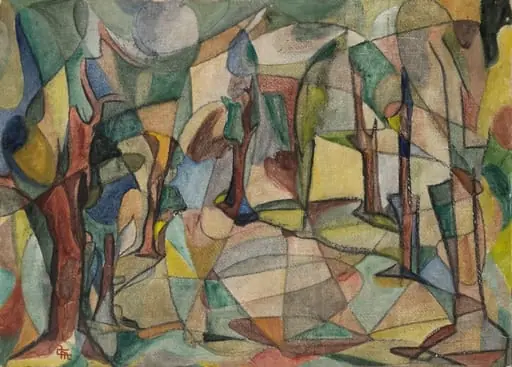
Autumn, Crotona Park, Bronx
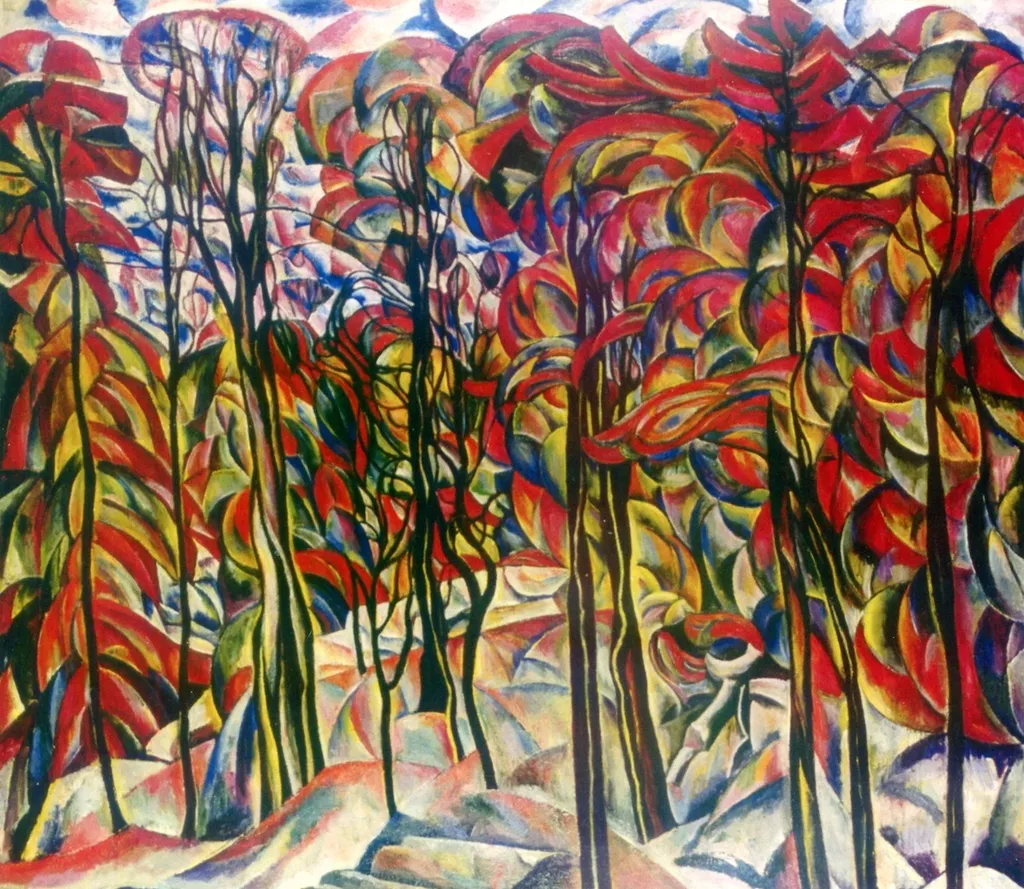
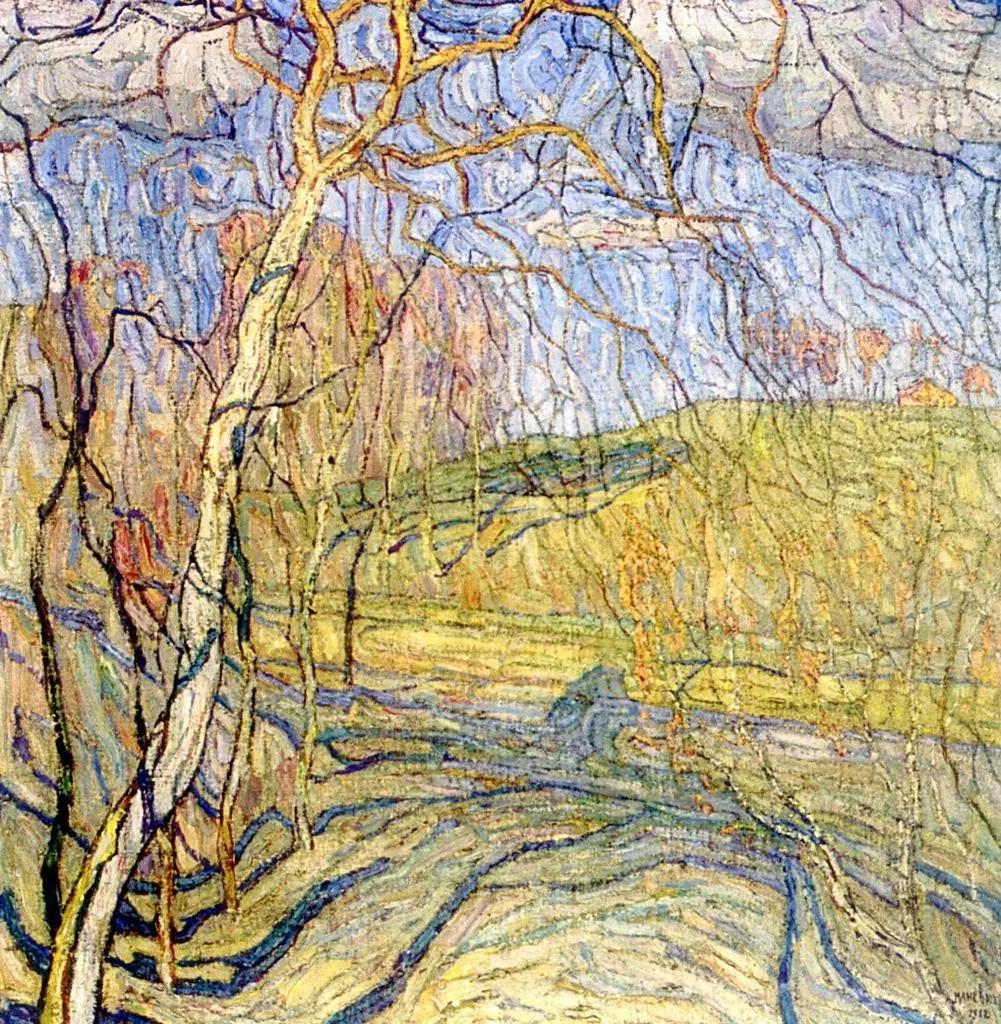
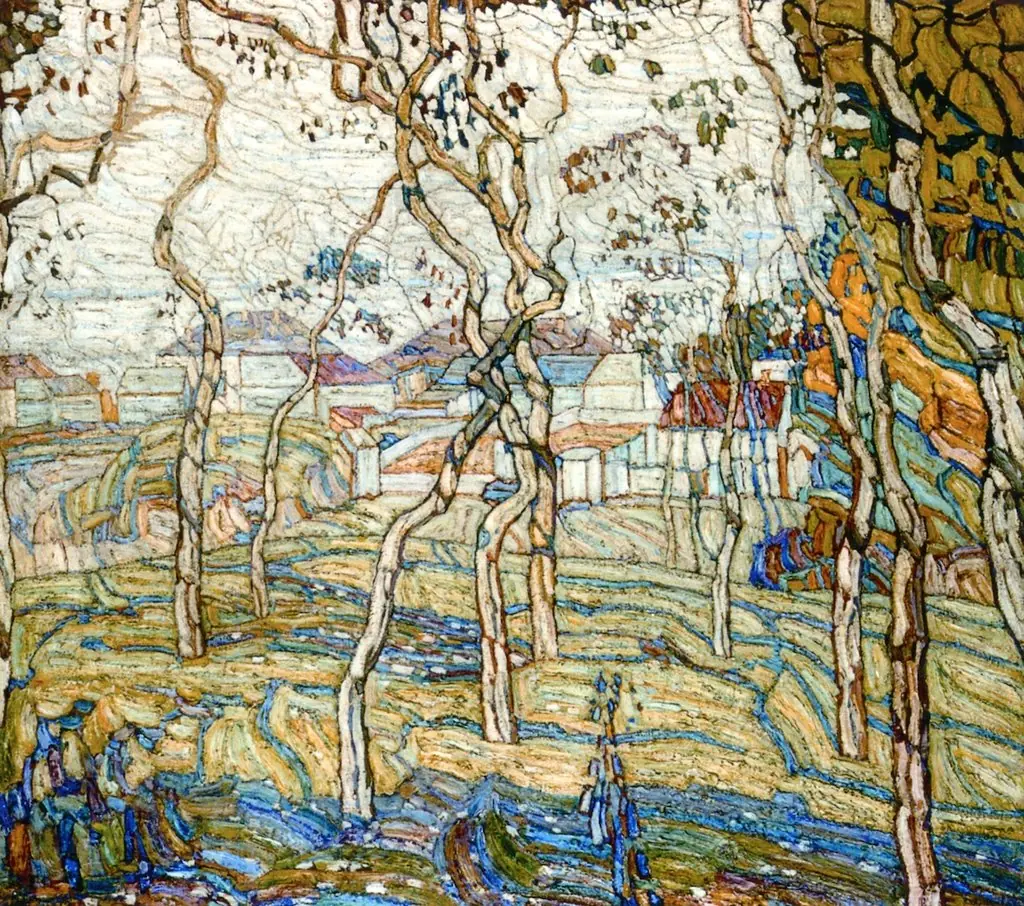
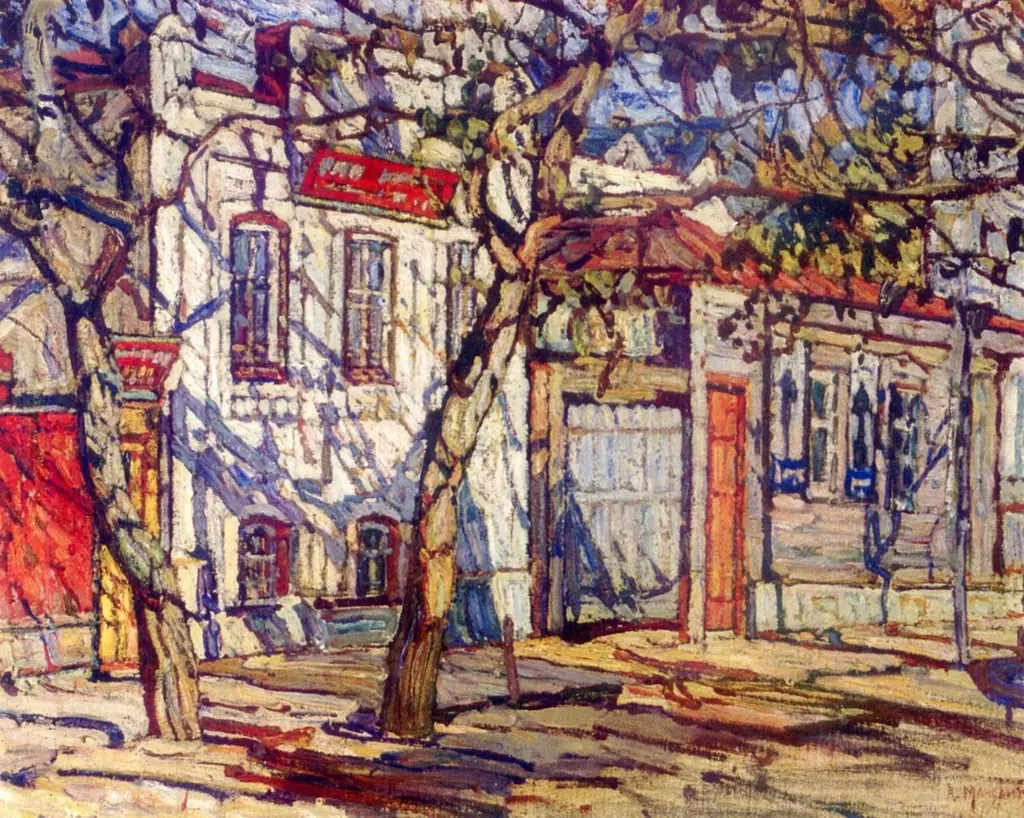
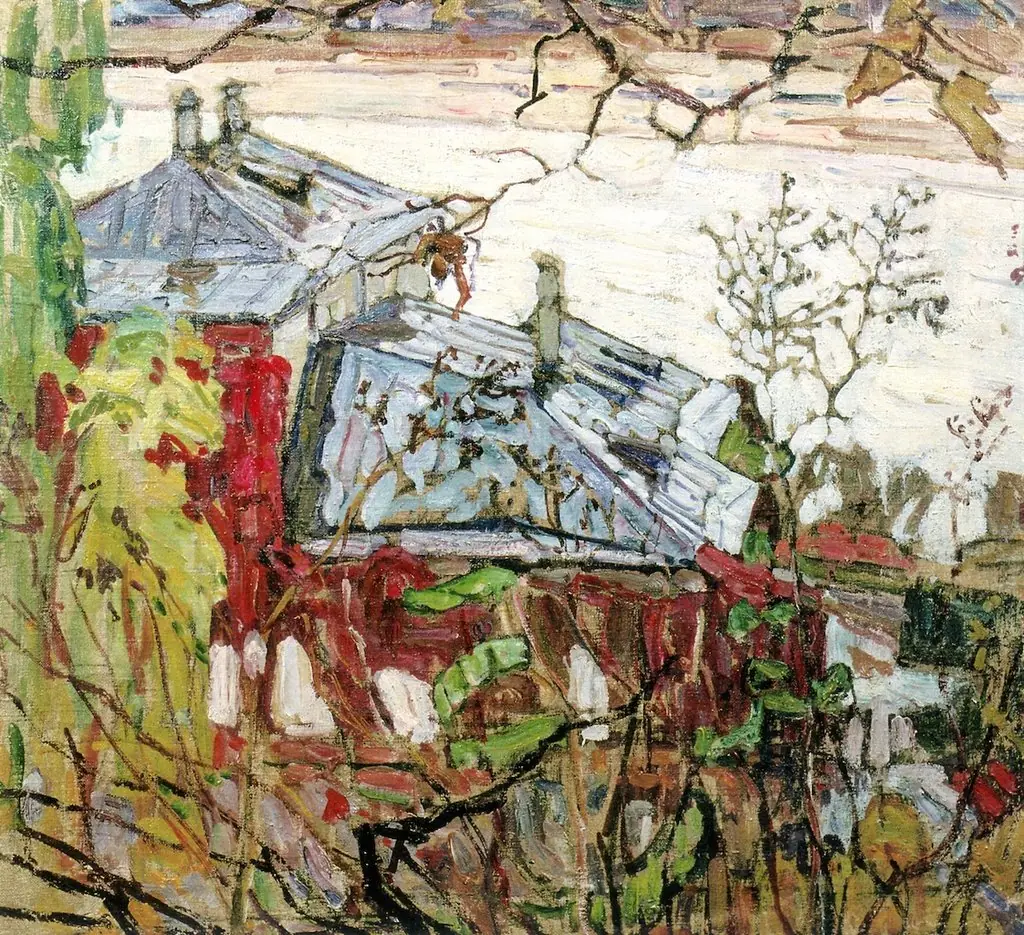
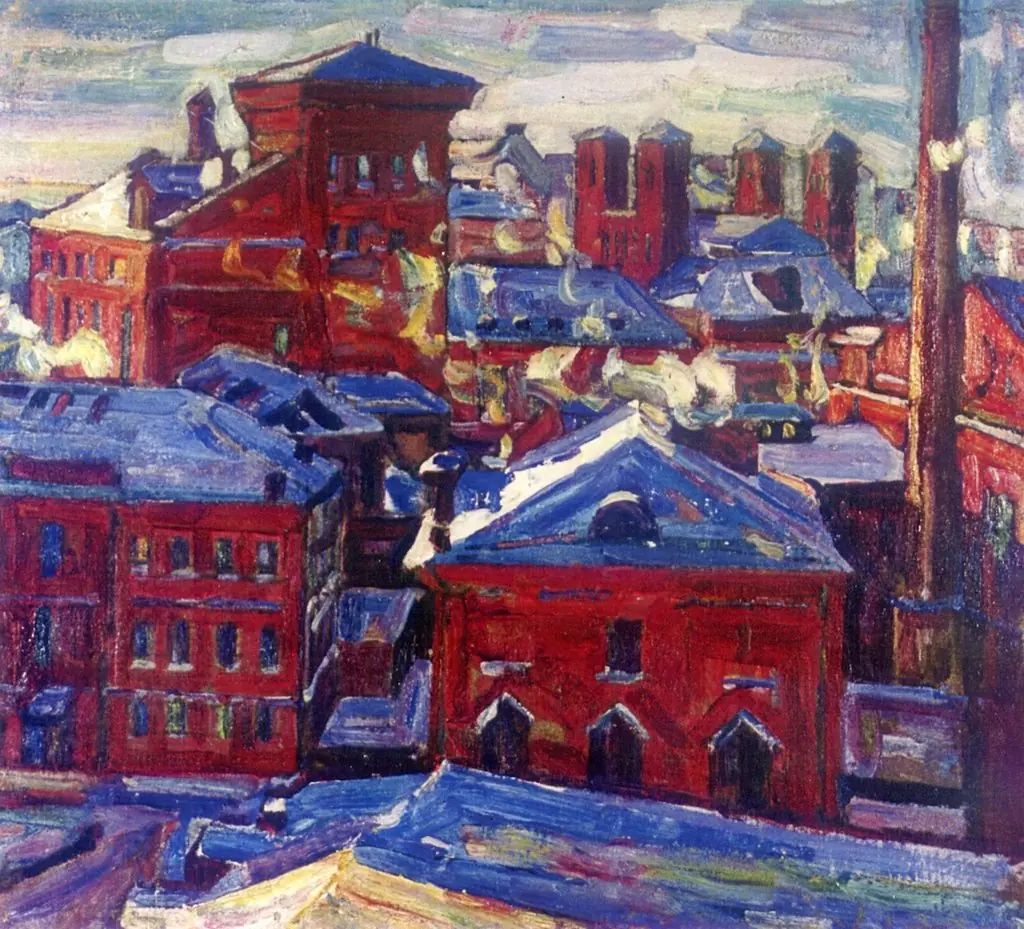
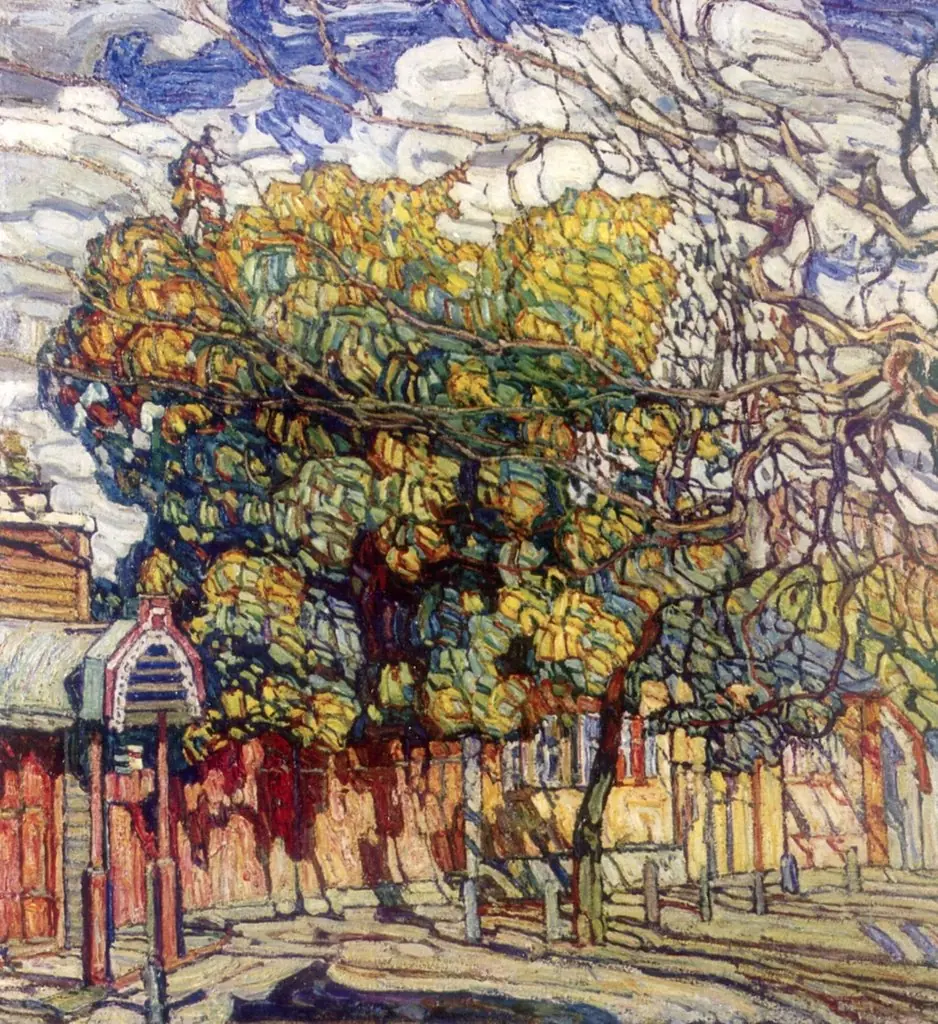
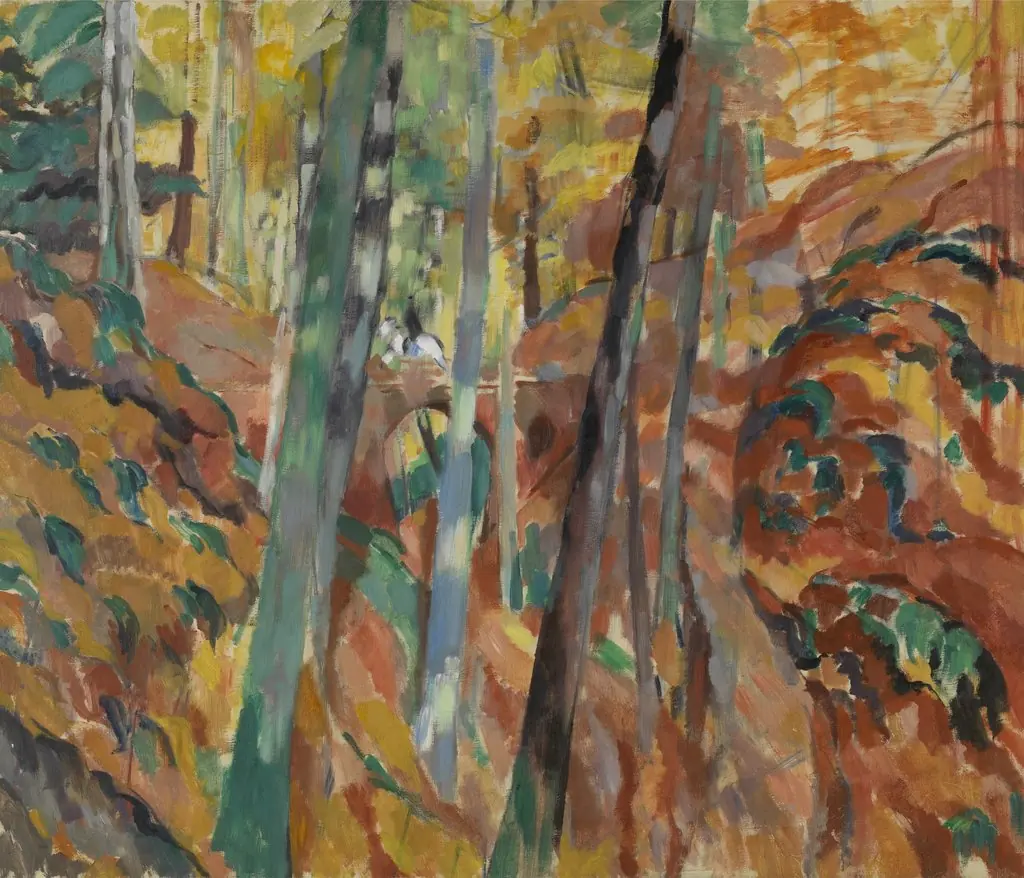
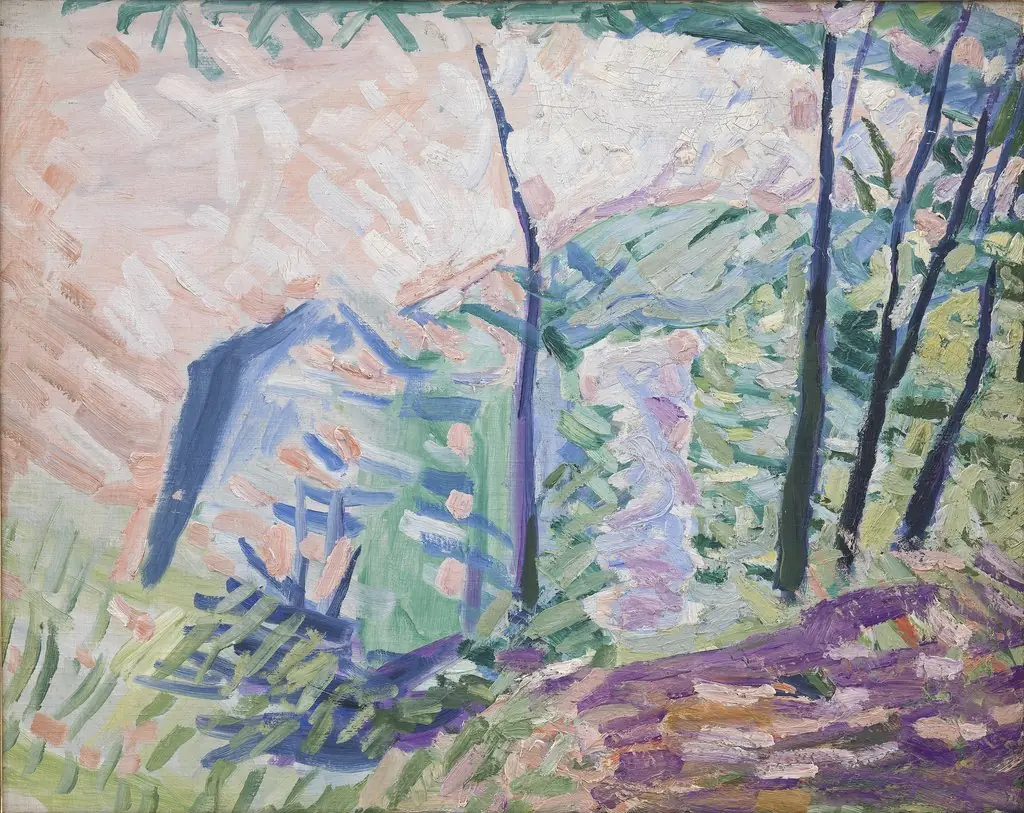
Autumn, Crotona Park, Bronx is an unspecified painting by the Ashcan School artist Abraham A. Manievich. It dates from 1922 and is held in the collection of the National Art Museum of Ukraine. Painted in 1922 by Abraham A.
About this work
Overview
Its expressive brushwork and vivid palette reflect Manievich’s background in Eastern European modernism, blending observation with emotional intensity.
Painted in 1922 by Abraham A. Manievich, Autumn, Crotona Park, Bronx captures a seasonal transformation in an urban green space. Though associated with the Ash Can School’s focus on ordinary life, this work diverges by emphasizing natural form over human activity. Its expressive brushwork and vivid palette reflect Manievich’s background in Eastern European modernism, blending observation with emotional intensity.
Subject & Meaning
The painting portrays a dense autumnal forest within Crotona Park, a public space in the Bronx. Rather than depicting people or urban infrastructure, Manievich centers the landscape itself, its trees, falling leaves, and shifting light. The absence of human figures shifts focus to nature’s quiet rhythm, suggesting themes of transience and renewal amid the city’s expansion.
Technique & Style
Manievich employed bold, energetic brushstrokes to render foliage in layered hues of crimson, ochre, and olive. The trees’ trunks and branches overlap dynamically, creating depth without linear perspective. Leaves are suggested through loose, curved strokes, some drifting downward, enhancing a sense of motion. Color is used expressively, not realistically, to convey mood rather than mere appearance.
History & Provenance
Created during Manievich’s time in New York after emigrating from Eastern Europe, the painting remained in his possession until his death. It was later acquired by the National Art Museum of Ukraine, reflecting both the artist’s heritage and the diasporic journey of his work. Its presence in Kyiv underscores its cultural significance beyond its American subject.
Context
In the early 1920s, many immigrant artists in New York reinterpreted urban and natural environments through personal lenses. While Ash Can painters often highlighted social conditions, Manievich turned inward, channeling his European training into lyrical landscapes. This work reflects a broader trend among émigrés who fused modernist techniques with emotional responses to their new surroundings.
Legacy
Though less known than his contemporaries, Manievich’s Autumn, Crotona Park, Bronx stands as a quiet testament to the intersection of immigrant experience and artistic innovation. Its preservation in Ukraine highlights how diasporic artists carried their visual language across borders, influencing how nature and memory were rendered in 20th-century modernism.
Artist & collection
Artist
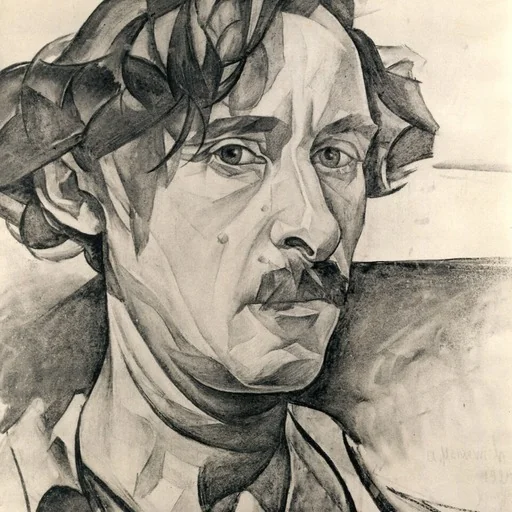
Abraham Anshelovich Manievich (25 November 1881 – 30 June 1942, born Abram Manevich) was an American expressionist artist of Belarusian-Jewish and Ukrainian origin.