Movement
Ashcan School
Ashcan School is an art movement dating from 1910. The gallery holds 73 works in this movement, including works by George Bellows, Samuel Halpert and Charles Demuth. Browse Ashcan School paintings, portraits, pictures and artworks from the world's public-domain museum collections.
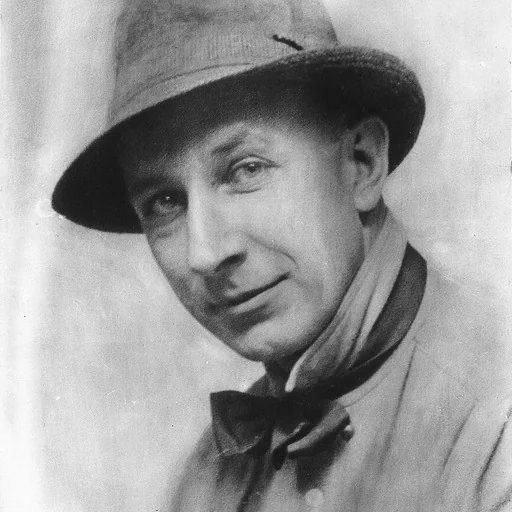
The Ashcan School was a movement of American urban realism that flourished in the first decade and a half of the twentieth century, centered on New York City. It arose as a deliberate revolt against the genteel conventions of the National Academy of Design and the polite subject matter of American Impressionism. Its guiding spirit was Robert Henri, who had studied in Paris and absorbed the bravura realism of Manet, Courbet, Daumier, and the Spanish masters Velázquez and Goya. Henri preached an "art for life's sake," urging his circle to paint the city as they found it. The movement's irreverent name surfaced around 1916, after a complaint about the group's magazine illustrations of "ashcans and girls hitching up their skirts on Horatio Street"—an insult the painters wore as a badge.
Where Impressionists offered sunlit leisure, the Ashcan painters turned to the Lower East Side and the Bowery, to immigrants, dockworkers, prizefighters, saloons, and crowded tenement streets. Their technique matched their subjects: dark, earthy palettes and rapid, gestural brushwork that gave figures a sense of motion and physical immediacy rather than fine finish. The work was reportorial and unsentimental, prizing vitality over refinement.
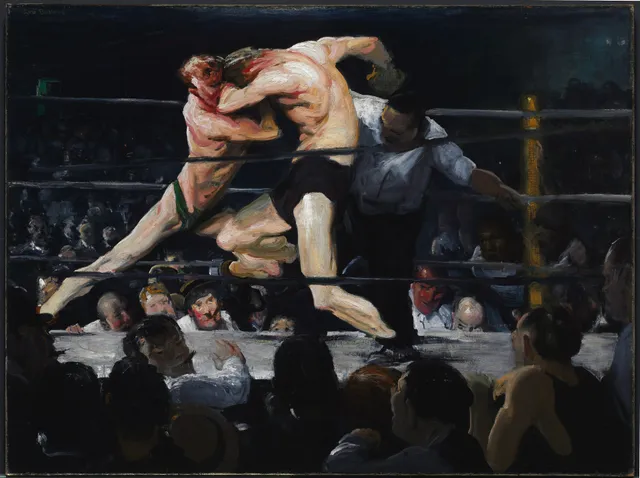
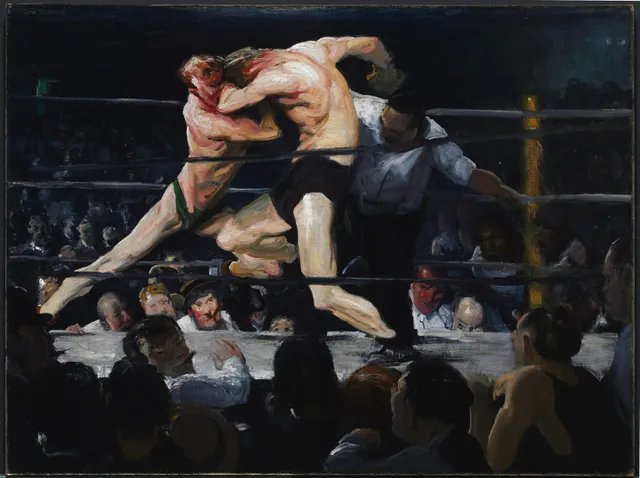
The core figures gathered around Henri: John Sloan, George Luks, William Glackens, and Everett Shinn, with the younger George Bellows soon their most powerful talent. In February 1908 several exhibited at the Macbeth Galleries as part of "The Eight," a landmark independent show that loosened the academy's grip on American exhibition. Canonical works include Bellows's "Stag at Sharkey's" (1909), depicting an illegal boxing match in a private club—prizefighting was banned in New York until 1920—and Sloan's "McSorley's Bar" and "Sixth Avenue Elevated at Third Street."
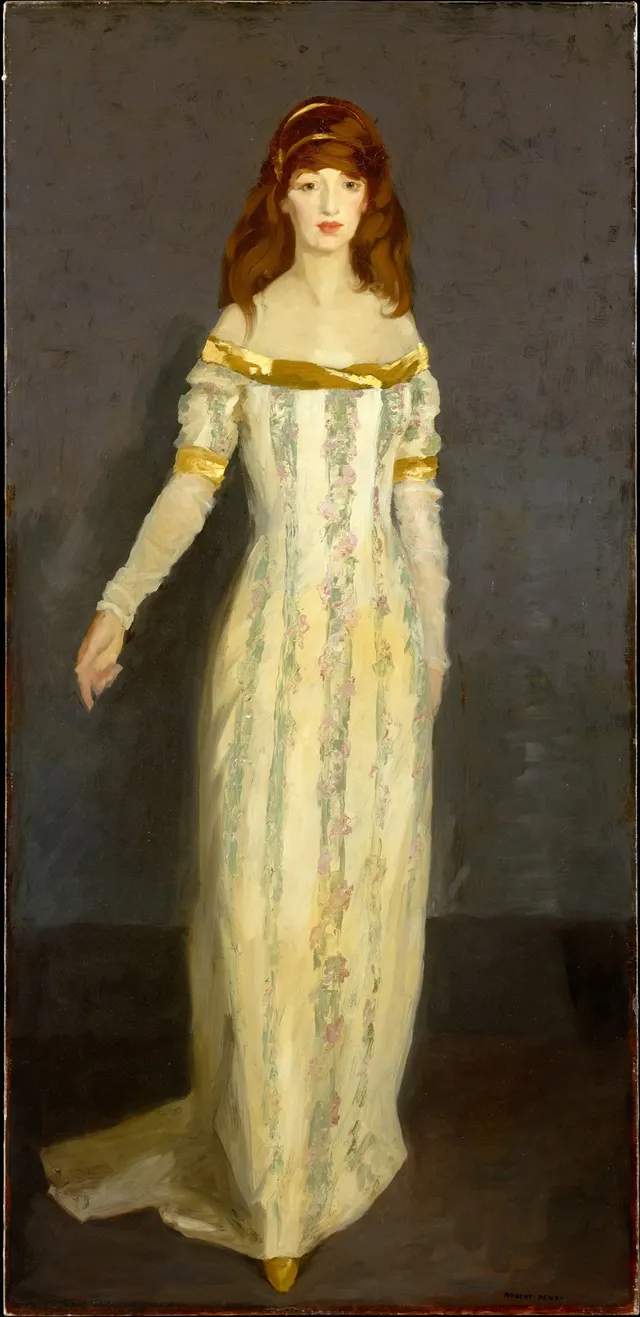
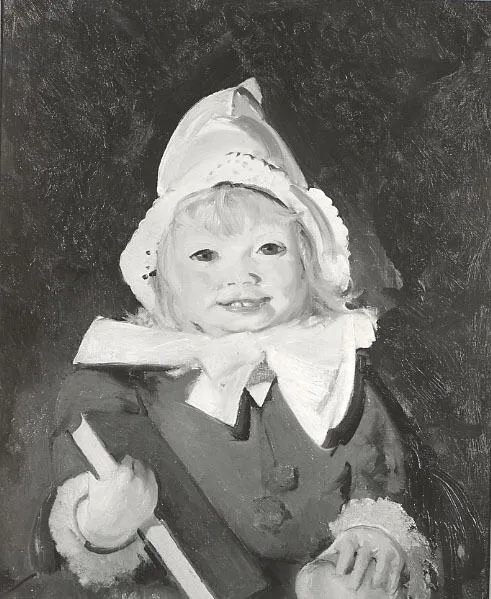
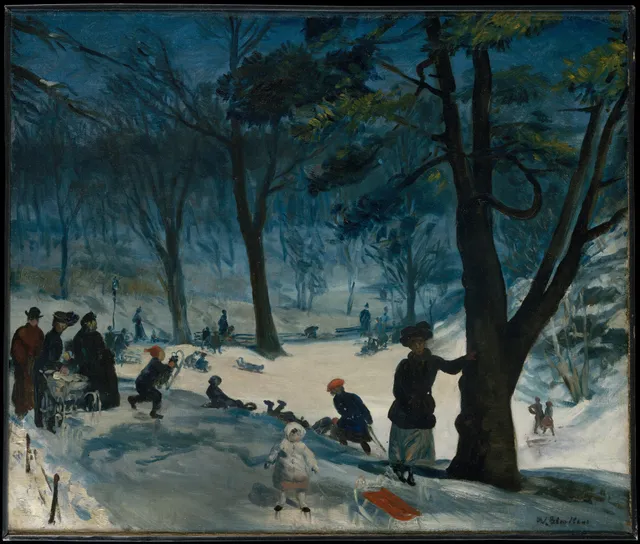
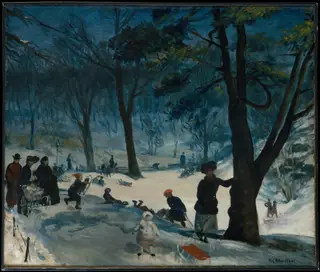
The Ashcan painters helped organize the era's independent exhibitions and many were represented in the 1913 Armory Show, even as that exhibition's European modernism quickly eclipsed their realism. Their legacy endured in American Scene painting and Social Realism of the 1920s and 1930s, establishing a durable native tradition of grappling with ordinary modern life. This collection holds Bellows's "Stag at Sharkey's" and "Jean with Blue Book and Apple," Henri's "The Masquerade Dress," Glackens's "Central Park, Winter," and Robert Spencer's "Repairing the Bridge."
Key artists
Works
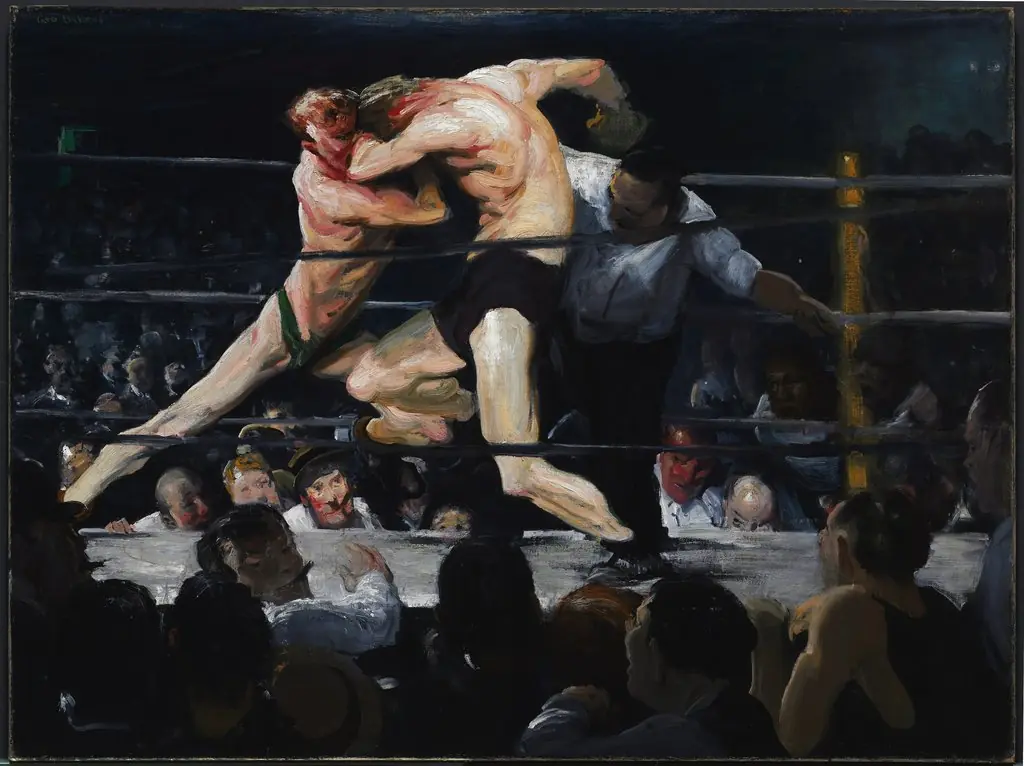 Stag at Sharkey's
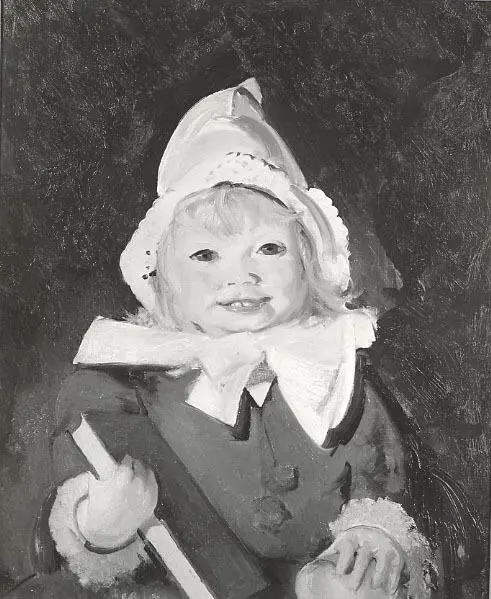 Jean with Blue Book and Apple
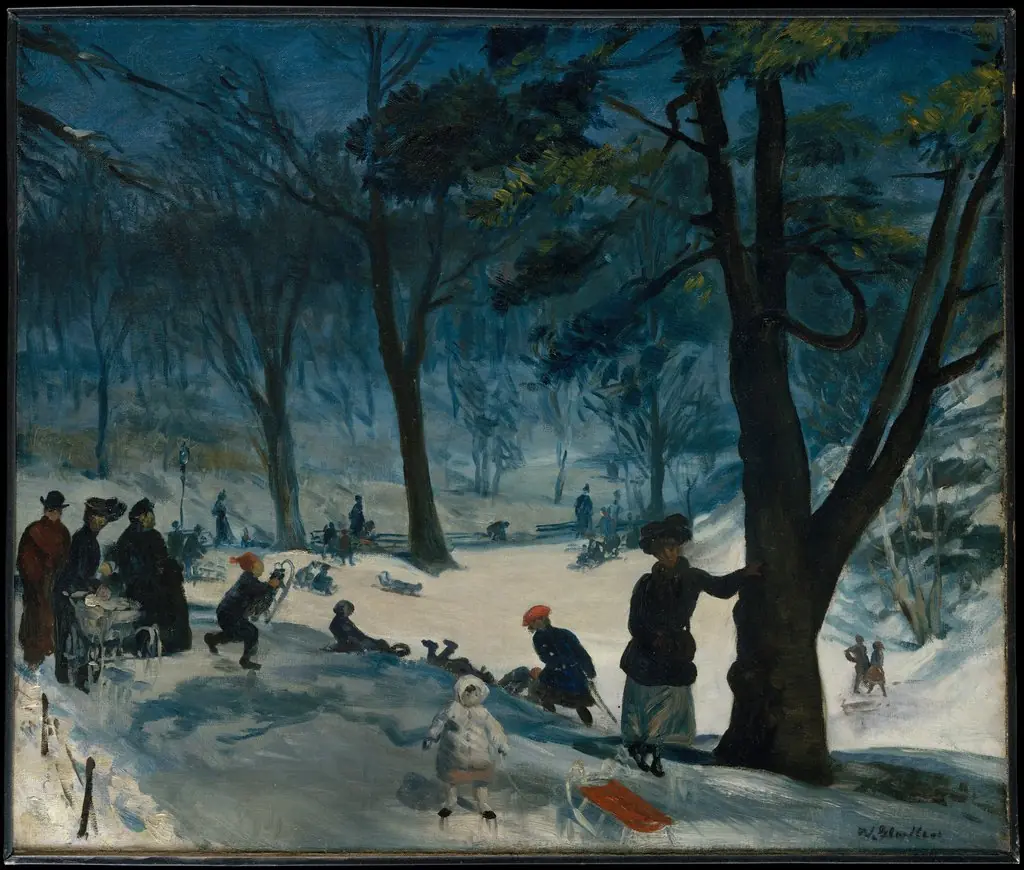 Central Park, Winter
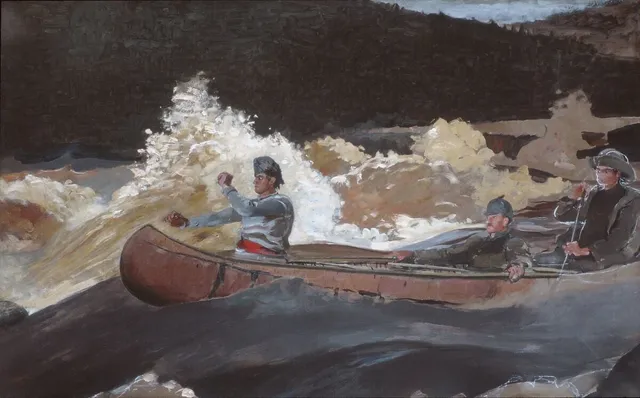
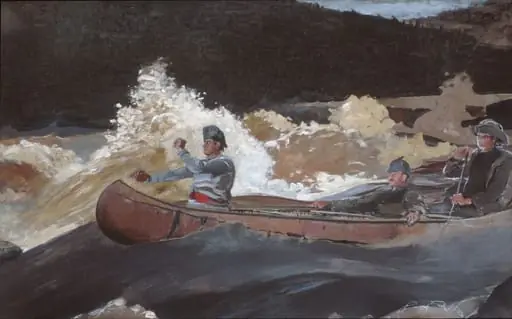 Shooting the Rapids, Saguenay River
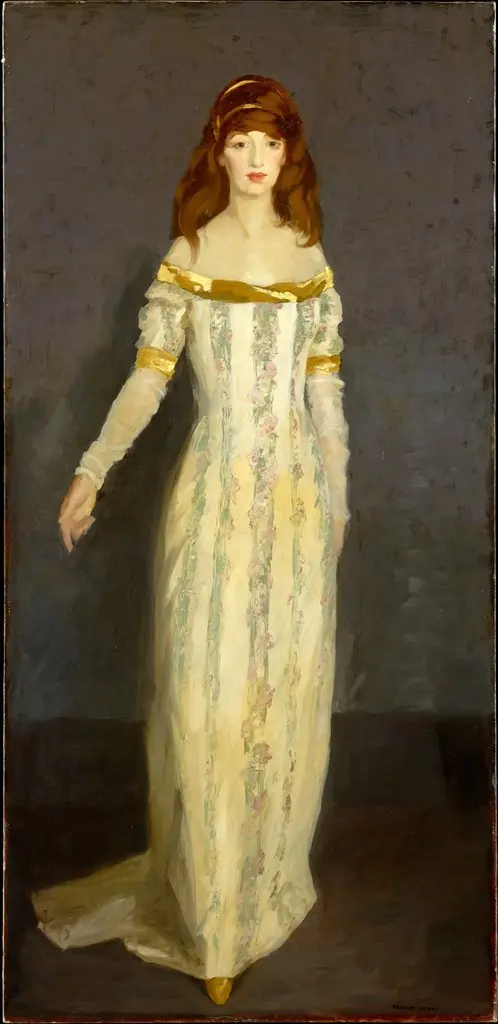 The Masquerade Dress
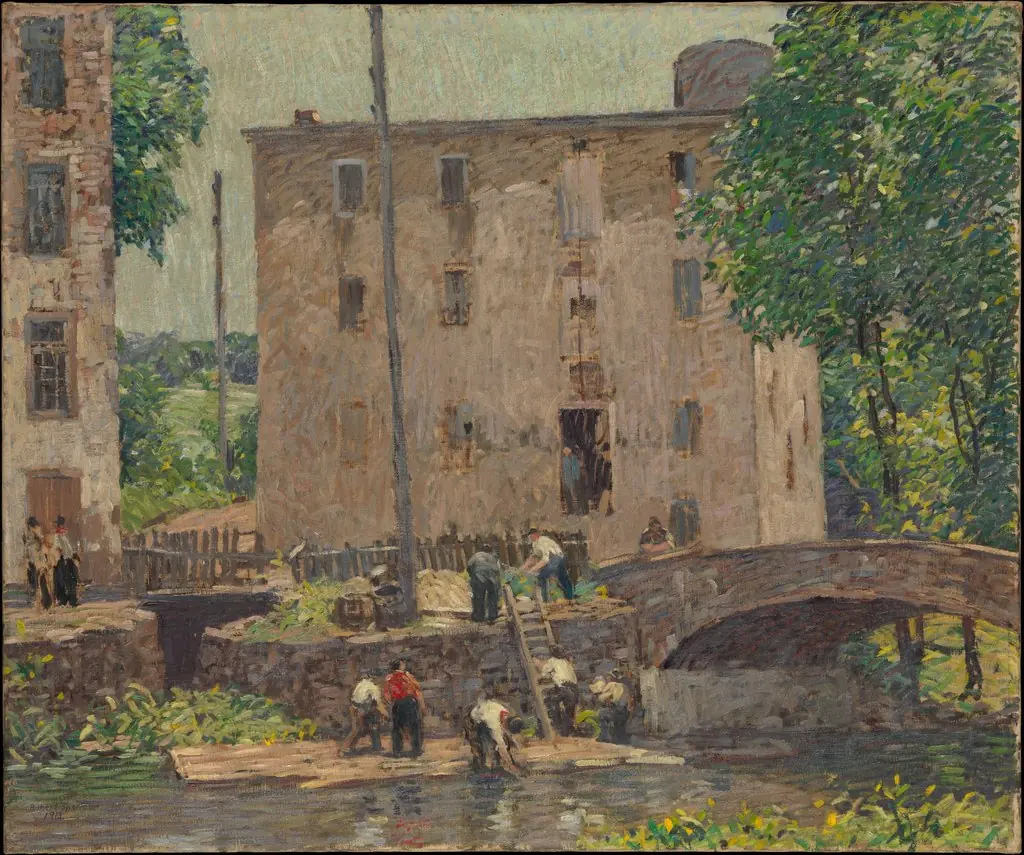 Repairing the Bridge
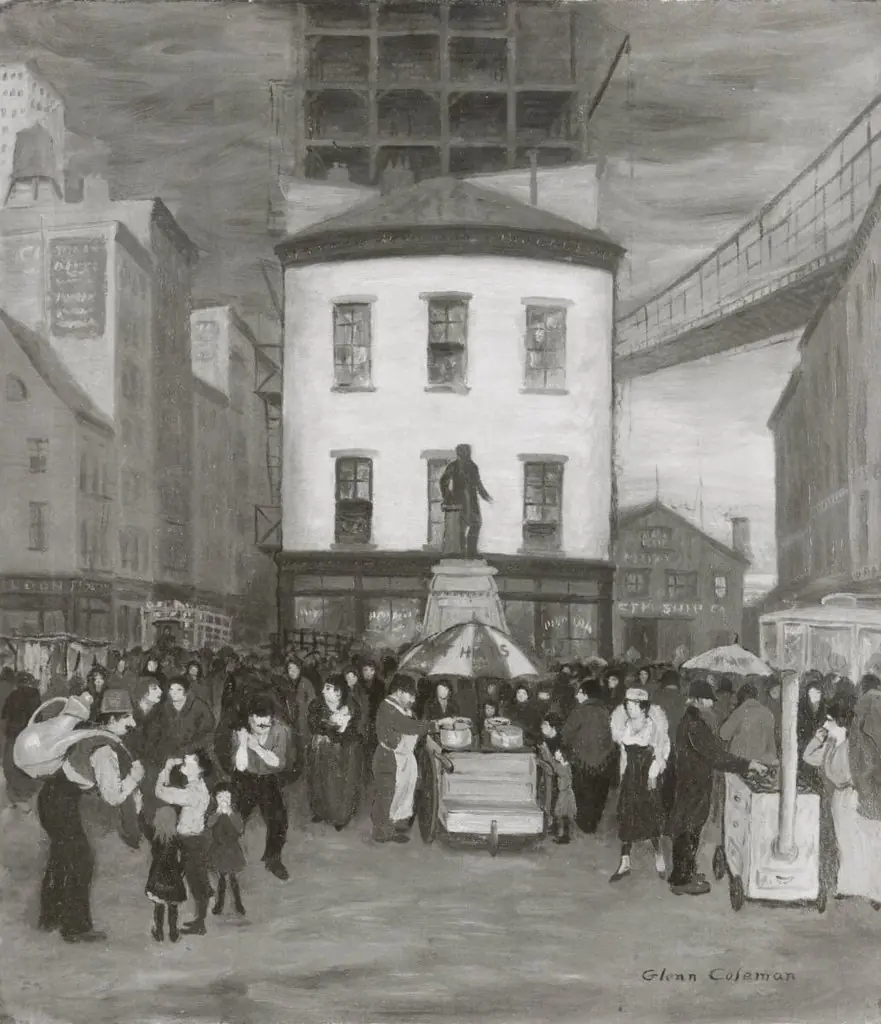 New York Street Scene
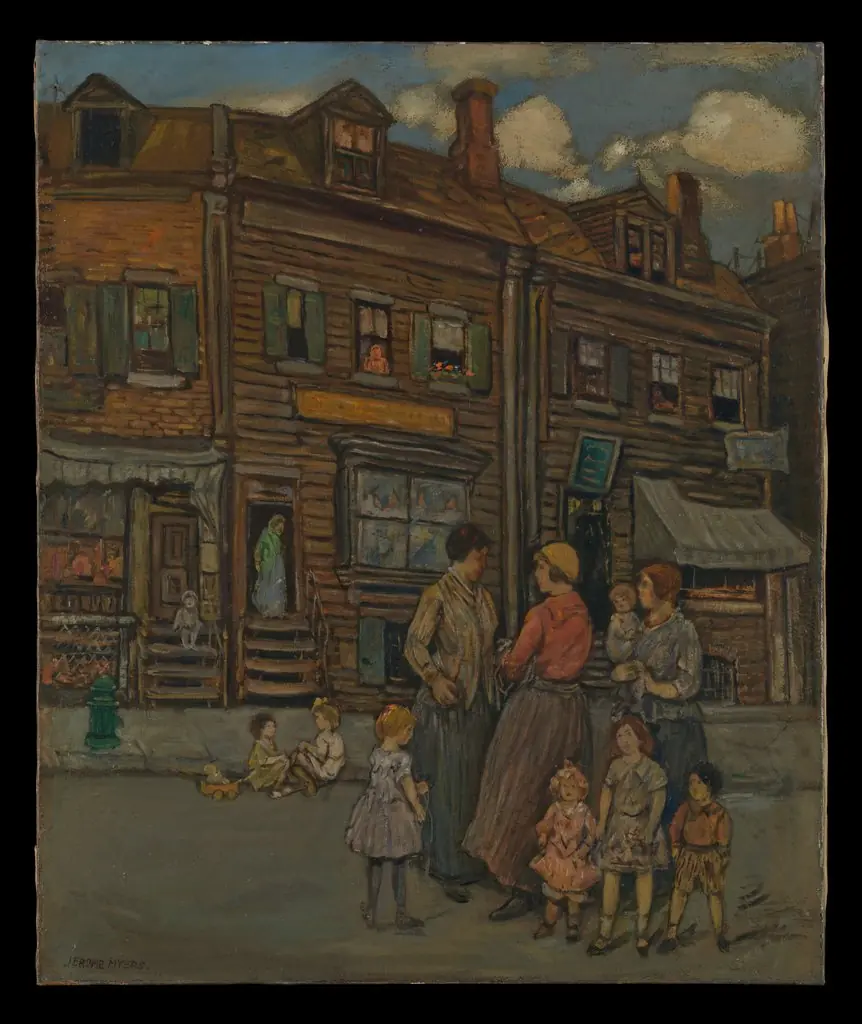 Street Group
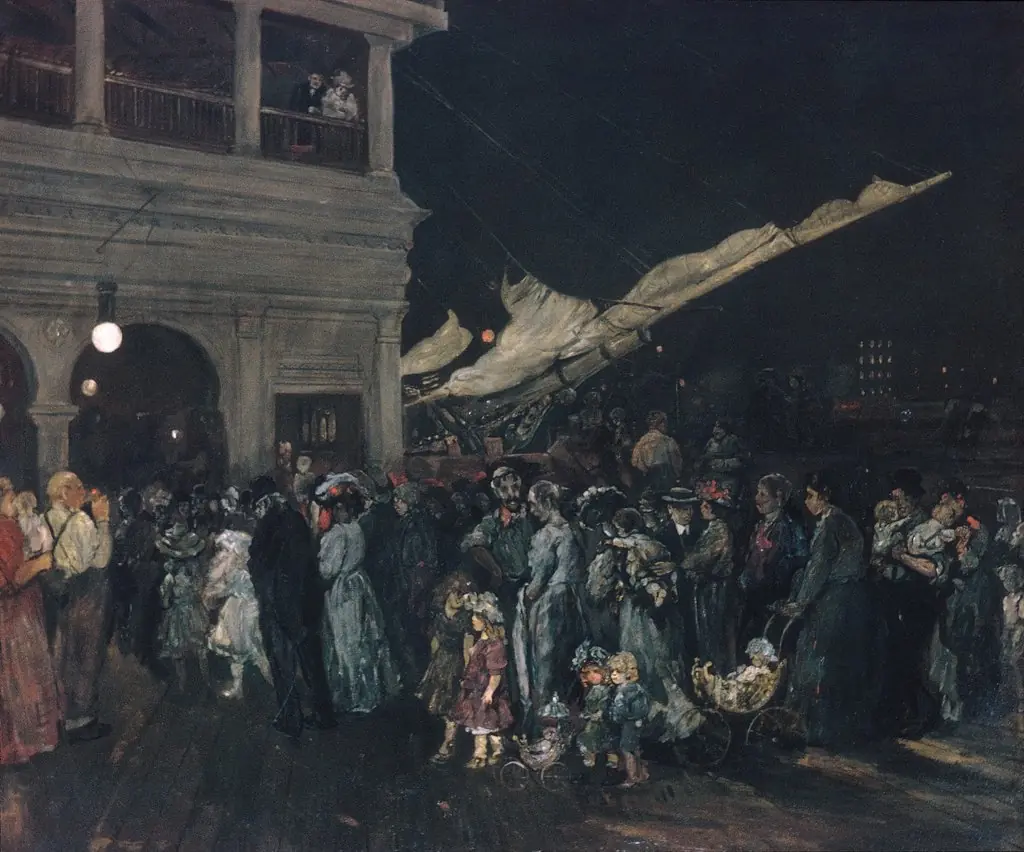 A North River Recreation Pier
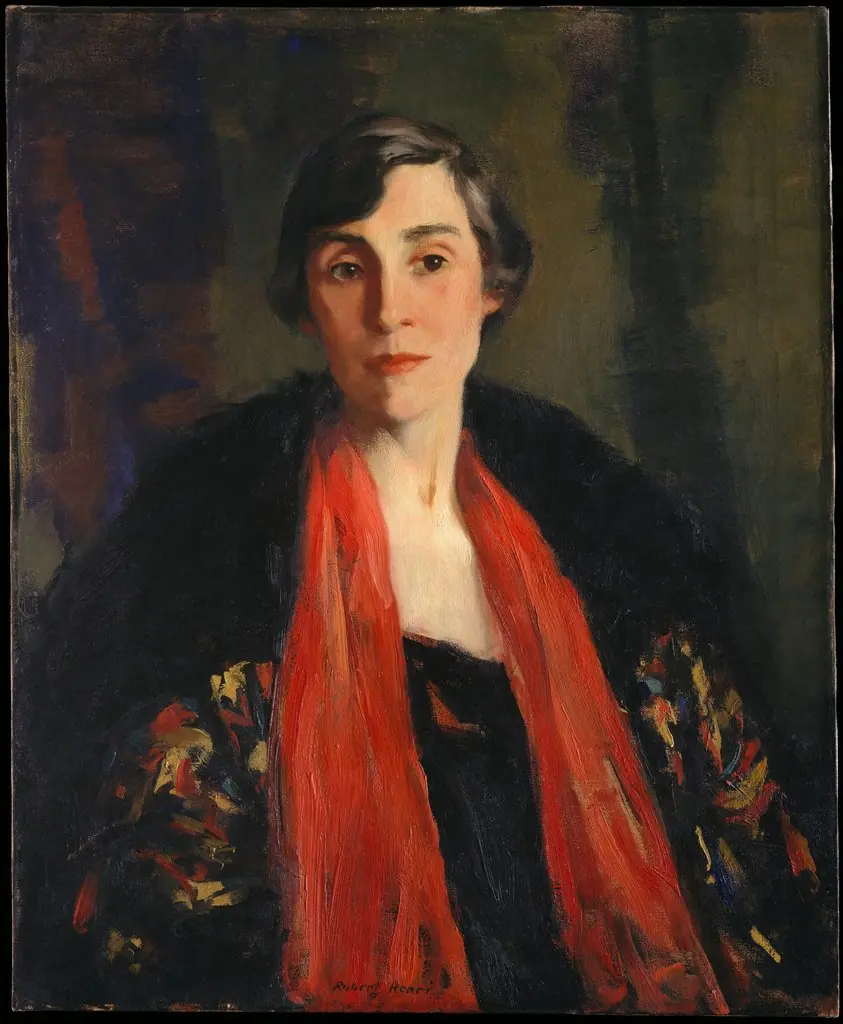 Mary Fanton Roberts
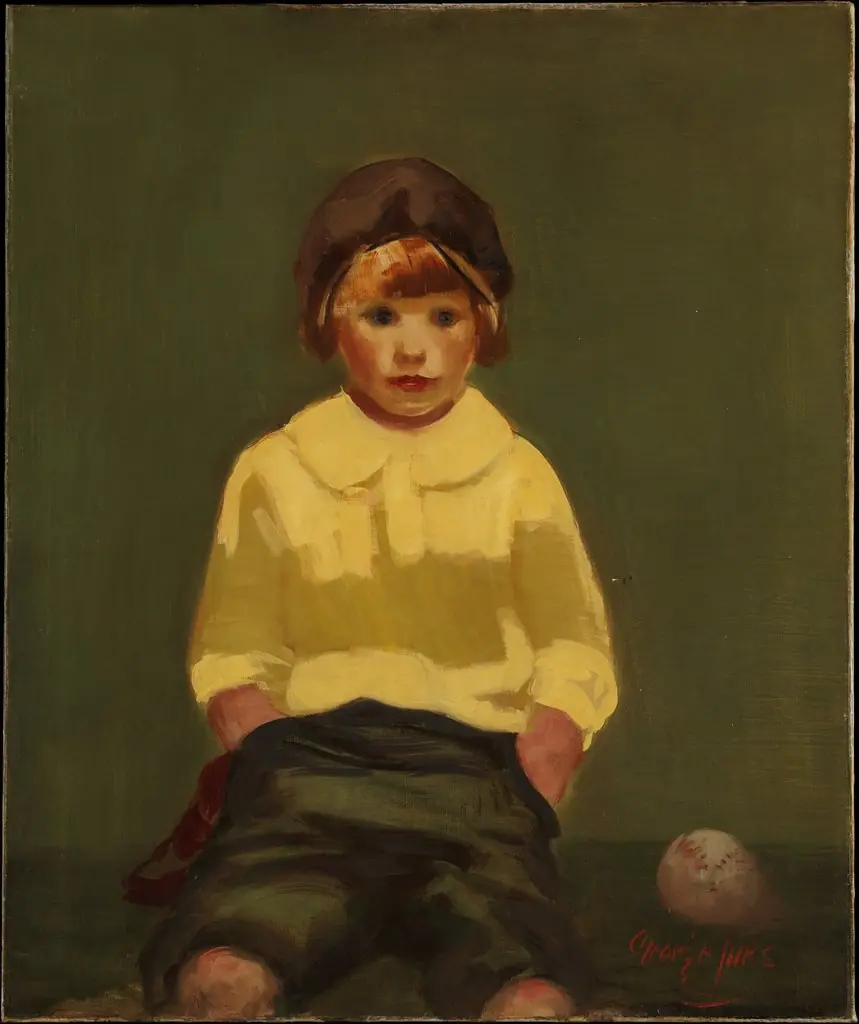 Boy with Baseball
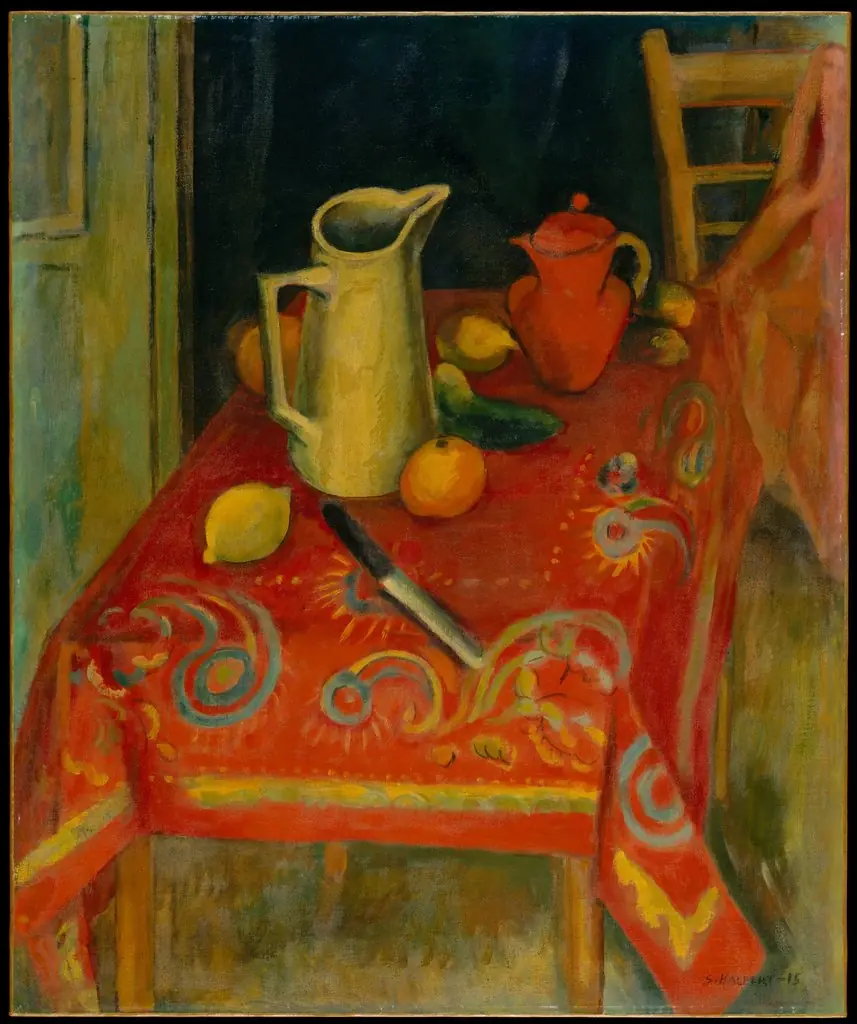 The Red Tablecloth
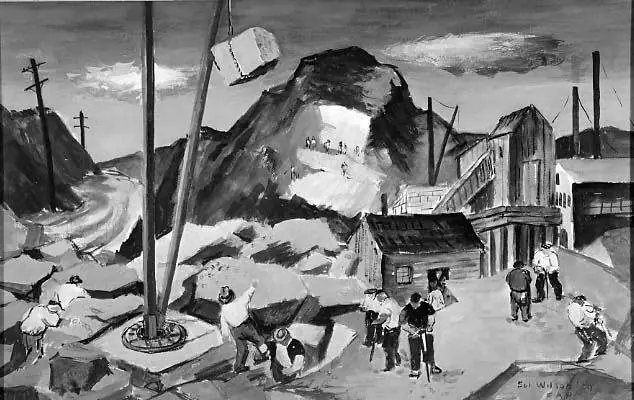 Granite
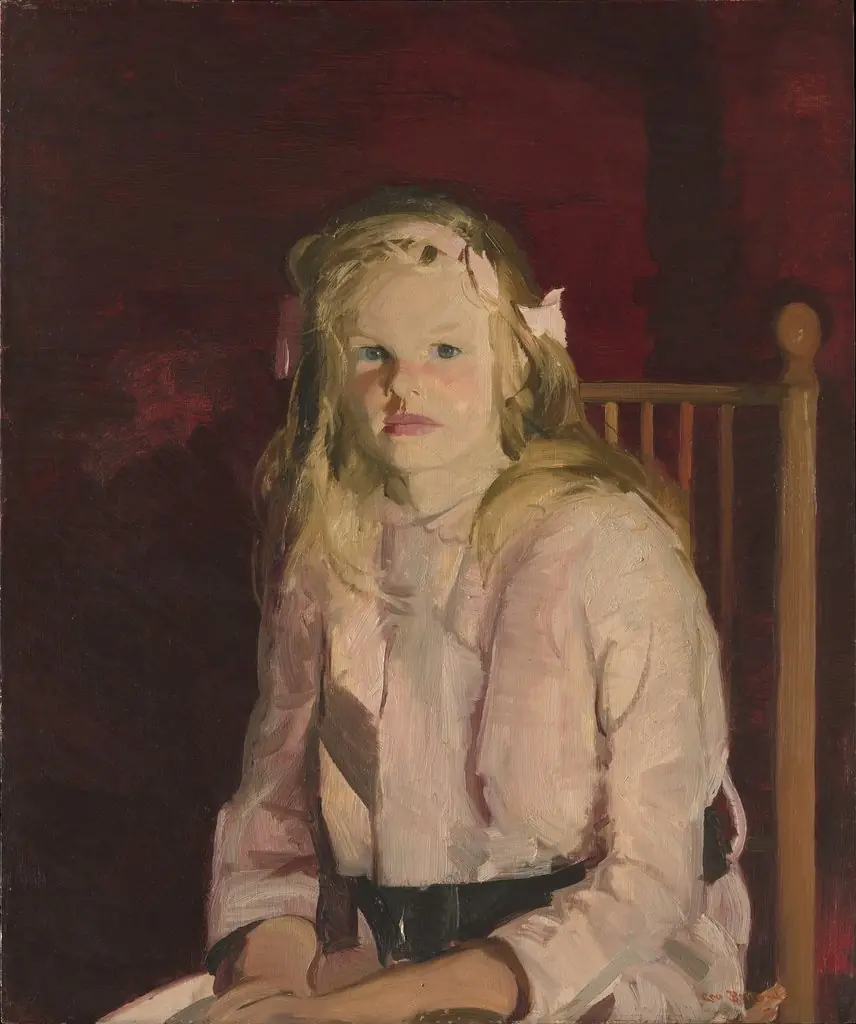 Julie Hudson
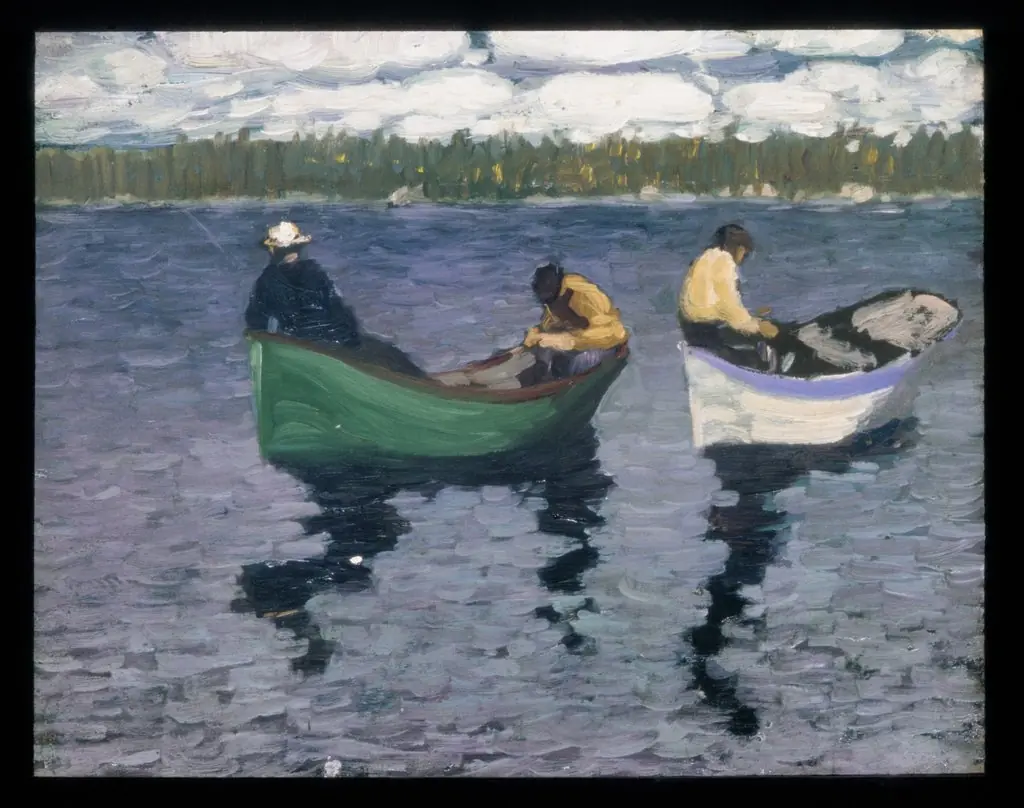 Fishermen
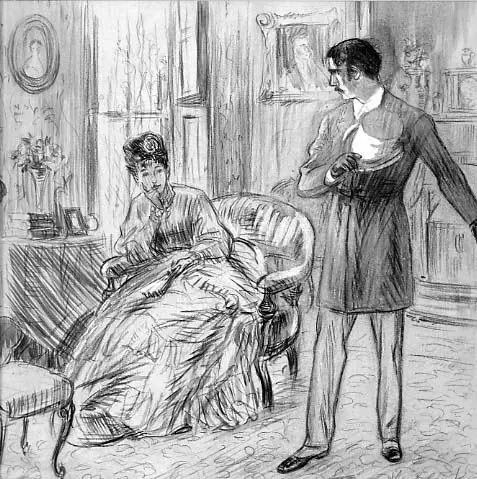 The Visit
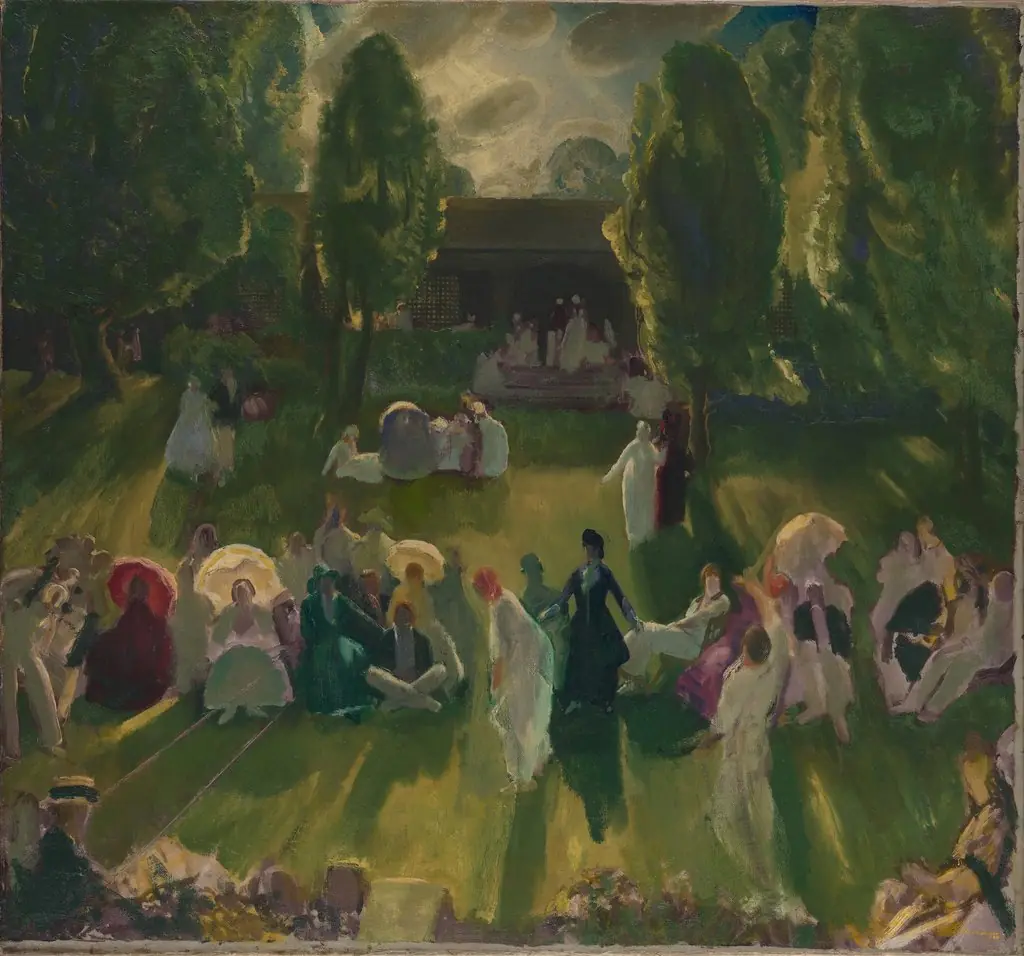 Tennis at Newport
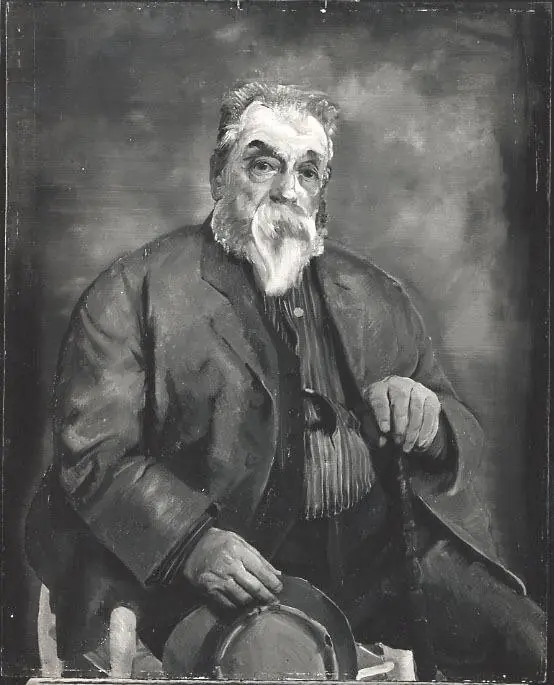 Padre
Padre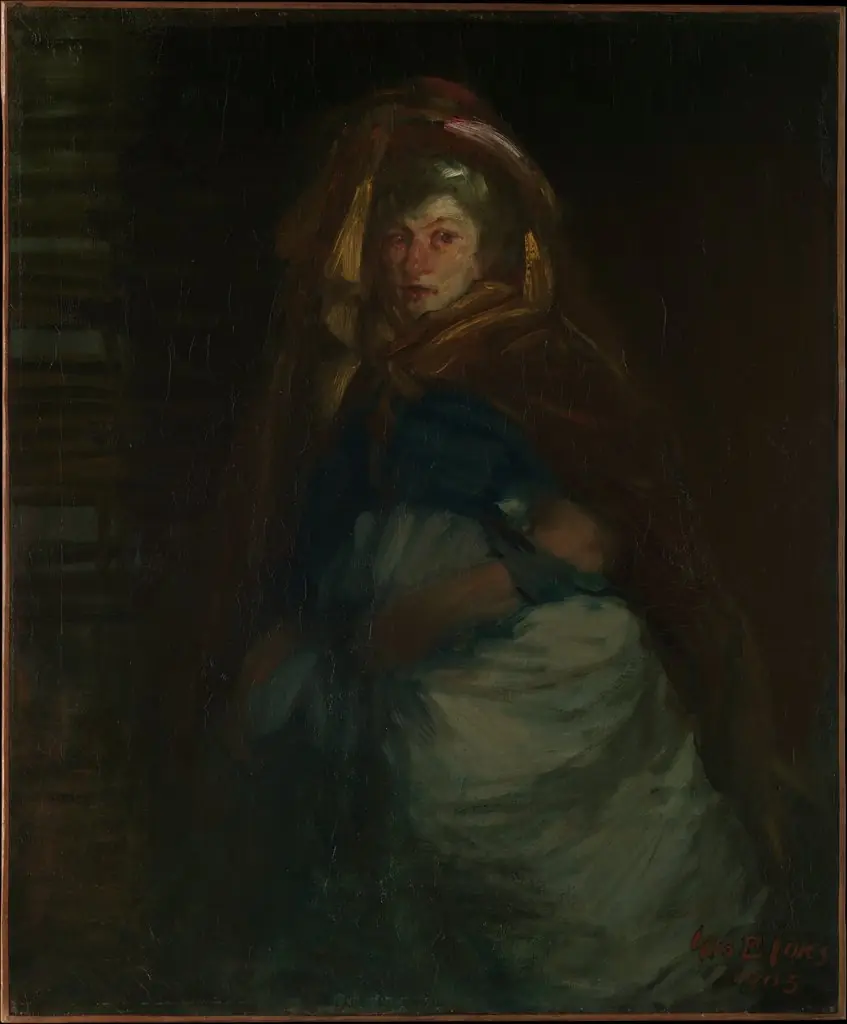 The Old Duchess
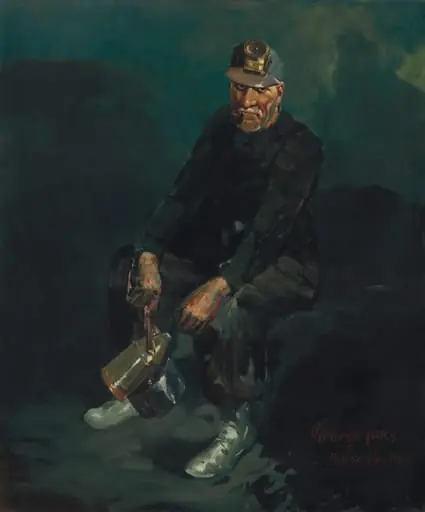 The Fire Boss
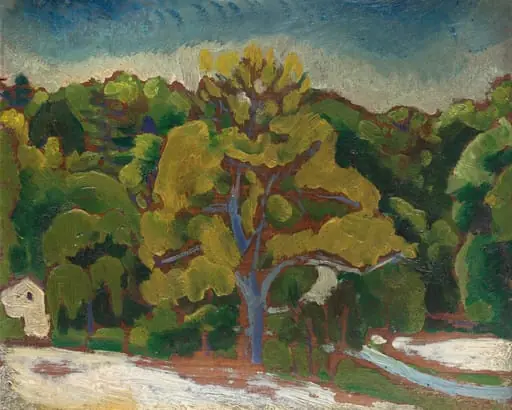 Landscape
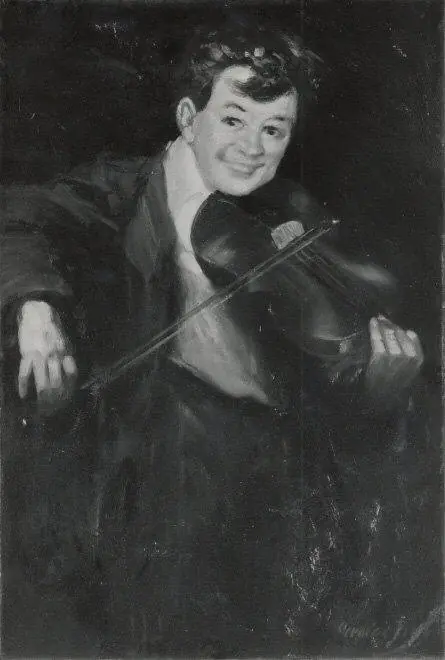 Boy with Violin
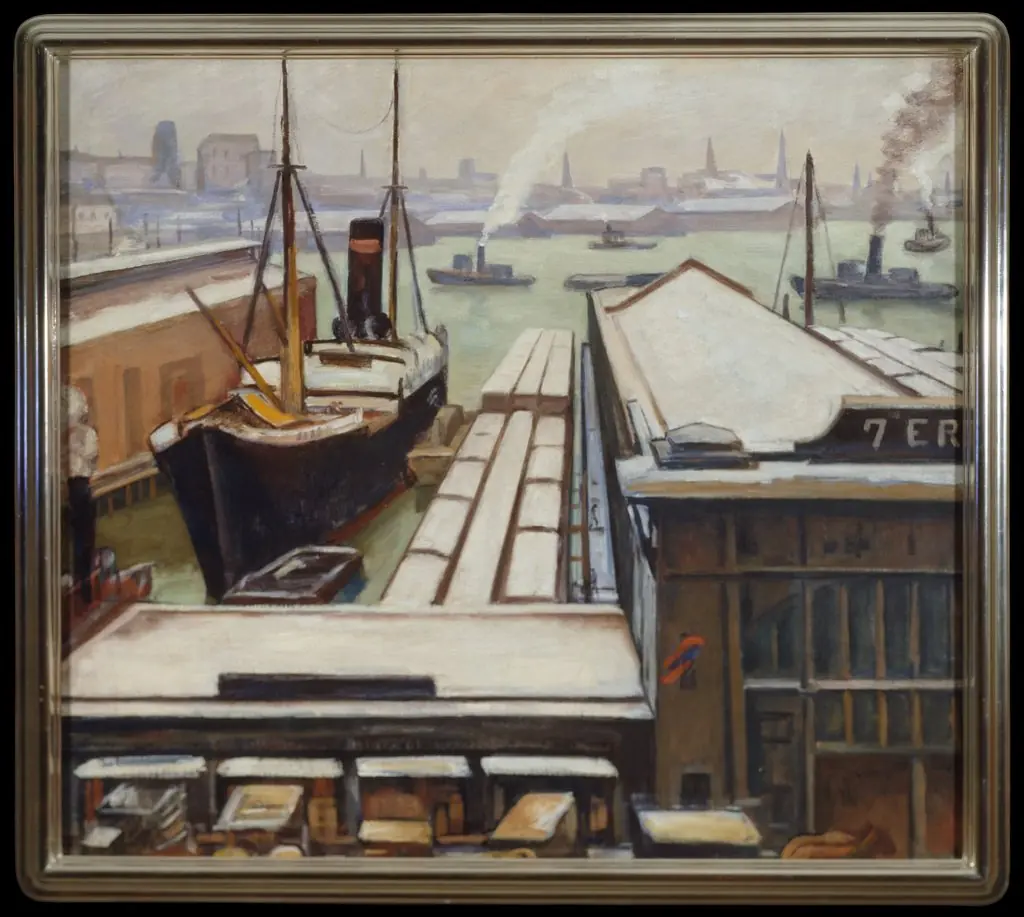 East River
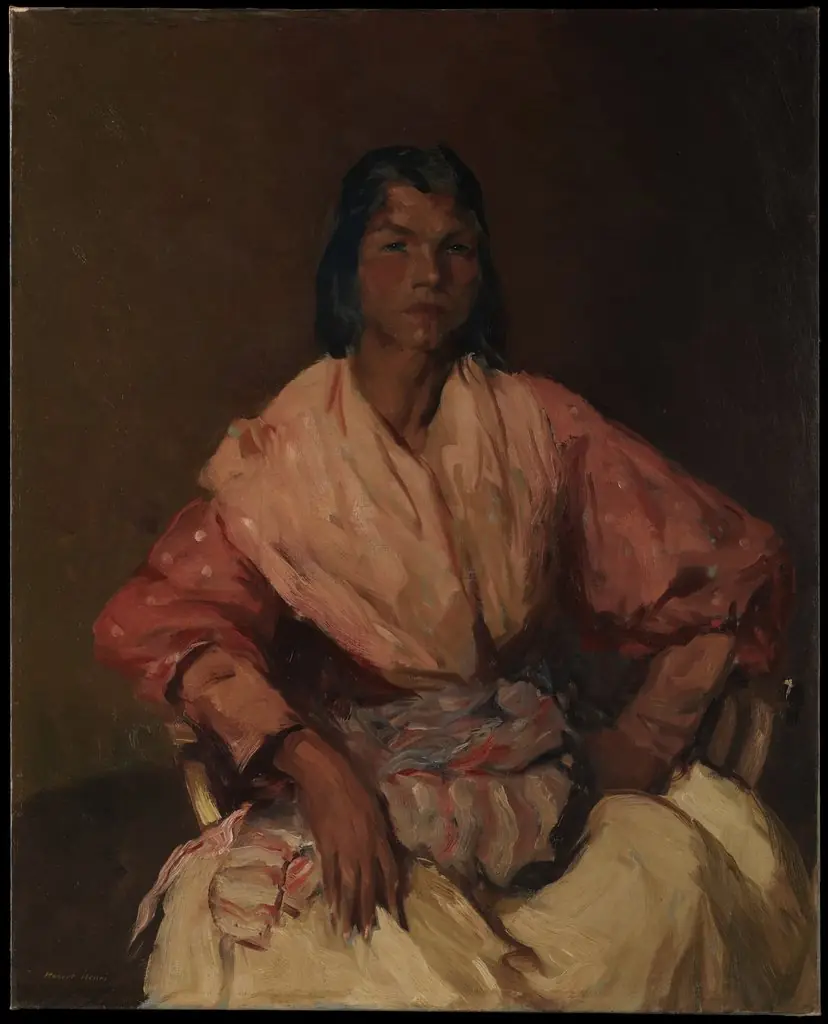 The Spanish Gypsy
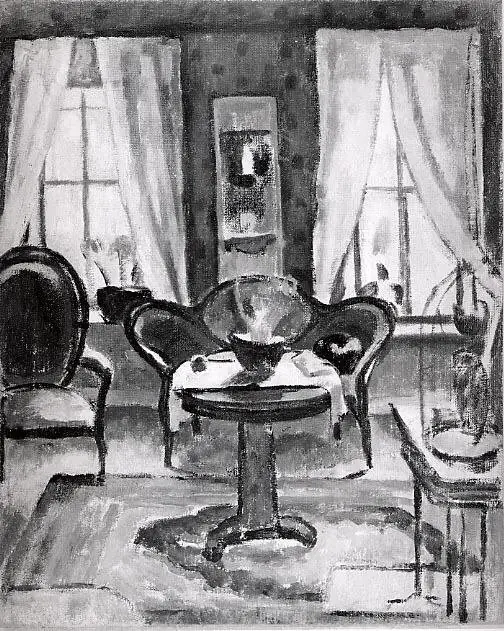 Interior
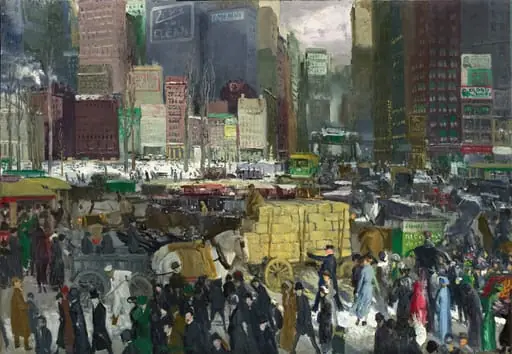 New York
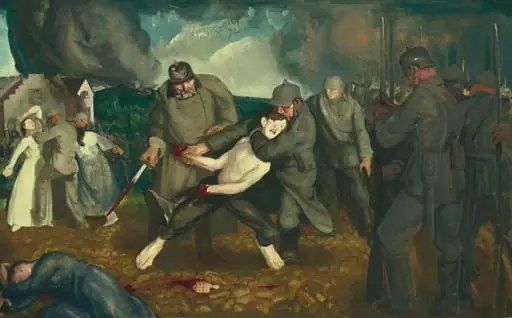 The Germans Arrive
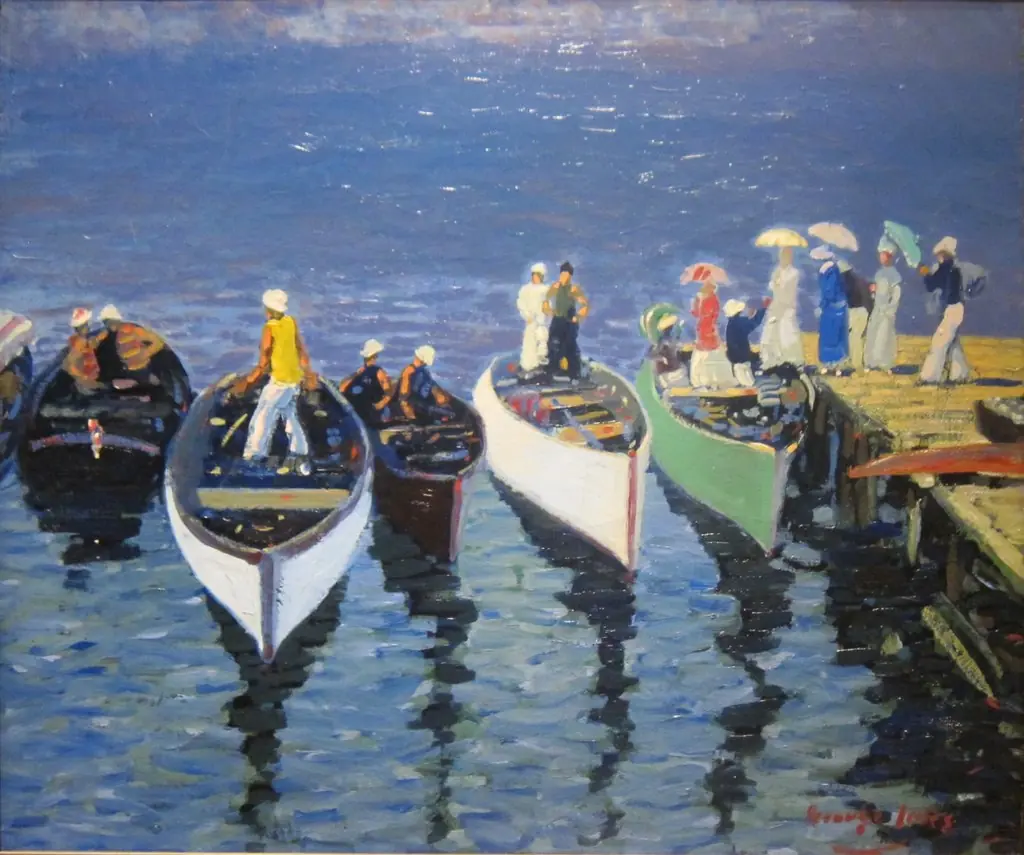 Holiday on the Hudson
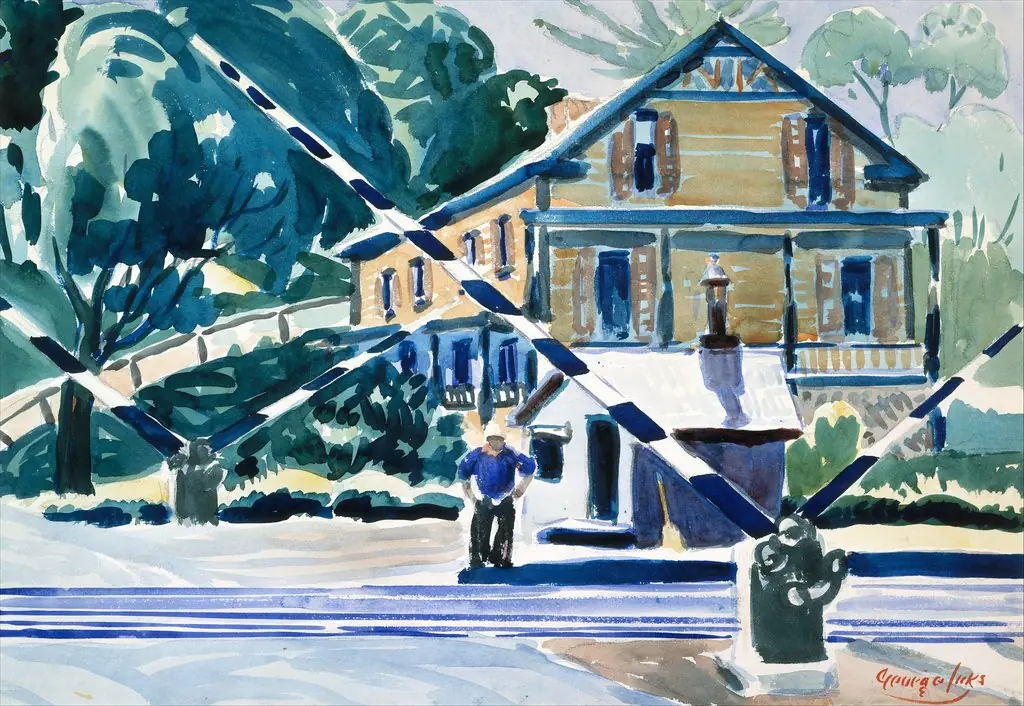 Railroad Crossing, The Berkshires
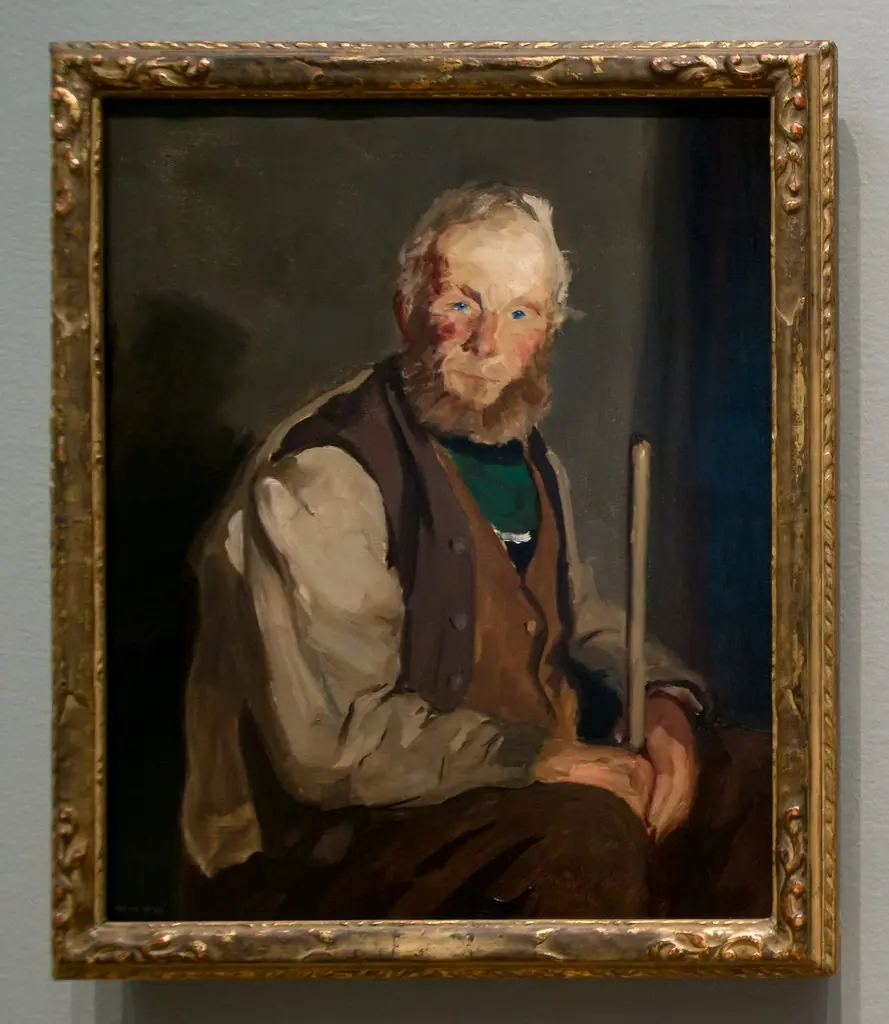 Himself
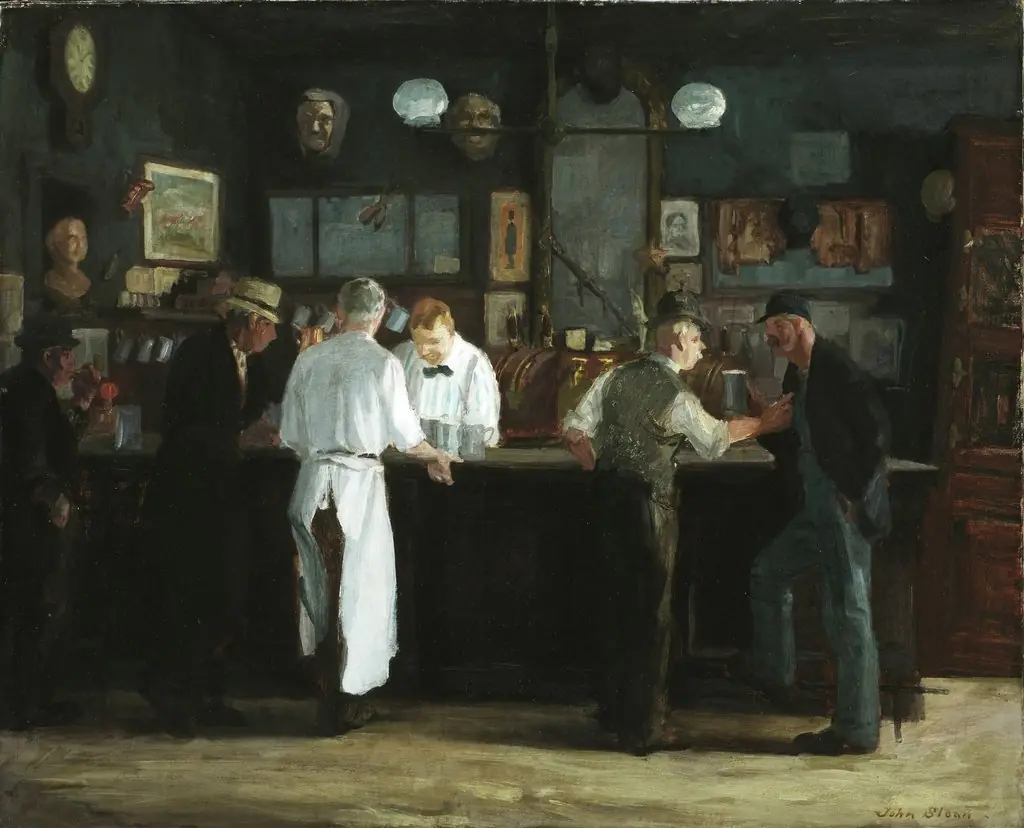 McSorley's Bar
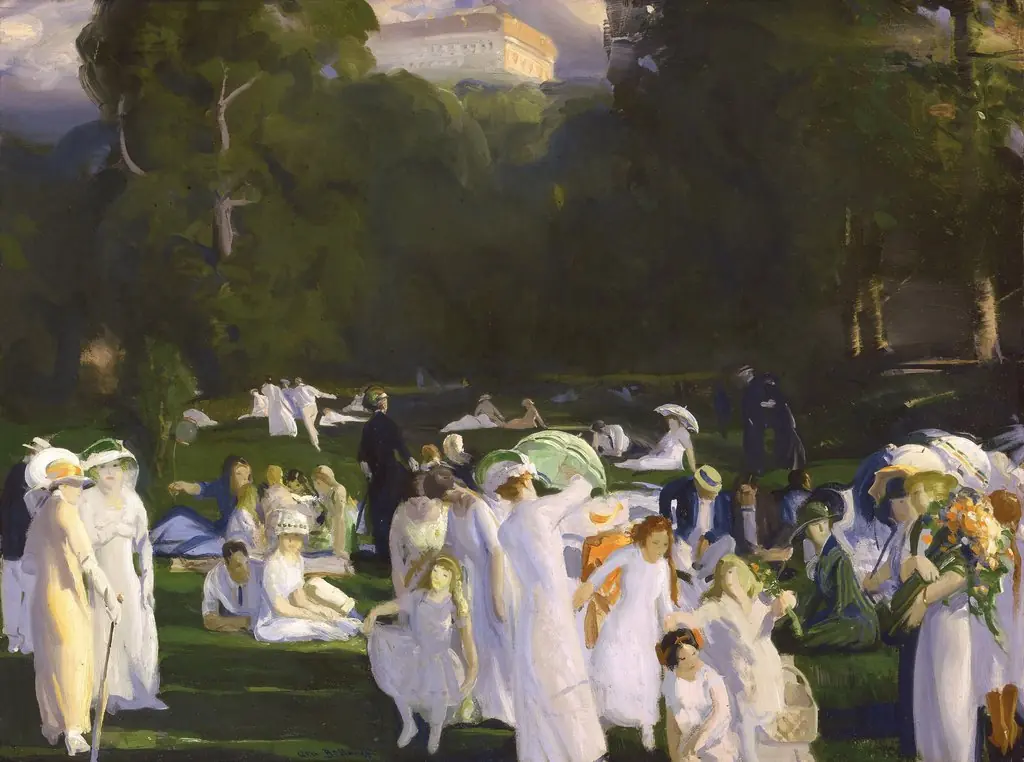 A Day in June
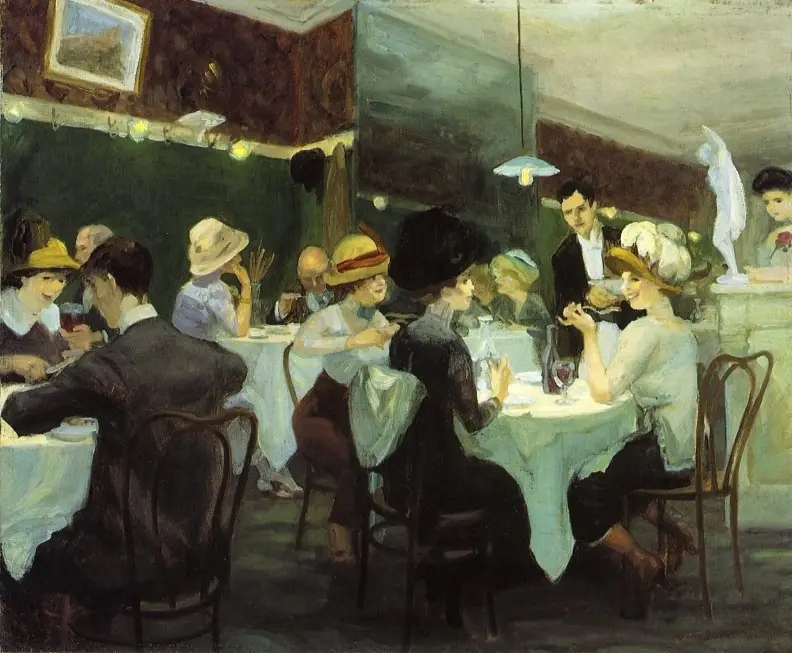 Renganeschi's Saturday Night
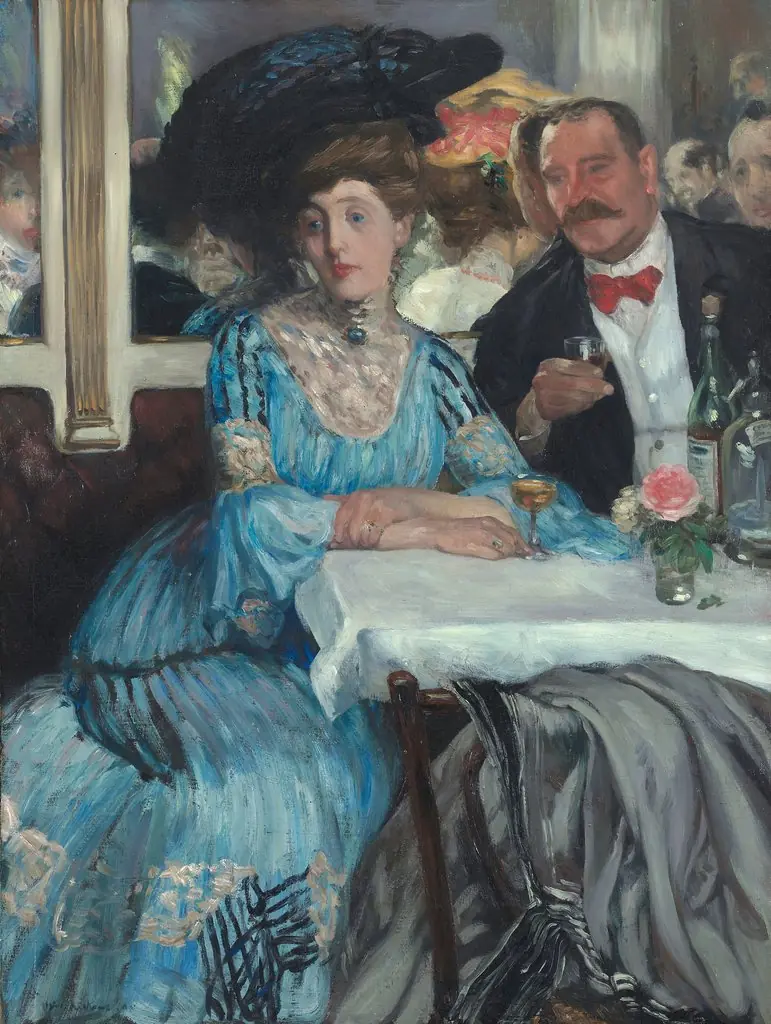 At Mouquin's
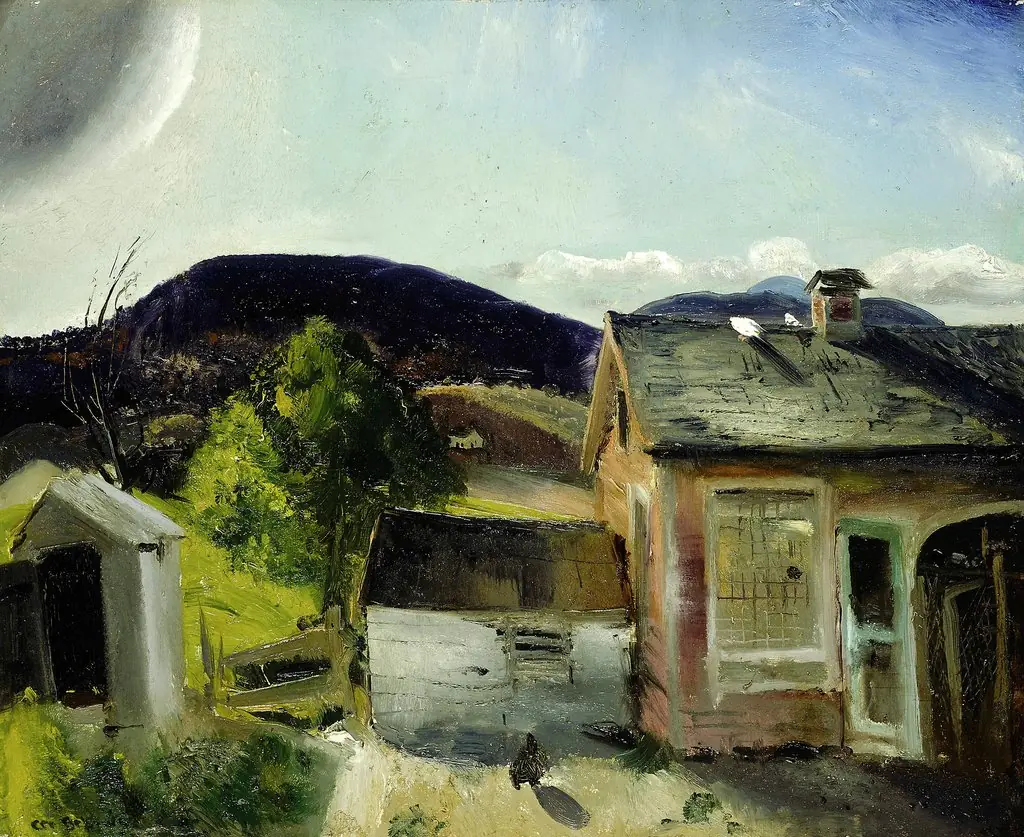 The Village Houses
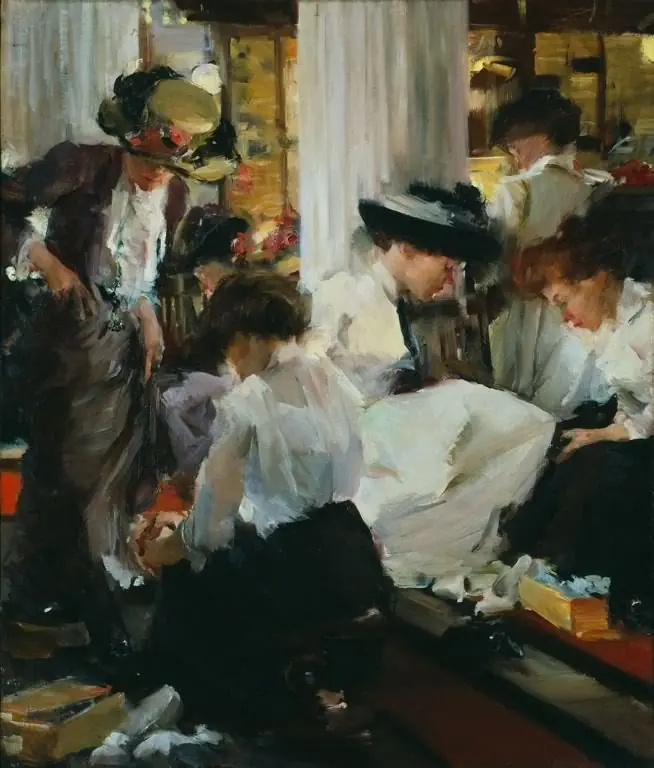 Shoe Shop
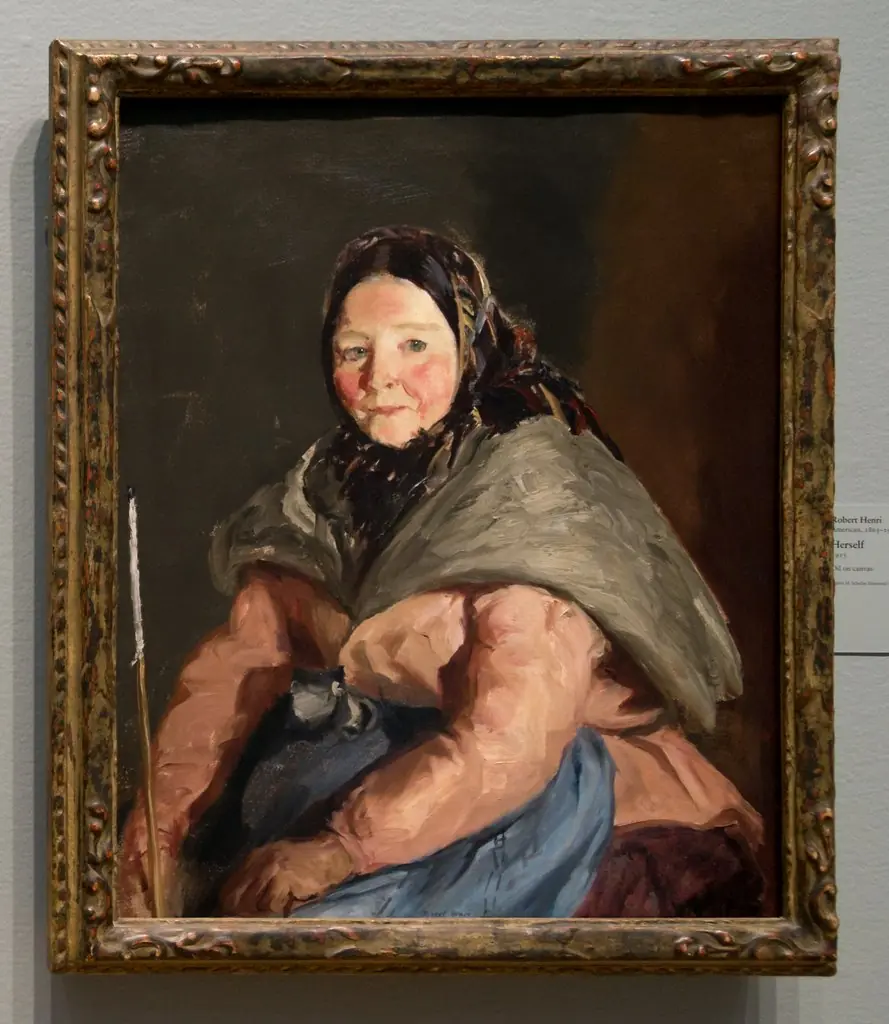 Herself
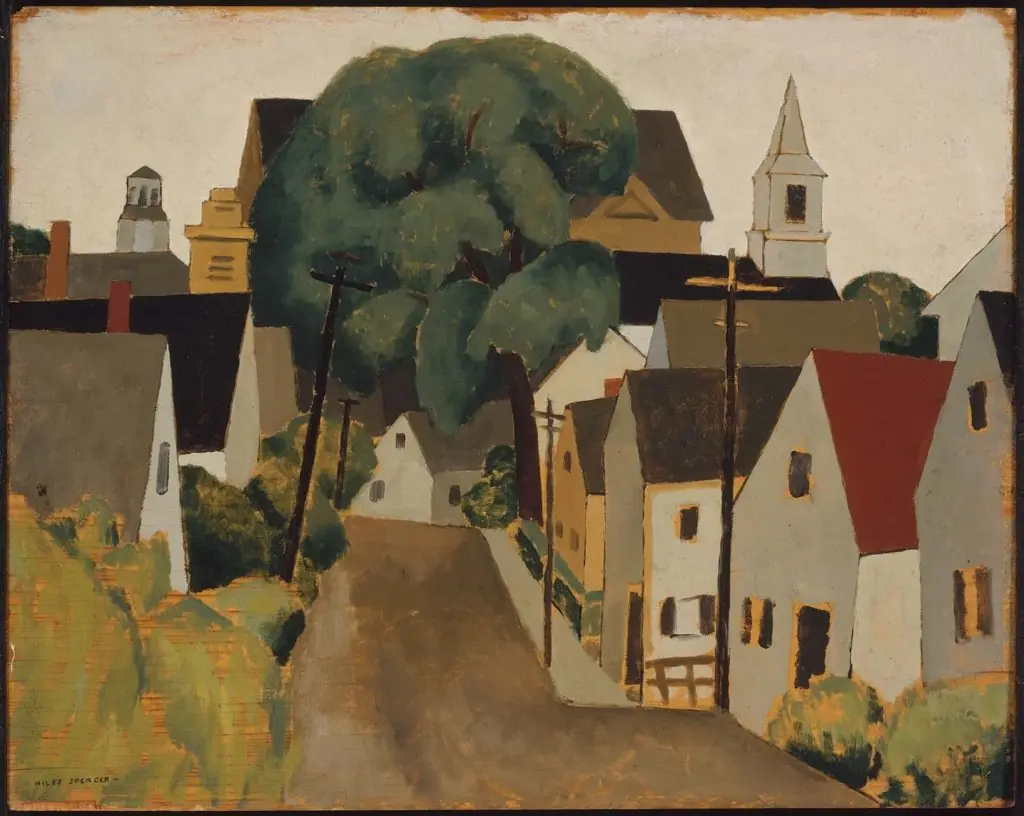 Down the Hill
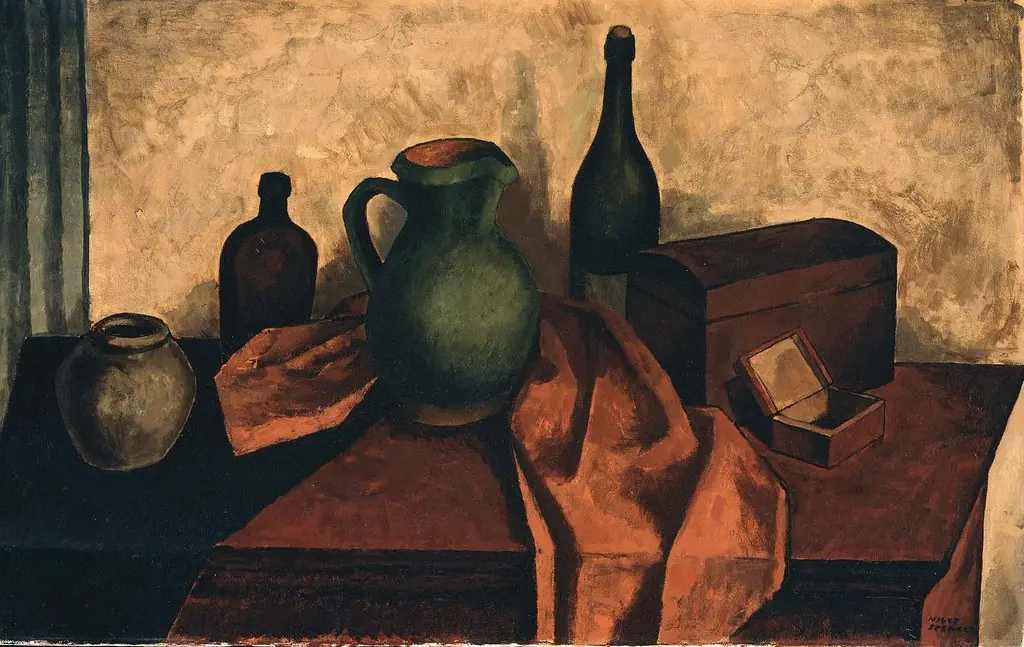 The Red Table
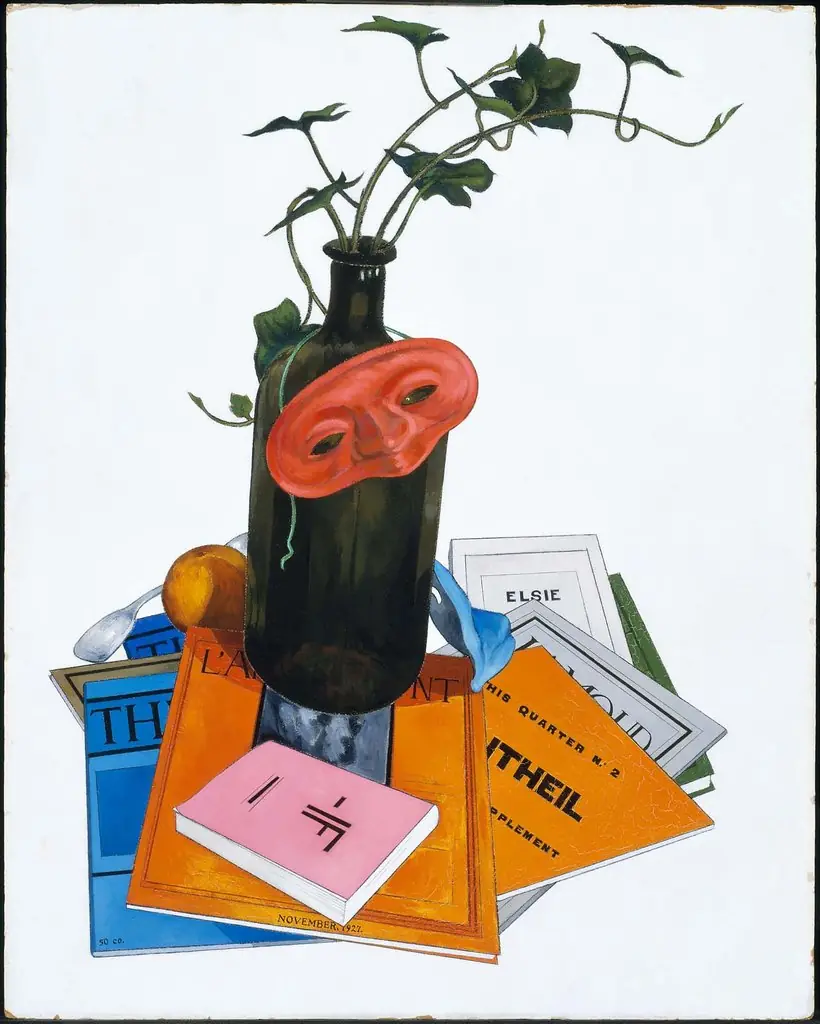 Longhi on Broadway
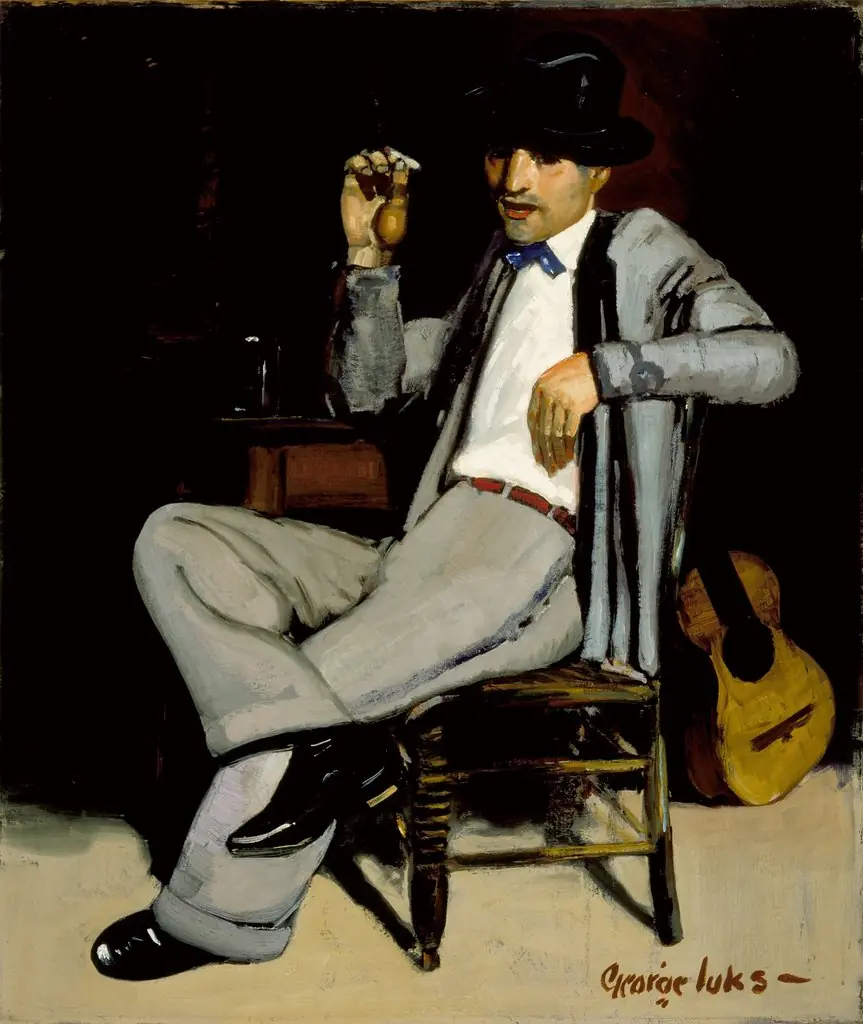 Pedro
Pedro Automobile Tires
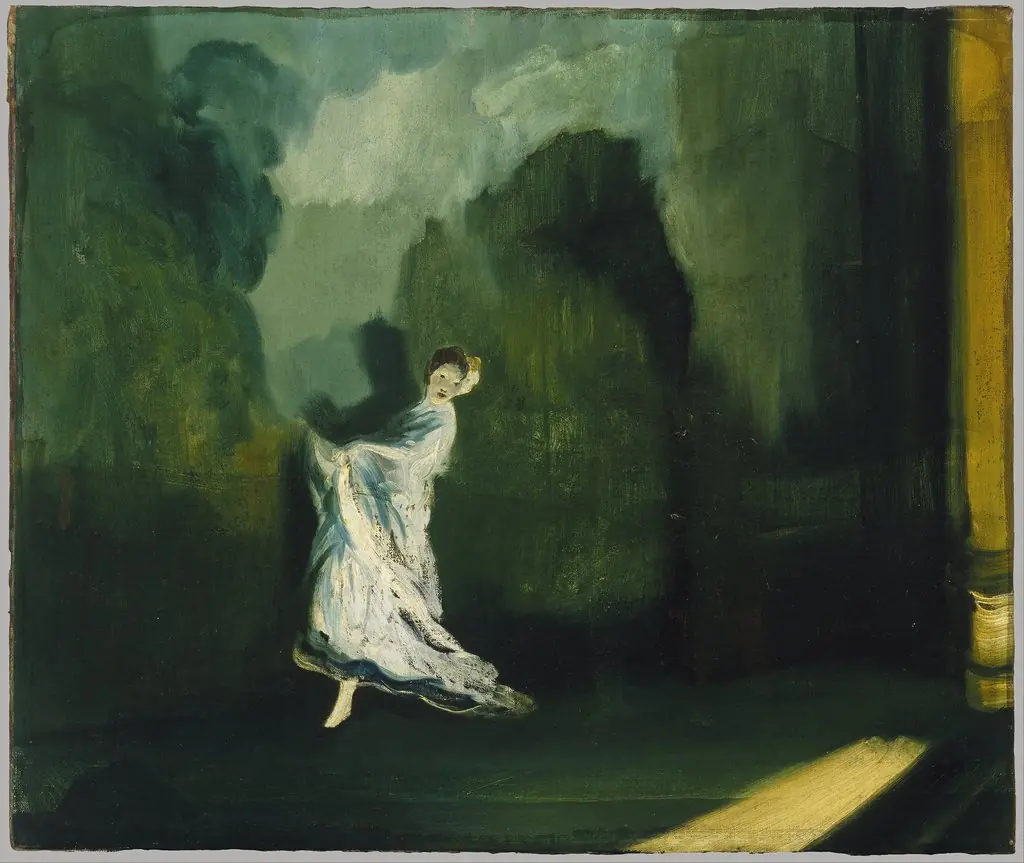 Keith's Union Square
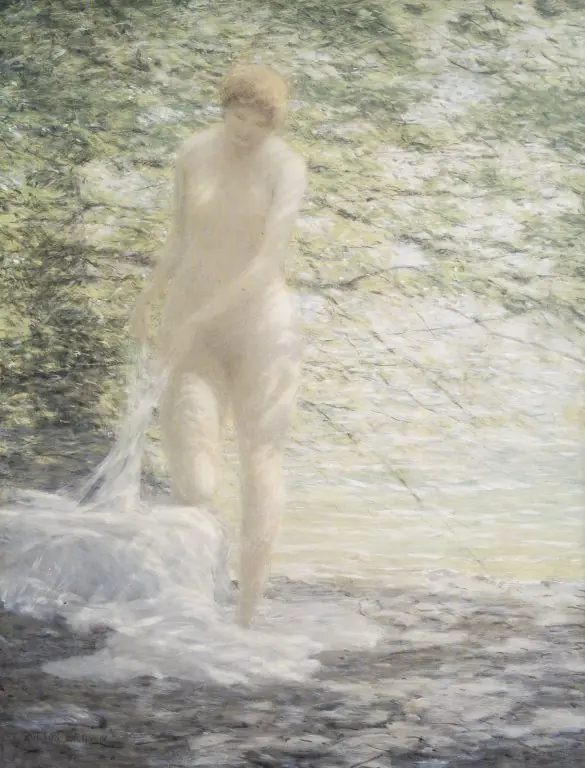 Sifting Shadows
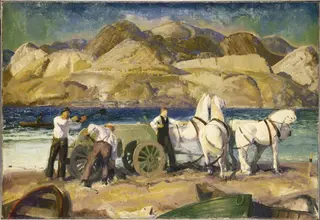 The Sand Cart
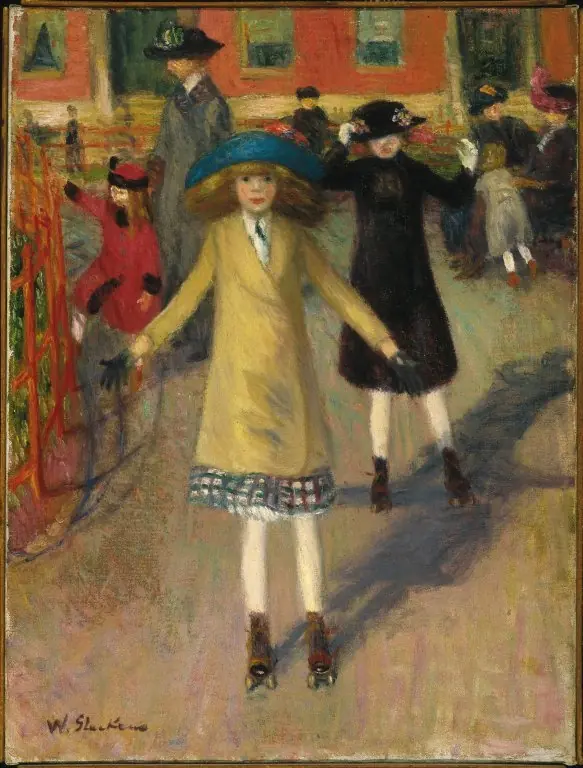 Children Rollerskating
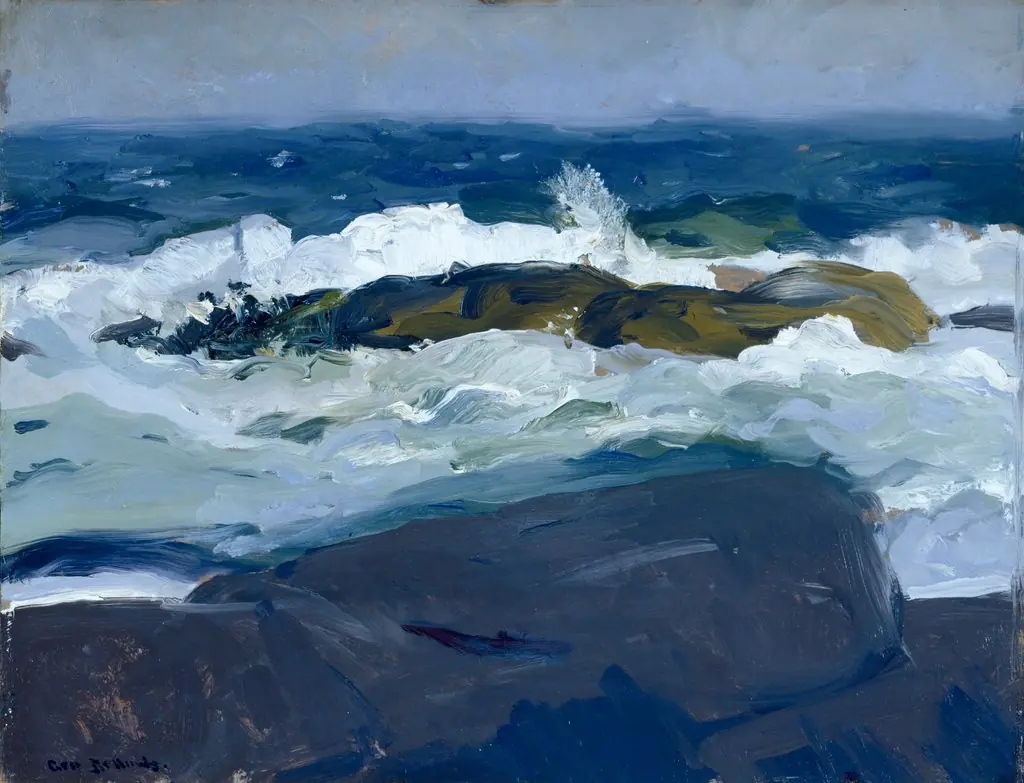 Rock Reef, Maine
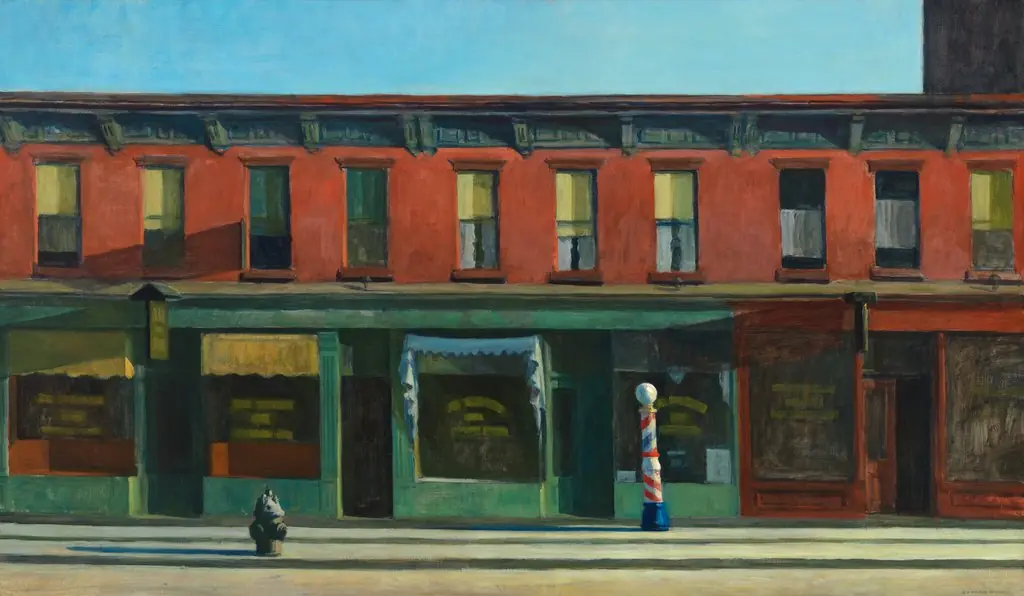 Early Sunday Morning
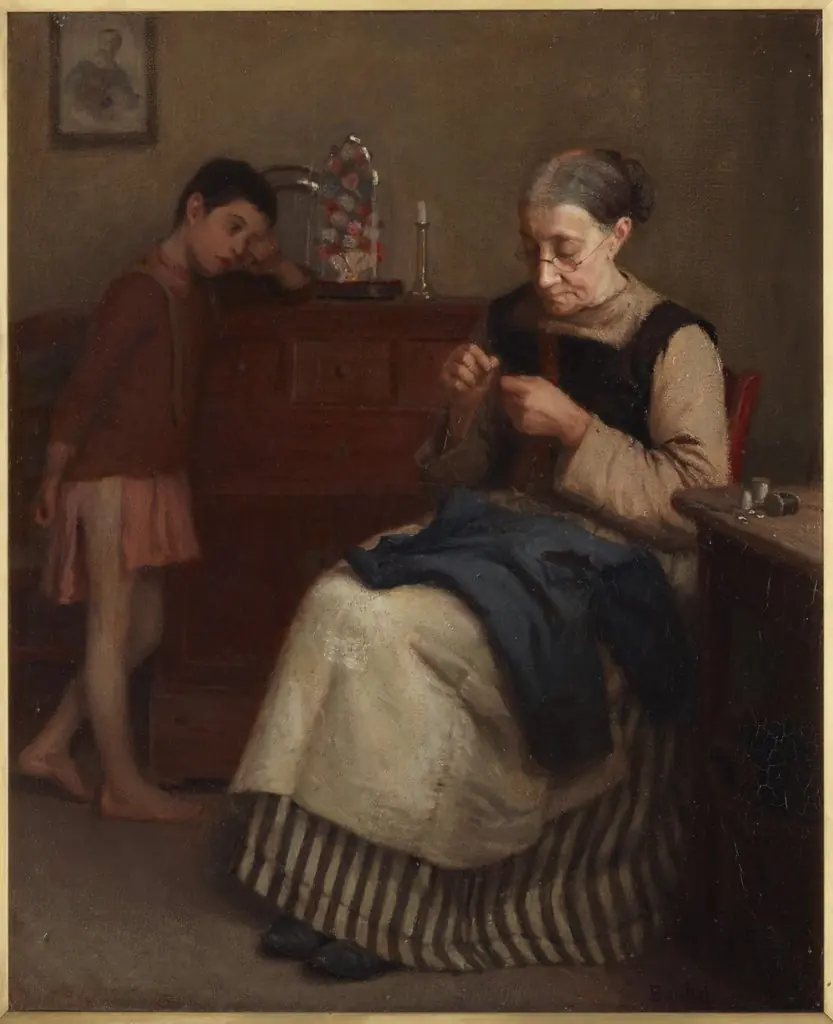 His only pair
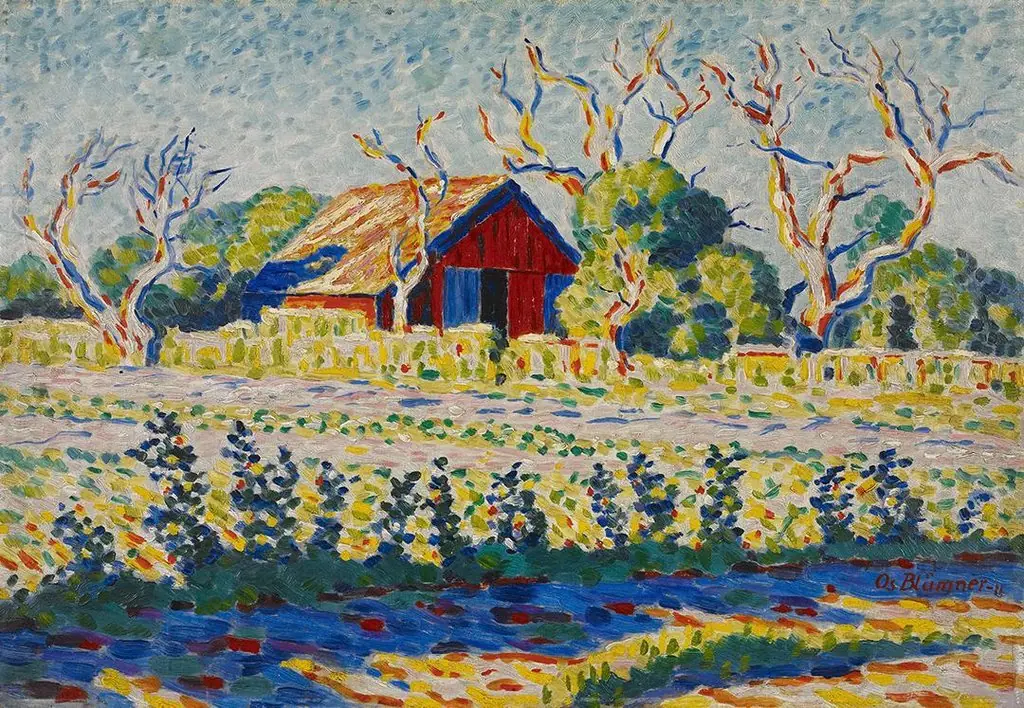 Old Barn at Sheepshead Bay
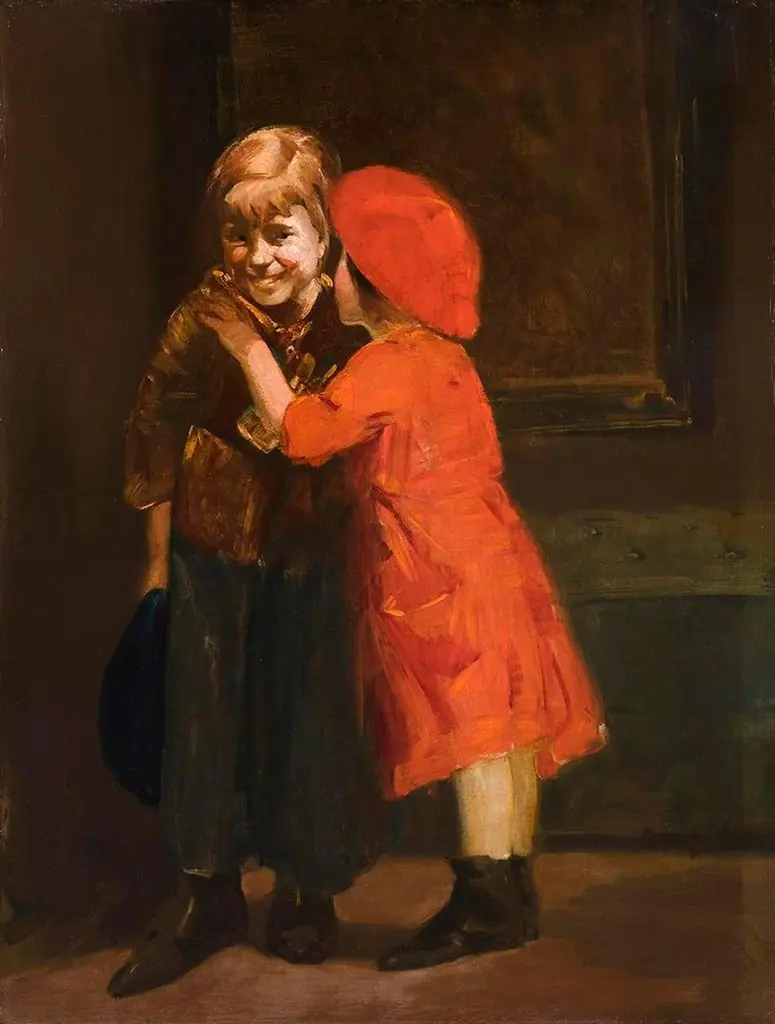 In the Corner
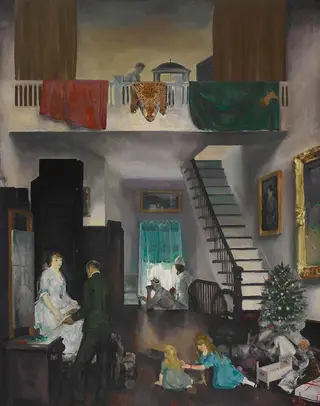 The Studio
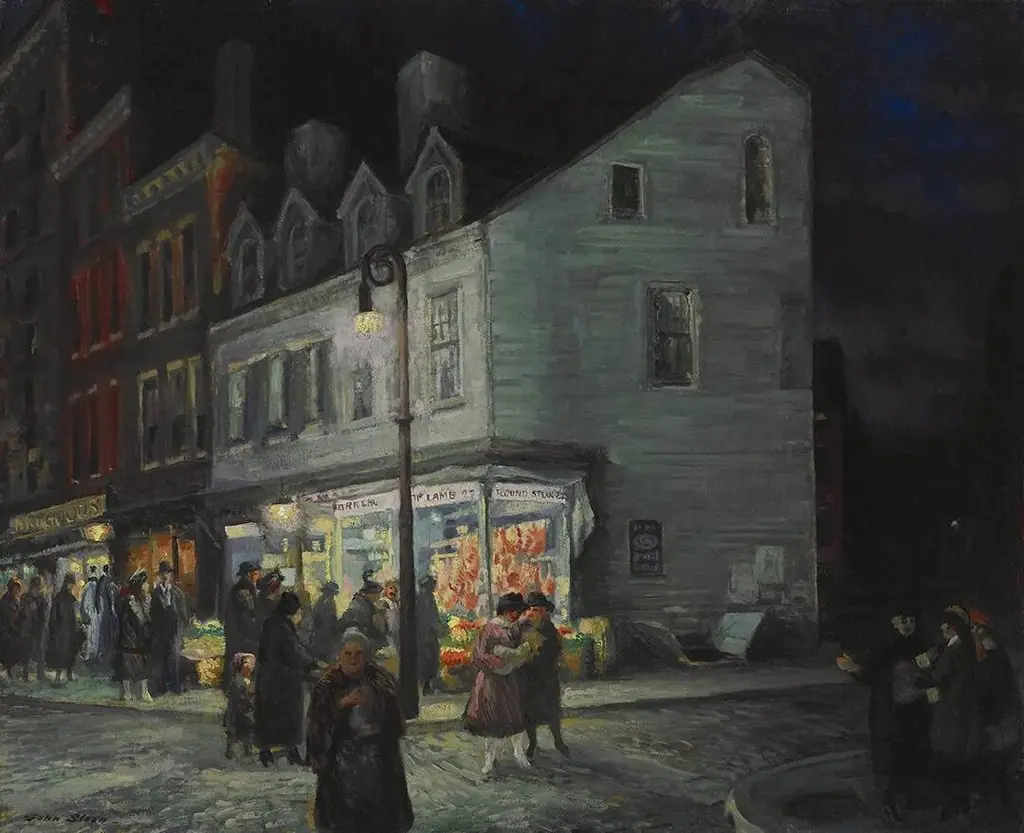 Bleecker Street, Saturday Night
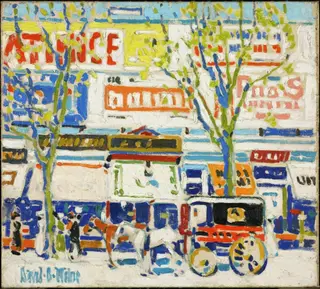 Billboards
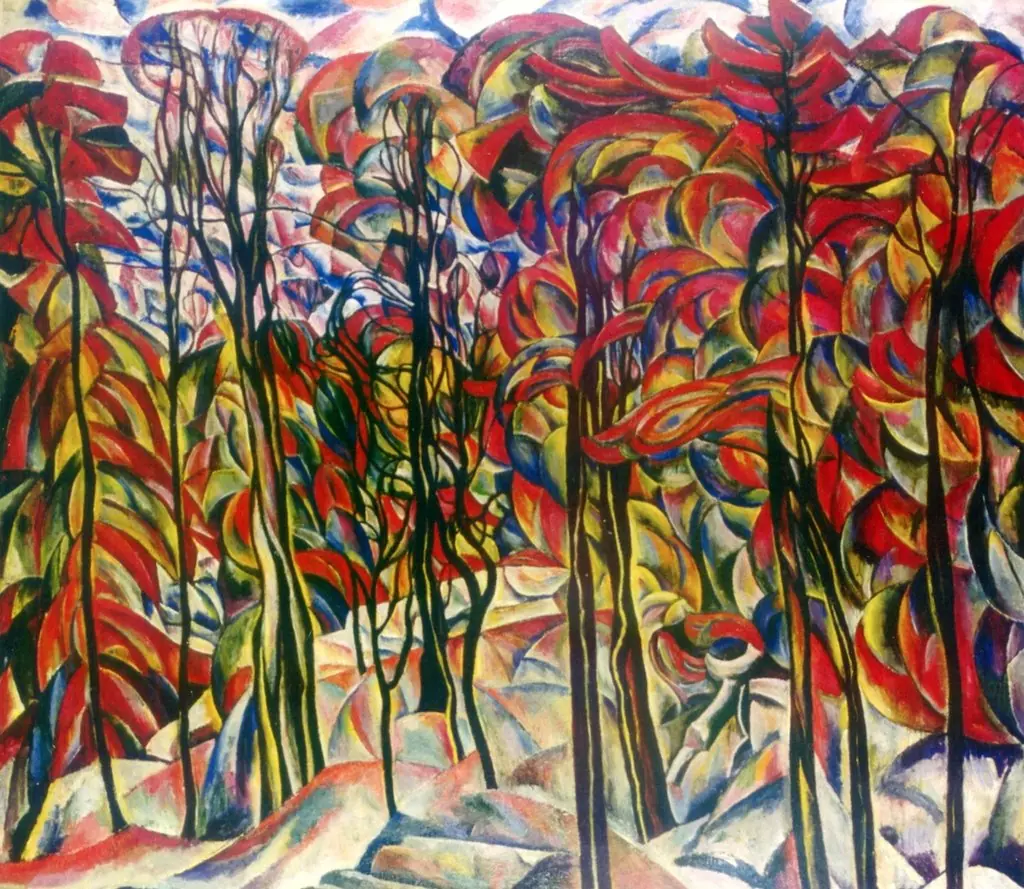 Autumn, Crotona Park, Bronx
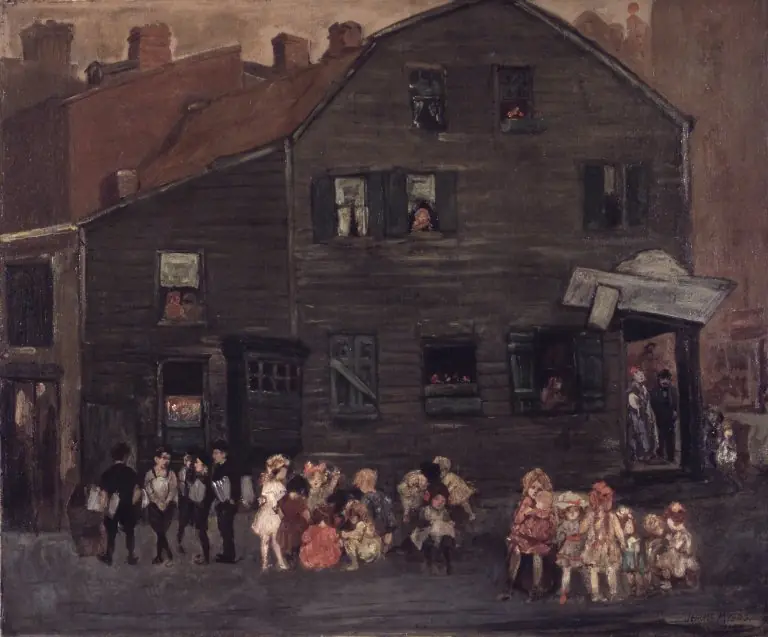 The Old House
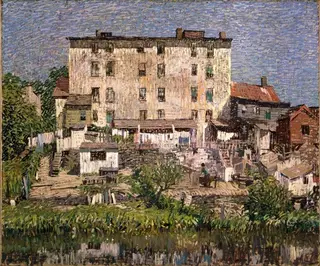 The White Tenement
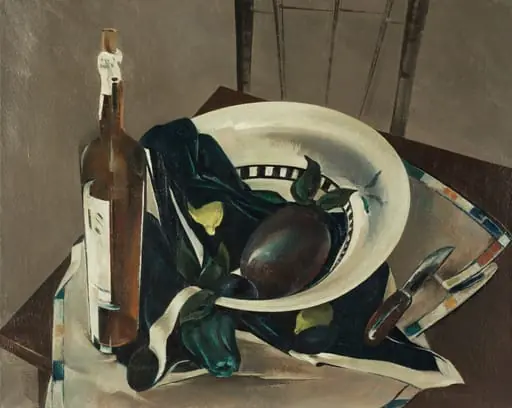 Still Life
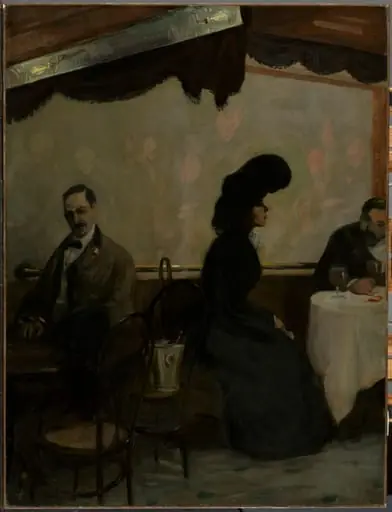 The Rathskeller
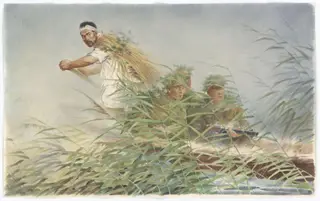 Nakdonggang Grandfather
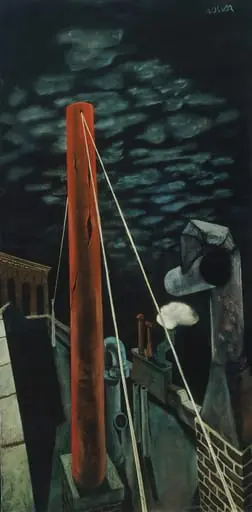 Untitled
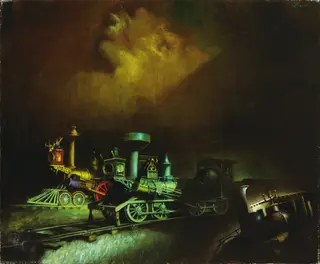 Untitled
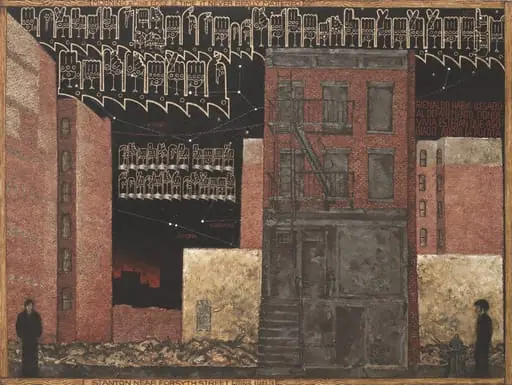 Untitled
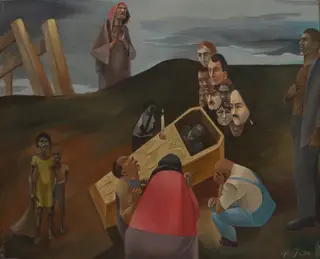 Untitled
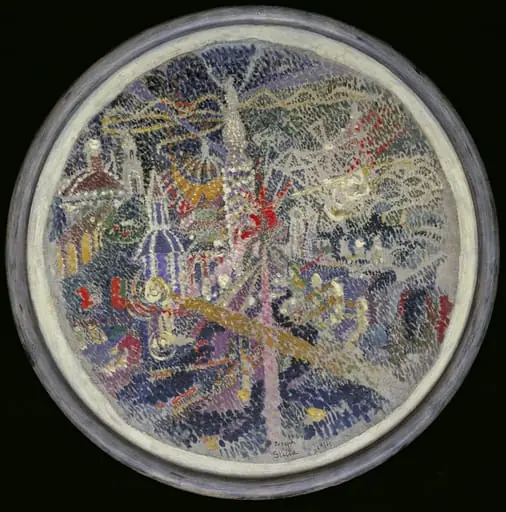 Untitled
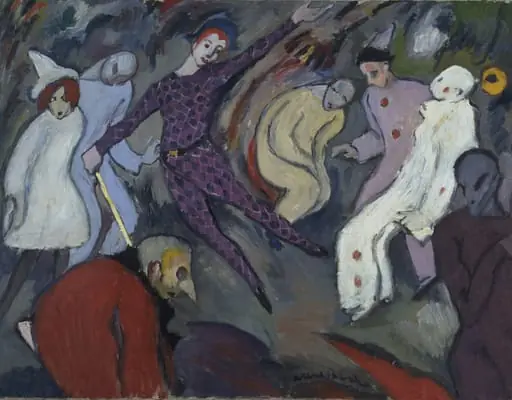 Untitled
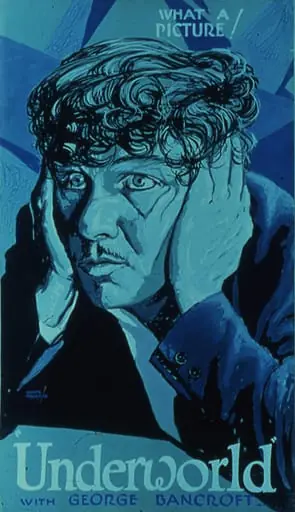 Untitled
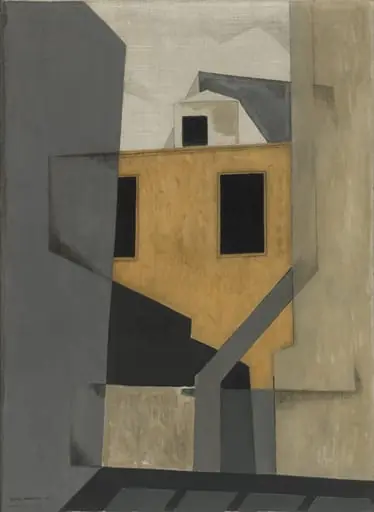 Untitled
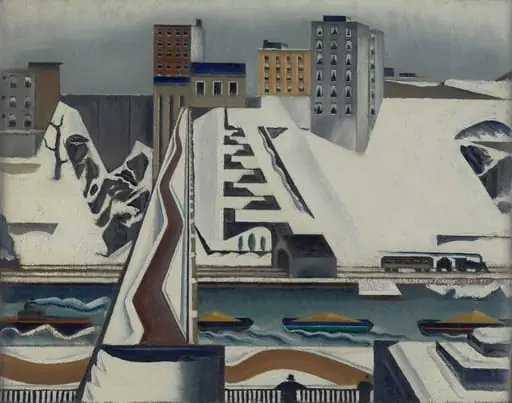 Untitled
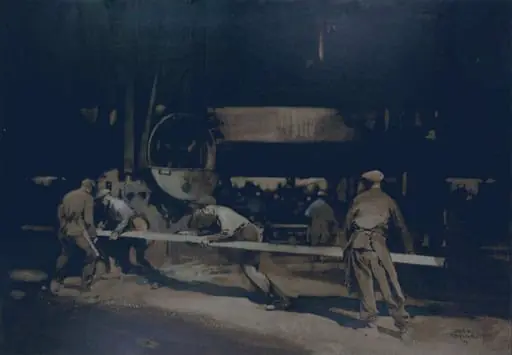 In a Shipyard
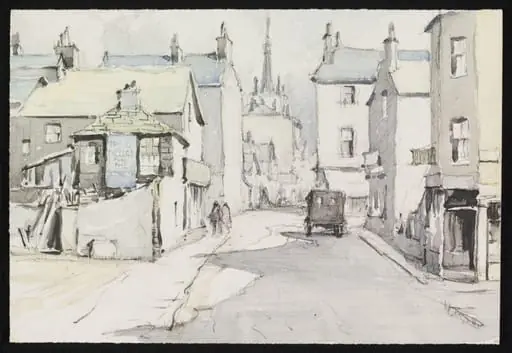 Deansgate, Blackpool
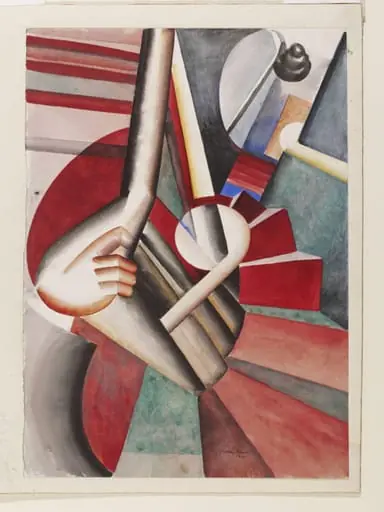 Staircase - Going Downstairs
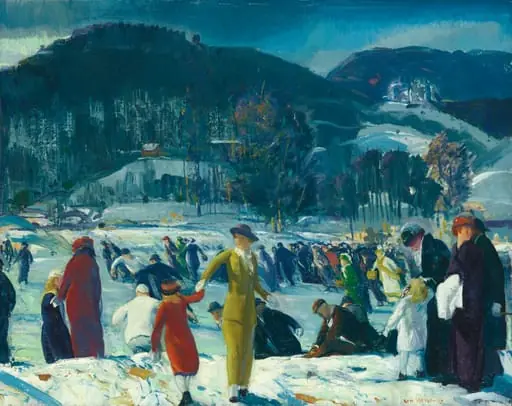 Love of Winter
Groups & collectives
Frequently asked questions
What is Ashcan School?
Ashcan School is an art movement. A group of New York painters around Robert Henri who, from about 1900, turned their brushes on the gritty energy of urban life — saloons, clotheslines, boxing matches, and crowded streets — rejecting genteel academic taste.
How many Ashcan School works does Artifact World Gallery have?
Artifact World Gallery holds 73 public-domain Ashcan School works, all free to view and download.
Who are the key Ashcan School artists?
Key Ashcan School artists in the collection include George Bellows, Samuel Halpert and Charles Demuth.
When did Ashcan School take place?
Ashcan School dates from around 1910.
Where can I see Ashcan School works?
Ashcan School works in the collection are held by Metropolitan Museum of Art, Museum of Modern Art and Brooklyn Museum.