Artwork
Joaquina Téllez-Girón, daughter of the 9th Duke and Duchess of Osuna
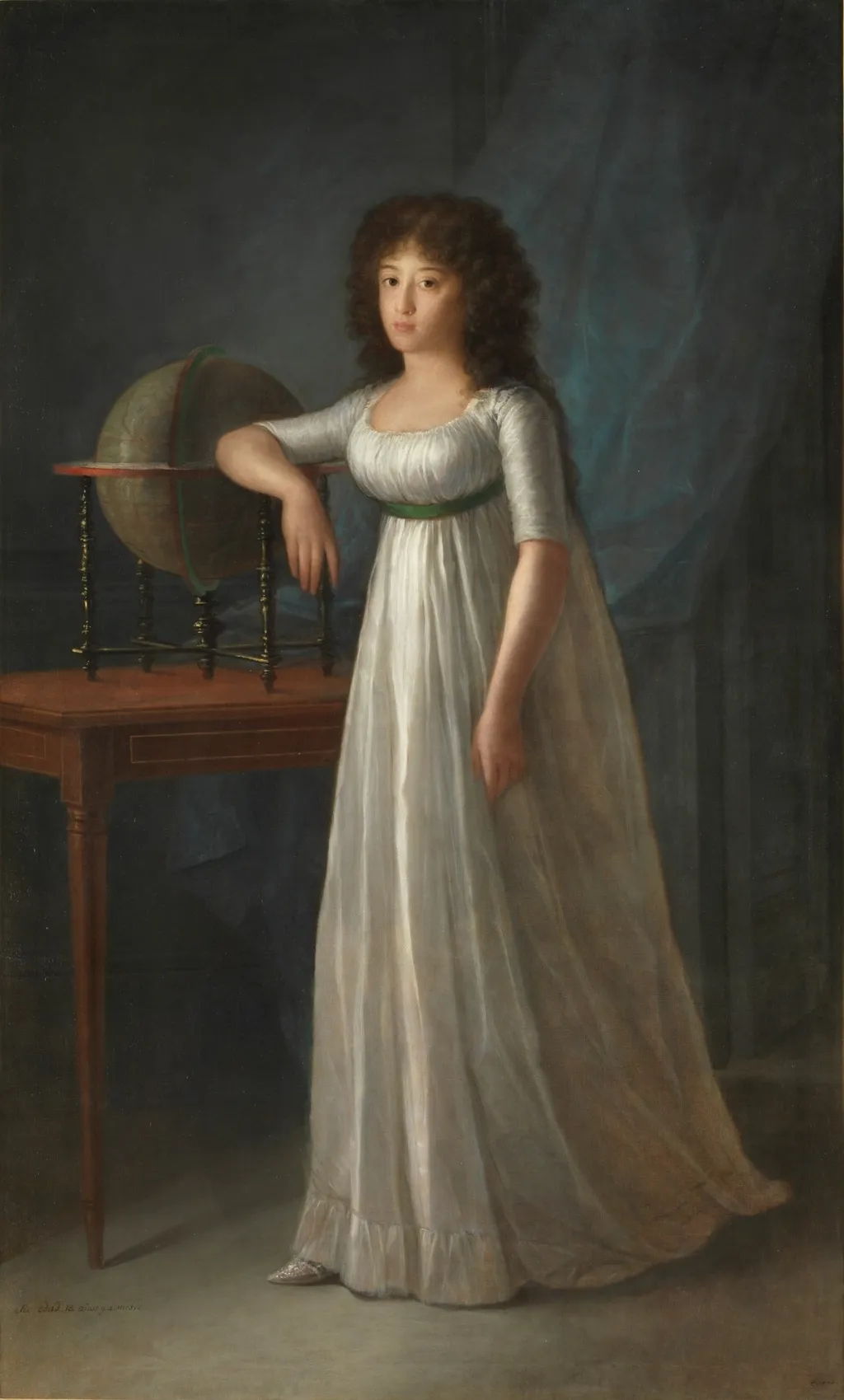
Joaquina Téllez-Girón, daughter of the 9th Duke and Duchess of Osuna is an oil painting by Agustín Esteve. It dates from 1800 and is held in the collection of the Museo del Prado.
About this work
Technique & Style
The portrait was executed in oil on canvas, measuring 190 cm by 116 cm, and depicts Joaquina Téllez-Girón, Marquise of Santa Cruz, holding an orb.
The portrait was executed in oil on canvas, measuring 190 cm by 116 cm, and depicts Joaquina Téllez-Girón, Marquise of Santa Cruz, holding an orb. The work belongs to the portrait genre and was painted by Agustín Esteve in 1798. Its execution on canvas and use of oil paint contribute to a refined handling that emphasizes the sitter’s aristocratic poise and the subtle play of light on the fabric of her dress.
History & Provenance
The portrait of Joaquina Téllez-Girón was produced by Agustín Esteve in 1798, executed in oil paint on canvas and depicting the sitter as Marquise of Santa Cruz.
The work is now held in the collection of the Museo del Prado, where it is documented as part of the museum's holdings. Beyond this current institutional ownership, the sources do not provide further details on an earlier provenance chain, a specific commission, or a more precise creation date within 1798.
The painting has been in the collection of the Museo del Prado. According to the Wikidata record, the work is held at the Museo del Prado, with no specific inventory or accession number provided in the available sources.
No exhibition history is documented in the available sources.
Overview
Agustín Esteve’s oil portrait, executed in 1800, presents Joaquina Téllez‑Girón, the Marquise of Santa Cruz, daughter of the ninth Duke and Duchess of Osuna. The work is part of the Museo del Prado’s collection and exemplifies early‑nineteenth‑century Spanish portraiture.
Subject & Meaning
The sitter is shown standing in a modest interior, her pale gray dress accented by a green sash, her hair loosely curled and gathered. A small table supports a globe on a wooden stand, a detail that may allude to her education or an interest in geography, suggesting the cultural expectations of aristocratic women of the period.
Context
The portrait reflects the Spanish aristocracy’s engagement with Enlightenment ideas, as indicated by the inclusion of the globe. Such objects were common symbols of learnedness in elite portraiture, aligning the sitter with contemporary intellectual currents while maintaining her noble status.
Artist & collection

- Louise-Marie-Adélaïde de Bourbon-Penthièvre, Duchess of Orléans
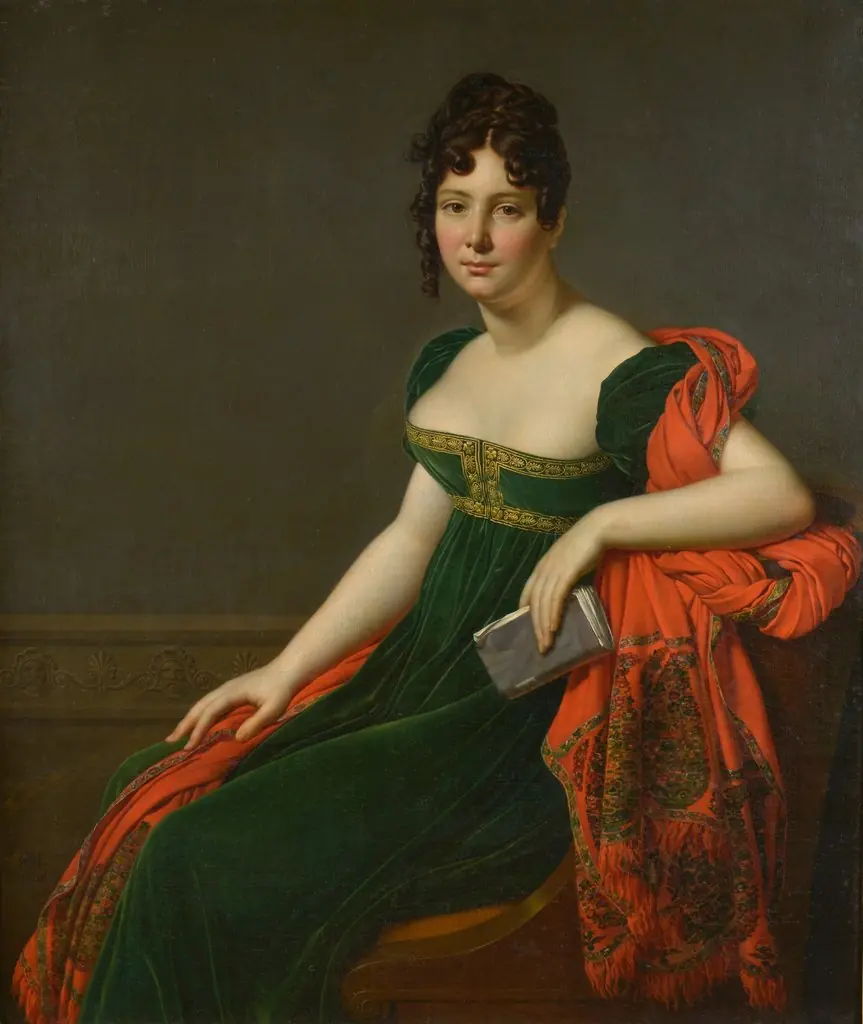 Portrait of Madame Augustine Bertin de Veaux
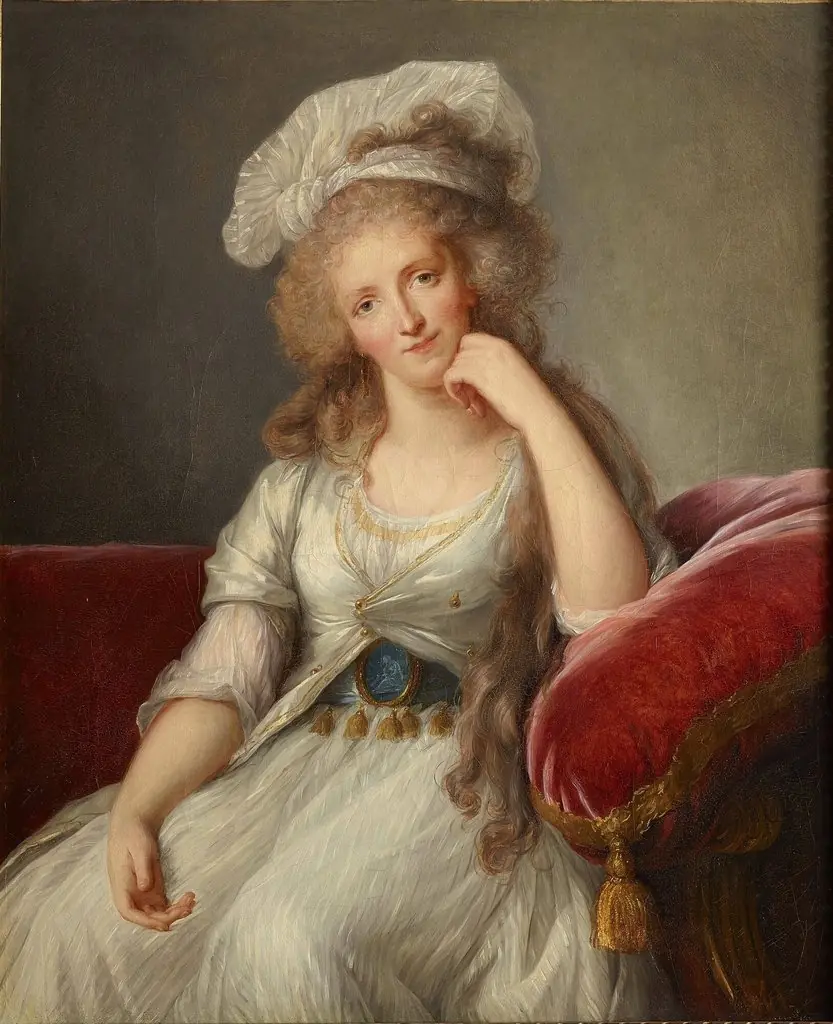 Louise-Marie-Adélaïde de Bourbon-Penthièvre, Duchess of Orléans
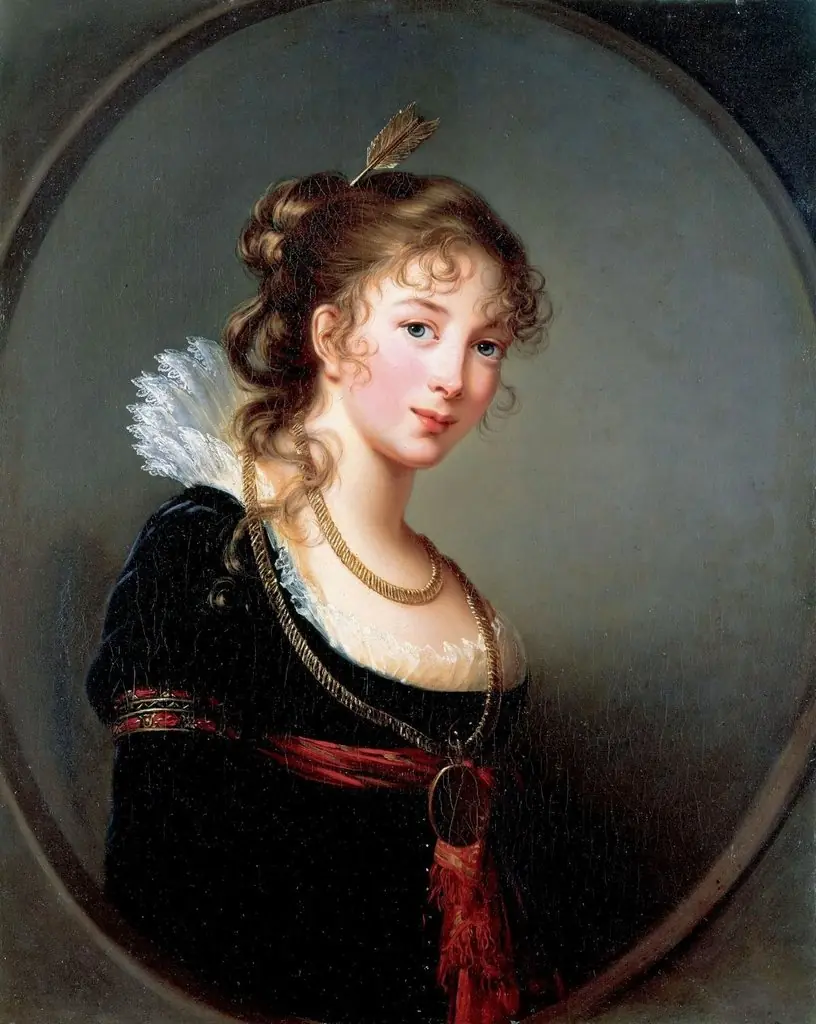 Porträt der Luise von Preußen (1770-1836), Ehefrau von Anton Radziwiłł (1775-1833)
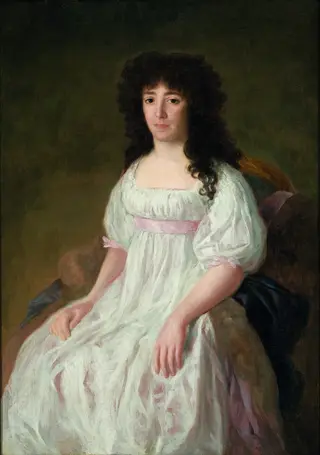 The Countess of Casa Flores
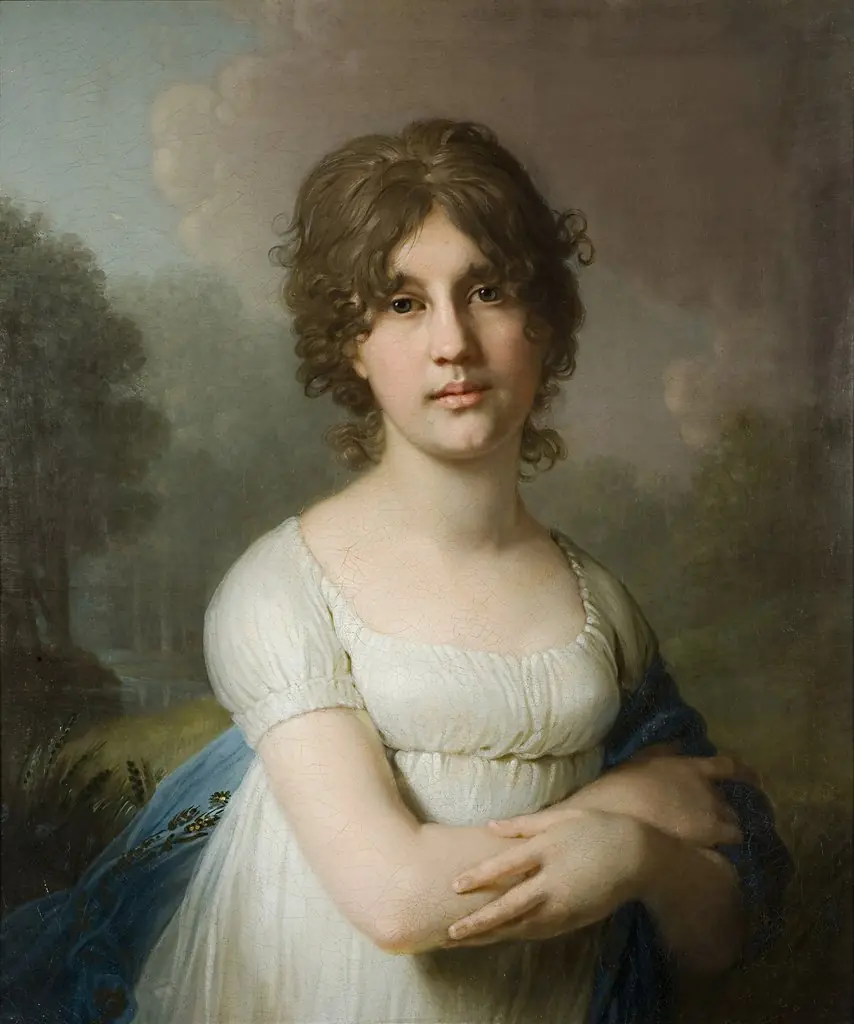 La Princesse Catherine Gavrilowna Gagarine
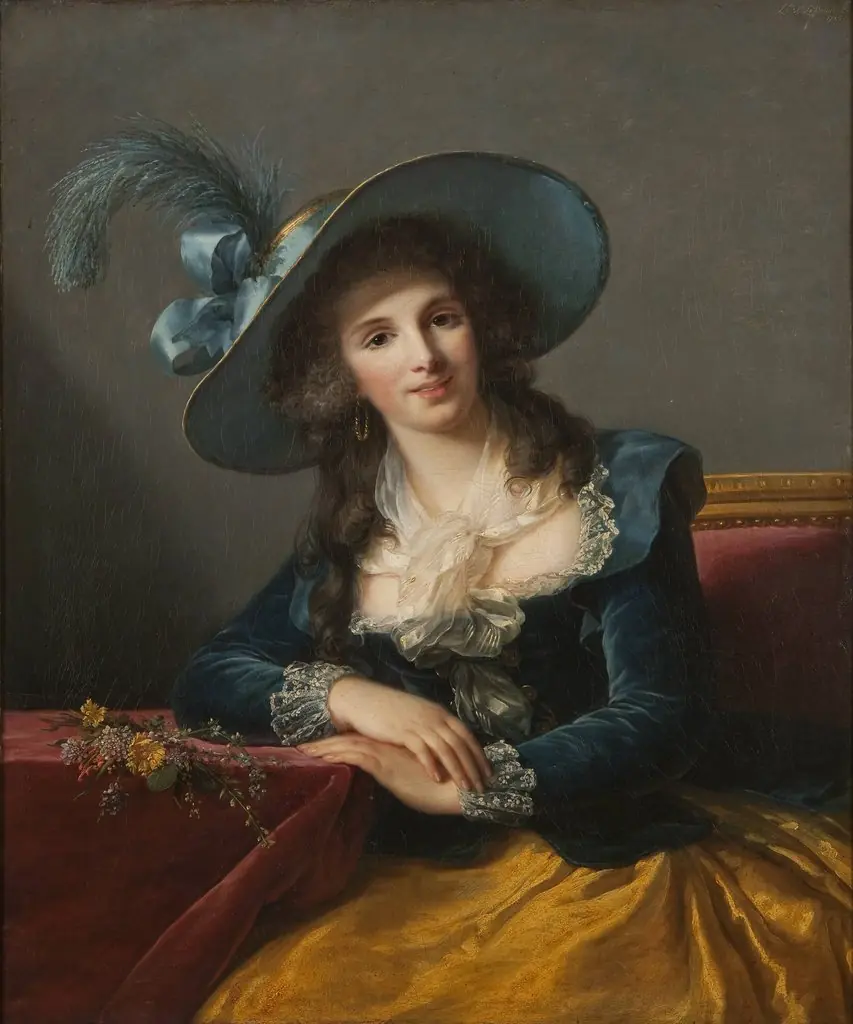 Antoinette-Elisabeth-Marie d'Aguesseau, Countess of Ségur
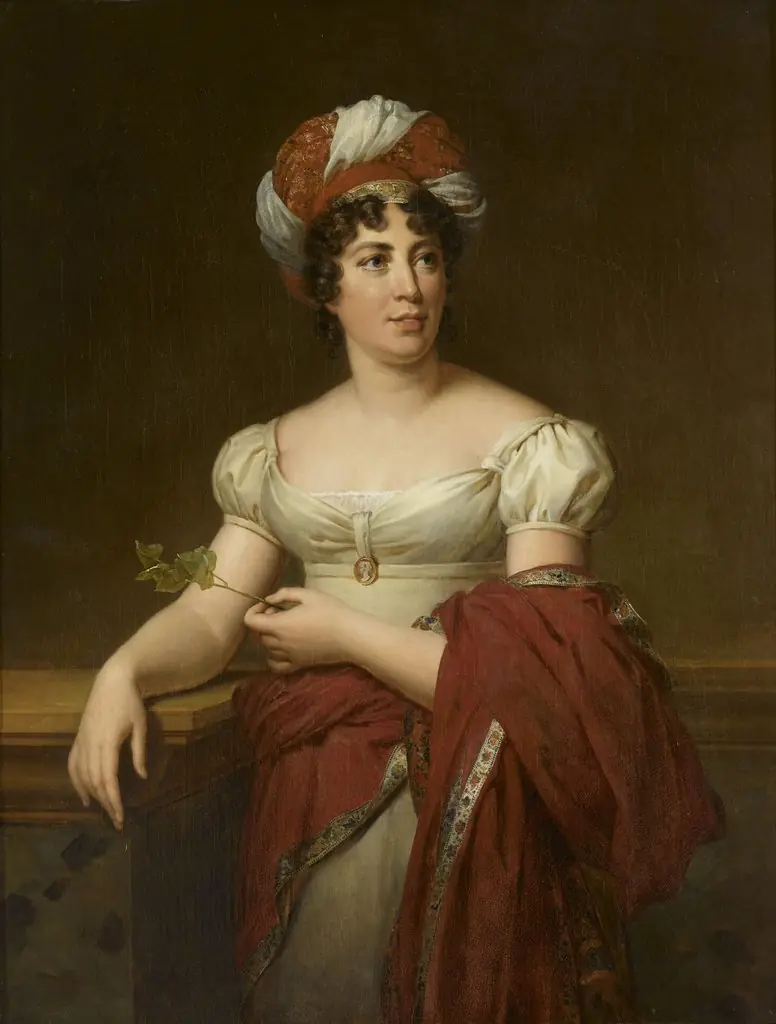 Portrait of Mme de Staël
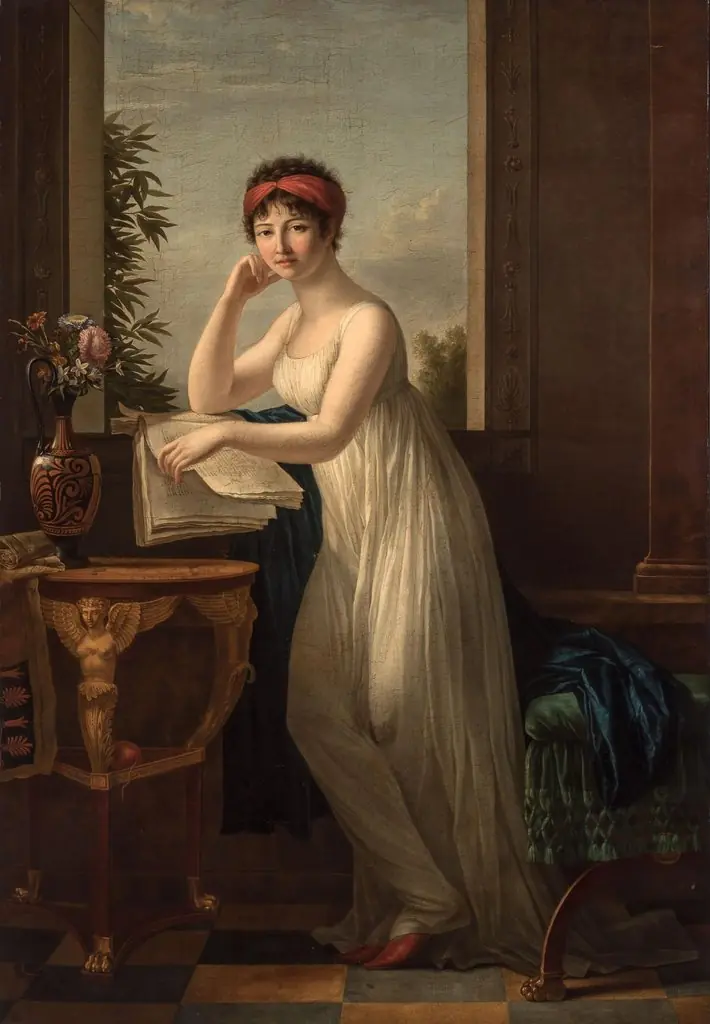 A Young Woman Leaning on the Edge of a Window
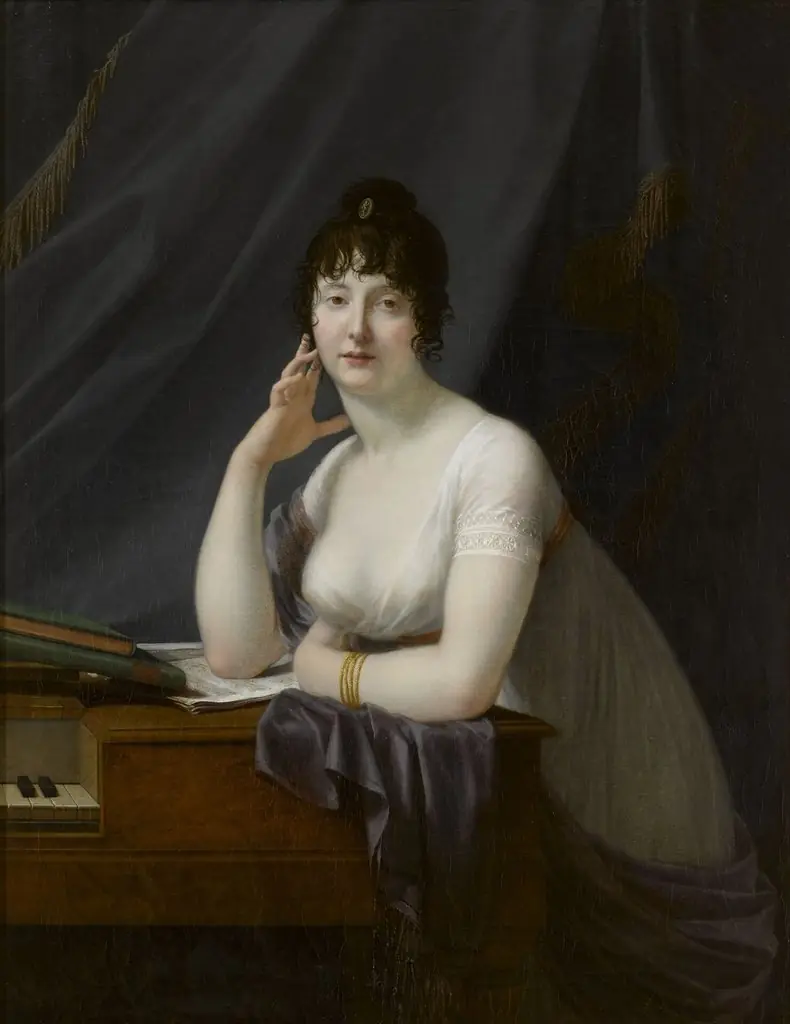 Madame Antoine Arnault
 Portrait of a Young Woman
 Портрет Д.С. Яковлевой