Artwork
Queen María Luisa in a Mantilla
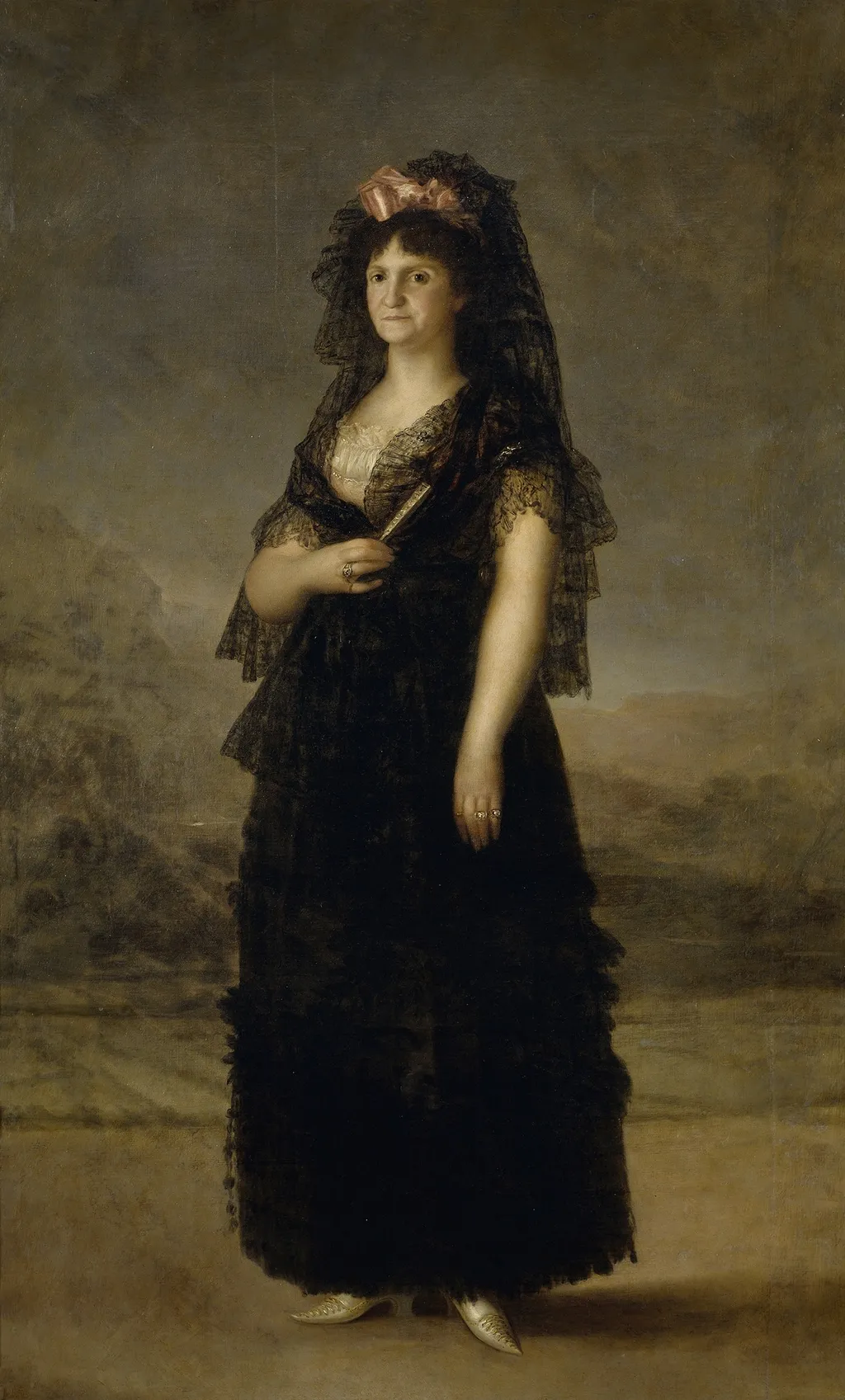
Queen María Luisa in a Mantilla is an oil painting by the Rococo painting artist Agustín Esteve. It dates from 1800 and is held in the collection of the Museo del Prado.
About this work
Subject & Meaning
The painting depicts Queen María Luisa of Parma wearing the traditional Spanish mantilla, a silk or lace veil draped over the head and shoulders.
The painting depicts Queen María Luisa of Parma wearing the traditional Spanish mantilla, a silk or lace veil draped over the head and shoulders. She holds a closed hand fan in her right hand, a common accessory in eighteenth-century Spanish portraiture that signaled both social status and feminine refinement. The composition emphasizes her regal presence, with the mantilla framing her face and shoulders in a manner that underscores the cultural and ceremonial significance of Spanish court dress during the reign of Charles IV.
The work reflects the period’s fashion and conveys the queen’s public image as a figure of elegance and authority.
Technique & Style
Agustín Esteve executed Queen María Luisa in a Mantilla in 1799 as an oil painting on canvas. The work measures 208 cm in height and 127 cm in width. As a portrait, the composition focuses on the main subject, Maria Luisa of Parma, including details such as a hand fan. The piece is currently held in the collection of the Museo del Prado.
History & Provenance
Agustín Esteve y Marqués created the oil on canvas portrait Queen María Luisa in a Mantilla in 1799. The painting depicts Maria Luisa of Parma and measures 208 by 127 cm. It is currently held in the collection of the Museo del Prado.
Agustín Esteve painted Queen María Luisa in a Mantilla in 1799, depicting Maria Luisa of Parma holding a hand fan. The work is an oil on canvas portrait measuring 208 cm by 127 cm and belongs to the collection of the Museo del Prado, where it has been displayed as part of exhibitions on Spanish portraiture.
Context
Agustín Esteve painted Queen María Luisa in a Mantilla in 1799, depicting Maria Luisa of Parma holding a hand fan. The work is housed in the Museo del Prado, where it is classified as an oil-on-canvas portrait. Esteve's depiction of aristocratic subjects reflects the ceremonial customs of Spanish nobility in the late 18th century, situating the painting within the broader Neoclassical portrait tradition.
Scholarship highlights its significance as a record of Bourbon court aesthetics, with the Prado's collection catalog noting its role in illustrating the intersection of fashion and status in royal portraiture.
Overview
Agustín Esteve's 'Queen María Luisa in a Mantilla' is an oil portrait painted in 1800, now part of the Museo del Prado's collection. The work captures Queen Maria Luisa of Parma in a formal, contemplative pose.
Artist & collection

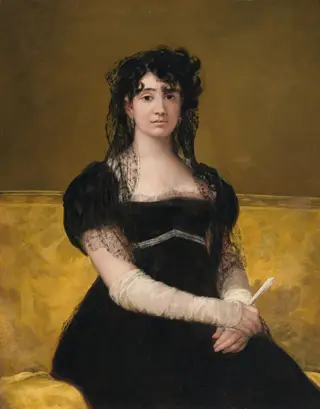 Portrait of Doña Antonia Zárate
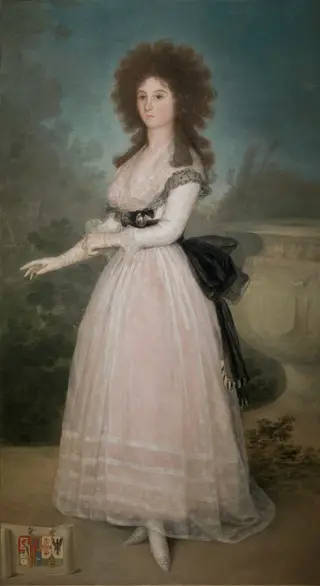 Tadea Arias de Enríquez
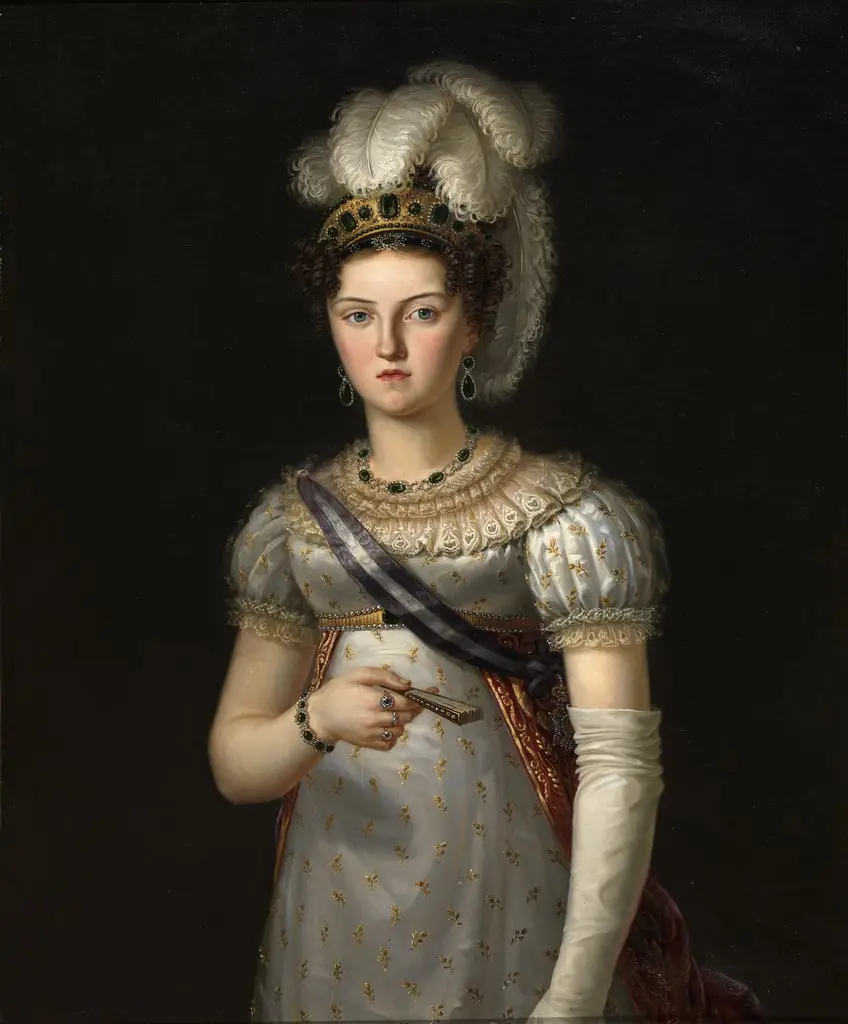 Maria Josepha Amalia of Saxony, Queen of Spain, third wife of Ferdinand VII
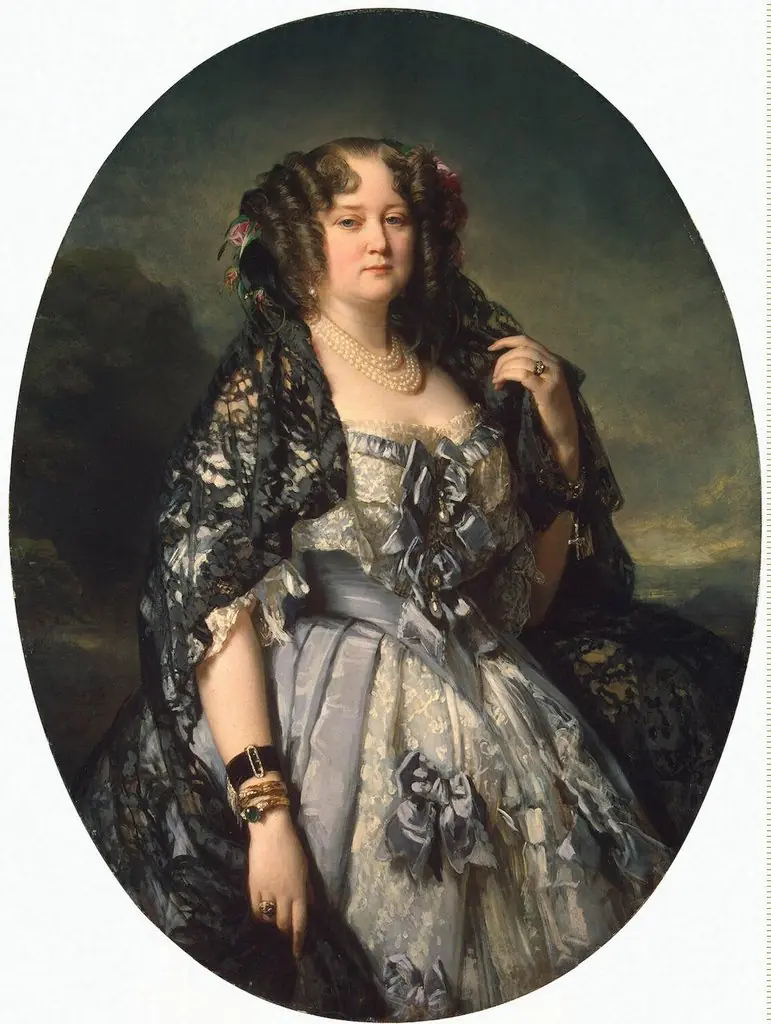 Portrait of Princess Sophia Radzivil
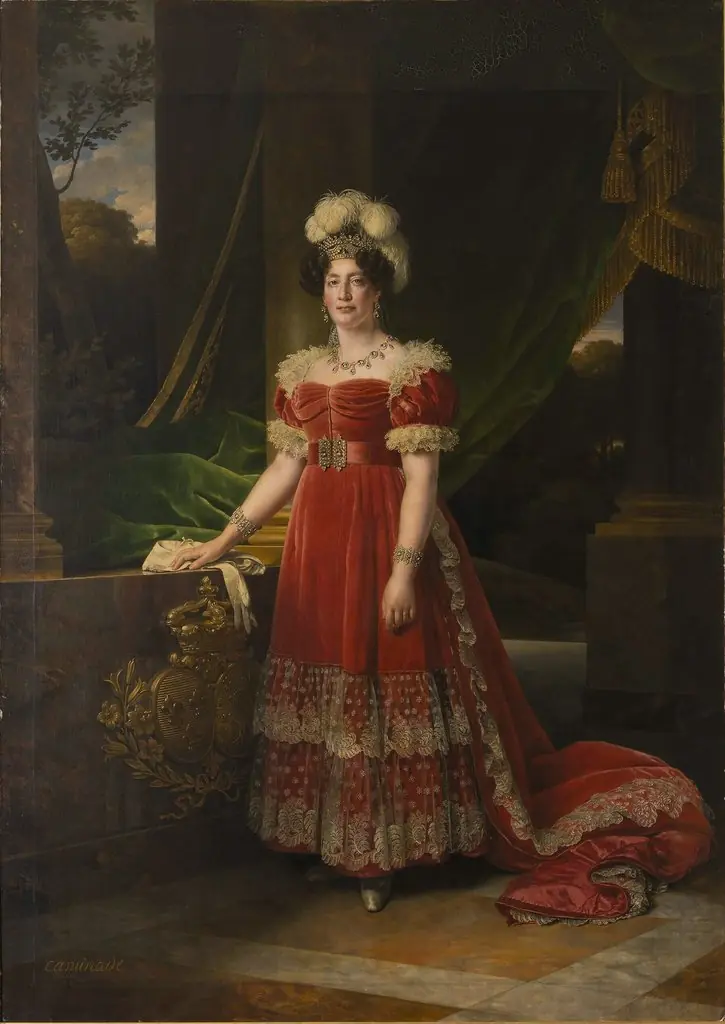 Portrait of Marie Thérèse of France, Duchess of Angoulême (1778-1851)
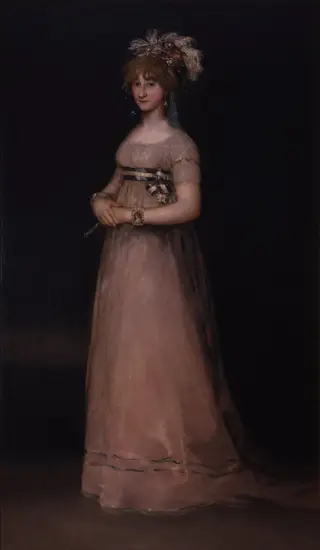 Portrait of María Luisa de Borbón y Vallabriga
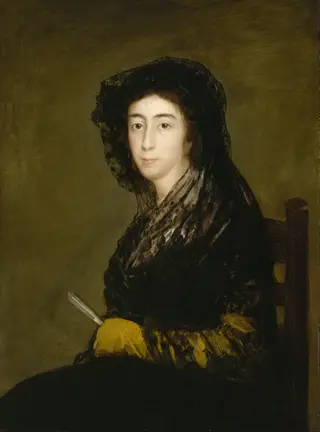 Dona Amalia Bonells de Costa
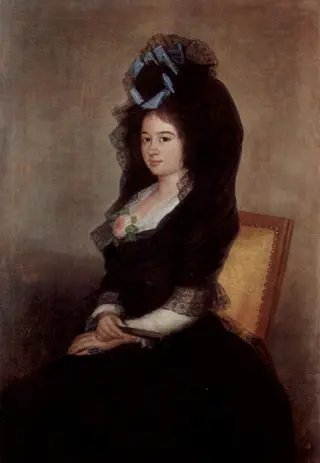 Narcisa Barañana de Goicoechea