Artwork
Zapatistas
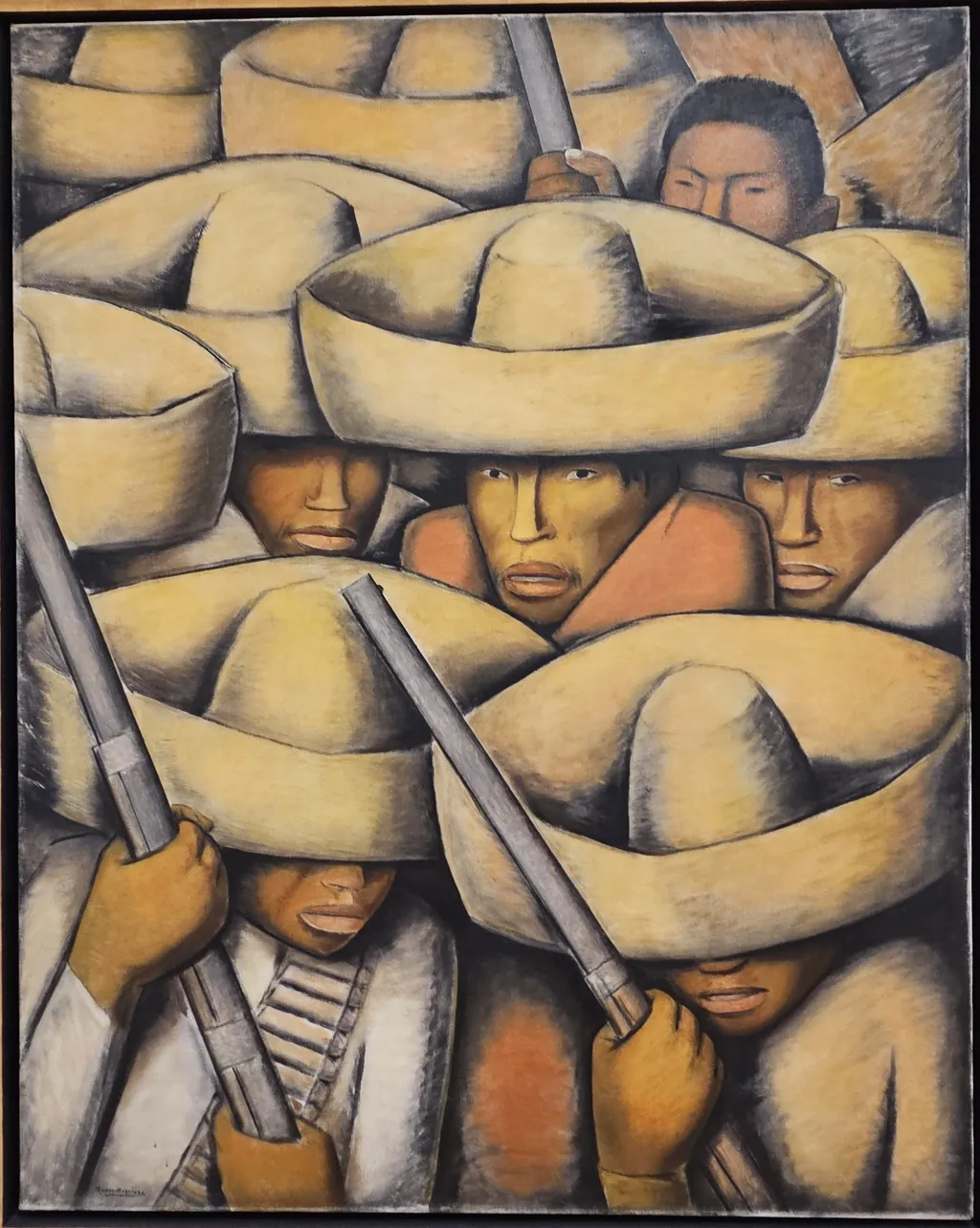
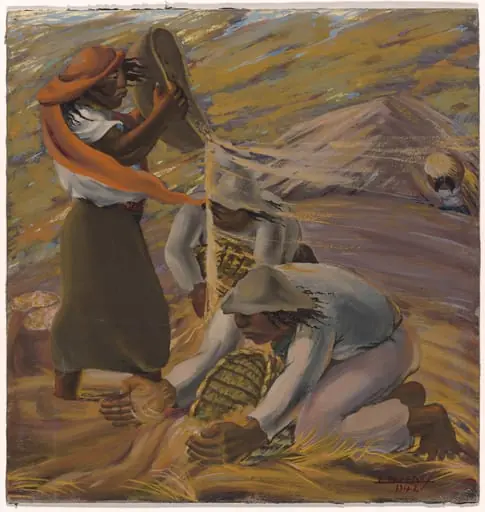
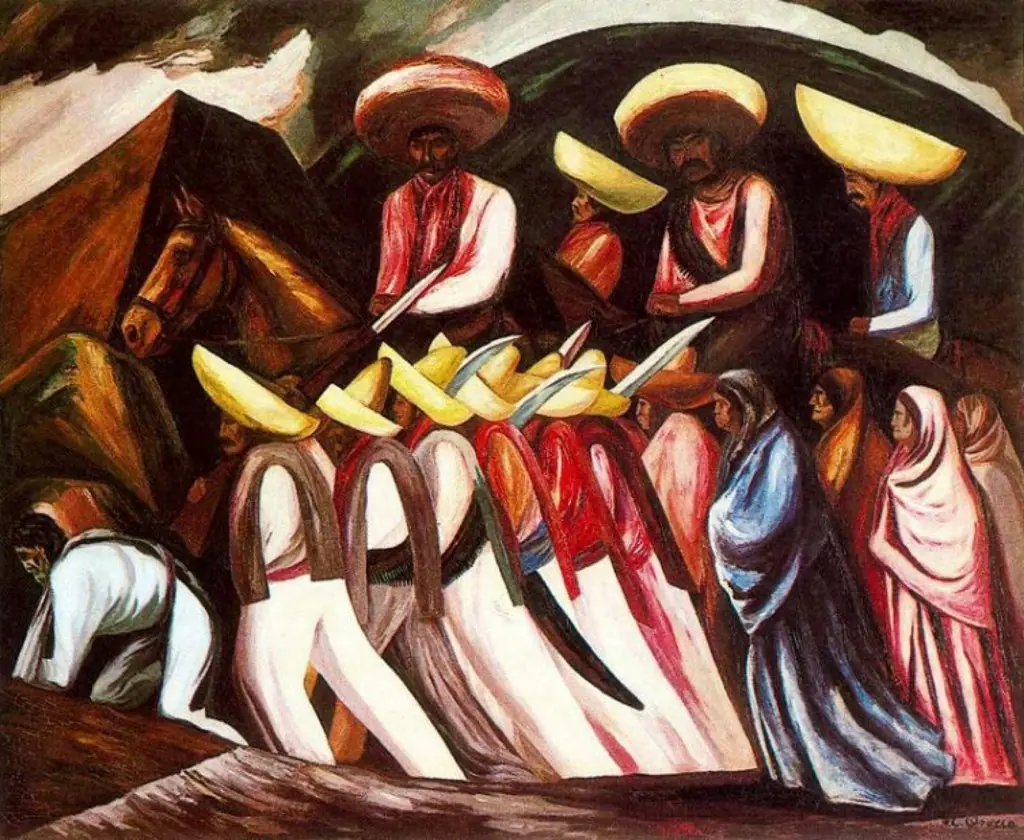
Zapatistas is an oil painting by the Mexican Muralist artist Alfredo Ramos Martínez. It dates from 1932 and is held in the collection of the San Francisco Museum of Modern Art.
About this work
Overview
Ramos Martínez, who divided his career between Mexico, Paris, and Los Angeles, used this format to convey quiet dignity among rural revolutionaries.
Painted in 1932 by Alfredo Ramos Martínez, Zapatistas is an oil-on-canvas work that reflects the artist’s engagement with Mexican social and political life during the post-revolutionary era. Though associated with Mexican Modernism, the piece diverges from large-scale murals by focusing on intimate group portraiture. Ramos Martínez, who divided his career between Mexico, Paris, and Los Angeles, used this format to convey quiet dignity among rural revolutionaries.
Subject & Meaning
The painting portrays a group of Zapatista fighters, identified by their wide-brimmed hats and rifles, gathered in close proximity. Their direct gazes toward the viewer establish a confrontational intimacy, suggesting both resilience and witness. Rather than glorifying battle, the work emphasizes the humanity of those who fought for land reform. The absence of overt violence or spectacle shifts focus to their collective presence and quiet resolve.
Technique & Style
Ramos Martínez employed broad, deliberate brushstrokes and a restrained palette of earth tones, ochres, browns, and muted greens, to ground the figures in a tangible, rural reality. The composition lacks perspective depth, compressing the figures into the foreground, a choice echoing muralist traditions. Facial expressions are rendered with subtle nuance, avoiding caricature while preserving individuality within a unified group.
History & Provenance
Created during Ramos Martínez’s later years in California, Zapatistas reflects his continued connection to Mexican themes despite living abroad. The painting entered the collection of the San Francisco Museum of Modern Art in the mid-20th century, where it remains today. Its acquisition by a major U.S. institution underscores its role in bridging Mexican artistic movements with American modernist audiences.
Context
The Zapatista movement, rooted in Emiliano Zapata’s 1910s agrarian rebellion, remained a potent symbol of indigenous rights and social justice into the 1930s. Ramos Martínez, influenced by the muralists’ emphasis on national identity, chose to depict these figures not as historical relics but as enduring representatives of marginalized communities. The work responds to ongoing debates about land, labor, and representation in post-revolutionary Mexico.
Legacy
While less widely known than the murals of Rivera or Siqueiros, Zapatistas exemplifies Ramos Martínez’s quieter, humanist approach to Mexican subject matter. It contributed to a broader recognition of Mexican artists in U.S. collections and influenced later generations interested in depicting everyday resilience over heroic spectacle. The painting endures as a testament to the personal dimension of political struggle.
Own this work as a print
Artist & collection
Artist
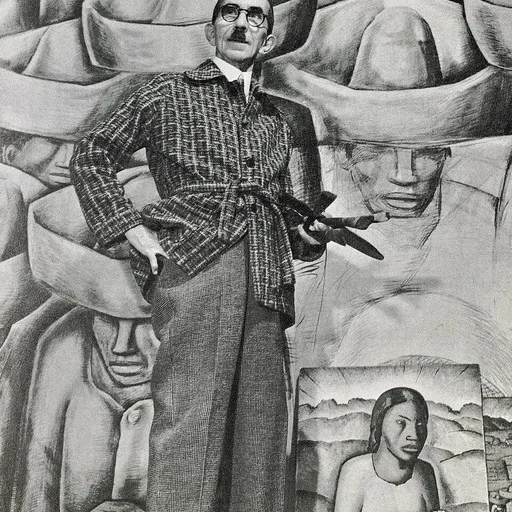
Alfredo Ramos Martínez (November 12, 1871 – November 8, 1946) was a painter, muralist, and educator, who lived and worked in Mexico, Paris, and Los Angeles.